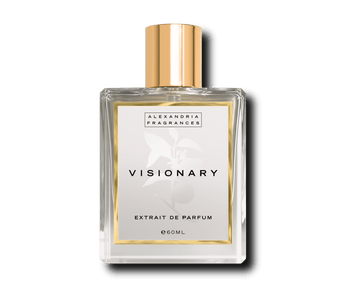

Best Perfume for Women: Discover Quality Dupes
Browsing the perfume aisle can feel overwhelming when every bottle promises the world yet smells different on everyone. For many British women balancing budget and personal expression, the secret lies in understanding how fragrance types and scent families influence lasting power and emotional connection. This guide will help you decode the differences between eau de toilette, eau de parfum, and signature scent selection, revealing how to find a perfume that smells unforgettable on your skin without overspending.
Table of Contents
- What Is the Best Perfume for Women?
- Types of Perfumes and Scent Families
- Designer Versus Dupe Fragrances Explained
- How to Evaluate Perfume Quality and Longevity
- Choosing the Right Perfume for Your Style and Budget
- Common Mistakes When Selecting Perfumes
Key Takeaways
| Point | Details |
|---|---|
| Choose Based on Personal Preference | The best perfume should resonate with your taste, skin chemistry, and lifestyle rather than trends or endorsements. |
| Understand Fragrance Types | Familiarise yourself with the differences between eau de toilette, eau de parfum, and extrait de parfum to select the right option for your needs. |
| Test on Skin | Always test fragrances on your skin, as they may evolve differently than when smelled from a bottle or paper strip. |
| Consider Fragrance Families | Knowing the four main fragrance families—Fresh, Floral, Oriental, and Woody—helps refine your choices and align them with your personality. |
What Is the Best Perfume for Women?
Finding your signature scent is profoundly personal. The “best” perfume for you isn’t determined by price tag, celebrity endorsement, or what your friend swears by. Instead, it’s about understanding what genuinely resonates with your taste, skin chemistry, and lifestyle. Pro-Tip: When assessing fragrances, the best perfumes for women often come down to how they perform on your unique skin rather than how they smell in the bottle.
Start by recognising that fragrance types matter considerably. When evaluating options, understanding the difference between eau de toilette, eau de parfum, and extrait de parfum shapes both longevity and intensity. Eau de toilette typically lasts 3 to 5 hours and contains 5-15% fragrance concentration, making it ideal for everyday wear. Eau de parfum offers superior staying power (6 to 8 hours) with 15-20% concentration, whilst extrait de parfum delivers the richest experience, lasting 8+ hours with 20-30% fragrance oils. Your choice depends on whether you need something fresh for work or a more luxurious, long-lasting option for evenings. Scent families and fragrance notes significantly influence whether a perfume feels right for your personality and preferences.
Personal preference and emotional connection are equally crucial. The right fragrance should make you feel confident and genuinely happy when you wear it. Some women gravitate towards florals that feel romantic and elegant, whilst others prefer gourmand scents with vanilla, caramel, and almond undertones for warmth and comfort. Citrus and fresh fragrances suit those seeking energising, clean sensations, whilst musk-based options appeal to those wanting subtle sophistication. Testing fragrances directly on your skin reveals how they develop over time, since perfumes evolve through top notes (initial burst), middle notes (the heart), and base notes (lasting impression). This personal testing stage prevents costly mistakes and ensures your final choice genuinely suits how it smells on you, not simply how marketing campaigns present it.
Pro tip: Test fragrances on your inner wrist or pulse points, wait at least 15 minutes to let the fragrance settle on your skin chemistry, and return to the shop if possible to experience how it develops throughout the day before making your purchase.
Types of Perfumes and Scent Families
Understanding fragrance families transforms how you shop for perfume. Rather than randomly testing scents, you gain a structured approach to identifying what resonates with your preferences. The four main fragrance families—Fresh, Floral, Oriental, and Woody—each carry distinct characteristics that appeal to different moods, seasons, and personal styles. Within these broad categories sit numerous subfamilies, creating a rich landscape of olfactory options. When you grasp these distinctions, you stop feeling overwhelmed in the fragrance aisle and instead become confident in your selections.
The Fresh family encompasses clean, uplifting scents dominated by citrus, aquatic, and green notes. Citrus fragrances burst with energy from lemon, bergamot, and grapefruit, making them perfect for morning wear or professional settings. Green fragrances capture the essence of freshly cut grass and leafy botanicals, whilst aquatic scents evoke ozonic, mineral-like qualities reminiscent of ocean spray. The Floral family reigns as the largest and most romantic category, ranging from single-note florals (think rose or peony) to complex bouquets layering multiple blooms. Fruity florals blend floral hearts with juicy stone fruits, adding playfulness and sweetness. Oriental fragrances deliver warmth and sensuality through amber, vanilla, and musk bases, often featuring gourmand notes like caramel, almond, or chocolate that feel indulgent and cosy. The Woody family grounds fragrances with earthy, natural elements such as sandalwood, cedarwood, and vetiver, creating understated sophistication and longevity. Fragrance family classifications help you navigate this diversity and pinpoint your signature style.
Your choice of fragrance family should reflect not only what smells beautiful but also how it makes you feel. Someone drawn to Fresh fragrances often values clarity, energy, and simplicity in their daily life. Floral lovers typically appreciate romance, elegance, and emotional expression. Oriental enthusiasts gravitate towards luxury, comfort, and bold self-presentation. Woody fragrance devotees tend to favour authenticity, restraint, and timeless appeal. Many people discover they actually love multiple families depending on the season or occasion. Winter calls for the richness of Oriental and Woody scents, whilst summer begs for Fresh and light Floral options. Rather than limiting yourself to one family, consider building a small collection that serves different moods and moments throughout the year.
To help you understand fragrance categories, here is a clear comparison of the main scent families:
| Fragrance Family | Typical Notes | Ideal Season | Personality Association |
|---|---|---|---|
| Fresh | Citrus, aquatic, green | Spring, Summer | Energetic, modern |
| Floral | Rose, jasmine, peony | Year-round | Romantic, elegant |
| Oriental | Amber, vanilla, spice | Autumn, Winter | Bold, sensual |
| Woody | Sandalwood, cedar, vetiver | Autumn, Winter | Sophisticated, grounded |
Pro tip: Create a fragrance wishlist by noting which family each scent belongs to and testing at least two options from each family across different times of day to observe how they perform on your unique skin chemistry.
Designer Versus Dupe Fragrances Explained
The choice between designer fragrances and dupes often comes down to understanding what you’re actually paying for. Designer perfumes represent years of development by master perfumers who craft intricate compositions using premium natural and synthetic ingredients. These fragrances benefit from extensive research, testing, and refinement to create sophisticated scent profiles that evolve beautifully on the skin. Beyond the fragrance itself, you’re investing in brand heritage, packaging, and the expertise embedded in every bottle. Dupes, by contrast, are reverse-engineered fragrances designed to capture the essence of the original at a fraction of the cost.
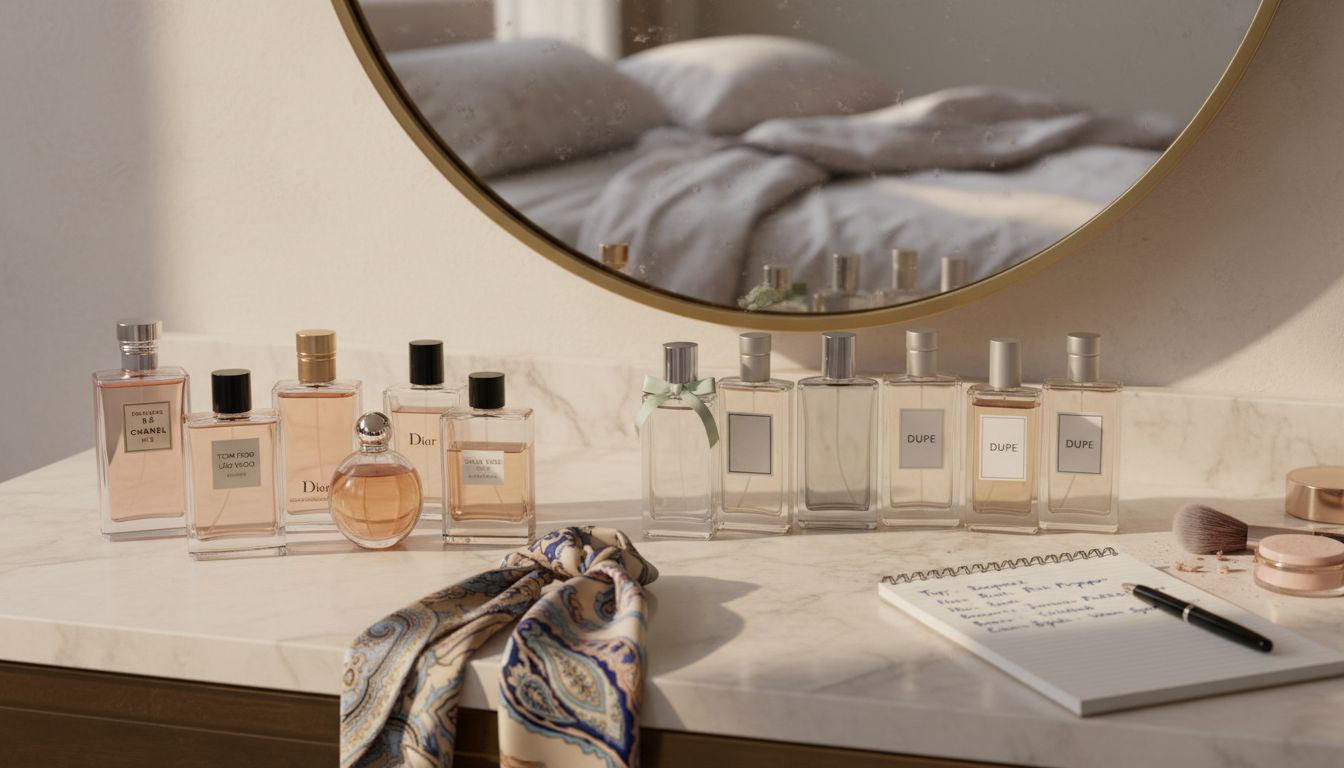
The key differences between designer and dupe fragrances emerge through ingredient quality and longevity. Designer perfumes typically feature higher concentrations of quality ingredients and more complex note layering, meaning they last longer on your skin and project more impressively throughout the day. A designer fragrance might last 8 to 10 hours, whilst a dupe might fade after 4 to 6 hours. Designer fragrances also tend to develop more dynamically, with top notes, heart notes, and base notes unfolding in a carefully orchestrated dance. Dupes frequently use cheaper ingredients to keep costs low, which can result in variations in scent depth, projection, and how the fragrance evolves. The floral notes in a dupe might feel flat compared to the layered complexity of a designer original, or the drydown might feel abrupt rather than graceful.
Yet this doesn’t mean dupes lack value. The honest truth is that quality dupes can deliver 70 to 80 percent of the designer experience at 20 to 30 percent of the price. For those on a budget or wanting to explore fragrances without major financial commitment, a well-crafted dupe serves perfectly. Many women build their collection by purchasing designer fragrances for scents they wear daily or for special occasions, then choosing quality dupes for everyday rotation or experimental scents. The real question isn’t whether dupes are “worth it”—they absolutely are for many situations—but rather understanding your own priorities. Do you value longevity and complex development, or are you content with a pleasant fragrance that lasts a reasonable amount of time? Your answer guides whether designer or dupe makes sense for each purchase.
Pro tip: Start by purchasing a designer fragrance in a scent family you love, then explore dupes within that same family to experience the quality difference firsthand, helping you decide which investment level suits your lifestyle and budget.
How to Evaluate Perfume Quality and Longevity
Evaluating perfume quality requires more than smelling something and deciding whether you like it. Quality fragrances depend on the careful balance of essential oils, aromatic compounds, alcohol, and fixative ingredients working in harmony. A high-quality perfume uses premium natural or synthetic components, with proper proportions that allow the fragrance to develop beautifully and last throughout your day. Understanding this composition helps you recognise why some fragrances cost significantly more and why cheaper alternatives sometimes fade quickly or feel one-dimensional on your skin.
Longevity is the measure of how long a fragrance remains noticeable on your body, and it directly reflects ingredient quality. Fragrance longevity depends on the balance of volatile and fixed ingredients that determine how quickly top notes evaporate versus how long base notes linger. Volatile ingredients like citrus and aldehydes vanish within minutes to hours, whilst fixed ingredients such as musks, ambroxan, and woody compounds persist for 6 to 12 hours. A quality perfume strategically layers these components so you experience a beautiful evolution rather than a sudden disappearance. When you spray a high-quality fragrance, it might feel subtle at first, but by the heart phase it blooms fully, and the drydown lingers softly for hours. Cheaper formulations often skip proper fixatives, meaning the fragrance peaks quickly then vanishes, leaving you reapplying throughout the day.
Projection, the distance your fragrance travels from your body, also indicates quality. A well-crafted fragrance projects about one to three metres without overwhelming those nearby. Poor-quality fragrances either fail to project at all, feeling invisible to others, or project aggressively and unpleasantly. Testing projection means spraying on one wrist, waiting 15 minutes for the fragrance to settle, then moving your arm around to observe how far the scent carries. Additionally, assess scent clarity by noticing whether individual notes remain distinct or blur together into a muddled mass. Quality fragrances display clarity throughout their development, with notes remaining identifiable even as they blend. A floral fragrance should let you distinguish the rose from the peony from the muguet, not present them as generic “floral smell.”
Pro tip: Test a fragrance at least three times across different days and times before purchasing, noting projection at 5 minutes and 8 hours post-application, as consistent longevity and clarity across multiple wearings indicate genuine quality.
Choosing the Right Perfume for Your Style and Budget
Selecting a fragrance that aligns with both your lifestyle and financial reality requires honest reflection about your priorities. Your style encompasses far more than simply liking how something smells. Consider your daily routine: are you spending time in professional office environments, working outdoors, or managing a household? Do you prefer blending into the background or making a statement when you enter a room? Your answer shapes whether you need subtle, close-to-skin fragrances or bold, projecting scents. Someone working in a corporate setting might favour fresh, professional fragrances that enhance their presence without overwhelming colleagues. A creative professional might gravitate towards unique, unconventional scents that express individuality. A parent managing school runs and errands might prioritise durability and versatility over luxury positioning.
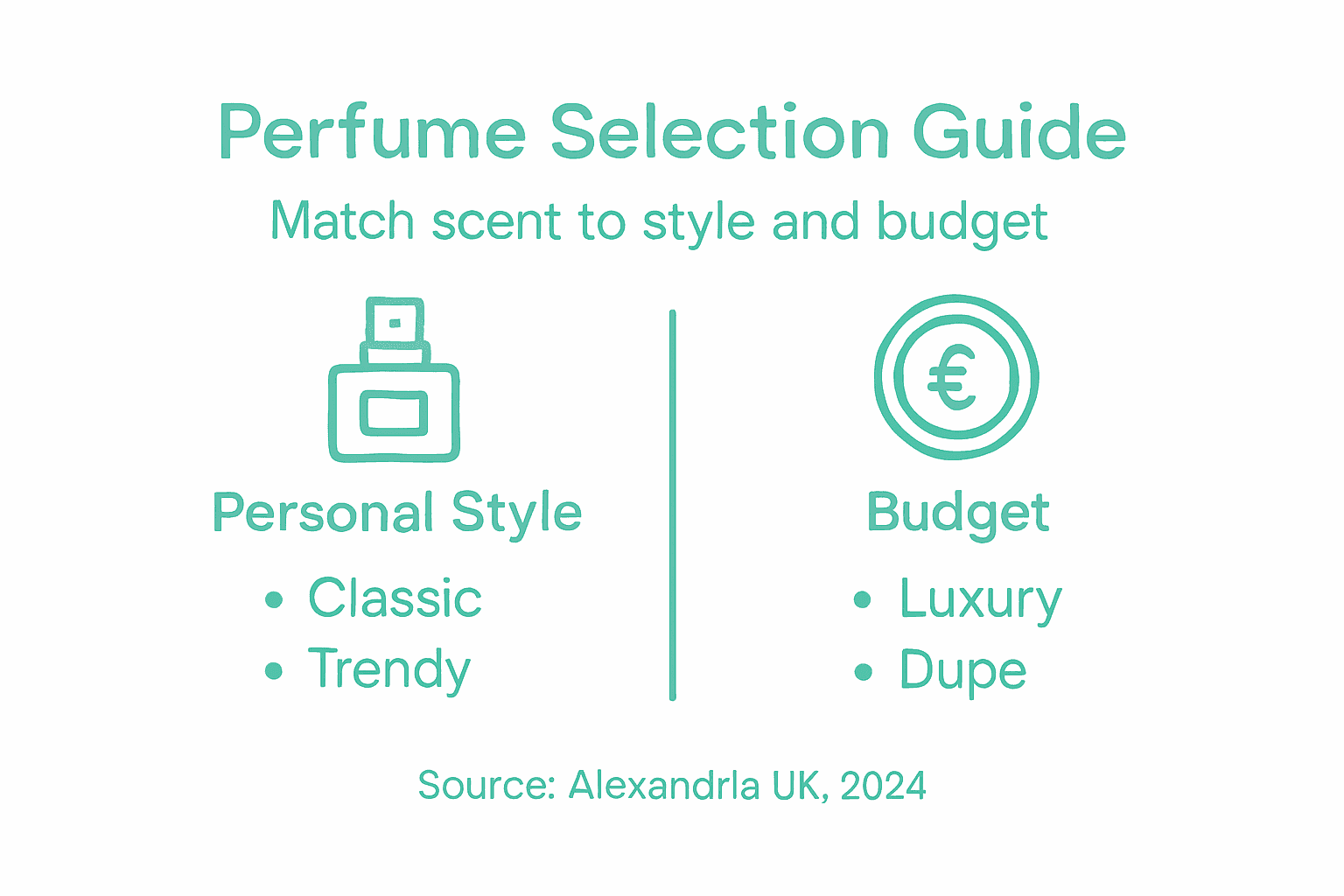
Your budget need not limit your fragrance choices, especially when you understand how to allocate spending strategically. Rather than purchasing one expensive fragrance, consider building a modest collection where premium designer fragrances serve specific occasions and quality dupes fill everyday rotation. Quality fragrances needn’t require premium pricing when you identify which aspects genuinely matter to you. If longevity is crucial, investing in a designer eau de parfum makes sense because you’ll wear less due to its concentration. If you enjoy fragrance variety and experimentation, multiple affordable dupes prevent regret over expensive impulse purchases. Women aged 25 to 40 often discover they prefer owning three affordable fragrances they rotate throughout the week over one expensive bottle that becomes tiresome. Start by determining your true budget. Are you willing to spend £80 on a single designer perfume, or would you prefer spending £30 to 40 on three quality dupes? Neither choice is wrong; they simply reflect different values.
Match your fragrance to your lifestyle patterns rather than aspirational versions of yourself. If you genuinely wear scent only on weekends, purchasing expensive fragrances for daily work makes no sense. If you love fragrance and wear it daily across multiple occasions, investing in at least one quality designer piece alongside affordable alternates provides the perfect balance. Personal style also influences choice. Some women collect fragrances methodically, researching and testing before purchasing. Others prefer discovering scents spontaneously through trial and error. Some gravitate consistently towards florals, whilst others explore every family. Your authentic style, not marketing or trends, should guide your selections. A fragrance is only “right” when it genuinely makes you happy and aligns with how you actually live.
Use this decision table to match perfume types and price points to your needs:
| Preference | Best Perfume Type | Budget Approach | Rationale |
|---|---|---|---|
| Daily longevity | Eau de parfum (designer) | Invest in one bottle | Superior staying power |
| Experimentation | Quality dupe | Buy several affordable | Try varied scents risk-free |
| Special events | Extrait de parfum | Save for premium option | Maximum richness and impact |
| Versatility | Eau de toilette | Choose mid-range brands | Suitable for most occasions |
Pro tip: List three adjectives describing your ideal fragrance experience, then identify one designer and one dupe option matching each descriptor, comparing them side by side to discover which investment level suits your actual lifestyle and budget constraints.
Common Mistakes When Selecting Perfumes
Most women have purchased a fragrance they regretted within weeks. The culprit rarely involves the perfume itself but rather how you tested and selected it. One of the most damaging mistakes is sampling fragrances on paper strips rather than your skin. Paper strips cannot replicate your unique skin chemistry, body temperature, or pH levels that fundamentally alter how a fragrance smells on you. That beautiful floral on a strip might smell cloying on your wrist, or a supposedly boring scent might bloom gorgeously once your body chemistry interacts with it. Proper skin testing prevents mismatches between strip impressions and actual wear, yet many shoppers skip this step and purchase based on initial paper sniffs alone.
Another widespread mistake involves testing too many fragrances simultaneously. Your olfactory system becomes fatigued after sampling about three to five scents, meaning the sixth, seventh, and eighth fragrances all blend together into an indistinguishable mess. You lose the ability to distinguish between them or assess them fairly. Additionally, many women rub their wrists together after spraying perfume, thinking it helps the scent develop. This habit actually breaks down the fragrance’s molecular structure, disrupting the carefully layered notes and preventing proper evolution. Instead, simply spray and allow the fragrance to settle without touching your wrists for at least 15 minutes. Equally problematic is purchasing based on someone else’s enthusiasm. Your best friend’s signature scent might be absolutely wrong for you, despite how much she raves about it. Fragrance is profoundly personal, varying significantly based on skin type, body chemistry, lifestyle, and personal preference.
Timing represents another crucial factor many overlook. Rushing to purchase immediately after spraying ensures you miss the fragrance’s development. Top notes dissipate within 5 to 15 minutes, revealing the heart notes that comprise the fragrance’s true character. The drydown, arriving after 2 to 3 hours, reveals base notes that determine longevity and lasting impression. A fragrance that smells harsh initially often becomes beautiful as it evolves. Conversely, something magnificent at first might become unpleasant during the drydown. Spending at least two hours with a fragrance, ideally across different times of day, prevents expensive mistakes. Additionally, avoid purchasing the same fragrance in multiple formats (body lotion, eau de toilette, eau de parfum) before confirming you genuinely love the scent itself. Many women purchase complete collections before truly knowing whether they’ll wear the fragrance regularly, resulting in expensive waste.
Pro tip: Test no more than three fragrances per shopping trip, allow each at least two hours to develop on your skin, and avoid purchasing full-size bottles until you’ve worn a sample across multiple days and different occasions.
Discover Quality Dupes That Match Your Style and Budget
Choosing the best perfume for women can feel overwhelming when faced with complex decisions about fragrance families, longevity, and the designer versus dupe debate. If you struggle with finding quality fragrances that suit your unique skin chemistry without breaking your budget, you are not alone. This article highlights the importance of testing perfumes on your skin, understanding fragrance notes and scent families, and knowing whether a designer or dupe fragrance meets your needs for longevity and projection.
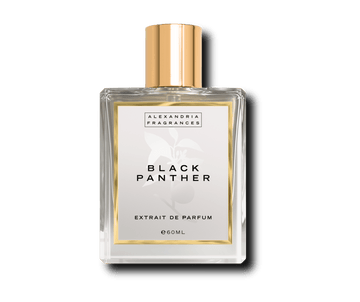
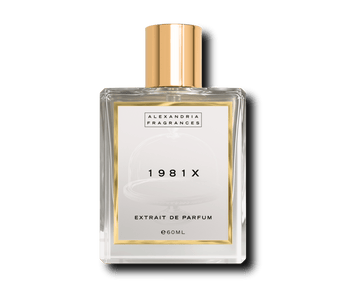
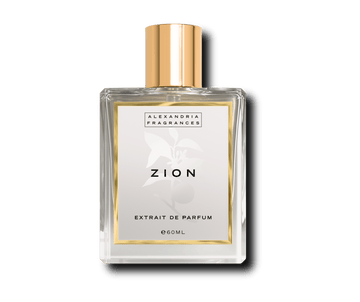
At Alexandria UK, we specialise in offering quality dupes inspired by iconic designer perfumes so you can enjoy sophisticated scents without compromise. Our curated collection helps you explore a variety of fragrance families with confidence and affordability. Whether you prioritise daily longevity, versatility, or luxurious richness, discover options that complement your personal style and lifestyle. Don’t wait to enhance your fragrance wardrobe with reliable quality and irresistible prices. Start your journey now by visiting Alexandria UK and find your perfect signature scent today.
Frequently Asked Questions
What should I consider when choosing a perfume for women?
When choosing a perfume, consider your personal preferences, skin chemistry, and the fragrance family that resonates with you. Factors like scent longevity, occasion, and alignment with your lifestyle are also crucial.
How do I define my preferred scent family?
To define your preferred scent family, test different fragrances across the main categories: Fresh, Floral, Oriental, and Woody. Pay attention to which scents evoke positive feelings and suit your personality.
What are the benefits of using dupes instead of designer perfumes?
Dupes can offer a similar scent experience to designer perfumes at a fraction of the cost, allowing you to enjoy quality fragrances without the high price tag. They are ideal for experimentation and everyday wear without a significant financial commitment.
How can I improve the longevity of my fragrance?
To improve the longevity of your fragrance, apply it to pulse points like the wrists and neck, and consider layering with matching scented body products. Additionally, selecting higher-quality fragrances or those with a higher oil concentration can enhance staying power.