
Fragrance Profile Selection: Your Scent, Your Signature
Choosing the perfect scent often feels overwhelming when faced with countless options and conflicting advice. For fragrance enthusiasts across the United Kingdom, understanding fragrance profiles is key to narrowing down personal favourites while exploring affordable perfume dupes. This guide unpacks common myths about fragrance categorisation and explains how modern perfumery celebrates individual taste, helping you discover a signature scent that truly suits your preferences and budget.
Table of Contents
- Fragrance Profiles Explained And Common Myths
- Scent Families And Popular Profile Variations
- Comparing Originals And Dupes For UK Buyers
- Key Fragrance Characteristics: Longevity, Sillage, Notes
- Testing Techniques And Personalisation Strategies
- Safety, Legalities And Ethical Concerns In The UK
Key Takeaways
| Point | Details |
|---|---|
| Understanding Fragrance Profiles | Fragrance profiles categorise scents into families, aiding in the selection of personal fragrances. Exploring across these categories helps reveal individual preferences beyond gender stereotypes. |
| Exploring Dupes | Perfume dupes offer affordable alternatives to designer scents, providing similar olfactory experiences without the high cost. It is essential to test dupes on skin to assess compatibility. |
| Key Characteristics of Fragrance | Important fragrance characteristics include longevity, sillage, and notes, all of which determine how a scent evolves over time. Understanding these factors enhances the fragrance experience. |
| Personalised Testing Strategies | A systematic approach to fragrance testing, including documenting impressions and testing on pulse points, is crucial for finding the right scent match that aligns with personal body chemistry. |
Fragrance profiles explained and common myths
Understanding fragrance profiles is an essential step in finding your signature scent. These profiles represent complex olfactory categories that help categorise perfumes based on their predominant aromatic characteristics. While many people believe fragrance selection is purely subjective, there’s actually a sophisticated science behind understanding how different scent families interact and appeal to individual preferences.
Traditionally, fragrance experts recognise five primary fragrance families: floral, oriental, woody, fresh, and fougère. Contrary to popular myths, these categories aren’t rigid boundaries but flexible frameworks that help consumers navigate the intricate world of perfumery. Fragrance classification systems reveal nuanced interactions between different scent notes that extend far beyond simple gender stereotypes.
One prevalent myth is that fragrances are strictly gendered, with masculine and feminine designations. Modern perfumery challenges this notion, recognising that scent perception is deeply personal and transcends traditional gender boundaries. Contemporary fragrance designers create complex, multifaceted scents that appeal to individual tastes rather than conforming to outdated societal expectations. The emerging trend celebrates individual expression through carefully curated aromatic experiences.
Pro tip: When exploring fragrance profiles, sample scents across different families and ignore traditional gender labels to discover your genuine olfactory preferences.
Scent families and popular profile variations
Fragrance families represent a sophisticated system of categorising scents, offering enthusiasts a nuanced framework for understanding perfumery’s complex landscape. These profile variations are not merely academic classifications but dynamic, evolving concepts that reflect changing cultural perceptions and individual sensory experiences. Perfume classification systems demonstrate remarkable complexity, moving far beyond simplistic gender-based divisions.
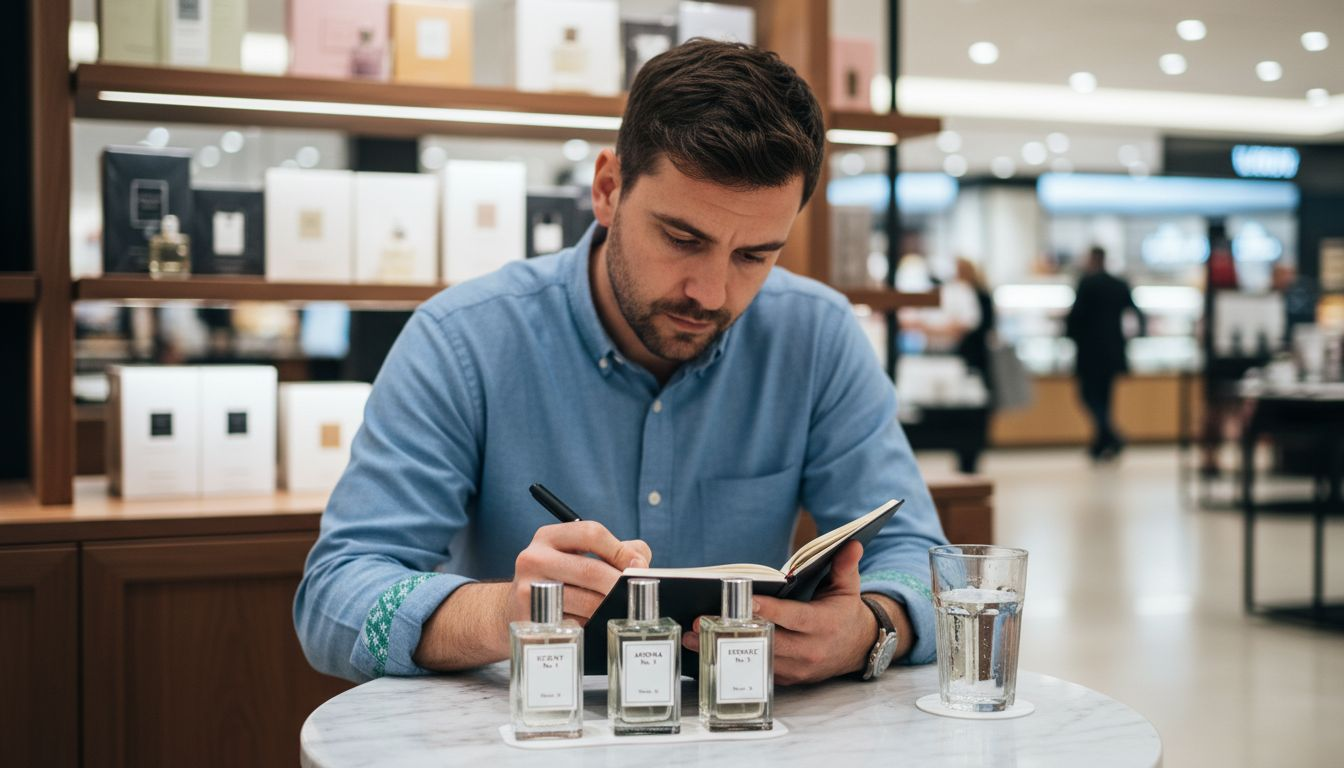
The primary fragrance families include floral, oriental, woody, fresh, and chypre profiles. Each family contains intricate sub-categories that capture the subtle nuances of aromatic compositions. Floral fragrances, for instance, range from delicate rose and jasmine notes to robust, intense white flower arrangements. Oriental profiles introduce rich, sensual elements like vanilla, amber, and spice, creating warm and provocative olfactory experiences that challenge traditional scent boundaries.
Woody and fresh fragrance families offer particularly interesting variations. Woody scents incorporate earthy elements like sandalwood, cedar, and patchouli, providing depth and complexity. Fresh profiles encompass crisp, light notes including citrus, green botanicals, and aquatic accords, appealing to those seeking energetic and vibrant aromatic expressions. These diverse families demonstrate that modern perfumery is an art form celebrating individual expression and sensory exploration.
Here is a summary of the main fragrance families and their distinct characteristics:
| Fragrance Family | Typical Notes | Sensory Impression |
|---|---|---|
| Floral | Rose, jasmine, lily | Soft, romantic, elegant |
| Oriental | Vanilla, amber, spice | Warm, rich, exotic |
| Woody | Sandalwood, cedar, patchouli | Earthy, deep, complex |
| Fresh | Citrus, botanicals, aquatic | Clean, vibrant, invigorating |
| Chypre | Oakmoss, bergamot, labdanum | Mossy, sophisticated, classic |
Pro tip: Experiment with fragrance samples across different families to discover unexpected combinations that truly reflect your unique personality.
Comparing originals and dupes for UK buyers
The world of fragrance has undergone a transformative shift, with perfume dupes emerging as a compelling alternative to high-end original fragrances. Perfume dupe considerations reveal a nuanced landscape where affordability meets quality, challenging traditional perceptions of luxury scents. British consumers are increasingly exploring these sophisticated alternatives that offer remarkable similarity to designer fragrances at a fraction of the cost.
Original fragrances represent the pinnacle of perfumery’s artistic expression, crafted by master perfumers using rare and expensive ingredients. These creations often involve complex layering techniques, unique molecular compositions, and years of research and development. Dupes, by contrast, aim to recreate the essence of these original scents through carefully engineered aromatic profiles. While they may not perfectly replicate every subtle note, high-quality dupes can provide an impressively close olfactory experience that satisfies most discerning consumers.
The legal and ethical landscape surrounding perfume dupes is intricate. Reputable manufacturers focus on creating ‘inspired by’ fragrances that capture the spirit of original scents without directly infringing on trademark protections. This approach allows UK buyers to enjoy luxurious fragrance experiences without the prohibitive pricing of designer brands. Factors like longevity, sillage, and molecular complexity still differentiate original fragrances from their more affordable counterparts, but the gap continues to narrow with advancing fragrance technology.
The table below compares original fragrances and high-quality dupes for UK buyers:
| Aspect | Originals | Dupes |
|---|---|---|
| Price Range | Generally expensive | Significantly more affordable |
| Ingredient Quality | Rare and premium | Good, but typically less exclusive |
| Longevity | Long-lasting with depth | Moderate to good, may fade sooner |
| Sillage | Strong and distinctive | Close but sometimes less prominent |
| Uniqueness | Often signature, with unique design | Inspired by, but less individual |
Pro tip: Always test fragrance dupes on your skin and allow them to develop for at least 30 minutes to truly assess their unique character and compatibility with your personal chemistry.
Key fragrance characteristics: Longevity, sillage, notes
Understanding the nuanced world of fragrance requires deep insight into three critical characteristics: longevity, sillage, and fragrance notes. Perfume longevity insights reveal how complex aromatic compositions determine a perfume’s staying power and overall sensory experience. These elements transform a simple scent into a sophisticated olfactory journey that reflects personal style and sophistication.
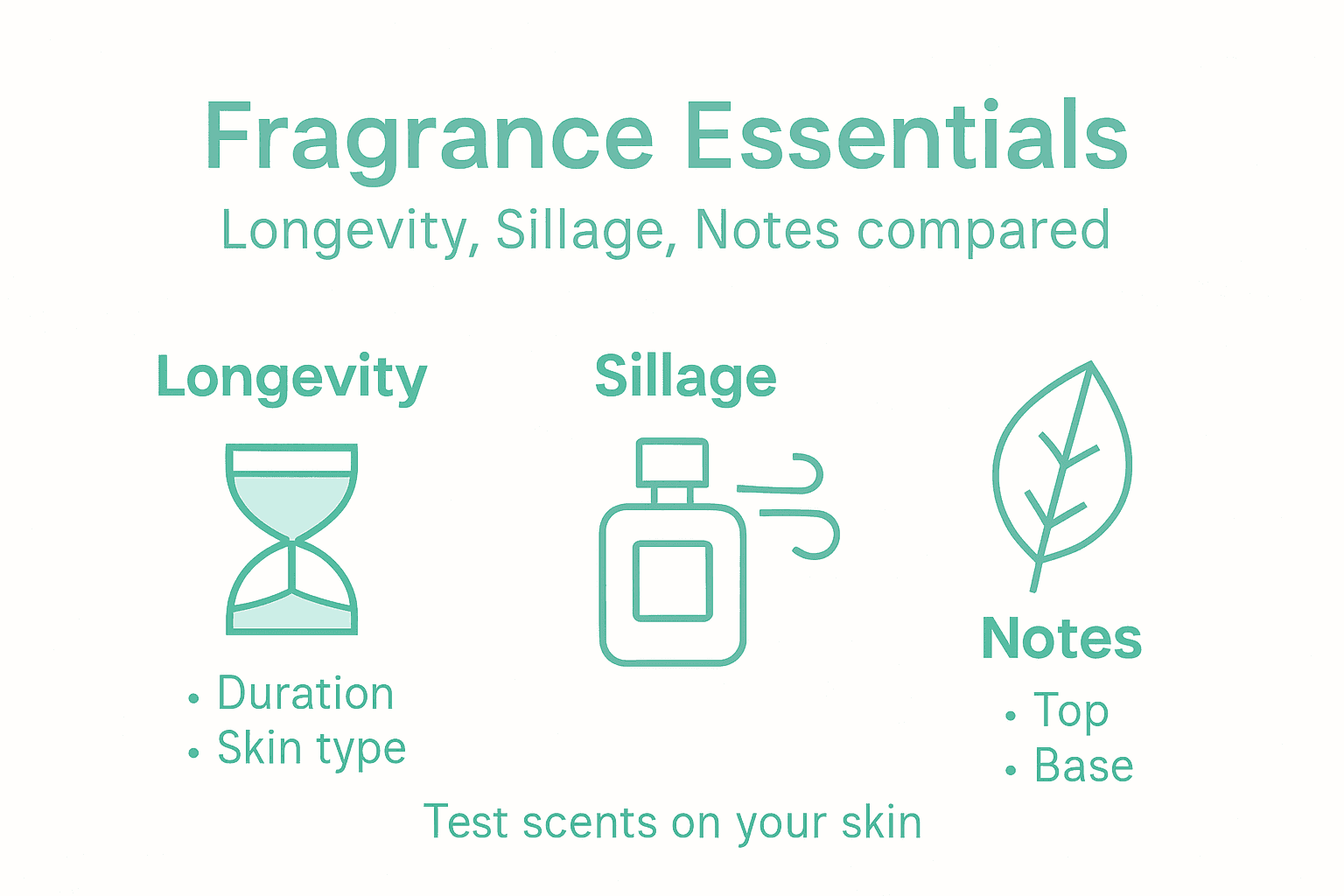
Longevity refers to how long a fragrance remains detectable on the skin, influenced by molecular structure, concentration, and ingredient quality. Top notes are typically the most volatile, lasting only 15-30 minutes, while base notes can persist for several hours. Sillage, a French term meaning ‘wake’ or ‘trail’, describes the fragrance’s projection and how far the scent travels from the wearer’s body. A robust sillage indicates a potent, well-crafted perfume that announces one’s presence without overwhelming the surrounding environment.
Fragrance notes represent the individual aromatic elements that compose a perfume’s complex profile. These are typically categorised into three layers: top (head) notes, which provide the initial impression; middle (heart) notes, creating the perfume’s core character; and base notes, delivering depth and longevity. High-quality fragrances carefully balance these notes, creating a harmonious olfactory experience that evolves beautifully over time, revealing different facets of its personality throughout the day.
Pro tip: Apply fragrance to pulse points and allow natural body heat to activate and enhance the scent’s molecular complexity.
Testing techniques and personalisation strategies
Fragrance personalisation represents a sophisticated journey of self-discovery, requiring precise testing methodologies that respect individual sensory experiences. Each fragrance interaction is a unique encounter, demanding nuanced approaches that go beyond traditional sampling techniques. Modern fragrance enthusiasts understand that selecting a signature scent involves scientific precision and personal intuition.
Effective testing strategies involve multiple sensory evaluation techniques. Professional fragrance consultants recommend applying perfume samples to pulse points like wrists, inner elbows, and neck, allowing the scent to interact with individual body chemistry. Each application should be followed by a 30-minute waiting period, enabling the fragrance to evolve through its distinct note progressions. Skin type, hormonal balance, and personal pH levels significantly influence how a fragrance develops, making personalised testing crucial for finding your perfect scent match.
Consumers should adopt a systematic approach to fragrance exploration. This involves creating a fragrance journal documenting initial impressions, evolution of scent notes, longevity, and personal emotional responses. Advanced techniques include sampling fragrances during different times of day, across varying environmental conditions, and tracking how individual scents interact with personal skin chemistry. By treating fragrance selection as a methodical research process, individuals can develop a sophisticated understanding of their olfactory preferences.
Pro tip: Always test fragrances on your own skin and avoid relying solely on paper strips or recommendations, as each person’s body chemistry creates a unique scent experience.
Safety, legalities and ethical concerns in the UK
The fragrance industry in the United Kingdom operates under stringent regulatory frameworks designed to protect consumer health and ensure product safety. These comprehensive guidelines govern everything from ingredient sourcing to manufacturing processes, creating a robust system that prioritises transparency and consumer protection. Fragrance manufacturers must navigate complex legal landscapes that require meticulous documentation and adherence to strict safety standards.
Ethical considerations extend beyond mere regulatory compliance, encompassing broader concerns about ingredient sourcing, environmental sustainability, and consumer consent. British consumers increasingly demand transparency regarding fragrance composition, animal testing practices, and potential allergen content. The emergence of cruelty-free and vegan fragrance options reflects a growing societal commitment to ethical consumption, with brands now required to provide detailed information about their production methodologies and ingredient origins.
Legal obligations in the fragrance industry involve complex intersections of consumer protection, intellectual property rights, and health regulations. Manufacturers must comply with UK and European Union guidelines regarding chemical composition, labelling requirements, and potential health risks. This includes mandatory disclosure of potential allergens, precise ingredient listings, and clear warnings about potential sensitivities. The regulatory environment ensures that consumers can make informed choices about the fragrances they choose to wear, balancing commercial interests with public health considerations.
Pro tip: Always review the ingredient list and allergen information before purchasing a new fragrance, and perform a patch test to ensure personal compatibility.
Discover Your Perfect Fragrance Match with Alexandria UK
Choosing the right fragrance profile can be challenging when faced with myths around gendered scents and the complex science behind longevity and sillage. If you have struggled to find a scent that truly speaks to your personality and fits your lifestyle, you are not alone. The article on “Fragrance Profile Selection: Your Scent, Your Signature” highlights how testing on skin, exploring diverse scent families, and understanding notes can transform your fragrance experience.
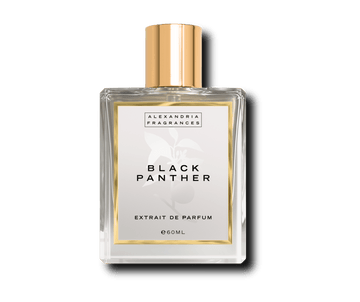
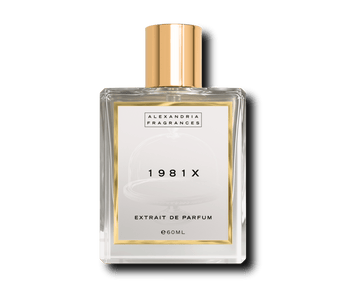
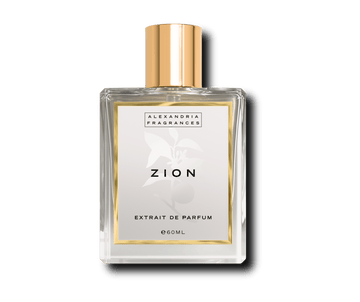
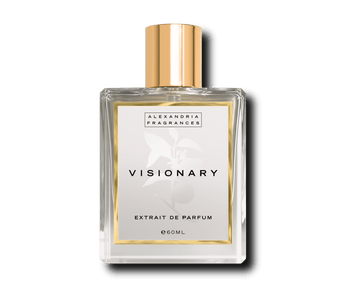
At Alexandria UK, we specialise in offering quality perfume dupes inspired by famous fragrances that enable you to explore a wide range of scent families without risking a large investment. Our collection respects the science of fragrance profiles and allows you to personalise your signature scent at a price that suits you.
Find your next favourite scent by browsing our curated range that balances originality with affordability. Start your journey towards a truly personal fragrance experience and overcome the confusion of selection with confidence.
Ready to explore scents that reflect your unique style and chemistry Take control of your fragrance selection process now at Alexandria UK and discover affordable options that match your desired longevity, sillage, and profile preferences. Don’t wait — your signature scent is waiting to be found.
Frequently Asked Questions
What are the main fragrance families?
The main fragrance families include floral, oriental, woody, fresh, and chypre. Each family encompasses various sub-categories with unique aromatic characteristics.
How can I find my signature scent?
To find your signature scent, explore different fragrance families, sample a variety of scents, and ignore traditional gender labels. Testing fragrances on your skin and documenting your impressions can also help you identify what resonates with you.
What is the difference between original fragrances and dupes?
Original fragrances are crafted from rare ingredients and involve complex layering techniques, while dupes aim to replicate the essence of these original scents at a lower price point, offering good quality but typically using less exclusive ingredients.
Why is longevity important in fragrances?
Longevity refers to how long a fragrance remains detectable on the skin. It affects the overall sensory experience and how often you may need to reapply the scent throughout the day.