
Shopping-Duft: Wie Dufterlebnisse dein Einkaufserlebnis prägen
More than 60 percent of retailers in Germany use specific scents to influence the shopping behavior of their customers. A pleasant fragrance can completely change the atmosphere of a store and have a positive effect on brand loyalty. Those who understand the impact of shopping scents discover new potential for customer satisfaction, sales figures, and an all-around harmonious shopping experience.
Table of Contents
- What exactly is a shopping scent?
- Variants of shopping scents in retail
- How shopping scents work in a sales context
- Legal and safety framework conditions
- Risks, costs, and typical pitfalls of implementation
Key Insights
| Point | Details |
|---|---|
| Shopping scents are an effective marketing tool | The targeted use of scents can increase customer satisfaction by up to 20% and significantly boost purchase intent. |
| Scent selection should be strategic | Professional scent designers tailor scent compositions to brand identity and the target audience. |
| Consider legal framework conditions | Retailers must ensure that the scents used are safe for both customers and employees. |
| Note risks and costs | Implementing scent marketing can incur high costs and carries the risk of negative customer reactions if applied incorrectly. |
What exactly is a shopping scent?
A shopping scent is a targeted olfactory strategy that retailers use to influence the shopping experience emotionally and sensorially. Scent marketing refers to all measures aimed at increasing product sales, strengthening customer loyalty, and optimizing brand perception through the use of fragrances.
The scientific basis for this is based on our complex neurobiological reaction to smells. Unlike visual or acoustic stimuli, scents are processed directly in the limbic system—the part of the brain that controls emotions and memories. This makes scents an extremely powerful marketing tool. Independent reports show impressive results: a 20% increase in customer satisfaction, 11% increase in sales, and even 60% higher purchase intent.
Choosing the right shopping scent is not a matter of chance. Professional scent designers develop specific compositions that match the brand identity, target group, and room atmosphere. A luxury store will use different scents than a sports shop—ranging from fresh citrus notes to warm sandalwood accents.
Pro-tip for discovering scents: Pay conscious attention to the smells around you during your next shopping trip. You will be surprised at how subtly and precisely scents can influence your buying impulses.
Variants of shopping scents in retail
The retail industry uses various shopping scent variants to create specific shopping experiences. Bayscent offers scent systems for diverse retail sectors, from fashion boutiques to concept stores, specifically designed to subtly influence customer behavior.
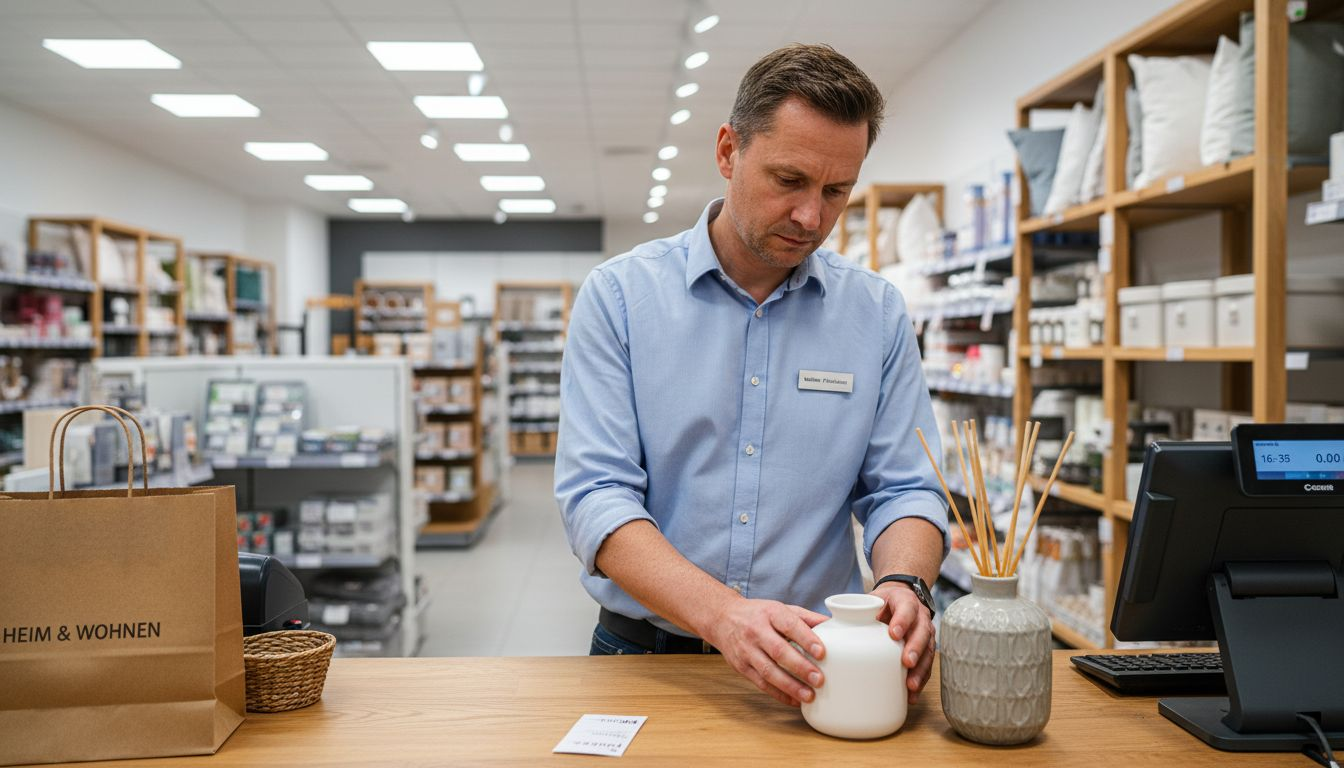
Main variant 1 is the brand-specific scent, which reflects the identity of a store. Luxury brands often rely on elegant musk and sandalwood notes, while sports stores prefer fresh, energetic scents like citrus or mint. The choice of scent communicates the core values of the brand non-verbally.
Tailor-made scent concepts can significantly increase customer dwell time and create a positive shopping experience. Other variants include:
- Seasonal scents: Christmas-themed cinnamon and vanilla notes in winter
- Target-group-specific scents: Shops for teenagers featuring fresh, dynamic fragrance notes
- Area-specific scents: Different scents for clothing, electronics, or food zones
Pro-tip for scent marketing: Choose scents that are not only pleasant but also create an emotional connection to your brand. The right scent can be more effective than a thousand words.
To clarify the differences and application areas of shopping scents, here is a comparison table:
| Scent Variant | Typical Application | Target Audience | Expected Impact |
|---|---|---|---|
| Brand-specific scent | Luxury boutique, jeweler | Affluent customers | Strengthening brand loyalty |
| Seasonal scent | Fashion store, shopping mall | Seasonal shoppers | Encouraging spontaneous purchases |
| Target-group-specific scent | Youth fashion store | Teenagers | Animating atmosphere |
| Area-specific scent | Electronics, food | General customers | Supporting orientation |
How shopping scents work in a sales context
Shopping scents are not a random strategy but a scientifically sound marketing instrument. The use of room fragrances can increase customer satisfaction by 20% and purchase intent by 60%, underscoring the enormous psychological effect of scents.
The neurobiological basis of this effect lies in the direct connection between the sense of smell and the limbic system. Scents bypass the rational level of thinking and address emotional centers directly. By intentionally altering the room's scent, emotional buying decisions can be subtly influenced, which retailers utilize strategically.
The mechanisms of action of shopping scents can be divided into several core aspects:
- Emotional appeal: Scents evoke memories and feelings
- Increasing dwell time: Pleasant scents keep customers in the store longer
- Brand identification: Specific scents strengthen brand perception
- Boosting buying impulses: Subtle olfactory stimuli can influence purchase decisions
Pro-tip for scent perception: Consciously pay attention to the smells around you during your next purchase. You will be surprised at how strongly scents can unconsciously control your shopping behavior.
Legal and safety framework conditions
Scent marketing is subject to complex legal and safety framework conditions that must be carefully observed. When using scent marketing, aspects related to the protection of the health of customers and employees, as well as compliance with regulations regarding the use of fragrances in public spaces, must be considered.
Legal requirements cover several central areas: health protection, environmental compatibility, and individual tolerance. People with allergies, asthma, or sensitivities must be protected in particular. Retailers are obligated to design scents in such a way that they do not cause any health risks.
Modern scent solutions like VoitAir offer maintenance-free systems that operate without chemical additives and are specifically developed for retail. Important legal framework conditions include:
- Health protection: No allergenic or harmful substances
- Transparency: Disclosure of fragrances used
- Voluntariness: Customers must be able to avoid scented areas
- Occupational safety: Consideration of the health of employees
Pro-tip for scent responsibility: Before implementing shopping scents, consult with legal counsel and an occupational physician to thoroughly review all legal and health aspects.
Risks, costs, and typical pitfalls of implementation
Scent marketing carries complex challenges that must be carefully analyzed. Implementation can lead to risks such as allergic reactions in customers and employees, and in addition, high costs for the implementation and maintenance of scent systems may arise.
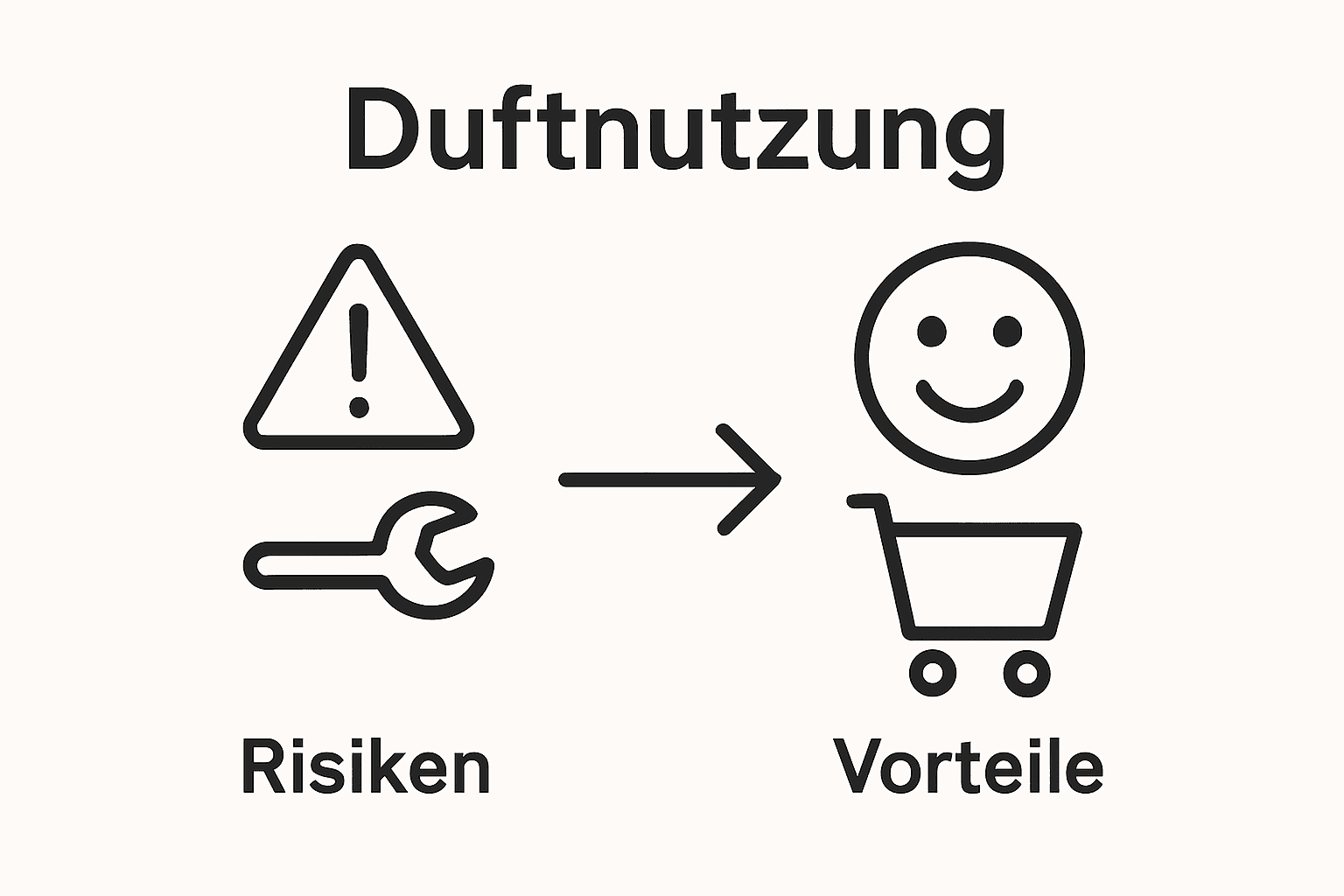
Financial aspects include not only the purchase of scent equipment but also ongoing costs for maintenance, fragrance refills, and potential training. A professional scent concept can cost between 500 and 5,000 euros per year, depending on the size of the store, complexity, and scope.
Companies should choose scents very carefully and use them sparingly to avoid negative customer reactions. Typical pitfalls include:
For a better overview of risks and costs, the following points provide a compact summary:
| Risk/Cost Factor | Description | Example Consequence |
|---|---|---|
| Allergy risk | Reactions in sensitive individuals | Discomfort, leaving the store |
| Overdosing | Too intensive scent use | Negative shopping experience |
| Ongoing costs | Refills, maintenance, training | Annual costs rise |
| Brand inconsistency | Scent does not match brand | Weaker brand perception |
- Overdosing: Scents that are too intense can deter customers
- Allergy risks: Intolerances in sensitive individuals
- Brand inconsistency: Wrong scent can weaken brand message
- Technical issues: Failures or uneven scent distribution
Pro-tip for scent management: Conduct smaller test runs first and gather customer feedback before implementing a complete scent concept.
Experience the perfect scent for your shopping experience
A carefully selected shopping scent can address your emotions directly and positively influence your purchase decision. That is exactly the goal of scent marketing. If you, as a fragrance lover, are looking for the highest quality and unique scent experiences that awaken your senses and underline your personality, you are in the right place. Our selection of perfumes and dupes at AlexandriaUK combines inspiring fragrance notes with excellent quality.

Dive into the world of scents and let yourself be inspired by our assortment. Visit AlexandriaUK today and discover scents that strengthen your individual brand and make your shopping experience unforgettable. Benefit from high-quality advice and exclusive offers that will make your heart for fragrances beat faster. Experience scent marketing that truly fits you!
Frequently Asked Questions
What is a shopping scent?
A shopping scent is a targeted marketing strategy used by retailers to emotionally influence the shopping experience and improve brand perception through the use of fragrances.
How do scents influence purchase decisions?
Scents act directly on the limbic system, which is responsible for emotions and memories. Pleasant scents can increase the time spent in the store and boost purchase intent by up to 60%.
What variants of shopping scents are there?
There are various variants of shopping scents, including brand-specific, seasonal, target-group-specific, and area-specific scents, each tailored to the brand identity and atmosphere.
What legal aspects must be considered when using shopping scents?
When using scent marketing, health guidelines must be adhered to in order to avoid allergies and intolerances in customers and employees. Furthermore, the fragrance substances used must be made transparent.