Perfume House Explained: Types, Creation, and Value
Did you know that the global perfume industry is valued at over $50 billion each year? Fragrance lovers are drawn to the magic behind these scents, yet few understand what sets a true perfume house apart from ordinary manufacturers. Choosing a real perfume house means entering a world where craftsmanship, story, and artistry come together to create memorable scents that linger in both memory and air.
Table of Contents
- Defining A Perfume House In Fragrance
- Major Types Of Perfume Houses Compared
- How Perfume Houses Create Fragrances
- Quality, Authenticity, And Safety Standards
- Perfume Houses Vs. Dupes And Alternatives
Key Takeaways
| Point | Details |
|---|---|
| Nature of Perfume Houses | Perfume houses are creative laboratories that blend artistic and commercial elements, producing unique fragrances with distinctive identities. |
| Types of Perfume Houses | There are three main types: heritage luxury, niche artisanal, and commercial mass-market, each catering to different consumer segments and philosophies. |
| Fragrance Creation Process | Crafting fragrances involves a meticulous process of concept development, ingredient selection, and iterative testing, often utilizing advanced technologies for deeper emotional connection. |
| Quality and Safety Standards | The fragrance industry adheres to strict international regulations ensuring quality, safety, and authenticity, highlighting the importance of craftsmanship in maintaining brand integrity. |
Defining a Perfume House in Fragrance
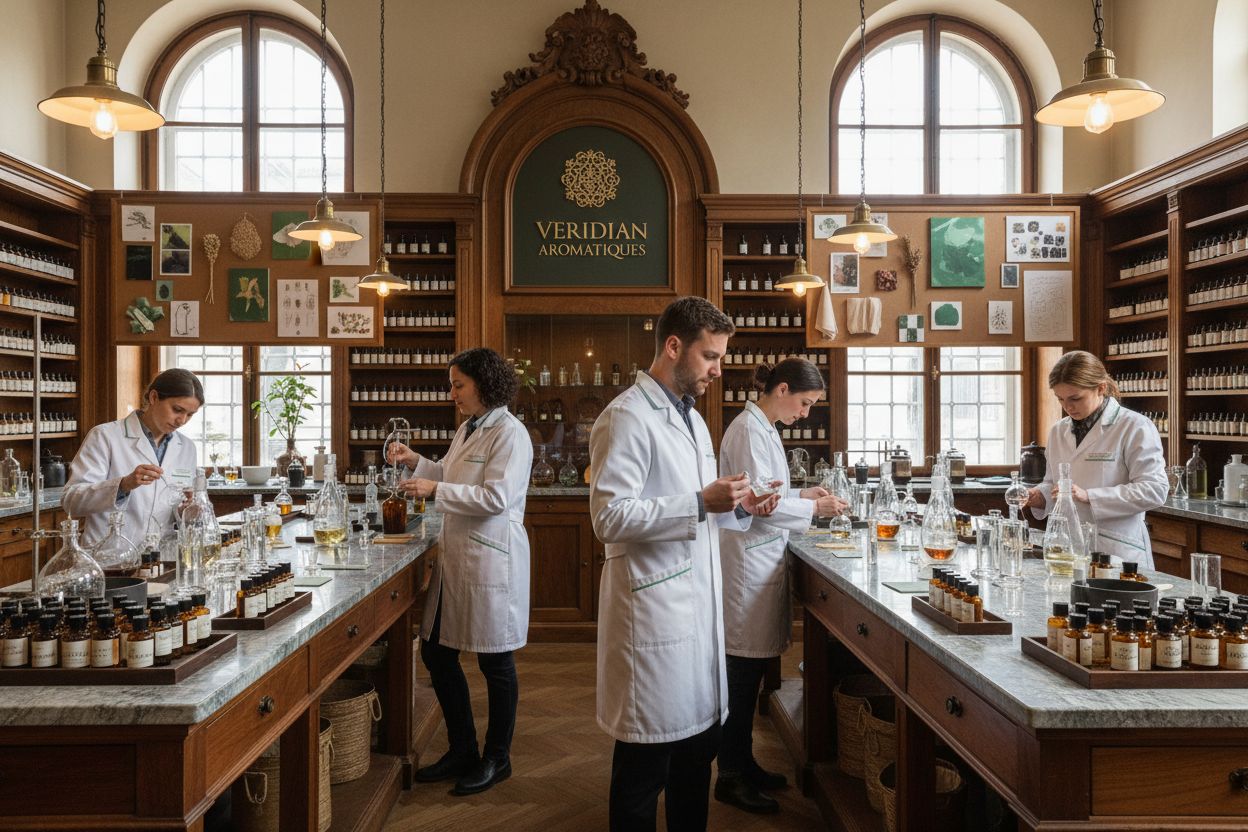
A perfume house represents a specialised enterprise dedicated to creating, developing, and producing distinctive fragrances with unique artistic and commercial identities. According to research from niche fragrance experts, these organisations are more than simple manufacturers - they are creative laboratories where olfactory artistry meets sophisticated commercial vision.
At their core, perfume houses like Ormonde Jayne blend heritage, creativity, and technical expertise to craft memorable sensory experiences. Their key characteristics typically include:
- Independent fragrance creation process
- Distinct brand aesthetic and philosophy
- Commitment to high-quality raw materials
- Innovative scent development techniques
- Global distribution networks
Perfume houses range from centuries-old establishments with generational expertise to contemporary niche creators pushing creative boundaries. Some, like the Anglo-French house Creed, embody a rich tradition of fragrance craftsmanship spanning multiple generations, while others represent modern interpretations of scent design that challenge traditional perfumery conventions. These organisations are essentially the haute couture of the fragrance world - transforming aromatic ingredients into wearable art that tells a complex, nuanced story.
Major Types of Perfume Houses Compared
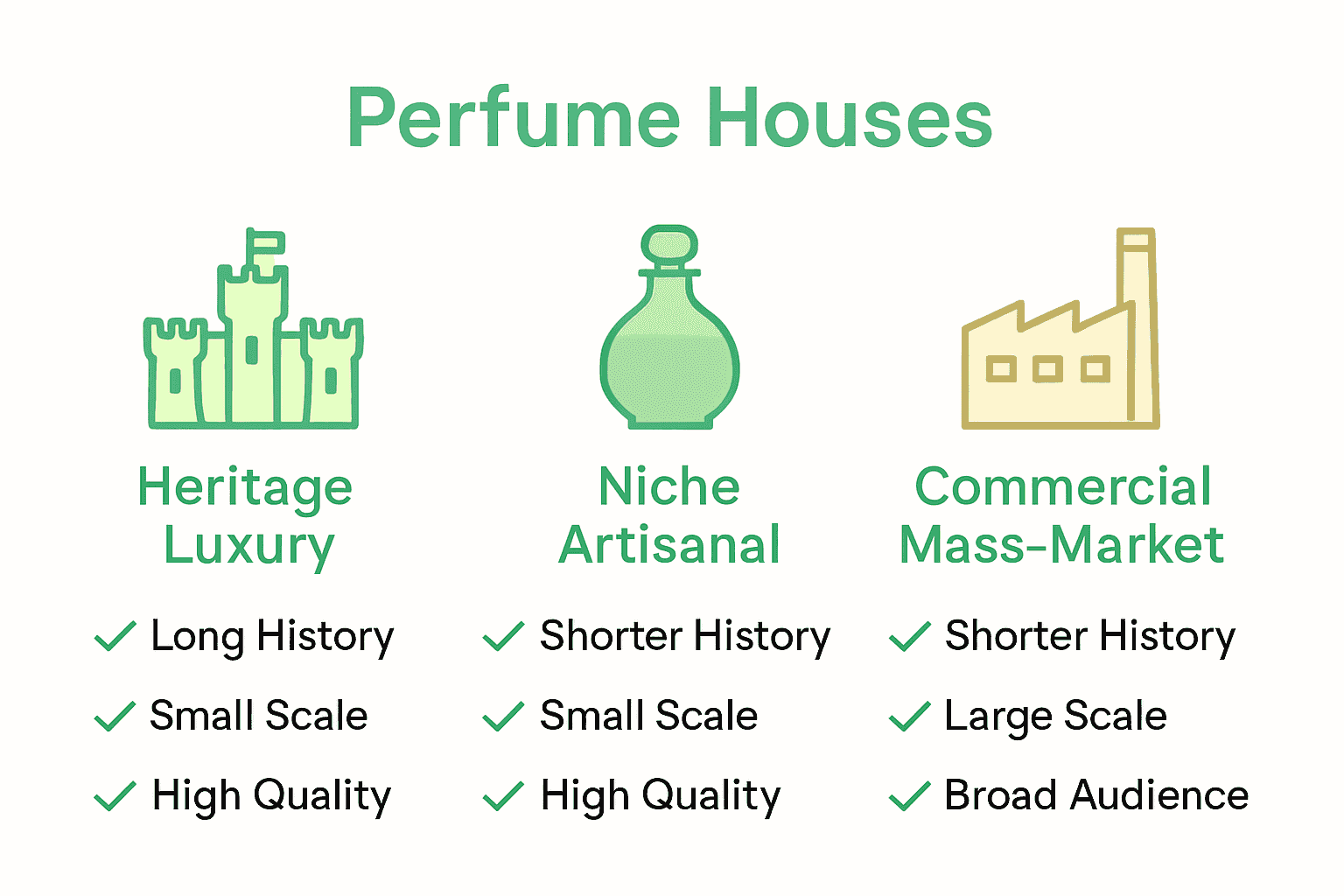
Perfume houses can be broadly categorised into three primary types: heritage luxury, niche artisanal, and commercial mass-market houses. Each represents a distinct approach to fragrance creation, targeting different consumer segments and embodying unique philosophies of scent design.
In the heritage luxury segment, exemplified by houses like Creed’s multi-national brand, perfume houses showcase generational expertise and time-honoured craftsmanship. These establishments typically feature:
- Centuries of fragrance-making tradition
- Exclusive, limited production runs
- Premium ingredient sourcing
- Highly personalised customer experiences
- Strong brand storytelling and legacy
Contrasting with heritage brands, niche perfume houses like Ormonde Jayne represent a more contemporary, experimental approach. These smaller, often independent creators focus on innovative scent compositions, unique creative directions, and catering to discerning fragrance enthusiasts who seek distinctive olfactory experiences beyond mainstream offerings. Their hallmarks include small-batch production, unconventional ingredient combinations, and a strong emphasis on artistic expression over commercial mass appeal.
Ultimately, each perfume house type offers a different lens through which to appreciate fragrance - from timeless elegance to cutting-edge creativity, providing consumers with a rich, diverse olfactory landscape that celebrates the art of scent design.
Here’s a comparison of the main types of perfume houses:
| Feature | Heritage Luxury | Niche Artisanal | Commercial Mass-Market |
|---|---|---|---|
| Brand History | Centuries-old legacy | Contemporary, independent | Major global brands |
| Craftsmanship Focus | Traditional techniques | Experimental, innovative | High-volume production |
| Production Scale | Limited, exclusive runs | Small batches | High capacity, wide reach |
| Ingredient Quality | Premium, rare sourcing | Unconventional, unique | Standard, cost-effective |
| Brand Storytelling | Strong heritage narrative | Creative vision led | Emphasises accessibility |
| Target Audience | Discerning collectors | Fragrance enthusiasts | Mass-market consumers |
How Perfume Houses Create Fragrances
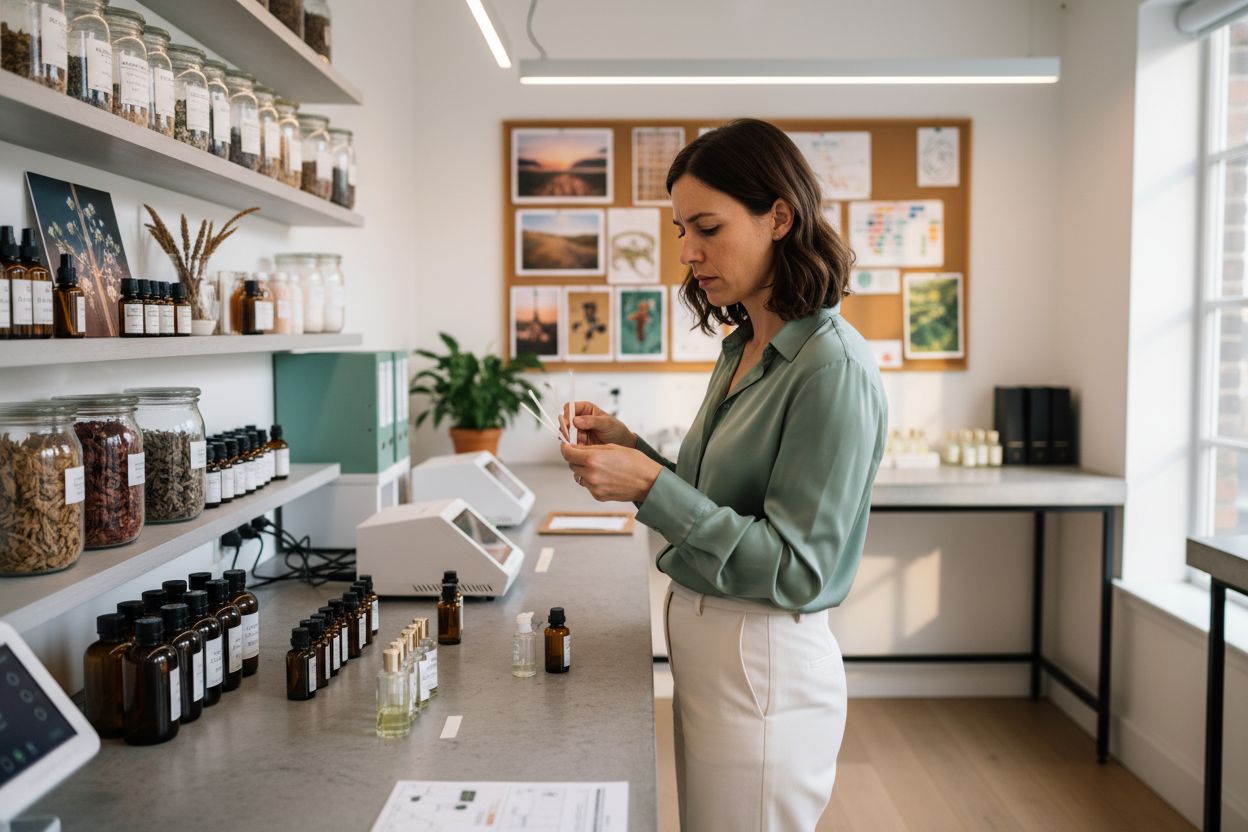
Fragrance creation is a meticulous art form that blends scientific precision with creative imagination. Perfume development begins with a conceptual brief that outlines the desired emotional landscape, target demographic, and sensory experience the fragrance aims to evoke. According to research exploring fragrance challenges, perfumers typically undergo dozens of experimental modifications to craft a single signature scent.
The technical process involves several intricate stages:
- Initial concept development
- Raw material selection
- Precise ingredient blending
- Multiple prototype iterations
- Sensory and emotional testing
Modern technology has revolutionised fragrance creation, with cutting-edge neuroscience now playing a significant role. Contemporary perfume houses are leveraging advanced techniques like AI and emotional mapping to understand how specific scent combinations trigger psychological responses. Researchers are using sophisticated EEG technologies to analyse consumer neurological reactions, helping perfumers design fragrances that connect more deeply with human emotional experiences.
Ultimately, creating a fragrance is about storytelling through scent. Each perfume represents a complex narrative - combining botanical essences, chemical expertise, and artistic vision into a liquid expression that can transport, transform, and transcend the ordinary sensory experience.
Quality, Authenticity, and Safety Standards
Quality control in perfumery represents a complex ecosystem of regulatory compliance, scientific precision, and consumer protection. The fragrance industry operates under stringent international standards that mandate comprehensive testing and transparent ingredient disclosure to ensure consumer safety and product integrity.
Authenticity verification involves multiple critical elements:
- Precise chemical composition analysis
- Allergen threshold monitoring
- Raw material traceability
- Consistent sensory performance
- Compliance with international regulations
According to recent regulatory developments, fragrance manufacturers must adhere to strict safety protocols, including comprehensive allergen labeling and ingredient transparency. The International Fragrance Association (IFRA) continually updates safety standards, with recent amendments requiring manufacturers to disclose specific chemical compounds and potential sensitivities.
Beyond regulatory compliance, authenticity in perfumery represents a commitment to craftsmanship. Reputable perfume houses invest extensively in quality control processes, employing sophisticated analytical techniques to ensure each fragrance meets exacting standards of purity, consistency, and sensory excellence. This meticulous approach protects consumers and maintains the artistic integrity of fragrance creation, transforming scent production from mere manufacturing to a refined, scientifically-driven art form.
Perfume Houses vs. Dupes and Alternatives
The landscape of fragrance consumption has dramatically evolved, creating a nuanced marketplace where original perfume houses and fragrance alternatives coexist in complex economic and creative tension. While traditional perfume houses represent centuries of craftsmanship and artistic innovation, dupes offer accessible interpretations that challenge established market dynamics.
Key differences between perfume houses and alternatives include:
- Ingredient quality and sourcing
- Creative development process
- Brand heritage and storytelling
- Price point and accessibility
- Intellectual property considerations
Exploring the world of fragrance alternatives reveals a compelling narrative of consumer choice and market adaptation. Original perfume houses invest extensively in unique formulations, rare ingredients, and intricate production techniques, whereas dupes focus on capturing similar olfactory profiles at significantly reduced prices.
Ultimately, the relationship between perfume houses and their alternatives is not purely antagonistic but represents a dynamic ecosystem of innovation. While original houses protect their intellectual property and maintain premium positioning, alternatives democratise fragrance experiences, allowing consumers with diverse economic backgrounds to explore sophisticated scent profiles. This evolution challenges traditional luxury paradigms, forcing perfume houses to continuously reinvent their value propositions and engage more directly with changing consumer expectations.
Discover the True Essence of Quality Fragrances Today
Understanding the intricate world of perfume houses reveals just how challenging it is to find authentic, high-quality scents that truly resonate. Many fragrance enthusiasts struggle with distinguishing genuine creations from lower-quality alternatives and dupes while seeking a scent that embodies heritage, craftsmanship, and innovation. If you value premium ingredients, distinct creative vision, and the authentic storytelling behind every perfume, settling for anything less can feel disappointing.
At Alexandria UK, we appreciate your desire for excellence and offer a curated collection inspired by celebrated perfume houses. Whether you are fascinated by the heritage luxury segment or intrigued by niche, artisanal creations, we provide fragrances that balance quality with accessibility to meet your unique preferences.
Explore our offerings to immerse yourself in scents that celebrate both craftsmanship and authentic olfactory experiences.
Begin your journey towards discovering exclusive scents that combine artistry with value. Visit our main site now to experience how passion for perfume meets quality you can trust. Act now to embrace fragrances that elevate your everyday moments and reflect your individuality.
Frequently Asked Questions
What defines a perfume house?
A perfume house is an organization focused on creating, developing, and producing unique fragrances, blending creative artistry with commercial vision and identity.
What are the main types of perfume houses?
The main types of perfume houses include heritage luxury, niche artisanal, and commercial mass-market houses, each providing distinct approaches to fragrance creation and targeting different consumer segments.
How do perfume houses create fragrances?
Perfume houses create fragrances through a meticulous process that includes initial concept development, raw material selection, precise blending, multiple prototype iterations, and sensory testing, often incorporating advanced technology and neuroscience.
What is the importance of quality and authenticity in perfumery?
Quality and authenticity in perfumery are vital for consumer safety and product integrity. Perfume houses adhere to stringent regulations, focusing on ingredient transparency, precise chemical analysis, and consistent sensory performance to maintain artistic integrity.