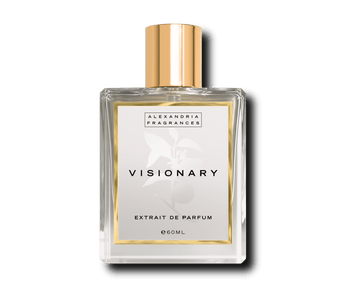

Fragrance House Explained: Quality Dupes in the UK
Finding luxury scents without paying designer prices has become a smart passion among british fragrance lovers. With over 60 percent of UK consumers now choosing fragrance dupes over expensive originals, the world of british fragrance houses offers both artistry and affordability. This guide reveals how these unique british institutions shape everything from classic scents to innovative dupes, helping you find high-quality perfumes for yourself or thoughtful gifts without sacrificing the story behind every bottle.
Table of Contents
- What Defines A Fragrance House?
- Types Of Fragrance Houses In Britain
- How Fragrance Dupes Are Created
- Quality Standards And Regulatory Safety
- Comparing Dupes, Originals, And Counterfeits
Key Takeaways
| Point | Details |
|---|---|
| Understanding Fragrance Houses | Fragrance houses blend artistic creativity with scientific precision, involving collaboration among various professionals to create unique scents. |
| Types of British Fragrance Houses | British fragrance houses can be classified into heritage, independent artisan, and contemporary designer categories, each with distinct characteristics and market approaches. |
| Fragrance Dupes vs Originals | Fragrance dupes offer budget-friendly alternatives to original scents while adhering to legal standards, unlike counterfeits, which are illegal and unregulated. |
| Quality and Regulatory Standards | The fragrance industry maintains high safety and quality guidelines, ensuring that products meet stringent regulatory requirements for consumer protection. |
What Defines a Fragrance House?
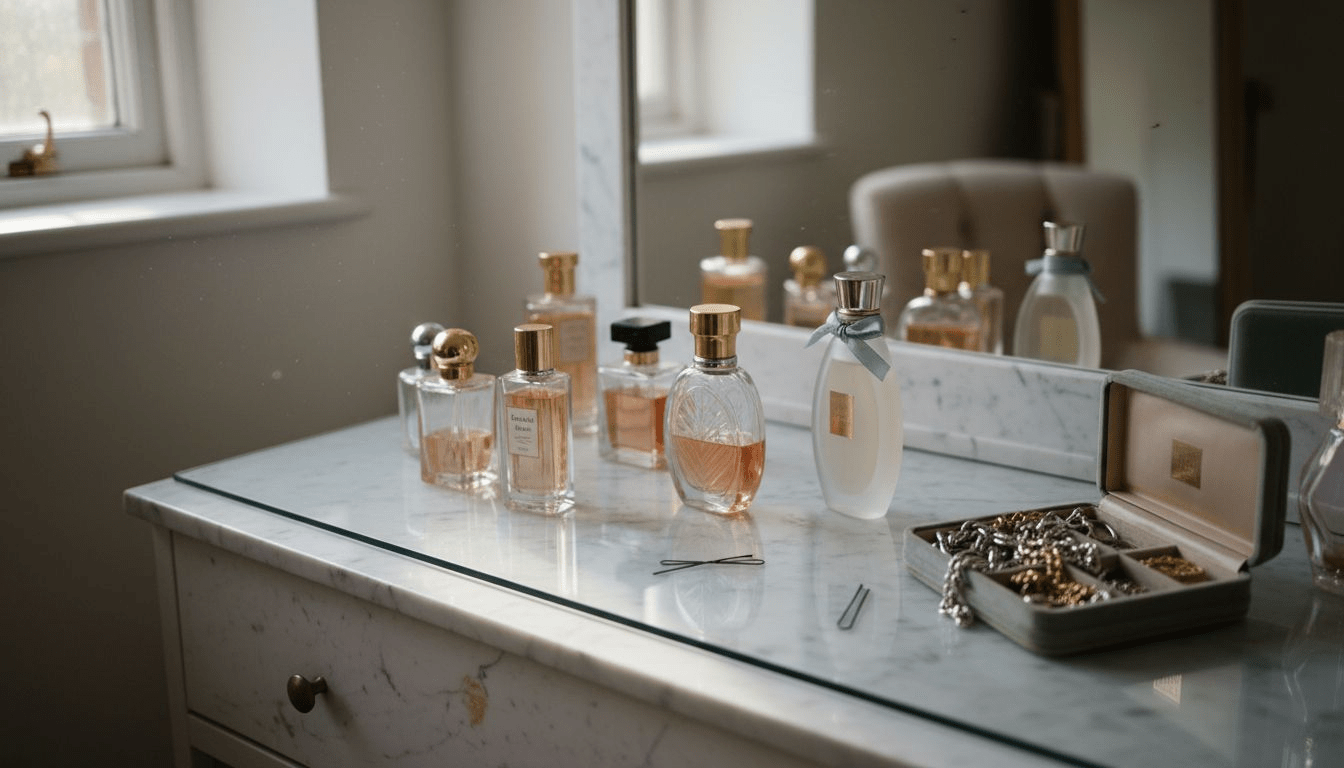
A fragrance house represents far more than a simple perfume manufacturer - it is an intricate ecosystem of artistic creativity and scientific precision. Sophisticated perfume creation involves multiple specialised professionals working collaboratively to transform raw aromatic ingredients into captivating sensory experiences.
At its core, a fragrance house comprises several essential components: master perfumers (known as ‘noses’), chemists, researchers, marketers, and production specialists. These professionals collaborate to conceptualise, develop, test, and ultimately bring fragrances to market. Unlike standard manufacturing operations, fragrance houses blend scientific methodology with artistic expression, treating scent creation as both a technical craft and an emotional art form.
Fragrance houses can be categorised into distinct types, each with unique characteristics and market positioning. Independent fragrance houses often prioritise artistic innovation and niche market appeal, while designer houses typically align their scents with broader fashion branding strategies. Some fragrance houses specialise in creating bespoke, limited-edition collections, whereas others focus on developing mass-market commercial fragrances that appeal to wider consumer demographics.
Pro tip: When exploring fragrance houses, look beyond the scent itself and appreciate the complex creative process that transforms simple aromatic compounds into memorable olfactory experiences.
Types of Fragrance Houses in Britain
The United Kingdom boasts a rich and diverse landscape of fragrance houses, characterised by their unique approach to scent creation and market positioning. British fragrance innovation has consistently pushed boundaries, particularly in developing gender-neutral and inclusive fragrances that reflect contemporary consumer values.
British fragrance houses can be broadly categorised into three primary types: heritage establishments, independent artisan houses, and contemporary designer brands. Heritage fragrance houses like Penhaligon’s and Creed represent centuries of traditional perfumery, maintaining meticulous craftsmanship and royal warrant connections. Independent artisan houses focus on small-batch, experimental fragrances with unique ingredient combinations, often prioritising sustainability and ethical production methods.
Contemporary designer fragrance houses in Britain represent a dynamic segment of the market, blending innovative marketing strategies with cutting-edge scent development. These brands frequently target younger demographics, emphasising digital engagement, unisex appeal, and transparent ingredient sourcing. Many British fragrance houses are now leading global conversations around sustainability, ethical production, and inclusive design, positioning the UK as a progressive hub for olfactory creativity.
Pro tip: When exploring British fragrance houses, consider not just the scent, but the brand’s commitment to innovation, sustainability, and cultural storytelling.
Here is a comparison of the primary types of British fragrance houses and their distinctive features:
| Type of Fragrance House | Defining Characteristics | Notable Examples |
|---|---|---|
| Heritage | Centuries-old traditions, royal warrants | Penhaligon’s, Creed |
| Independent Artisan | Small-batch, experimental, ethical focus | 4160 Tuesdays, Miller Harris |
| Contemporary Designer | Innovative, digital engagement, unisex scents | Jo Malone London, Floral Street |
How Fragrance Dupes Are Created
The art of creating fragrance dupes is a sophisticated process that combines scientific precision with creative artistry. Quality fragrance duplication requires expert perfumers to deconstruct and analyse the complex chemical composition of original designer scents, identifying the precise combination of aromatic compounds that create a distinctive olfactory experience.

Perfume duplication begins with an intricate analysis of the original fragrance’s scent pyramid - understanding the top, heart, and base notes that define its unique character. Skilled perfumers use advanced gas chromatography and mass spectrometry techniques to break down the molecular structure of high-end fragrances. This scientific approach allows them to identify key aromatic ingredients and their precise proportions, enabling the creation of remarkably similar alternative fragrances at a more accessible price point.
The challenge in creating exceptional fragrance dupes lies in balancing chemical similarity with legal and ethical considerations. Perfumers must navigate complex intellectual property regulations while ensuring the duplicate scent captures the essence of the original fragrance. This involves selecting alternative ingredients that closely mimic the sensory profile, maintaining similar molecular interactions and olfactory characteristics. Modern dupe manufacturers employ sophisticated blending techniques, using high-quality synthetic and natural ingredients to create fragrances that provide a near-identical aromatic experience to their luxury counterparts.
Pro tip: Always test a fragrance dupe on your skin, as individual body chemistry can significantly alter the final scent experience.
Quality Standards and Regulatory Safety
The fragrance industry operates under stringent regulatory frameworks that prioritise consumer safety and product integrity. Fragrance production standards in the United Kingdom are particularly robust, with comprehensive testing protocols designed to protect consumer health and ensure exceptional product quality.
Regulatory compliance in fragrance production involves multiple layers of scientific scrutiny. The European Union’s Registration, Evaluation, Authorisation and Restriction of Chemicals (REACH) regulation provides a comprehensive framework for assessing chemical safety. Fragrance manufacturers must conduct extensive toxicological assessments, evaluating potential allergens, skin sensitisation risks, and long-term health implications. These rigorous standards require detailed documentation of every ingredient, including its origin, molecular composition, and potential interaction with human physiology.
Quality control extends beyond chemical safety to include sensory performance and consistency. Advanced testing facilities utilise sophisticated analytical instruments like gas chromatography and mass spectrometry to ensure that fragrances maintain precise molecular profiles. This scientific approach allows manufacturers to create products that not only meet safety standards but also deliver consistent aromatic experiences across different production batches. Regulatory bodies like the International Fragrance Association (IFRA) further reinforce these standards by establishing global guidelines for responsible fragrance manufacturing.
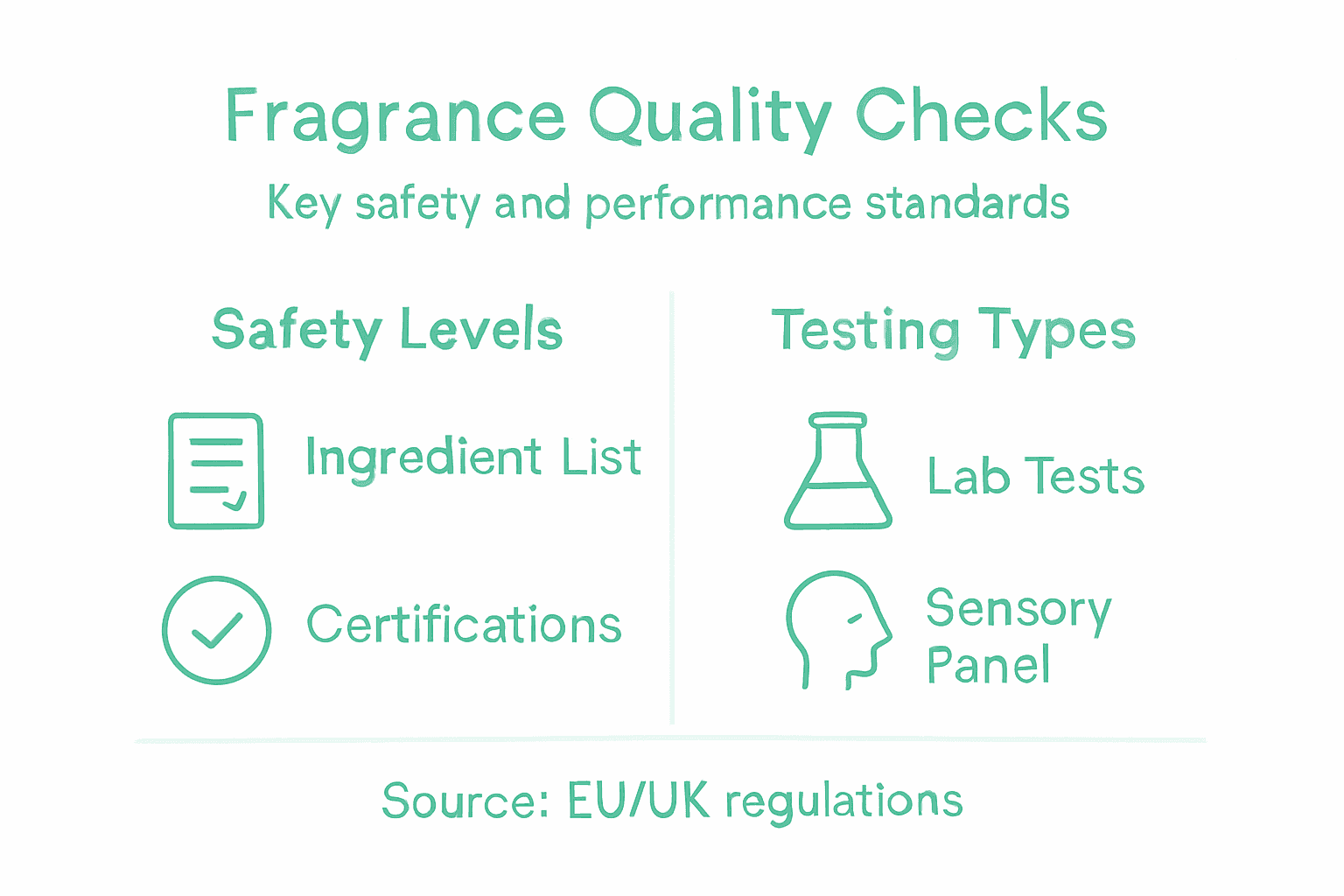
Pro tip: Always check the ingredient list and look for certifications from recognised regulatory bodies when purchasing fragrances.
Comparing Dupes, Originals, and Counterfeits
Understanding the distinctions between fragrance dupes, original perfumes, and illegal counterfeits is crucial for informed consumer choices. Fragrance authenticity insights reveal a nuanced landscape where ethical alternatives coexist with deceptive imitations.
Fragrance dupes represent legitimate, legally produced alternatives that capture the essence of high-end perfumes at a more accessible price point. These products are carefully engineered to mimic the olfactory profile of original fragrances while using different ingredient combinations. Unlike counterfeits, which illegally copy brand packaging and trademarks, dupes focus on recreating the scent experience through innovative formulation techniques. They operate within legal boundaries, respecting intellectual property laws while offering budget-conscious consumers a comparable sensory experience.
Counterfeits, in stark contrast, represent illegal reproductions that fraudulently use original brand packaging, logos, and marketing materials. These products not only violate trademark laws but also pose significant risks to consumer safety. Unregulated manufacturing processes can introduce potentially harmful ingredients, with no quality control or safety testing. While original fragrances undergo rigorous development processes and maintain consistent quality standards, counterfeits operate in an unregulated space that prioritises cheap production over consumer protection.
Pro tip: Always purchase fragrances from reputable retailers and check for official authentication markers to ensure product quality and safety.
To clarify distinctions among fragrance dupes, originals, and counterfeits, examine the key differences below:
| Product Type | Legality & Safety | Formulation Approach | Consumer Risk |
|---|---|---|---|
| Original | Fully legal, highly regulated | Unique composition, strict standards | Minimal—quality and safety assured |
| Dupe | Legal, quality controlled | Scent recreation using alternatives | Low—if purchased from reputable brands |
| Counterfeit | Illegal, unregulated | Often poor imitations, no standards | High—unknown ingredients, unsafe |
Discover Quality Fragrance Dupes Backed by Expertise
Navigating the complex world of fragrance houses and distinguishing between authentic scents, dupes, and unsafe counterfeits can be challenging. If you are seeking high-quality fragrance dupes in the United Kingdom that respect safety standards and deliver captivating olfactory experiences, you are not alone. Many perfume enthusiasts share concerns about ingredient transparency, regulatory compliance, and the true scent replication described in the article “Fragrance House Explained: Quality Dupes in the UK.”
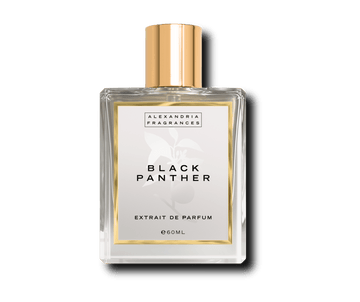
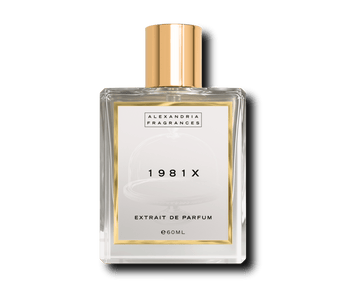
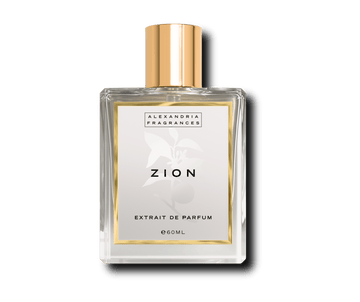
At Alexandria UK, we prioritise quality and authenticity, offering carefully crafted perfume dupes that mirror iconic fragrances without compromising on safety or legality. Our collections reflect the dedication you read about in mastering scent pyramids and scientific precision. Experience premium fragrances developed with transparency and ethical focus, inspired by the heritage and innovation of British fragrance houses.
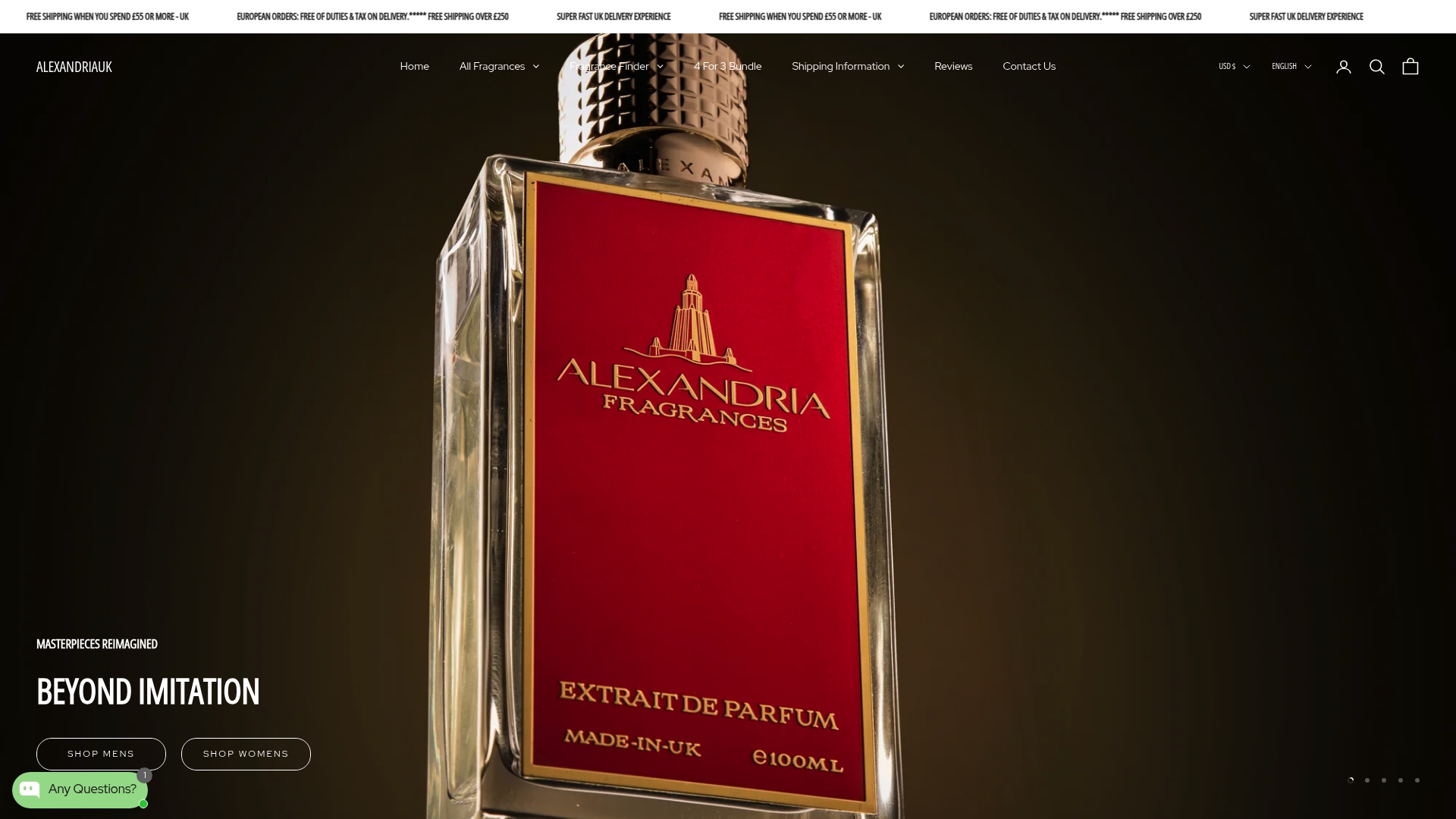
Explore our trusted range and join thousands who choose smart fragrance choices that respect your skin and budget. Visit Alexandria UK today and find your perfect scent alternative. Don’t wait—embrace quality and authenticity now to elevate your fragrance journey with confidence.
Frequently Asked Questions
What is a fragrance house?
A fragrance house is an establishment that combines artistic creativity and scientific precision to create perfumes. It typically consists of master perfumers, chemists, researchers, and production specialists working together to develop unique scent experiences.
How are fragrance dupes created?
Fragrance dupes are created by expert perfumers who analyse the chemical composition of original scents. They use advanced techniques like gas chromatography to identify key aromatic compounds and then replicate them while ensuring legal compliance and safety.
What are the differences between original fragrances, dupes, and counterfeits?
Original fragrances are legally produced, rigorously tested scents that meet high-quality standards. Dupes are legitimate alternatives that mimic the scent of originals at a lower price. Counterfeits are illegal imitations that use fake branding and may be unsafe due to unregulated production.
What quality standards do fragrance houses adhere to?
Fragrance houses are governed by stringent regulatory frameworks that ensure consumer safety and product integrity. They conduct extensive toxicological assessments and maintain quality control through advanced testing methods to ensure consistent scent profiles and safe ingredients.