Artikel: Parfums de Marly Pegasus: The Complete Guide to the Fragrance and the Best Extrait Dupe
Parfums de Marly Pegasus: The Complete Guide to the Fragrance and the Best Extrait Dupe
Parfums de Marly Pegasus: The Complete Guide to the Fragrance and the Best Extrait Dupe
Few fragrance houses have built a name for themselves as quickly, or as dramatically, as Parfums de Marly. Styled after the opulence of 18th-century French royalty and the Château de Marly itself, the house has made a habit of naming its creations after legendary horses — a nod to the grandeur of the royal stables. Layton, Herod, Percival and Pegasus all carry that equestrian thread, but Pegasus stands apart. Named for the mythical winged horse of Greek legend rather than a flesh-and-blood racehorse, it is the house's most romantic, most unusual idea: a fougère built not around moss and lavender alone, but around a warm, almond-sweet heart that most fragrances in the category simply don't attempt.
Released in 2011 and composed by perfumer Hamid Merati-Kashani, Pegasus has quietly become one of Parfums de Marly's most enduring creations — less talked about than Layton, but adored by the people who find it. This guide walks through where the fragrance comes from, what it actually smells like, who it suits, and where to find Alexandria's own interpretation, Greek Horse, if you want that same character in a long-lasting Extrait de Parfum.
The story behind the name
In Greek mythology, Pegasus was born from the blood of Medusa and carried thunderbolts for Zeus — a creature of both beauty and power, equally at home in the sky as on the ground. It's a fitting name for a fragrance that doesn't sit comfortably in one lane. Parfums de Marly describes Pegasus as a scent for the modern gentleman who carries himself with quiet authority, and the composition backs that up: it opens soft and almost gourmand, then settles into something far more structured and dignified. There's an argument that Pegasus is one of the more unisex fragrances in the Parfums de Marly men's range, too — the almond and vanilla read just as beautifully on women who gravitate toward warm, ambery scents as they do on the men the bottle is marketed to.
Pegasus belongs to the fougère family, traditionally built on a backbone of lavender, coumarin and oakmoss. What makes it memorable is how Merati-Kashani bends that formula: instead of leaning into the sharp, barbershop freshness fougères are known for, Pegasus is softened considerably by almond and vanilla, giving it a marzipan-like warmth that's closer to a gourmand than a classic aromatic fougère. It's a clever piece of perfumery — familiar enough to feel instantly wearable, distinctive enough to stand out from a crowded shelf of men's fragrances built on the same bones.
What Pegasus actually smells like
The opening is immediate and a little unexpected: a bright, slightly bitter almond note, lifted by zesty bergamot and a dusty whisper of cumin. It's warm rather than fresh, and the almond carries a faint marzipan sweetness that sets the tone for everything that follows.
As the top notes settle, the fougère heart comes through properly — cool lavender and rich jasmine, softened by a dusting of heliotrope, which adds a powdery, slightly sweet floral note that bridges the almond opening with the warmth to come. This is the part of the fragrance that nods hardest to the fougère tradition, but it never feels austere; the florals keep it rounded and approachable rather than sharp.
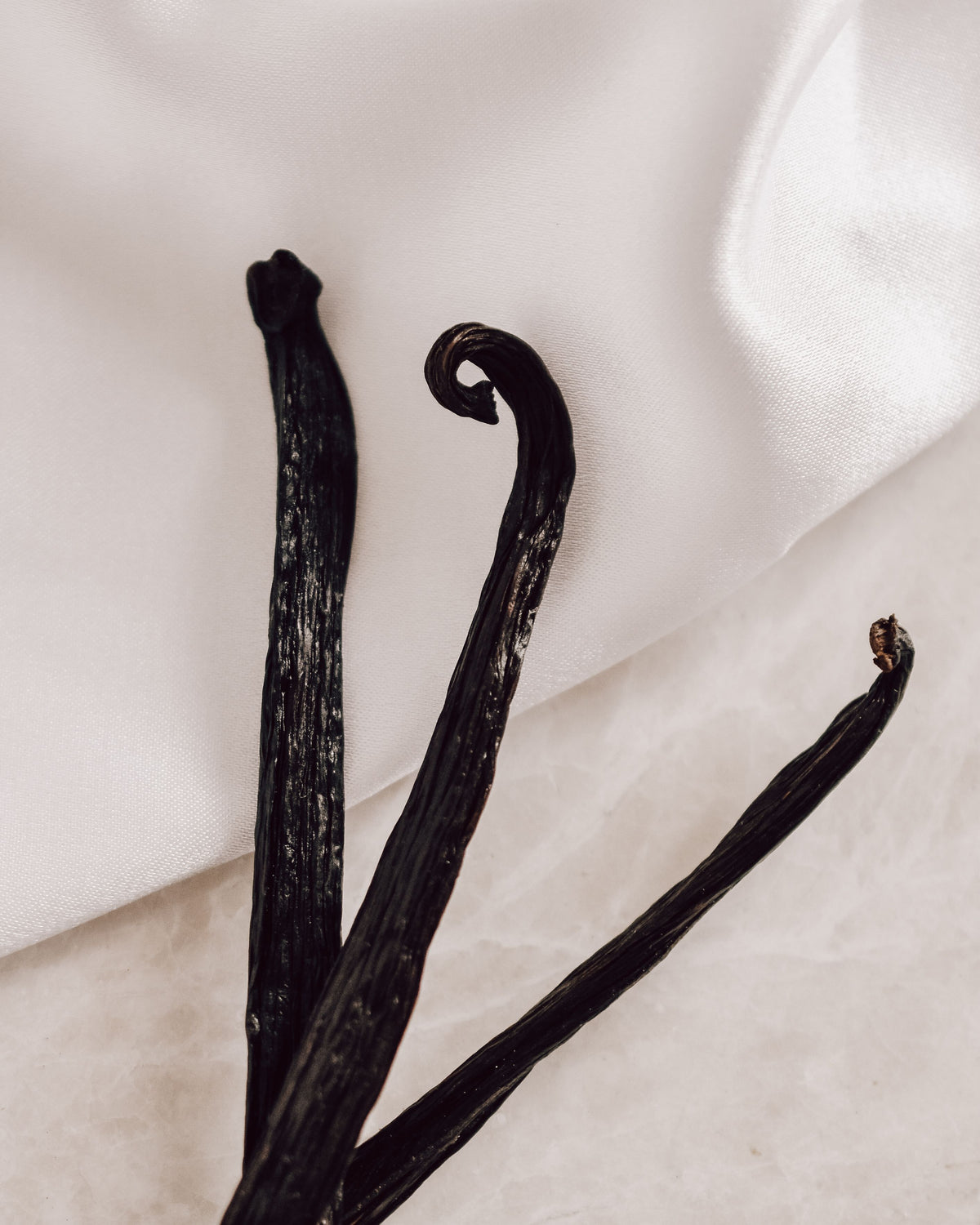
The base is where Pegasus becomes genuinely memorable. A rich, creamy vanilla takes the lead, wrapped in amber and a soft sandalwood that keeps the whole thing from tipping into dessert territory. It's warm, slightly sweet and deeply comforting — the kind of dry-down that lingers on a scarf or jacket for hours after you've stopped noticing it yourself. Fans often describe it as smelling like good vanilla ice cream filtered through something far more sophisticated, and that's a fair way to put it.
Who Pegasus suits
Pegasus rewards people who want a signature scent rather than something to blend into the background. It's a strong recommendation for anyone who finds classic fougères like Dior Sauvage or the aromatic end of the market a little too clean and wants something with more depth and sweetness, without going full gourmand into cake-and-caramel territory. The almond-vanilla-amber base also makes it a natural choice for autumn and winter, though the bergamot and lavender keep it from feeling heavy in cooler spring evenings too.
It's confident without being loud — the kind of fragrance that gets noticed in close company rather than announcing itself across a room, which is exactly the effect Parfums de Marly tends to aim for across its whole range.
Alexandria's Greek Horse: the Extrait de Parfum alternative
Original Parfums de Marly fragrances come at a genuinely high price point, which is part of why so many fragrance lovers go looking for a well-made alternative rather than giving the scent up altogether. That's where Greek Horse, Alexandria's interpretation of Pegasus, comes in.
Greek Horse follows the same structure that makes the original so distinctive — almond and bergamot at the top, a lavender-jasmine-heliotrope heart, and that signature vanilla-sandalwood-amber base — but it's crafted as an Extrait de Parfum, the highest, most concentrated, longest-lasting form of fragrance available. Where many designer fragrances (Pegasus included) are released as Eau de Parfum, Alexandria builds its entire range to Extrait concentration as standard. In practice, that means the almond opening settles more slowly, the vanilla-amber base projects further and holds longer on skin, and you get a genuinely full day's wear from a single application rather than needing to reapply by the afternoon.
It's also made with the same craftsmanship and ingredient quality across Alexandria's full catalogue: hand-poured in England, bottled in bespoke glass with a spot-UV label design, and built to be judged on how it actually performs rather than on the name on the box. If you've worn the original and loved the almond-vanilla character but want that same warmth without the price tag of a niche French house, Greek Horse is designed to close that gap properly rather than offer a thin approximation.
Finding your match
Pegasus isn't the only Parfums de Marly fragrance built around a warm, gourmand-adjacent idea — if you're drawn to the amber and vanilla in Pegasus, it's worth exploring Alexandria's wider Oriental Fragrances collection, which gathers the warmest, most amber-forward scents in the range. And if you're still working out which original fragrance matches your taste before committing to a bottle, the Ultimate UK Perfume Dupe List is a good place to browse the full range of designer-inspired options side by side.
Frequently Asked Questions
Is Parfums de Marly Pegasus unisex?
It's marketed as part of the men's range, but the almond, vanilla and amber character wears beautifully on women too, particularly those who like warm, ambery fragrances over classic florals. Plenty of fragrance enthusiasts consider it one of the more genuinely shareable scents in the Parfums de Marly lineup.
What does Pegasus by Parfums de Marly smell like?
It opens with bitter almond, bergamot and a touch of cumin, moves through a lavender and jasmine fougère heart softened by heliotrope, and settles into a warm, creamy base of vanilla, sandalwood and amber. Expect something closer to a sophisticated, grown-up marzipan than a traditional barbershop fougère.
How long does the scent last?
The original Eau de Parfum has solid longevity thanks to its amber-vanilla base, typically lasting a full working day on skin. Alexandria's Greek Horse is built as an Extrait de Parfum specifically to extend that further, since the highest concentration of fragrance oil is what gives any scent its lasting power and projection.
Why is Pegasus named after a mythical horse rather than a real racehorse?
Most of the Parfums de Marly men's range is named after celebrated racehorses from the history of the Château de Marly's royal stables, but Pegasus breaks that pattern deliberately. The mythical winged horse was chosen to reflect the fragrance's more fantastical, almost otherworldly warmth — a scent that behaves a little differently to the rest of the stable.
Is Greek Horse a good match if I've never tried the original?
Yes — Greek Horse is built to the same note structure and is a genuinely good starting point for anyone curious about warm, almond-vanilla fougères, not just existing Pegasus fans. Because it's made to Extrait de Parfum strength, it also gives a true sense of how the composition is meant to perform at full concentration, which an Eau de Parfum alone won't always show you.