

What Is the Most Popular Women's Perfume? Explained
The british perfume scene is more influential than many realise, with over 70 percent of women in the UK reporting that fragrance plays a vital part in their personal style. Perfume is not just about smelling good. It shapes memories, boosts confidence, and becomes a signature for countless women. Exploring what drives a fragrance to reach iconic status reveals everything from clever marketing to the subtle power of jasmine or vanilla notes, offering fresh insight into what truly makes a scent stand out.
Table of Contents
- Defining Women’s Perfume Popularity Factors
- Top-Selling Fragrances in the UK Market
- Fragrance Types: Eau de Parfum, Eau de Toilette
- How Dupes and Inspired Scents Compare
- Buying Tips for Quality and Longevity
Key Takeaways
| Point | Details |
|---|---|
| Factors Influencing Popularity | Women’s perfume popularity hinges on fragrance notes, brand reputation, and emotional storytelling, creating a complex interplay between scent and personal identity. |
| Market Trends in the UK | The UK fragrance market favours perfumes that blend classic elegance with contemporary elements, showcasing diverse preferences and emotional connections. |
| Understanding Fragrance Concentrations | Eau de Parfum offers greater longevity and complexity compared to Eau de Toilette, influencing choices based on personal preference and occasion. |
| Rise of Dupes and Inspired Scents | Inspired scents provide affordable alternatives to luxury fragrances, appealing to consumers seeking quality without prohibitive costs. |
Defining Women’s Perfume Popularity Factors
Understanding what makes a women’s perfume popular involves exploring multiple nuanced factors that extend far beyond simple fragrance composition. Popularity in the perfume world is a complex interplay of sensory experience, emotional resonance, and cultural perception that transforms a scent from merely pleasant to universally coveted.
The foundational elements driving women’s perfume popularity typically encompass several key dimensions. Fragrance notes play a critical role, with certain olfactory combinations creating more universal appeal. Floral and fruity accords, for instance, consistently rank highly among women’s preferences, offering delicate yet sophisticated sensory experiences. Fragrances that balance complexity with approachability often emerge as widespread favourites. Professional fragrance analysts suggest that scents featuring versatile notes like jasmine, vanilla, and bergamot tend to attract broader audiences by providing familiar yet intriguing olfactory profiles.
Beyond pure scent composition, brand reputation and marketing significantly influence perfume popularity. Women’s fragrance trends demonstrate how cultural narratives and celebrity endorsements can transform a perfume from niche to mainstream. The emotional storytelling surrounding a fragrance often matters as much as its actual scent profile. Consumers increasingly seek perfumes that communicate personal identity, lifestyle aspirations, and contemporary sensibilities. A successful women’s fragrance must therefore transcend being merely a pleasant smell, becoming instead a statement of personal style and emotional expression.
Ultimately, perfume popularity emerges from a delicate alchemy of sensory perception, emotional connection, and cultural zeitgeist. The most celebrated fragrances are those that manage to capture something quintessential about feminine experience while remaining adaptable enough to resonate across diverse personal preferences and contexts.
Top-Selling Fragrances in the UK Market
The United Kingdom’s fragrance market represents a dynamic landscape where consumer preferences continuously evolve, reflecting sophisticated tastes and intricate purchasing patterns. The rise of UK perfumes demonstrates a robust ecosystem where traditional luxury brands coexist with innovative newcomers, creating a multifaceted marketplace of olfactory offerings.
Market trends indicate that top-selling women’s fragrances in the UK typically balance classic elegance with contemporary sensibilities. Independent market research suggests that fragrances featuring complex, layered notes consistently outperform simpler compositions. Consumers increasingly seek perfumes that tell a story, offering more than mere pleasant aromas but presenting comprehensive sensory experiences that reflect individual personalities and lifestyle aspirations.
Understanding the nuanced preferences driving UK fragrance sales requires examining several critical factors. Price point, brand reputation, packaging design, and emotional narrative all contribute significantly to a perfume’s market success. Luxury brands like Chanel, Dior, and Jo Malone continue to dominate, while emerging niche fragrances are carving out dedicated consumer segments. The most successful fragrances demonstrate an ability to connect emotionally, offering consumers not just a scent, but a distinct identity and experiential journey.
Interestingly, the UK market shows a remarkable openness to diverse fragrance interpretations. From classic floral bouquets to modern woody-oriental blends, top-selling perfumes reflect a sophisticated consumer base that values both traditional craftsmanship and contemporary innovation. The most popular fragrances are those that manage to capture the delicate balance between timeless elegance and modern dynamism, resonating with a wide range of personal styles and preferences.
Fragrance Types: Eau de Parfum, Eau de Toilette
Understanding the nuanced world of fragrance concentrations is essential for perfume enthusiasts seeking the perfect scent experience. Different perfume types represent a sophisticated spectrum of olfactory expressions, each offering unique characteristics that dramatically influence a fragrance’s performance and perception.
Eau de Parfum (EDP) represents the gold standard of fragrance concentration, typically containing 15-20% pure perfume essence. Marie Claire’s fragrance insights highlight that these robust formulations offer remarkable longevity, often lasting between six to eight hours on the skin. The higher concentration of aromatic compounds ensures a more intense, complex scent profile that unfolds gradually, revealing intricate layers of top, heart, and base notes.
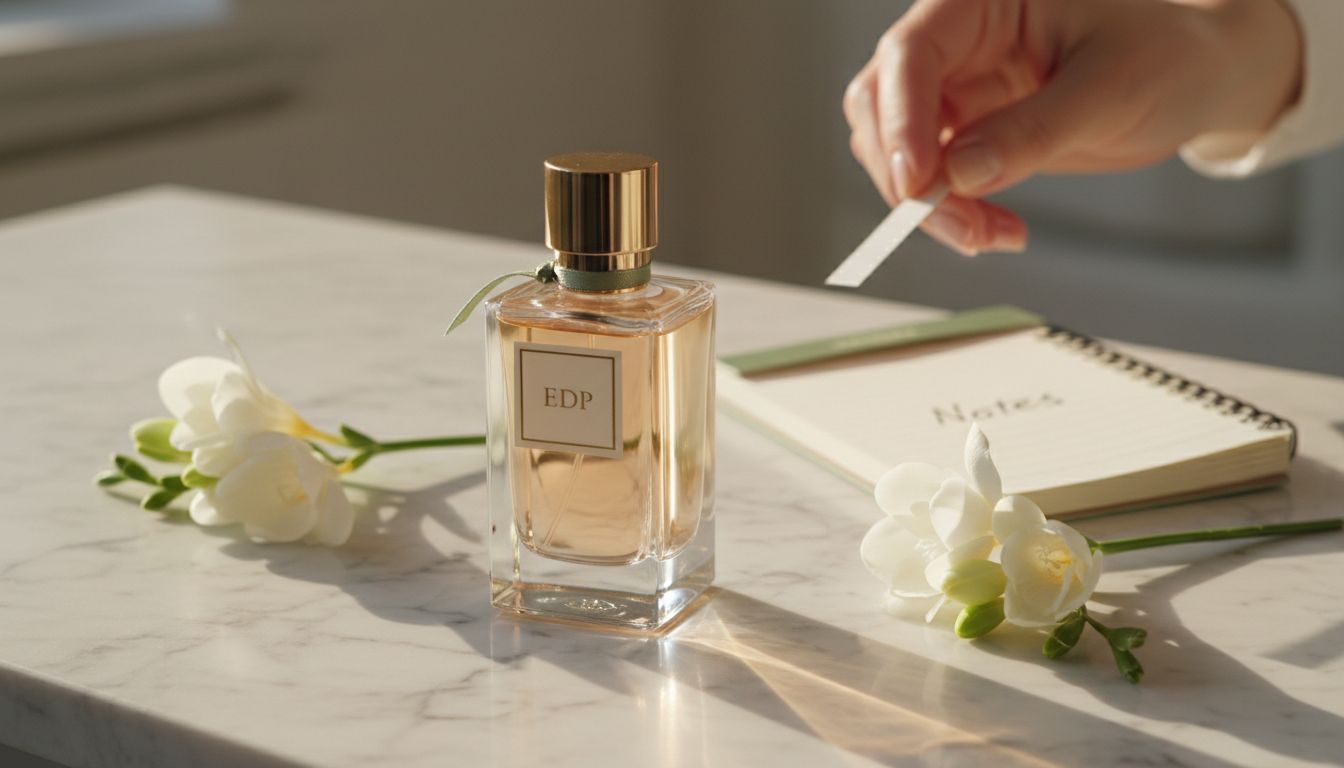
In contrast, Eau de Toilette (EDT) provides a lighter, more ephemeral fragrance experience. Typically containing 5-15% perfume essence, these variants offer a more subtle and refreshing interpretation of a scent. EDTs are particularly favoured for daytime wear, providing a delicate aromatic presence that doesn’t overwhelm the senses. They’re ideal for individuals seeking a more understated olfactory statement, perfect for professional environments or casual social interactions.
The selection between Eau de Parfum and Eau de Toilette ultimately depends on personal preference, occasion, and individual body chemistry. Some fragrances shine brilliantly in EDP format, revealing depth and complexity, while others are more nuanced and appealing in their lighter EDT variations. Sophisticated fragrance lovers understand that concentration is not merely about strength, but about creating a personalised sensory narrative that reflects individual style and emotional landscape.
How Dupes and Inspired Scents Compare
The world of fragrance has undergone a transformative shift with the emergence of inspired scents and dupes, offering consumers sophisticated alternatives to high-end designer perfumes. Fragrance dupes represent a growing trend that challenges traditional luxury perfume market dynamics, providing budget-conscious consumers with remarkable olfactory experiences.
Marie Claire’s perfume investigations reveal that inspired scents are no longer mere imitations but complex fragrance interpretations that often capture the essence of their luxury counterparts. Take, for instance, Phlur’s ‘Vanilla Smoke’, an affordable fragrance that demonstrates how inspired scents can offer unique and compelling aromatic profiles that rival more expensive alternatives. These sophisticated dupes typically mirror the original fragrance’s core notes while maintaining their own distinctive character.
The comparison between designer fragrances and their inspired counterparts extends beyond mere price considerations. Sophisticated consumers now evaluate these alternatives based on nuanced criteria such as longevity, complexity of scent progression, and overall olfactory experience. While original designer perfumes often command premium prices due to brand reputation and exclusive ingredients, high-quality dupes can provide remarkably similar sensory experiences at a fraction of the cost. The most successful inspired scents manage to capture the emotional essence of their luxury inspirations, creating accessible yet compelling fragrance narratives.
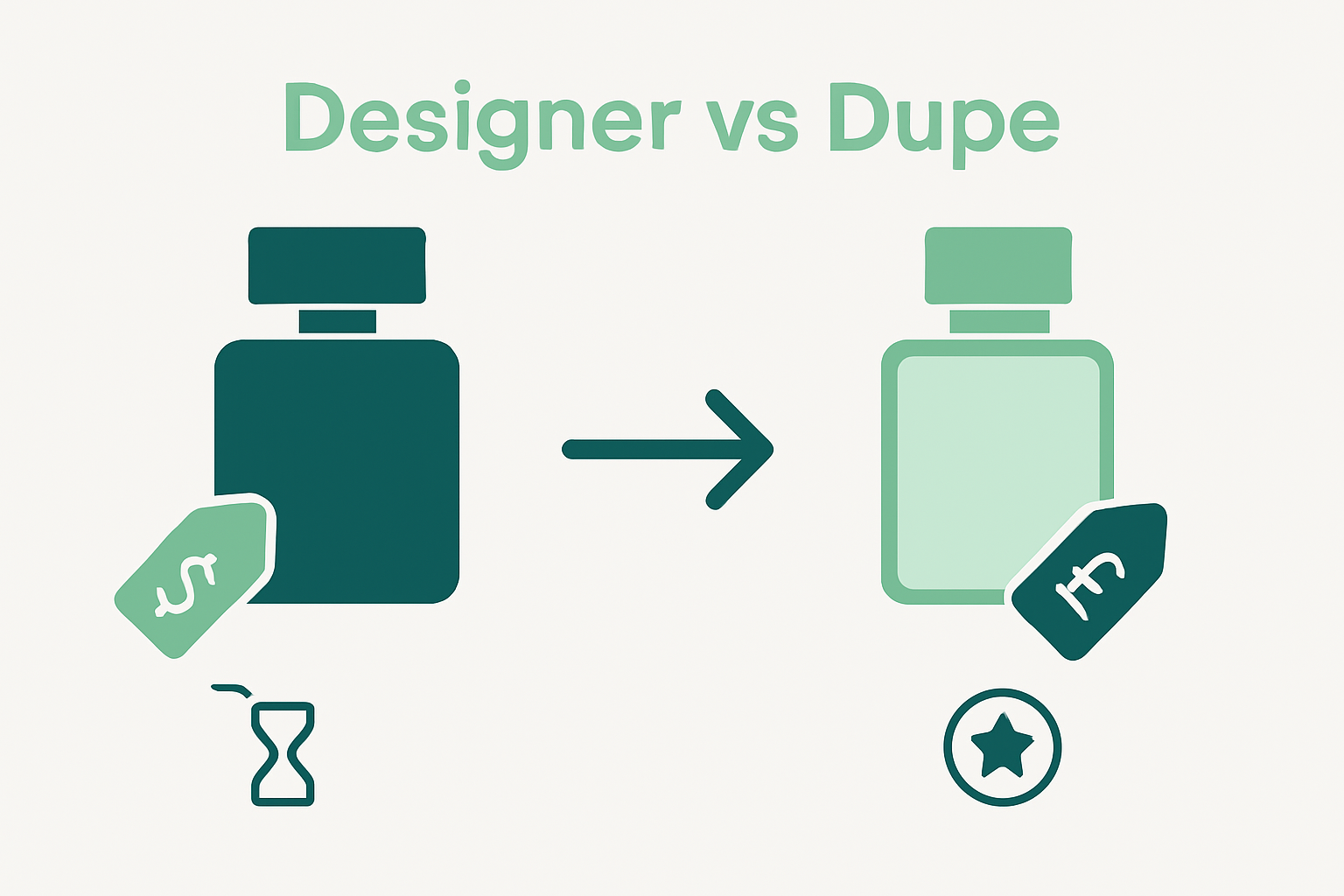
Ultimately, the rise of dupes represents a democratisation of perfumery, challenging traditional notions of luxury and accessibility. Consumers are increasingly recognising that exceptional fragrance experiences need not be prohibitively expensive. The most discerning perfume enthusiasts now appreciate dupes not as cheap imitations, but as legitimate olfactory artworks that offer creative interpretations of classic scent profiles, expanding the boundaries of fragrance appreciation.
Buying Tips for Quality and Longevity
Selecting the perfect perfume requires more than simply choosing an appealing scent. The Independent’s fragrance recommendations highlight the critical importance of understanding nuanced selection criteria that go beyond initial olfactory impressions. Fragrance quality encompasses multiple sophisticated considerations that discerning consumers must carefully evaluate.
Marie Claire’s comprehensive fragrance guidance emphasises that perfume longevity depends on several key factors. Concentration remains paramount - Eau de Parfum variants typically offer superior staying power compared to lighter Eau de Toilette formulations. Sophisticated buyers should prioritise fragrances with complex base notes featuring ingredients like sandalwood, vanilla, or musk, which naturally extend a scent’s performance. Additionally, understanding one’s personal body chemistry is crucial, as identical fragrances can manifest differently across individuals.
When evaluating perfume quality, astute consumers should consider several strategic purchasing approaches. Invest in smaller volume bottles to ensure freshness, as prolonged storage can compromise a fragrance’s molecular integrity. Test potential purchases on your skin rather than paper strips, allowing the scent to interact with your unique biochemistry. Pay attention to how the fragrance evolves over several hours, noting its initial top notes, heart notes, and fundamental base notes. Seasonal variations also impact fragrance perception - lighter, citrus-based scents excel in warmer months, while deeper, more robust fragrances complement cooler temperatures.
Ultimately, perfume selection represents a deeply personal journey of sensory exploration. The most exceptional fragrances transcend mere olfactory pleasure, becoming intimate expressions of individual identity. Invest time in sampling, understanding ingredient compositions, and recognising how different scent profiles interact with your personal essence. A truly remarkable perfume does more than smell pleasant - it becomes an invisible extension of your most authentic self.
Discover Your Signature Scent with Quality Inspired Perfumes
Choosing the most popular women’s perfume means navigating complex fragrance notes, emotional connections and your own unique style. With so many options ranging from Eau de Parfum to Eau de Toilette and inspired dupes that capture luxury essence without the extravagant cost, it can be overwhelming to find the perfect match that lasts and truly represents you.
Explore our carefully curated collection of high quality inspired fragrances at Alexandria UK where we focus on delivering exceptional value without compromising scent complexity or longevity. Whether you prefer florals, fruity accords or woody blends our range embraces sophisticated interpretations designed for modern lifestyles. Do not wait to experience how a thoughtfully chosen perfume can become an intimate expression of your identity. Visit our homepage now and start your journey to find a luxurious scent that feels truly yours.
Frequently Asked Questions
What factors contribute to the popularity of women’s perfumes?
Understanding the popularity of women’s perfumes involves multiple factors such as fragrance notes, brand reputation, emotional resonance, and cultural perception. Popular scents often feature floral and fruity accords, with complex yet approachable combinations appealing to a broad audience.
How do Eau de Parfum and Eau de Toilette differ?
Eau de Parfum (EDP) typically contains 15-20% perfume essence, offering a more robust scent profile with longer-lasting performance of six to eight hours. In contrast, Eau de Toilette (EDT) has 5-15% perfume essence, making it lighter and more suitable for daytime wear.
What are the benefits of using fragrance dupes?
Fragrance dupes provide consumers with affordable alternatives to high-end designer perfumes while often capturing similar scent profiles. They offer creative interpretations that maintain the core essence of luxury fragrances at a fraction of the cost, making them an accessible choice for many perfume lovers.
How can I ensure a perfume’s quality and longevity?
To ensure a perfume’s quality and longevity, consider the concentration level, opting for Eau de Parfum for longer wear. Testing the fragrance on your skin and observing how it evolves over time is crucial, as personal body chemistry can significantly affect how a scent develops. Additionally, checking for complex base notes like sandalwood or vanilla can enhance longevity.


