
Kinds of Perfume Brand: Unlocking Scented Value
Finding a perfume brand that truly delivers on both scent and value can leave many UK fragrance lovers searching for answers. With designer scents, niche houses, and clever dupes on offer, knowing what defines a brand now goes far beyond a pretty bottle. In today’s market, a brand’s reputation, quality, and storytelling matter as much as the fragrance itself. Discovering how brands stand out helps you make smarter choices and ensures every purchase brings genuine satisfaction.
Table of Contents
- What Defines A Perfume Brand Today
- Main Types: Designer, Niche, And Dupe Brands
- Perfume Brand Categories By Scent Profile
- Quality, Longevity, And Brand Reputation
- How To Spot Value And Avoid Common Pitfalls
Key Takeaways
| Point | Details |
|---|---|
| Modern Perfume Brands Focus on Storytelling | Heritage and emotional connections are crucial for fragrance brands to differentiate themselves in a competitive market. |
| Quality and Longevity Are Essential | Look for brands that ensure lasting performance and quality ingredients, as these are indicators of true value. |
| Understand Brand Categories | Familiarise yourself with different perfume types—Designer, Niche, and Dupes—to align your purchases with your preferences and budget. |
| Research and Transparency Are Key | Always verify ingredient transparency and seek out reputable brands to avoid counterfeit products and poor-quality fragrances. |
What Defines a Perfume Brand Today
A modern perfume brand is far more than just a bottle with liquid inside. Today’s fragrance houses define themselves through their heritage, craftsmanship, and the emotional connection they establish with consumers. What truly separates one brand from another lies in their storytelling, quality consistency, and ability to innovate whilst honouring tradition.
At its core, perfume is a carefully formulated mixture of fragrant essential oils, aroma compounds, fixatives, and solvents designed to deliver a pleasant scent experience. However, the brand itself represents something much deeper. A fragrance brand communicates values, lifestyle aspirations, and an implicit promise about the quality you’ll receive when you make a purchase.
The DNA of today’s perfume brands rests on several critical pillars. First, there’s the product excellence, which demands meticulous attention to ingredient sourcing, formulation precision, and longevity performance. Second comes brand storytelling, where companies share their creation narrative and what inspired a particular scent. This narrative transforms a fragrance from a commodity into an experience worth remembering.
Authenticity has become non-negotiable. Consumers now scrutinise whether a brand genuinely innovates or simply repackages existing formulas. Understanding the heritage behind classic fragrances gives you insight into how established houses maintain their relevance through decades. They balance respect for their archives with bold contemporary creations that speak to new generations.
Value proposition has shifted dramatically. UK fragrance buyers increasingly seek brands offering transparency about pricing, ingredient quality, and ethical sourcing. A premium brand must justify its cost through superior performance, distinctive scents, or limited availability. Conversely, emerging brands often carve space by offering exceptional quality at reasonable prices, challenging the notion that luxury always demands luxury pricing.
Modern perfume brands also define themselves through customer experience. This extends beyond the product itself to how you’re treated at point of sale, how easily you access information about scent families, and whether the brand offers dupes or alternatives that respect your budget constraints.
Professional tip When evaluating a perfume brand, research their longevity ratings and read reviews specifically mentioning sillage performance rather than relying solely on marketing descriptions, as this reveals honest product quality beyond beautiful packaging.
Main Types: Designer, Niche, and Dupe Brands
The fragrance market divides into three distinct categories, each offering a different value proposition and experience. Understanding these categories helps you make informed decisions about where your money goes and what you can expect in return. Let’s break down each type so you can navigate the perfume landscape with confidence.
Designer Brands represent the mainstream fragrance houses backed by luxury fashion conglomerates. Think of names like Dior, Chanel, and Calvin Klein. These brands command premium pricing because they invest heavily in marketing, celebrity endorsements, and prestigious department store placement. The quality is typically consistent, and you’re paying partly for the name recognition and the lifestyle image attached to the scent. Designer fragrances occupy the middle ground between niche and mass market, offering reliable performance with broad appeal.
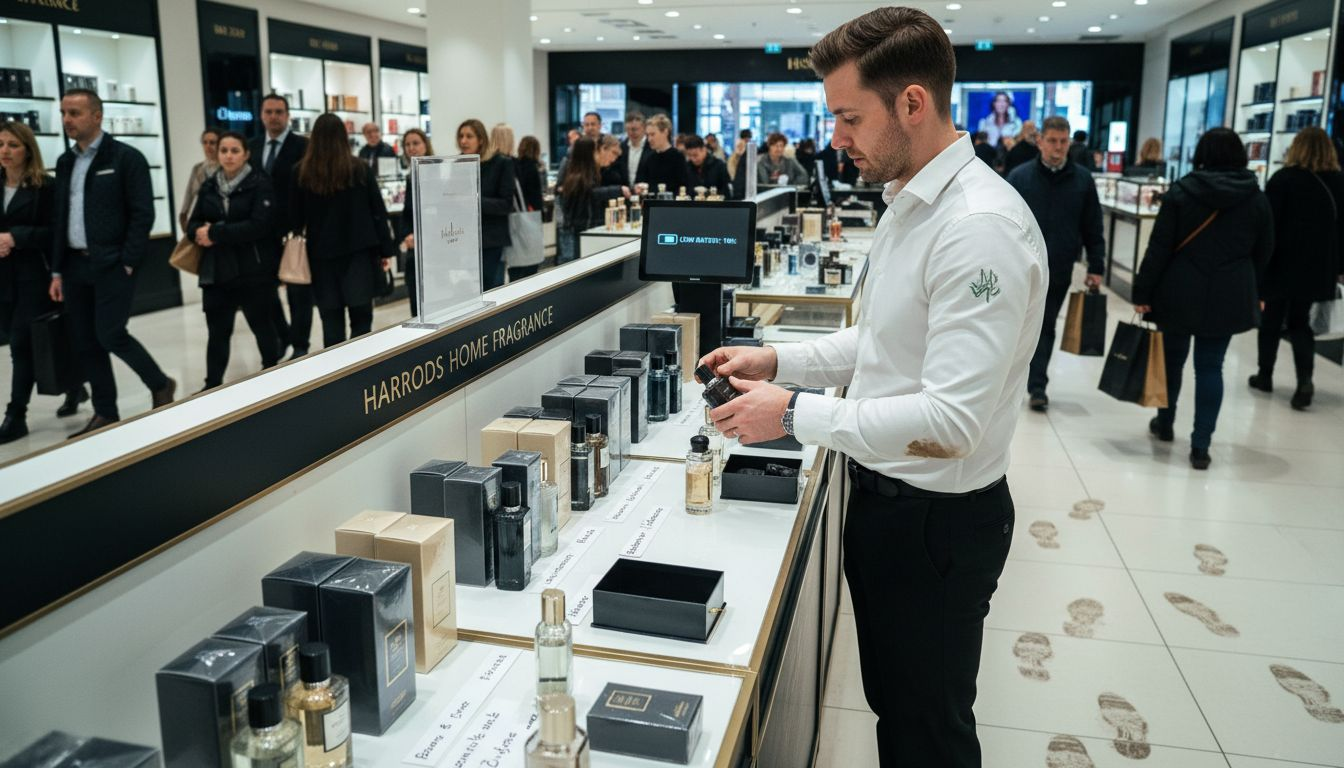
Niche Brands operate at the opposite end from mainstream designers. These independent perfumeries create scents with artistic ambition and experimental formulations, often using rare or unusual ingredients. Niche fragrances tend towards unconventional compositions and limited production runs. They appeal to fragrance enthusiasts who want something distinctive and aren’t chasing trends. The price point can actually rival or exceed designer brands, though this reflects the ingredient quality and exclusivity rather than marketing spend.
Dupes are affordable alternatives designed to resemble premium fragrances) without copying trademarked elements or logos. They exist in a fascinating middle ground between legitimate inspiration and controversial imitation. A quality dupe captures the essence and longevity of an expensive fragrance at a fraction of the cost, making luxury scent experiences accessible to budget-conscious UK buyers. Unlike counterfeits, dupes don’t pretend to be the original; they’re transparent about what they are.
Here’s where it gets interesting: comparing designer fragrances with their dupe alternatives reveals that many dupes perform exceptionally well. Some last as long as the originals, though the top notes might differ slightly. Dupes democratise fragrance appreciation and challenge the idea that you must spend £80 for a decent scent.
Your choice depends on priorities. Want prestige and broad availability? Designer brands deliver. Seeking artistic expression and uniqueness? Niche is your answer. Looking to explore luxury scents without the luxury price tag? Dupes offer remarkable value.
Here’s how designer, niche, and dupe perfume brands compare across key attributes:
| Brand Type | Pricing Strategy | Typical Scent Profile | Target Consumer |
|---|---|---|---|
| Designer | Premium, name-driven | Classic and widely appealing | Status-focused buyers |
| Niche | High for exclusivity | Artistic, unconventional blends | Scent enthusiasts |
| Dupe | Affordable, transparent | Inspired by popular originals | Budget-conscious shoppers |
Expert tip Start with designer dupes to understand what fragrance families appeal to you, then invest in niche bottles once you’ve identified your signature scent preferences, rather than splurging on expensive originals immediately.
Perfume Brand Categories by Scent Profile
Fragrance brands often organise themselves around scent families because this approach speaks directly to consumer preferences and purchasing behaviour. Different brands specialise in particular olfactory territories, and understanding these categories helps you find brands aligned with your taste.
The fragrance wheel is a classification system that groups perfumes into families like Floral, Woody, Oriental, and Fresh, showing relationships between scent similarities and differences. This framework helps perfumers and consumers communicate about scent profiles systematically. Brands typically anchor themselves within one or two of these families, becoming known for their mastery of that particular territory.
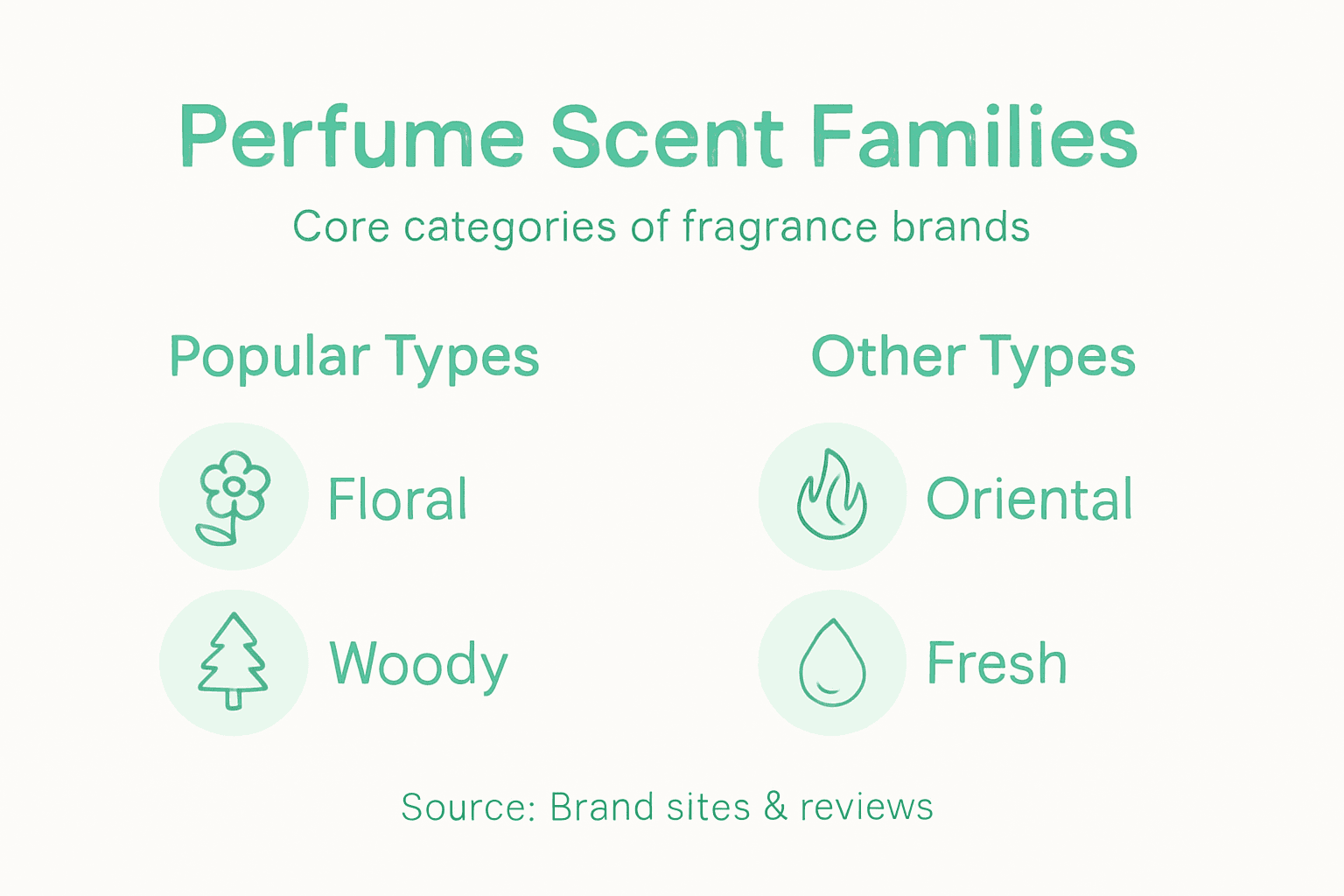
Floral-Focused Brands dominate the mainstream market. These houses create perfumes centred around flower accords, from soft rose-based compositions to heady tuberose creations. Brands like Jo Malone and Penhaligon’s have built their reputations on sophisticated floral blends that feel refined without being heavy. Floral fragrances appeal to the broadest audience and represent the safest choice for those new to perfume exploration.
Woody and Oriental Specialists cater to those seeking depth and sensuality. These brands craft scents built around base notes of sandalwood, oud, amber, and musk. Niche houses often excel here, creating complex compositions that reward repeated wearing. If you gravitate towards warm, enveloping scents that last all day, brands in this category deliver exceptional performance and distinctive character.
Fresh and Citrus Brands focus on bright, invigorating compositions featuring bergamot, lemon, and aquatic notes. These fragrances feel crisp and optimistic, perfect for daytime wear and warm weather. Brands in this space often emphasise simplicity and accessibility, making them ideal entry points into fragrance collecting.
Compare the main scent families and which consumers they might appeal to:
| Scent Family | Core Ingredients | Brand Examples | Ideal For |
|---|---|---|---|
| Floral | Rose, jasmine, tuberose | Jo Malone, Penhaligon’s | Everyday elegance |
| Woody | Sandalwood, oud, musk | Le Labo, Diptyque | Lovers of warmth and depth |
| Citrus/Fresh | Bergamot, lemon, aquatic | Atelier Cologne, Clean | Fans of light, bright scents |
Exploring fragrance families helps you identify which scent profiles resonate with your personal preferences and lifestyle before committing to significant purchases. When you know whether you’re a floral person, woody devotee, or fresh scent lover, you can target specific brands known for excellence in those categories. This strategic approach saves money because you’re buying based on genuine preference rather than hype.
Professional tip Sample fragrances from multiple scent families before deciding which brand categories to invest in, since your preferences may shift seasonally or with life circumstances.
Quality, Longevity, and Brand Reputation
When you’re deciding which perfume brand deserves your money, three interconnected factors determine whether you’re making a smart investment or wasting cash on empty promises. Quality, longevity, and brand reputation form the triangle that separates truly worthwhile purchases from disappointing ones.
Longevity matters because it directly affects value. A fragrance that lasts eight hours on your skin offers considerably better value than one that fades after two hours, even if both cost the same. Longevity in perfume depends on ingredient quality, formulation precision, and fixatives that anchor scent molecules to your skin. High-quality brands invest in these elements, whilst budget fragrances often cut corners by using cheaper fixatives or lower concentrations of fragrant compounds.
Think about the mathematics. If a £40 fragrance lasts six hours and a £20 fragrance lasts two hours, the expensive option costs roughly £6.67 per hour of wear, whilst the budget option costs £10 per hour. That premium brand suddenly looks like the shrewder purchase when you break down actual cost-per-wear.
Brand reputation influences both quality and your perception of it. Consumer attachment to fragrance brands stems from perceived exclusivity, trust, and emotional connection that develop over time. Established brands have invested decades building trust and consistency. When you buy from them, you’re not just paying for the scent; you’re paying for the certainty that the product will perform as advertised.
Reputable brands face consequences for quality failures. Their entire business model depends on maintaining consumer trust. Smaller or unknown brands, by contrast, have less to lose if a fragrance underperforms. This creates a natural incentive structure where established brands police their own quality more rigorously.
The real question is whether premium pricing reflects genuine quality or merely marketing spend. A designer brand with massive advertising budgets might cost more than an equally excellent niche fragrance simply because of marketing investment, not superior formulation. UK fragrance buyers benefit from researching longevity ratings and reading detailed reviews before committing to premium purchases.
Insider tip Check fragrance longevity ratings on specialist forums and review sites rather than trusting brand marketing claims, as real-world performance data reveals whether a brand genuinely delivers on quality promises.
How to Spot Value and Avoid Common Pitfalls
Spotting genuine value in the fragrance market requires more than just comparing price tags. Many buyers fall into traps that cost them money and disappointment. Learning what to look for separates savvy purchasers from those who repeatedly buy fragrances that underperform.
Start by examining ingredient transparency. Legitimate brands list their components openly, whilst dodgy sellers hide behind vague terminology. Ingredients labelled simply as “fragrance” can mask harmful chemicals like parabens or phthalates that some consumers wish to avoid entirely. Reputable brands specify what goes into their bottles because transparency builds trust. If a seller refuses to disclose ingredients, that’s an immediate red flag.
Beware of pricing that seems too good to be true. A £60 designer fragrance suddenly selling for £8 might be counterfeit, diluted, or stolen stock. Legitimate discounts typically range from 15-30 percent off recommended retail price. Anything deeper often indicates something’s wrong. Compare prices across multiple authorised retailers to understand normal pricing ranges.
Authentication matters more than most people realise. Purchase from official brand websites, department store partners, or authorised retailers. Parallel imports from abroad can be genuine but may lack UK consumer protection guarantees. Counterfeit fragrances cost the same but deliver dramatically worse performance and potentially contain dangerous ingredients.
Read reviews strategically. Look for mentions of longevity, sillage, and performance rather than just subjective impressions of scent preference. A fragrance you personally dislike might still be high quality; conversely, a scent you love might have poor lasting power. Focus on what reviewers say about how long the fragrance lasts and how far it projects.
Check whether brands commit to ethical standards. Cruelty-free certification, vegan formulations, and sustainable sourcing increasingly matter to UK buyers. These credentials aren’t marketing fluff when certified by recognised organisations. Brands making genuine ethical commitments often charge premium prices justified by their practices.
Savvy shopper tip Always test fragrances on your skin before committing to full bottles, since skin chemistry dramatically affects how scents perform, and what smells divine on someone else might smell flat on you.
Discover Your Perfect Perfume Brand with Confidence
Choosing between designer, niche, and dupe perfumes can feel overwhelming, especially when you want quality, authenticity, and lasting value. This article highlights how understanding scent families, longevity, and ethical transparency plays a crucial role in finding a fragrance that truly matches your style and budget. Many buyers struggle with deciphering marketing claims versus real performance, leading to frustration and wasted money.
At Alexandria UK, we make this journey easier by focusing on quality-inspired perfumes and expertly curated dupes that deliver lasting scent experiences without compromising your wallet. Our transparent approach helps you avoid common pitfalls such as counterfeit products and vague ingredient disclosures. Whether you want to explore floral designer classics or distinctive niche creations, our collection aligns perfectly with your needs.
Ready to unlock scented value and elevate your fragrance game today?
Shop now at Alexandria UK for trusted, affordable perfumes that respect your passion for quality. Start by browsing our carefully selected range and experience why savvy fragrance lovers choose us as their go-to source for premium scents and compelling dupes. Your signature scent awaits.
Frequently Asked Questions
What are the main types of perfume brands?
The main types of perfume brands include Designer Brands, Niche Brands, and Dupe Brands. Designer Brands are mainstream fragrances from luxury fashion houses, Niche Brands focus on artistic and unique scents, while Dupe Brands offer affordable alternatives inspired by premium fragrances.
How do I choose between Designer, Niche, and Dupe perfumes?
Your choice should depend on your priorities: if you seek prestige and broad availability, go for Designer Brands; if you desire artistic expression and uniqueness, Niche Brands are ideal; and if you want to enjoy luxury scents at a budget-friendly price, Dupe Brands offer great value.
What factors should I consider when evaluating the quality of a perfume?
Consider longevity, ingredient transparency, and brand reputation. A high-quality perfume should last longer on your skin and use transparent, high-grade ingredients. Established brands often provide more reliable quality due to their reputation and commitment to consumer trust.
How can I avoid common pitfalls when buying perfume?
To avoid pitfalls, examine ingredient transparency, be wary of prices that seem too good to be true, purchase from authenticated sources, and read reviews focusing on longevity and performance rather than just scent preferences.