How to mix cologne: a beginner's guide to layering scents
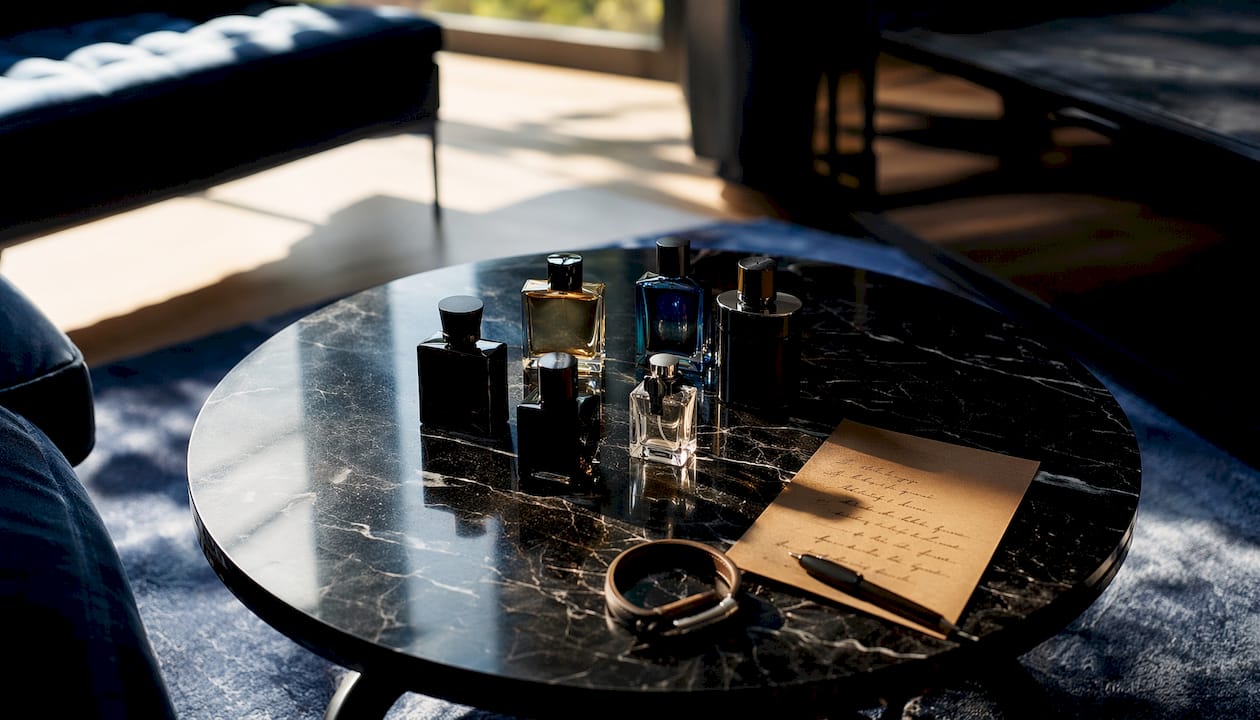
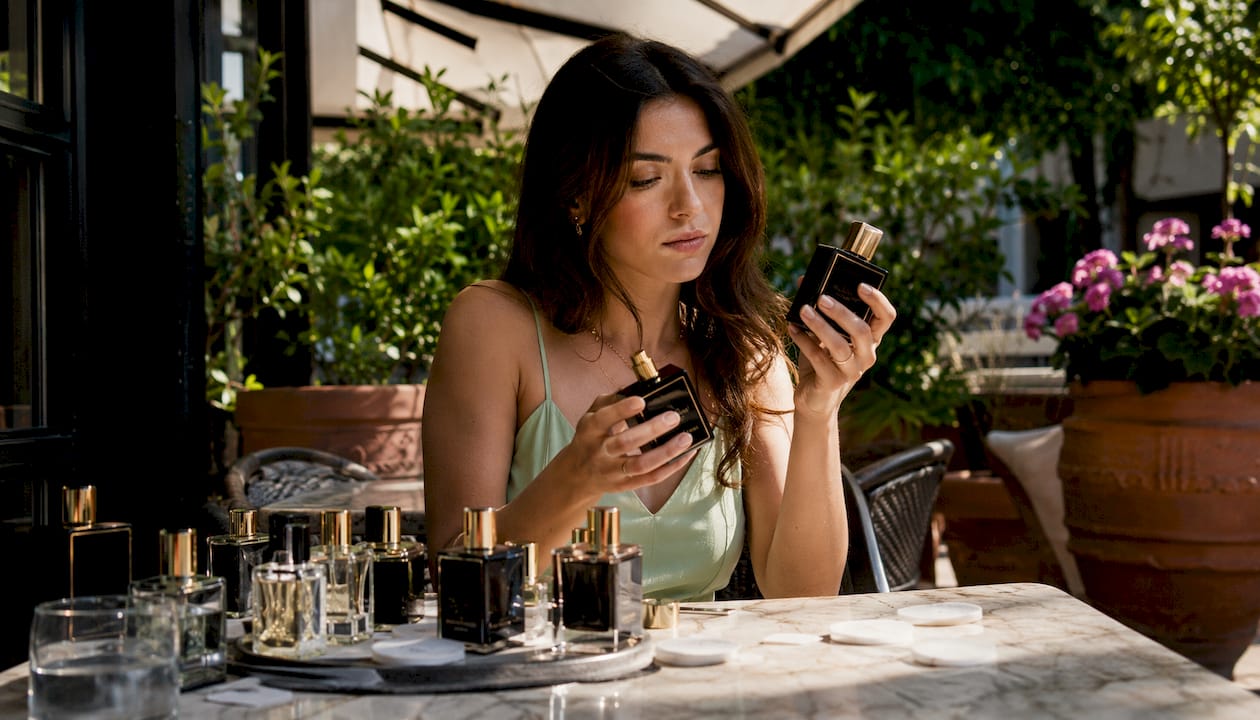
Mixing cologne is the art of combining two or more fragrances to create something entirely your own — a scent that no bottle alone can replicate. The process is more accessible than most people assume, and the results can be genuinely extraordinary. Start by choosing scents you already love, apply the heavier fragrance first, and build gradually from there.
Here is the essential process at a glance:
- Understand your fragrances: identify their top, middle, and base notes before combining
- Apply base-heavy scents first, lighter or fresher ones last
- Use moisturised skin as your canvas to extend longevity and improve projection
- Start with one spray of your anchor scent and half the usual amount of your modifier
- Allow at least 30 minutes of dry-down before judging the blend
- Keep notes on what works so you can recreate successful combinations
How to mix cologne: understanding fragrance notes
Every fragrance is built on a three-tier structure called the fragrance pyramid: top notes, heart notes, and base notes. Each tier evaporates at a different rate, which is why a cologne smells one way in the shop and quite another two hours later on your skin.
- Top notes are the opening impression. Light, volatile molecules — bergamot, lemon, lavender, mint — they last 10–30 minutes before fading.
- Heart notes define the character of the fragrance. Rose, jasmine, cardamom, black pepper — these emerge as the top notes lift and persist for 30 minutes to 3 hours.
- Base notes are the soul of the blend. Cedarwood, sandalwood, vetiver, musk, vanilla — rich, heavy molecules that anchor everything and can last 4–12+ hours on skin.
When blending fragrances, the balance of these tiers determines how your creation opens, develops, and lingers. A blend weighted too heavily toward top notes will feel bright but fleeting. Overload the base and the result can feel suffocating from the first spray.
| Note tier | Duration on skin | Typical notes |
|---|---|---|
| Top notes | 10–30 minutes | Bergamot, lemon, lavender, mint, grapefruit |
| Heart notes | 30 min–3 hours | Rose, jasmine, cardamom, black pepper, iris |
| Base notes | 4–12+ hours | Cedarwood, sandalwood, vetiver, musk, vanilla |
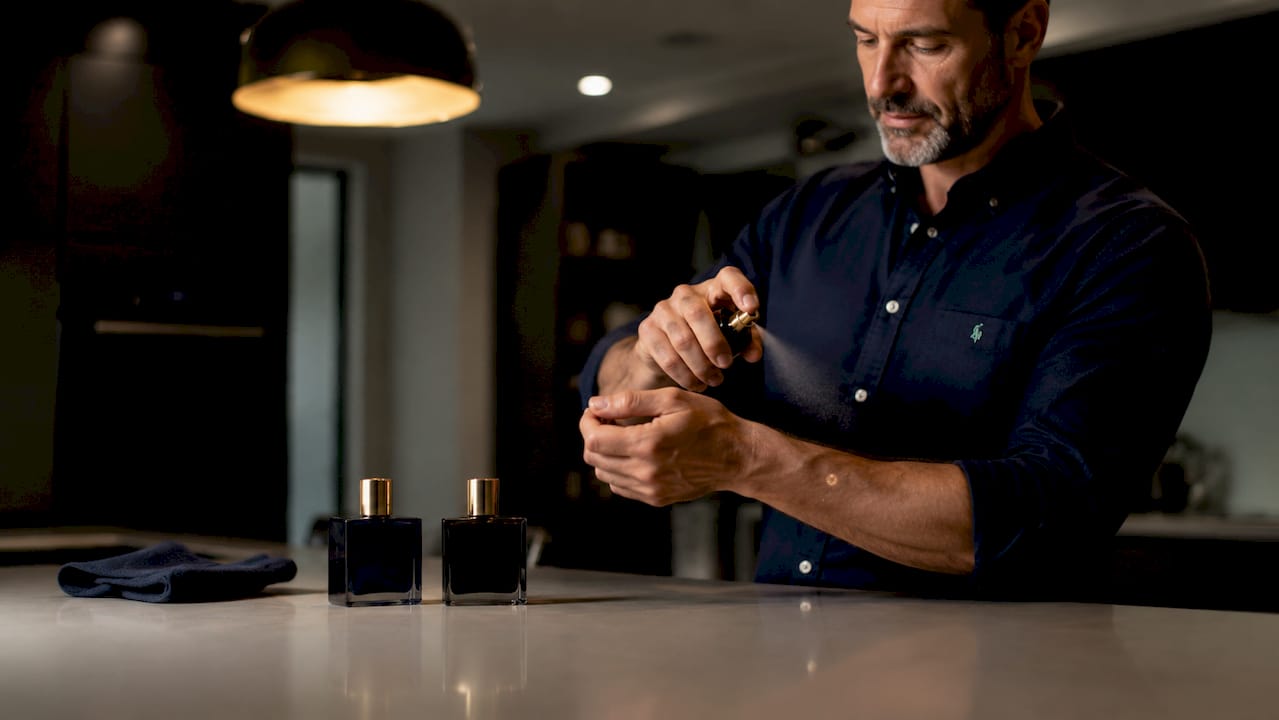
A useful starting ratio for beginners is to balance the blend with a moderate amount of top notes, a greater proportion of heart notes, and a substantial base note presence. These are starting points, not rules — every fragrance direction has its own characteristic balance.
Techniques for layering and mixing fragrances
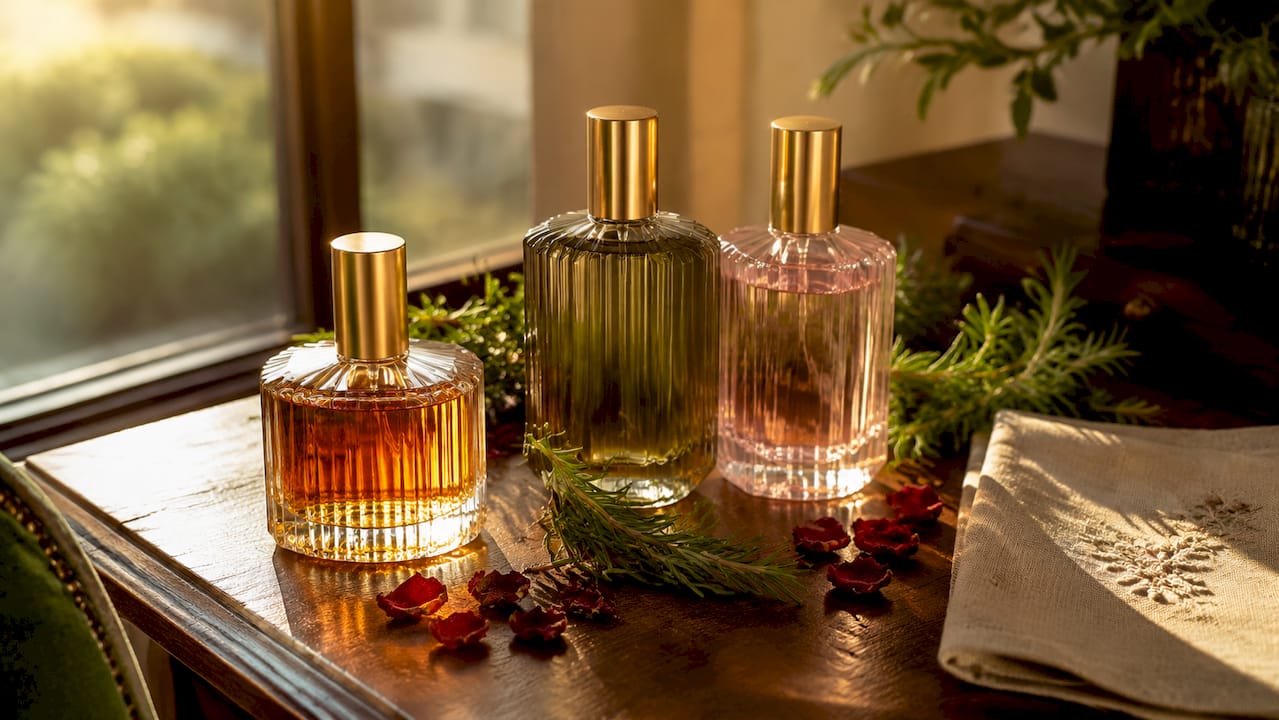
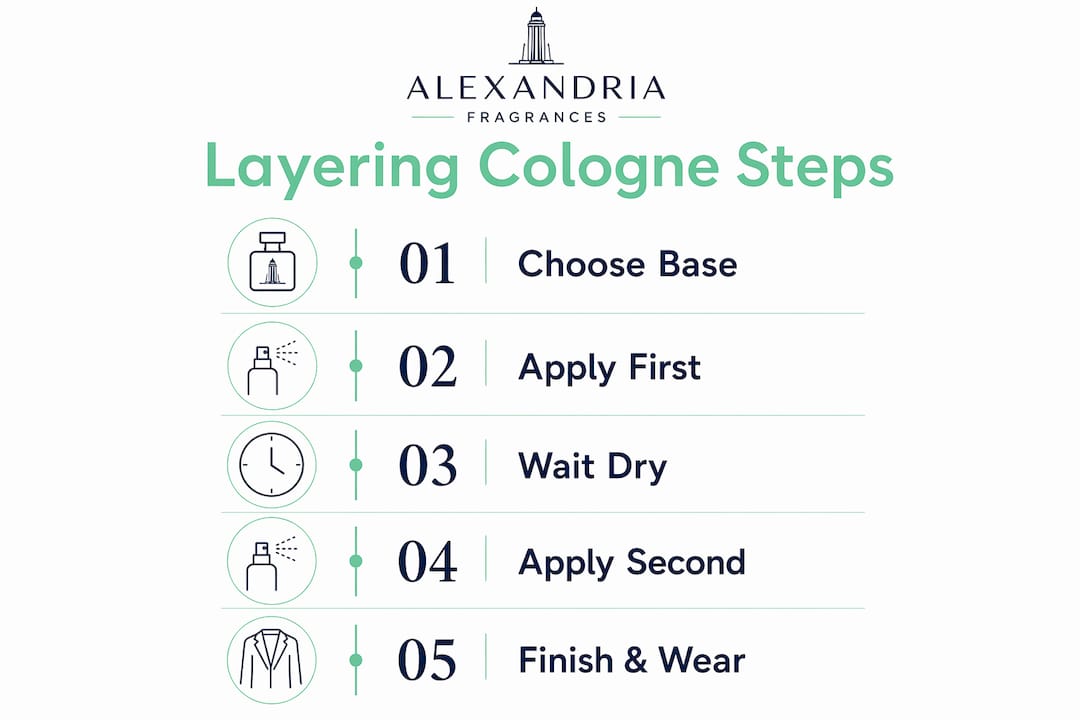
The order of application is where most beginners go wrong. Layering is not simply spraying two colognes simultaneously and hoping for the best. Structure and patience are what separate a muddy mess from a masterful blend.
- Apply the denser, longer-lasting scent first. Warm, woody, or resinous fragrances act as the foundation; lighter citrus or aquatic notes go on last.
- Separate your pulse points deliberately. Applying one scent to the wrists and another behind the knees or at the neck creates a blended scent cloud without forcing both formulas into direct competition.
- Moisturise before you spray. Hydrated skin gives fragrance molecules something to cling to, improving both projection and staying power considerably.
- Use restraint with quantities. One spray of the anchor fragrance plus half the usual amount of the modifier is often sufficient for a balanced result.
- Let each layer settle before adding the next. Rushing the process risks muddling the opening notes before the base has a chance to breathe.
Pro Tip: Let your first scent dry down for a full minute before applying the second. Jo Malone CBE, founder of Jo Loves, recommends layering a scented body crème beneath your cologne as the very first step — “this always has a long-lasting impact,” she says.
Which scent families blend well together?
Choosing compatible fragrances is the foundation of any successful blend. The four main fragrance families — floral, citrus, woody, and oriental — each carry their own olfactive character, and some pairings are naturally more harmonious than others.
- Floral and citrus make a timeless, luminous pairing. The brightness of bergamot or grapefruit lifts the softness of rose or jasmine without overwhelming it.
- Woody and oriental complement each other beautifully. Warm sandalwood or cedarwood welcomes the depth of amber, spice, or sweet florals.
- Musk blends with almost everything. It softens florals, adds skin-like warmth to citrus, and smooths the edges of heavier woods.
- Avoid pairing two heavy, dominant scents. Oud with a rich gourmand, for instance, can overpower each other and produce something jarring rather than refined.
- Start within a single brand or fragrance line. Scents from the same house share inherent olfactive signatures, making them naturally easier to combine for beginners.
- Build from a comforting base. Vanilla or sandalwood as the foundation, then add a lift of something green or citrusy on top — this is one of the most reliable combinations in beginner blending.
For those exploring layering with inspired fragrances, working within a curated collection that shares a consistent olfactive direction makes the process far more forgiving.
How to test and refine your personal scent blend
Skin chemistry is the final arbiter of any blend. The same two colognes can smell entirely different depending on the person wearing them, which is why testing on skin — not paper strips — is non-negotiable.
- Spray the blend on your wrist or inner elbow and walk around for at least 30 minutes before forming any opinion. The true character of a blend reveals itself during dry-down, not in the opening burst.
- Wear the layered blend on one arm and the anchor scent alone on the other. This direct comparison tells you immediately whether the combination improves longevity, softens projection, or simply muddies the original.
- Assess the blend at multiple time points: immediately after application, after 15 minutes, and again at the one-hour mark. A blend that smells disjointed at first may settle into something genuinely beautiful.
- Apply different layers to different pulse points to observe how each scent develops independently before they merge into a shared cloud.
- Keep a simple record of your combinations. Note the fragrances used, the quantities, and the application order. You do not need a formal journal — even a note on your phone is enough to turn a happy accident into a repeatable signature.
“It’s always best to test on skin and walk around for about 30 minutes so you can get a true sense of how the fragrance will unfold with your unique skin chemistry. The true character will reveal itself over time, and you might be surprised at how the different notes within a fragrance composition evolve throughout your day.” — Fragrance expert, via Vogue
For a deeper understanding of how to evaluate fragrances on skin, Alexandriauk’s guide on testing perfume effectively covers the full dry-down process in detail.
Expert insights and common mistakes when blending cologne
Even experienced fragrance enthusiasts make predictable errors when they first begin combining scents. Knowing what to avoid saves a great deal of wasted cologne and frustration.
- Over-layering is the most common mistake. More scent does not mean better performance. Excess volume often produces a stronger opening for a short window and a far less defined dry-down.
- Let one scent lead and the other support. When both fragrances fight for dominance, the magic is lost. Contrast creates interest — smoky paired with crisp, or soft with sharp, tends to produce the most wearable results.
- Never ignore skin preparation. Dry skin holds fragrance poorly. An unscented lotion applied before spraying gives both layers a surface to adhere to and develop more evenly.
- Avoid combining two fragrances with the same weakness. If both are overly sweet or both fade quickly, layering amplifies the problem rather than solving it.
- Store your fragrances correctly. Keep bottles away from direct sunlight and heat, which degrade the aromatic compounds and alter the character of the blend over time.
- Limit complexity, especially at first. Two scents is usually enough. Three is the maximum most experts recommend before a blend loses coherence and definition.
- Patience is the most underrated technique. Gradual experimentation, one variable changed at a time, is how a personal signature scent is genuinely built.
Discover your signature blend with Alexandriauk
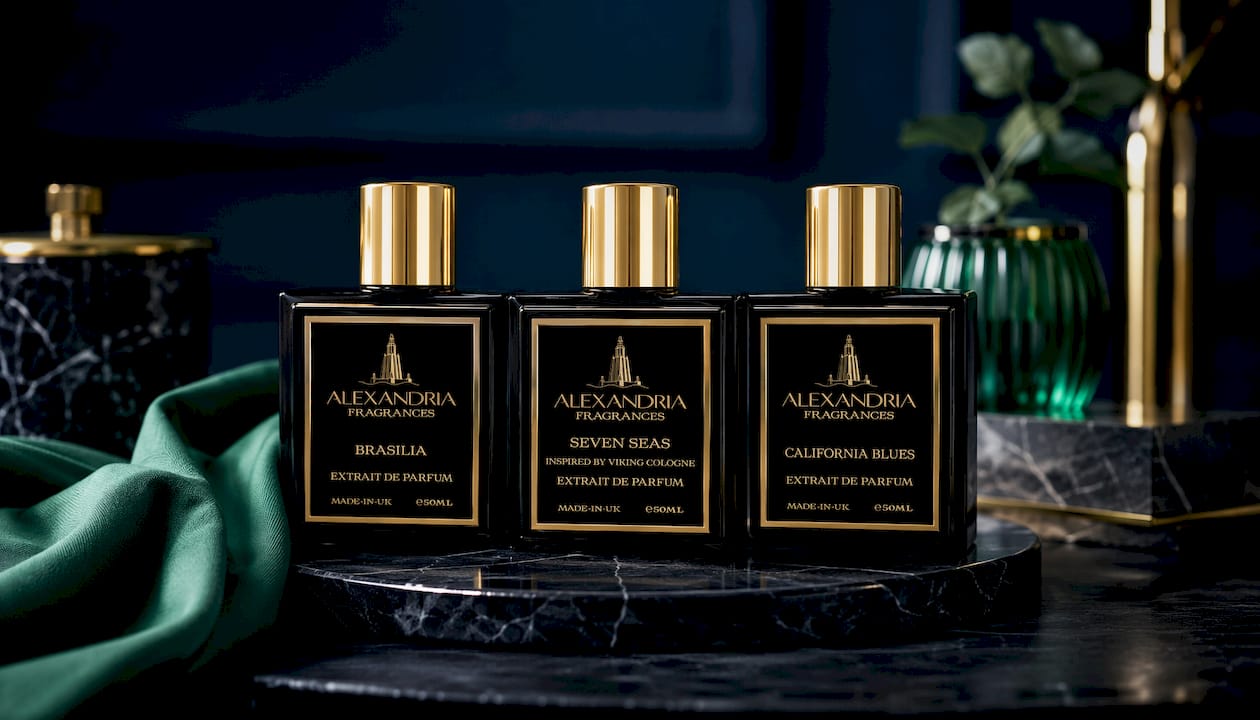
Alexandriauk crafts inspired fragrances of exceptional quality, designed with layering in mind. Whether you are building your first blend or refining a signature accord, these three colognes offer a superb starting point.
Brasilia Cologne delivers a warm, luminous depth that anchors a blend beautifully, making it an ideal base for lighter citrus or floral modifiers. Seven Seas Cologne brings a distinctive, bold character that rewards pairing with softer musks or clean woods. For those who prefer something fresher and more versatile, California Blues offers a crisp, airy profile that layers effortlessly over warmer, resinous foundations. Explore the full range at Alexandriauk and find the fragrances that speak to your personal taste. You can also browse a curated selection of fragrance options to expand your layering palette further.
Key takeaways
Blending cologne successfully comes down to understanding fragrance structure, applying scents in the right order, and testing patiently on skin before committing to a combination.
| Point | Details |
|---|---|
| Apply base notes first | Heavier, longer-lasting scents go on first; lighter top notes are applied last. |
| Moisturise before spraying | Hydrated skin improves fragrance projection and helps both layers last longer. |
| Use restraint with quantity | One spray of the anchor plus half the usual amount of the modifier is often enough. |
| Test on skin for 30 minutes | Allow at least 30 minutes of dry-down before judging whether a blend works. |
| Let one scent lead | Contrast creates harmony; avoid pairing two dominant or similarly heavy fragrances. |