How Long Does Cologne Last? Hours on Skin, Years in the Bottle
A cologne lasts anywhere from about two hours to a full day on the skin, depending chiefly on its concentration, its note structure and your own skin. In the bottle, a well-kept fragrance can stay beautiful for years. The honest answer is a range, and the rest of this guide explains where in that range your bottle will fall, and what you can do to push it towards the generous end.
TL;DR
- Eau de cologne typically lasts around 2 hours on skin, eau de toilette 2 to 3 hours, eau de parfum roughly 4 to 5 hours, and parfum about 8 hours, sometimes far longer.
- Base notes such as woods, resins and leather outlast citrus and fresh top notes, and oilier skin holds scent better than dry skin.
- If you cannot smell your cologne after a couple of hours, you may simply be experiencing odour fatigue: others can often still smell it.
- Kept cool, dark and away from sunlight, a bottle can last for years. Heat, light and air are what spoil it.
- Moisturise first, spray pulse points, and choose a richer concentration to extend wear.
Table of Contents
- How long does cologne last on your skin?
- Why concentration is only half the story
- Your skin changes the answer
- Why can’t I smell my cologne after two hours?
- Can a perfume really last 72 hours?
- How to make cologne last longer
- How long does cologne last in the bottle?
- Where to keep your cologne
- Our perspective: longevity is a design choice
- Find a cologne that lasts on you
- FAQ
- Sources
How long does cologne last on your skin?
The word “cologne” is used loosely. In everyday British speech it often means any men’s fragrance, but in perfumery it is also a precise term: eau de cologne, the lightest and most fleeting concentration. That distinction matters, because longevity follows concentration more closely than it follows the label on the box.
DermNet, a clinical resource for skin health, puts typical wear times at about 2 hours for eau de cologne, 2 to 3 hours for eau de toilette, around 4 to 5 hours for eau de parfum, and an average of 8 hours for parfum, which can reach up to 24 hours. Treat these as a guide rather than a promise. Two people wearing the same spray can have quite different experiences.
| Concentration | Typical wear on skin | Character |
|---|---|---|
| Eau de cologne | About 2 hours | Bright, airy, citrus-led, designed to refresh |
| Eau de toilette | 2 to 3 hours | Lively and light, a daytime staple |
| Eau de parfum | Around 4 to 5 hours | Fuller, richer, with more depth in the drydown |
| Parfum | About 8 hours, up to 24 | Dense, intimate, the quintessence of a scent |
The principle is simple. The more fragrance oil in the formula and the less alcohol, the slower the scent evaporates. Alcohol carries the opening of the fragrance into the air, and the oils beneath it are what remain on the skin.
Why concentration is only half the story
If concentration were everything, every eau de parfum would behave identically. It does not, and the reason is composition.
A fragrance unfolds in three stages. The Perfume Society describes top notes as lasting roughly 5 to 15 minutes, middle notes around 2 to 4 hours, and base notes around 4 to 6 hours. Top notes are the sparkling first impression: bergamot, lemon, grapefruit, lavender. They are made of light molecules that vanish quickly. The heart, often floral or spiced, carries the personality. The base, where woods, resins, amber and musks gather, is what you carry home on your collar.

This is why a citrus-heavy cologne can feel gone within the hour while a dark, woody or leathery composition seems to follow you through the evening. The Perfume Society notes that deeper woods, resins, leather and tobacco generally outlast fresh colognes. A freshness-focused scent is not worse; it is simply built for a different purpose, the cool-water splash after a shower or the bright start to a summer’s day.
Reading a fragrance by its accords
Before you buy, scan the note pyramid for the base. Ambergris, cedar, vetiver, patchouli, oud, vanilla and musk are the anchors. A pyramid that is all citrus and herbs at the top with little underneath will be lovely and brief. One with a generous base will keep evolving for hours. At Alexandria UK, our inspired-by fragrances are composed with high oil concentrations specifically so the base stays present, and we describe the notes so you can judge before you commit.
Your skin changes the answer
Skin is the variable no label can account for. The Perfume Society explains that dry skin makes perfume dissipate faster, while oilier skin offers the fragrance more to cling to. That is why the same cologne can last six hours on one friend and three on another.
A few other personal factors play a part:
- Hydration. Well-moisturised skin holds scent longer than skin that is dry or recently washed with strong soap.
- Climate. Heat accelerates evaporation and projects the scent more, which feels strong for a while and then fades. Cold air slows things down, so the fragrance sits closer to the skin.
- Clothing. Fabric holds fragrance far longer than skin does. A light mist on a scarf or jacket lining can outlast any amount on the wrist, though it is wise to test on an inconspicuous patch first, as some fragrances can mark delicate materials.
Why can’t I smell my cologne after two hours?
This is among the most common worries, and often the fragrance has not gone anywhere. You have probably become used to it. IFLScience explains that the brain turns down its response to a constant, familiar smell, a process known as olfactory adaptation or odour fatigue. You stop noticing the cologne even though other people may still catch it.
The same article quotes Pamela Dalton of the Monell Chemical Senses Center, who describes receptors becoming less responsive after being bombarded by a smell. In practical terms, your nose is doing its job: ignoring what is constant so it can detect what is new.
A few ways to check without over-spraying:
- Ask someone you trust. A brief, honest opinion beats guessing.
- Step away and return. Leave the room for a while, then come back; the scent is often noticeable again.
- Smell your sleeve or scarf. Fabric holds the drydown, and a fresher nose position helps.
- Resist the urge to reapply heavily. Chasing a scent you cannot smell is how people end up overwhelming a lift.
If you wear one signature scent every day, adaptation can be stronger still. Rotating fragrances, as many enthusiasts do, gives your nose something new and often makes each one seem more vivid.
Can a perfume really last 72 hours?
Searches for a 72-hour perfume are common, and the marketing around them is generous. On skin, a single application lasting three days is not a realistic expectation. The more credible version of the claim is that a fragrance may linger on fabric, such as a coat or a scarf, long after it has faded from the skin, since cloth holds base notes far longer than skin does.
What the evidence does support is that the longest-lasting fragrances share traits: high oil content, a substantial base of woods, resins, amber or musk, and application to hydrated skin or clothing. Extraits and parfums sit at the top of the range, with DermNet putting parfum at up to 24 hours. When you read an extravagant longevity figure, consider it a best case on a favourable day.
How to make cologne last longer
None of these techniques is exotic, but together they make a noticeable difference.
- Moisturise first. Applying fragrance after an unscented lotion gives the scent something to hold on to, as The Perfume Society suggests. A fragrance-free balm is ideal, or a matching body product if one exists.
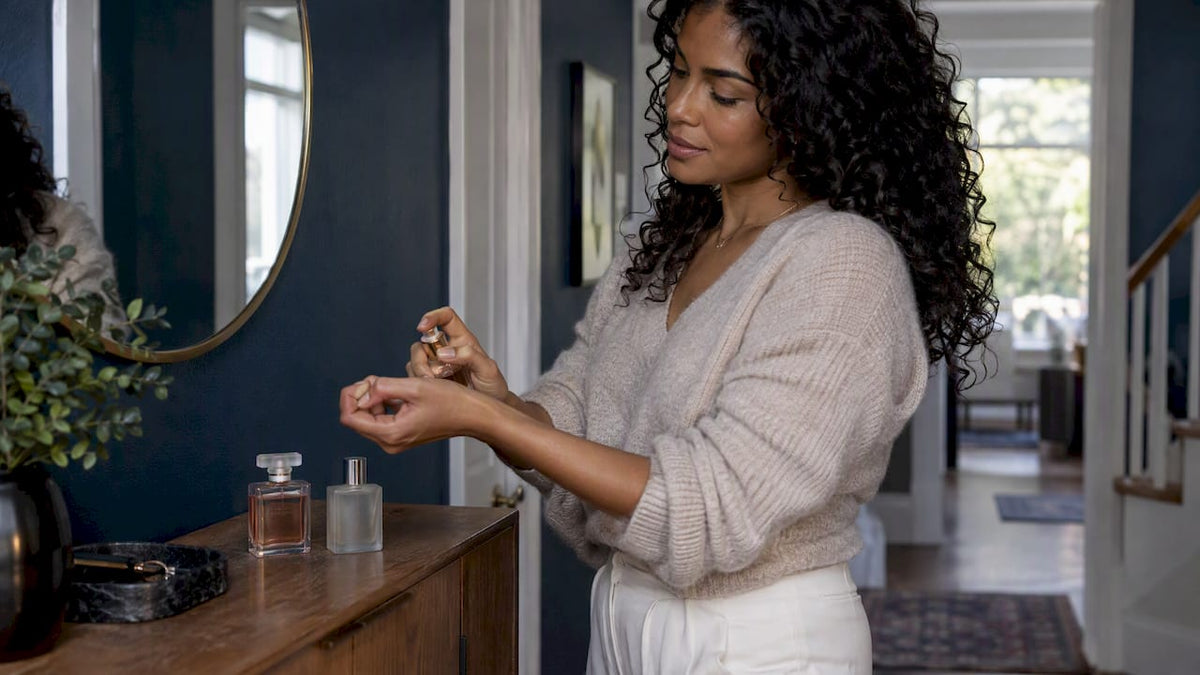
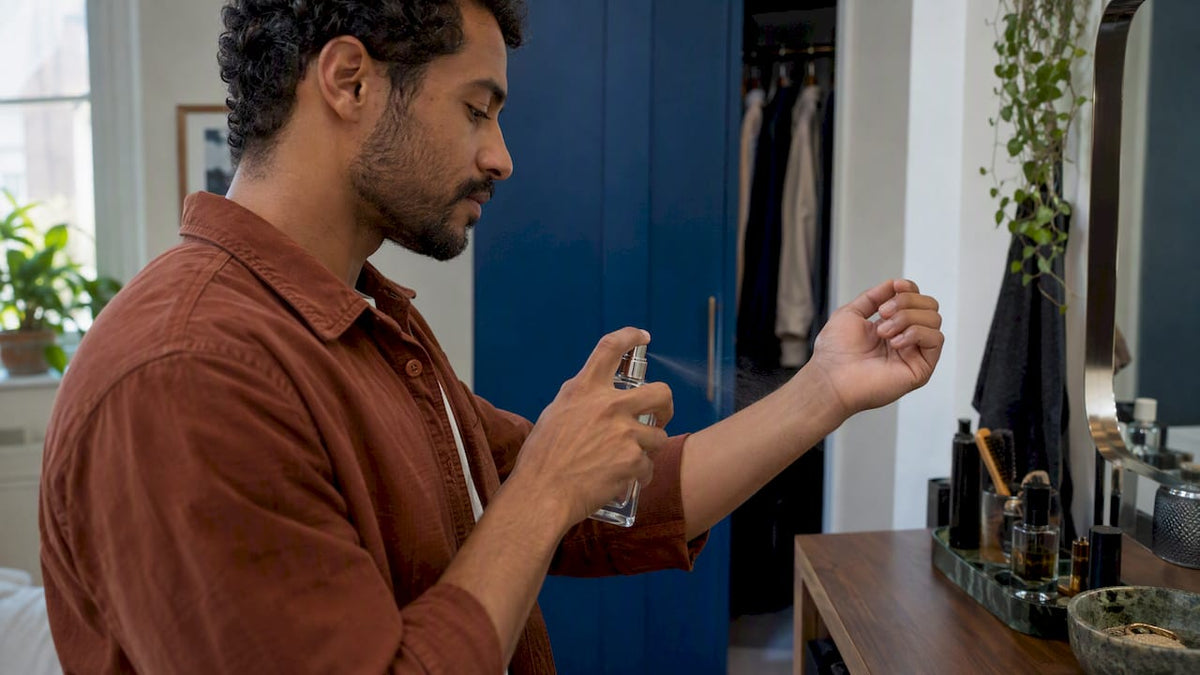
- Spray pulse points. The neck, the insides of the wrists and the crook of the elbow are warm areas where fragrance diffuses gradually.
- Do not rub your wrists together. Friction can disturb the delicate top notes and does nothing for longevity.
- Apply after showering. Warm, slightly damp, clean skin takes fragrance well.
- Layer thoughtfully. A cologne with a matching or complementary eau de parfum underneath will anchor the lighter scent.
- Choose the right concentration for your goal. If a fresh eau de cologne vanishes by lunchtime, an eau de parfum in a similar family may give you the same character with more staying power.
For a deeper walk-through, our guide on how to make perfume last naturally covers application and layering in more detail, and it is the best companion to this article if longevity on skin is your main concern.
One more point for those who wear jewellery: fragrance and delicate pieces do not always mix well, and the order in which you dress can matter. This piece on wearing pearls and perfume is a sensible read before you spray near a necklace.
How long does cologne last in the bottle?
Wear time is one question; shelf life is another, and it is the one that decides whether a half-forgotten bottle from three summers ago is still worth wearing.
The U.S. Food and Drug Administration notes that the shelf life of cosmetics varies with the type of product, how it is used and how it is stored, and that temperature changes, sunlight and air can alter a product’s colour, texture and smell. Fragrance is no exception. Heat, light and oxygen are the three enemies.
The Perfume Society is notably optimistic about well-kept bottles: it says an unopened bottle stored in the dark may last more than 40 years, while an opened bottle in less than ideal conditions may have up to about two years. Many perfumers and retailers quote a more cautious three to five years for everyday bottles, so it is sensible to treat the shorter figure as a planning guide and the longer one as a best case.
Signs a fragrance has turned
According to The Perfume Society, a perfume that has gone off may become darker, thicker or cloudy, and no longer smell like its usual scent. Watch for:
- A noticeably deeper colour than when you bought it
- A sour, metallic or vinegary opening where the citrus used to sparkle
- Cloudiness or sediment in a liquid that was once clear
- A flat, thin smell with the top notes missing entirely
So, can you use a 20-year-old perfume? Possibly, if it has been kept in a box, in the dark, in a cool spot, and it still looks and smells as it should. If the colour has darkened or the scent has turned, retire it. Test a small amount on fabric rather than skin first if you are unsure, and stop if you notice any irritation.
Where to keep your cologne
Storage is the single most controllable factor in how long a bottle stays true. The Perfume Society recommends keeping fragrance away from light and heat, ideally in its box, a drawer or a dark cupboard. That rules out two popular spots: the sunny dressing table, which looks glorious and cooks the liquid, and the bathroom, where steam and temperature swings steadily degrade a fragrance.
A practical checklist:
- Keep the original box; it is a free light shield.
- Choose a spot with a steady temperature, such as a wardrobe shelf or a bedroom drawer.
- Close the cap firmly after each use to limit air exposure.
- Avoid decanting into clear travel atomisers for long-term keeping.
- For a larger collection, check bottles every few months.
We have written several guides on the subject. Start with how to store cologne for an approach that treats your bottles like a conservator would, and the best place to store cologne if you are choosing a spot in the home. Collectors with many bottles will want our guide to storing perfumes long term. If you own inspired-by bottles, the principles are identical, and our guide to storing dupe perfumes applies them directly.
Our perspective: longevity is a design choice
We spend our days with fragrance, and our view is that longevity is rarely luck. It is the result of decisions made at the bench: how much oil a formula carries, how generous the base is, and whether the structure is built to unfold or merely to impress in the first ten minutes.
That is why we formulate our inspired-by fragrances with high oil concentrations. We admire the great designer scents, and we believe a well-made alternative should honour the character of the original without compromising on performance or on values: our production is cruelty-free and IFRA-compliant. Quality, to us, means a scent that still has something to say at the end of the evening.

We would also gently say that the number of hours is not the only measure of a good fragrance. A fleeting, luminous citrus cologne reapplied through a hot afternoon can be more delightful than a heavy scent that dominates a room for ten hours. Choose for the occasion, the season and the mood, and let longevity be one consideration among several.
If you are unsure what suits you, sample before you commit. Wear a scent for a full day and see how it behaves on your skin, with your climate and your routine. That is the only test that truly counts.
— dave
Find a cologne that lasts on you
If you would like to test longevity on your own skin before buying full bottles, our Sample Pack of 6 x 5ml is £59.99, a way to wear six scents across several days and see which holds up. Our Discovery Set is US$83 and gathers some of our best-selling inspired-by fragrances. Prefer to browse by style? Explore men’s fragrances, or try a single bottle such as Seven Seas Cologne, inspired by Viking if you enjoy a crisp, fresh character.

FAQ
How long does cologne last on your skin?
Expect about 2 hours from an eau de cologne, 2 to 3 hours from an eau de toilette, and roughly 4 to 5 hours from an eau de parfum. Parfum averages about 8 hours and can last up to 24. Your skin, the weather and the note structure can move these figures either way.
How long can perfume last in general?
On skin, from a couple of hours to a full day, depending on concentration and composition. In the bottle, it can last for years if stored in a cool, dark place away from heat and sunlight. The Perfume Society says an unopened bottle kept dark may last more than 40 years, although everyday expectations are shorter.
Why can’t I smell my cologne after a few hours?
Most often it is odour fatigue, where your brain stops registering a constant, familiar smell. Other people may still notice your fragrance. Try leaving the room and returning, or ask a friend, before you reapply.
Can I use a 20-year-old perfume?
It depends on how it was kept and how it looks and smells now. If it is clear, close to its original colour and smells as it should, it may be fine. If it has darkened, thickened, turned cloudy or smells different, it has gone off and should be discarded.
Where should I store cologne to make it last?
Keep it somewhere cool and dark, ideally in its box, a drawer or a cupboard. Avoid bathrooms and sunny dressing tables, as heat and temperature swings degrade fragrance.
Sources
- Fragrances and perfumes, DermNet
- FAQs, The Perfume Society
- Odor Fatigue: Why Can’t You Smell Yourself?, IFLScience
- Shelf Life and Expiration Dating of Cosmetics, FDA