Why Extrait de Parfum Is Uniquely Luxurious
Choosing a new fragrance can feel like an intimate adventure for any collector who values refinement and artistry. For fragrance enthusiasts in the United Kingdom, understanding what truly sets an Extrait de Parfum apart matters when elevating a personal scent wardrobe. With its rich oil concentration and layered complexity, this luxurious category delivers a nuanced experience, close to the skin and lasting throughout the day. Discover what makes extrait de parfum the pinnacle of perfumery and how it can transform your approach to signature scent selection.
Table of Contents
- Defining Extrait de Parfum and Its Essence
- How Oil Concentration Shapes Longevity and Sillage
- Comparing Extrait to Other Fragrance Types
- The Craftsmanship Behind High-Quality Extraits
- Risks, Costs, and Common Misconceptions
- Selecting and Wearing Extrait de Parfum
Key Takeaways
| Point | Details |
|---|---|
| Extrait de Parfum Concentration | Extrait de Parfum contains 20-40% fragrance oils, offering unmatched longevity and depth compared to standard perfumes. |
| Fragrance Longevity | Extrait de Parfum can last 8-12 hours, thanks to its high oil content, providing an enriched sensory experience. |
| Sillage Characteristics | This type of fragrance creates a subtle aura, projecting within 0.3-0.5 metres, embodying intimate luxury. |
| Craftsmanship Significance | The creation process involves meticulous ingredient selection and molecular precision, resulting in a complex olfactory narrative. |
Defining Extrait de Parfum and Its Essence
Extrait de Parfum represents the pinnacle of fragrance concentration, embodying pure olfactory luxury. Unlike standard perfume variations, this exquisite formulation offers an unparalleled sensory experience, delivering an intense and enduring aromatic profile that distinguishes itself through remarkable depth and complexity. Understanding extrait de parfum’s essence reveals its unique position in the perfumery hierarchy.
At its core, Extrait de Parfum contains the highest percentage of fragrance oils, typically ranging between 20% to 40%, compared to eau de parfum’s modest 15% to 20% concentration. This substantial oil content translates into extraordinary olfactory richness, where each note emerges with remarkable clarity and sophistication. The elevated oil concentration allows perfumers to craft intricate compositions that unfold gradually, presenting a multi-layered sensory journey that standard fragrances cannot replicate.
The production of Extrait de Parfum demands meticulous craftsmanship and exceptional raw materials. Perfumers select the most refined essential oils, absolutes, and molecular compounds, carefully blending them to create a harmonious and profound olfactory experience. The higher oil concentration demands precise formulation techniques, ensuring that each molecule contributes to a seamless and luxurious aromatic narrative. Exploring the nuanced differences between fragrance concentrations illuminates the artistry behind these sophisticated scent compositions.
Expert Tip: When selecting an Extrait de Parfum, focus on fragrances that offer complex base notes, as these will develop most dramatically with the higher oil concentration.
How Oil Concentration Shapes Longevity and Sillage
The intricate relationship between oil concentration and fragrance performance reveals why Extrait de Parfum stands as the pinnacle of olfactory luxury. Understanding perfume longevity demonstrates how higher oil percentages dramatically transform a scent’s entire sensory experience. With concentrations ranging from 20% to 40%, Extrait de Parfum creates a profound aromatic landscape that standard fragrances cannot replicate.
Scientific analysis illuminates the precise mechanics behind oil concentration’s impact. The elevated oil percentage directly correlates with fragrance longevity, allowing scent molecules to release gradually and consistently. Whereas lighter concentrations might dissipate within 3-4 hours, Extrait de Parfum can maintain its aromatic profile for 8-12 hours, providing an extraordinary sensory journey. The dense molecular composition ensures that each note unfolds meticulously, creating a nuanced olfactory experience that remains close to the skin with remarkable depth.
The concept of sillage becomes particularly fascinating in Extrait de Parfum. Unlike more aggressive fragrances that project widely, these concentrated formulations create an intimate aromatic aura approximately 0.3–0.5 metres from the body. This subtle projection represents true luxury – a scent so refined it doesn’t announce itself loudly but instead whispers sophisticated complexity. The carefully balanced molecular structure allows fragrance enthusiasts to experience a deeply personal sensory narrative that evolves subtly throughout the day.
Pro Tip: When applying Extrait de Parfum, use minimal pressure and target pulse points like wrists and neck for optimal molecular activation and extended fragrance performance.
The following table summarises how oil concentration affects key fragrance attributes:
| Attribute | Lower Concentrations (Eau de Toilette/Cologne) | Extrait de Parfum |
|---|---|---|
| Longevity | 2–4 hours | 8–12 hours |
| Sillage (projection) | Noticeable, extends 1–2 metres | Subtle, 0.3–0.5 metres |
| Note development | Simple, linear progression | Complex, layered unfolding |
| Skin intimacy | Lightly present, easily dissipates | Deeply personal, close to skin |
Comparing Extrait to Other Fragrance Types
The world of fragrances presents a complex hierarchy of concentration levels, with Extrait de Parfum standing distinctly apart from its more commonplace counterparts. While Eau de Toilette, Eau de Cologne, and Eau de Parfum occupy lower tiers of fragrance intensity, Extrait de Parfum represents the pinnacle of olfactory craftsmanship, offering an unparalleled sensory experience that transcends typical perfumery standards.
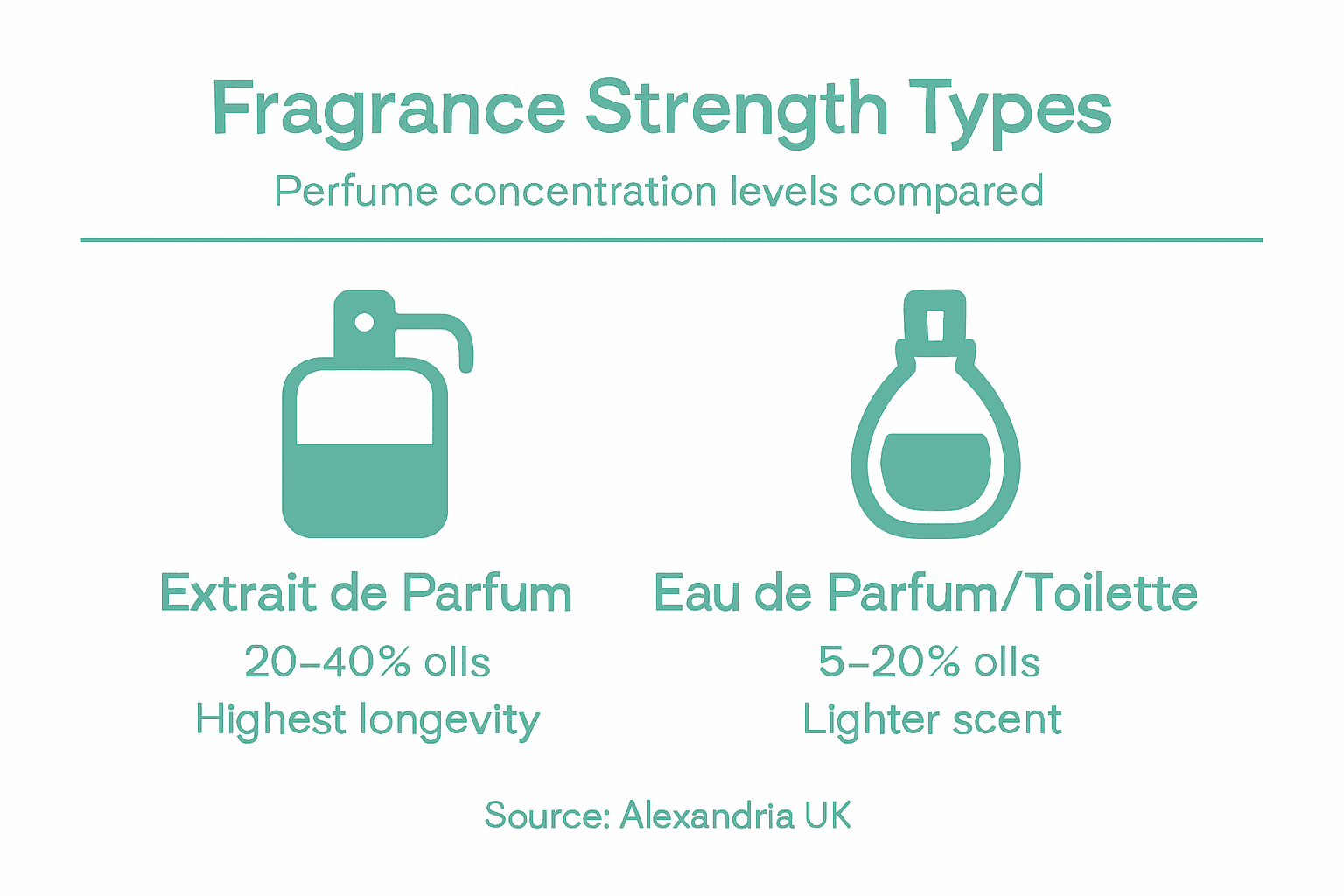
Concentration levels dramatically differentiate these fragrance types. Eau de Toilette typically contains 5-15% fragrance oils, Eau de Parfum ranges from 15-20%, while Extrait de Parfum boasts an impressive 20-40% oil concentration. This substantial difference translates into profound variations in performance. Where lighter concentrations might dissipate within 2-4 hours, Extrait de Parfum maintains its complex aromatic profile for 8-12 hours, delivering a nuanced olfactory journey that evolves gracefully throughout the day. The reduced alcohol content further ensures that each molecular layer unfolds with remarkable precision and depth.
Beyond mere longevity, the distinguishing characteristic of Extrait de Parfum lies in its sophisticated molecular composition. Unlike more aggressive fragrance types that project widely, Extrait creates an intimate aromatic aura, whispering rather than shouting its presence. The carefully constructed scent remains incredibly close to the skin, creating a personal sensory experience that feels both luxurious and intrinsically individual. This subtle projection represents the epitome of fragrance engineering – a testament to the perfumer’s skill in crafting something truly extraordinary.
Pro Tip: When comparing fragrance concentrations, remember that Extrait de Parfum is not about volume, but about the intricate, slow-release complexity of its aromatic profile.
The Craftsmanship Behind High-Quality Extraits
The creation of a sublime Extrait de Parfum represents the zenith of perfumery, where artisan craftsmanship meets molecular precision. Unlike mass-produced fragrances, high-quality extraits emerge from an intricate process of selection, composition, and meticulous layering that transforms raw aromatic materials into liquid poetry. Master perfumers approach this craft with the same reverence a sculptor might approach marble – each drop represents an intentional, carefully considered artistic expression.
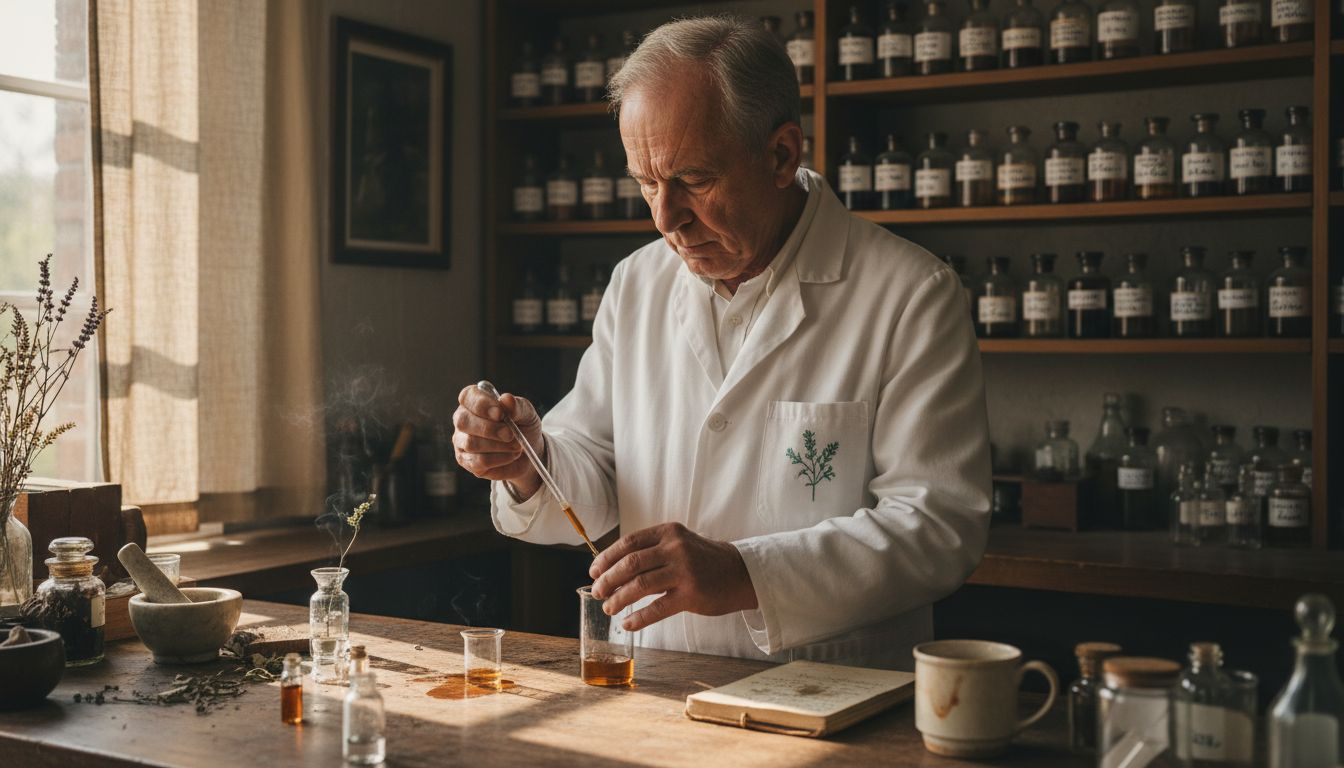
The technical mastery behind exceptional extraits begins with ingredient selection. Perfumers source the most exquisite natural essences: rare jasmine harvested under moonlight, delicate iris roots aged for decades, and precious sandalwood from specific forest regions. These ingredients undergo rigorous screening for molecular purity, ensuring that only the most sublime compounds make their way into the final composition. The concentration process demands extraordinary skill, balancing volatile top notes with deep, resonant base notes to create a harmonious olfactory landscape that unfolds gradually and mysteriously.
Beyond technical precision, creating a high-quality extrait requires an almost alchemical understanding of molecular interactions. Perfumers must comprehend how different essential oils interact, how temperature affects molecular volatility, and how microscopic variations can transform an entire aromatic profile. This is not merely mixing ingredients, but orchestrating a complex sensory symphony where each note must complement and elevate the others. The result is a fragrance that transcends mere scent, becoming a deeply personal, almost intimate sensory experience that communicates refinement, complexity, and pure artistic vision.
Pro Tip: Evaluate an extrait’s quality by its complexity – a truly exceptional fragrance will reveal different nuanced layers as it develops on your skin.
Risks, Costs, and Common Misconceptions
Common perfume misconceptions often surround Extrait de Parfum, creating confusion about its true value and characteristics. While many perceive these luxurious fragrances as prohibitively expensive and overwhelming, the reality is far more nuanced. Extraits represent a sophisticated investment in olfactory experience, with their higher upfront cost balanced by remarkable longevity and precision of scent composition.
The financial considerations of Extrait de Parfum are more complex than simple price point. Although these fragrances typically command a premium price – often £150-£500 per bottle – they prove remarkably cost-effective over time. A single 30ml bottle can last significantly longer than multiple bottles of lighter concentrations, as users require fewer applications due to the intense molecular composition. Consumers should be cautious, however, of products falsely marketed as extraits, ensuring they purchase from reputable perfumers who maintain rigorous standards of ingredient quality and concentration.
Misconceptions about intensity represent another critical area of misunderstanding. Contrary to popular belief, a high-quality extrait is not about overwhelming projection, but about creating a sophisticated, intimate scent experience. The higher oil concentration allows for a more layered, complex fragrance profile that evolves subtly against the skin. Professional perfumers craft these scents to unfold gradually, presenting different nuanced notes over several hours, rather than assaulting the senses with an aggressive initial burst.
Pro Tip: Always sample an extrait on your skin before purchasing, as its true character will reveal itself through personal body chemistry and gradual development.
Selecting and Wearing Extrait de Parfum
Selecting the perfect Extrait de Parfum requires a nuanced understanding of personal olfactory preferences and expert sampling techniques. Each fragrance represents a complex sensory journey, demanding careful consideration of seasonal appropriateness, individual body chemistry, and intended wearing context. Sophisticated fragrance enthusiasts understand that an extrait is not merely a scent, but a personal statement of refined taste and emotional expression.
Application demands precision and restraint. Given the extraordinarily high concentration of aromatic compounds, users should apply sparingly – typically one to two small dabs on pulse points such as the inner wrists, neck’s base, and behind the ears. These warm areas facilitate a gentle, controlled fragrance release, allowing the scent to interact harmoniously with body heat. Heavier, woody, or oriental extraits naturally suit cooler autumn and winter months, while lighter, citrus-based compositions complement spring and summer environments, offering a more refreshing sensory experience.
Proper storage represents another critical aspect of extrait de parfum ownership. These precious fragrances require protection from direct sunlight, extreme temperature fluctuations, and humidity. Ideally, store your extraits in a cool, dark environment – such as a dedicated perfume cabinet or drawer – to preserve their molecular integrity and prevent premature degradation. Glass bottles should be kept upright and sealed tightly, ensuring that the intricate aromatic composition remains uncompromised by external environmental factors.
Pro Tip: Allow your extrait to rest on the skin for several minutes after application, enabling its complex molecular structure to unfold and interact uniquely with your personal body chemistry.
Here is a quick reference for selecting and caring for extrait de parfum:
| Activity | Best Practice | Impact on Fragrance |
|---|---|---|
| Application | Apply sparingly to pulse points | Enhances longevity |
| Seasonal choice | Woody scents for cold months | Matches atmosphere |
| Storage | Cool, dark environment | Preserves quality |
| Sampling | Test on skin before purchase | Reveals true scent |
Elevate Your Fragrance Experience with Extrait de Parfum
Discovering the unique luxury of Extrait de Parfum is about embracing exceptional quality and unparalleled longevity. This article highlights the challenges enthusiasts face when trying to find authentic, richly concentrated fragrances that develop intricately over time without overwhelming projection. If you value complexity, subtle sillage, and refined craftsmanship, our collection offers carefully curated perfumes that embody these very qualities. Experience scents crafted with the highest oil concentrations to deliver that deeply personal and sophisticated aroma every wearer desires.
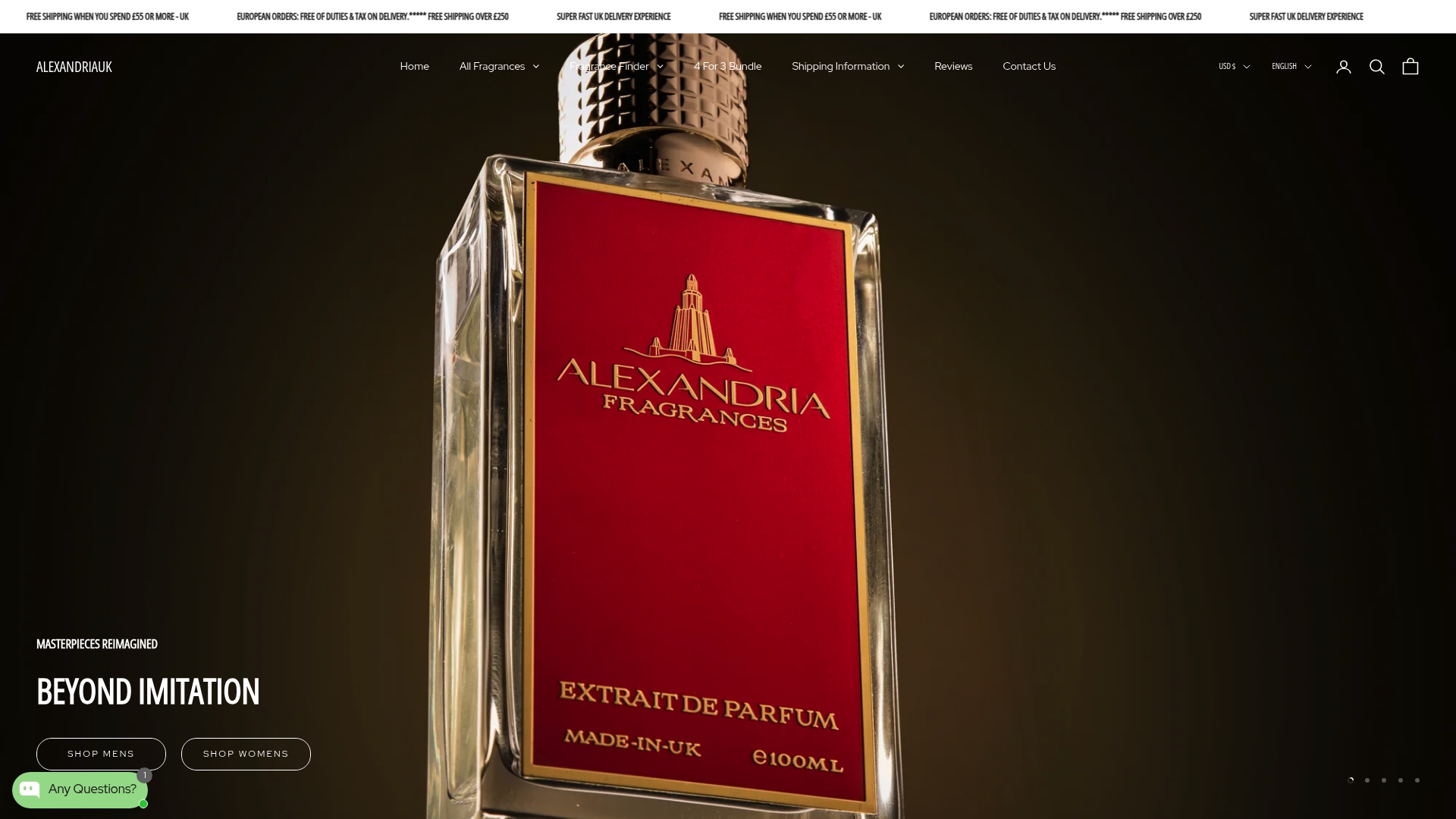
Explore our exclusive selection at Alexandria UK where quality perfume sales focus on exceptional fragrances and well-crafted dupes to suit your refined taste. Learn more about what makes extrait de parfum distinctive and how to select your perfect scent with expert advice from our fragrance academy. Don’t settle for less when indulgence is an option. Begin your journey with us today and transform your fragrance ritual with pieces designed to last and impress.
Frequently Asked Questions
What is Extrait de Parfum?
Extrait de Parfum is a highly concentrated fragrance formulation, containing 20% to 40% fragrance oils, making it the most luxurious and intense type of perfume available.
How does the oil concentration in Extrait de Parfum affect its longevity?
The higher oil concentration in Extrait de Parfum significantly enhances its longevity, allowing it to last 8-12 hours, compared to standard fragrances that may only last 3-4 hours.
What is the difference between Extrait de Parfum and Eau de Parfum?
Extrait de Parfum contains a higher concentration of fragrance oils (20%-40%), compared to Eau de Parfum (15%-20%), resulting in a richer, more complex scent that unfolds gradually over time.
How should I apply Extrait de Parfum for the best results?
Apply Extrait de Parfum sparingly to pulse points, such as wrists and neck, to enhance its release and allow the fragrance to interact with your body heat for optimal performance.