
Artikel: What is alternative perfumery: guide to affordable scents

What is alternative perfumery: guide to affordable scents
Think all affordable perfumes smell cheap and fade within hours? Alternative perfumery challenges this misconception entirely. This growing movement offers sophisticated, quality fragrances at accessible prices through expertly crafted dupes and inspired scents. Whether you’re a fragrance enthusiast seeking variety or simply curious about experiencing designer-quality aromas without the premium price tag, understanding alternative perfumery opens doors to a world of scent possibilities. This guide explains what alt perfumery truly is, how these fragrances are created, their advantages and limitations, and practical strategies for selecting quality options that deliver genuine value.
Table of Contents
- Key takeaways
- Understanding alternative perfumery and its growing appeal
- How alternative perfumery recreates scents: techniques and ingredients
- Evaluating quality and controversies in alternative perfumery
- Practical tips for exploring and selecting alternative perfumes
- Explore quality alternative perfumes with Alexandria UK
- Frequently asked questions about alternative perfumery
Key Takeaways
| Point | Details |
|---|---|
| Affordable designer scents | Alternative perfumery offers dupes and inspired scents that deliver designer quality at a fraction of the price. |
| High fragrance concentration | Quality alternative perfumes often feature twenty to thirty percent fragrance oil to boost intensity and longevity. |
| Direct to consumer | Direct to consumer models help keep prices lower by removing retail markups. |
| Transparent ingredient lists | Indie brands with transparent ingredient lists help shoppers choose higher quality dupes. |
Understanding alternative perfumery and its growing appeal
Alternative perfumery offers affordable, accessible alternatives to luxury perfumes through dupes, clones, and inspired scents. This approach targets consumers who desire designer-like quality without the premium price tag. Rather than simply copying fragrances, many alternative perfumery brands focus on recreating the essence and experience of popular scents whilst maintaining their own identity and production standards.
The movement is driven largely by independent brands that prioritise quality and accessibility over marketing budgets and celebrity endorsements. These companies operate on direct-to-consumer models, eliminating retail markups that inflate traditional perfume prices. You’ll find that alt fragrances often deliver comparable performance to their designer counterparts at a fraction of the cost, making luxury scent experiences available to a broader audience.
Millennials represent a key demographic fuelling this market expansion. This generation values experiences and variety over brand loyalty alone, seeking multiple fragrance options for different occasions rather than investing in a single expensive bottle. The alternative perfumery sector responds perfectly to this demand, offering extensive collections that allow experimentation without financial strain. Many younger consumers also appreciate the transparency that indie brands provide regarding ingredients and production methods, aligning with broader preferences for ethical consumption.
Pro Tip: Explore alternative perfumery brands with transparent ingredient lists and clear information about their fragrance oil concentrations. This transparency typically signals a commitment to quality and helps you make informed choices about which high-quality dupe perfumes will best suit your preferences and expectations.
How alternative perfumery recreates scents: techniques and ingredients
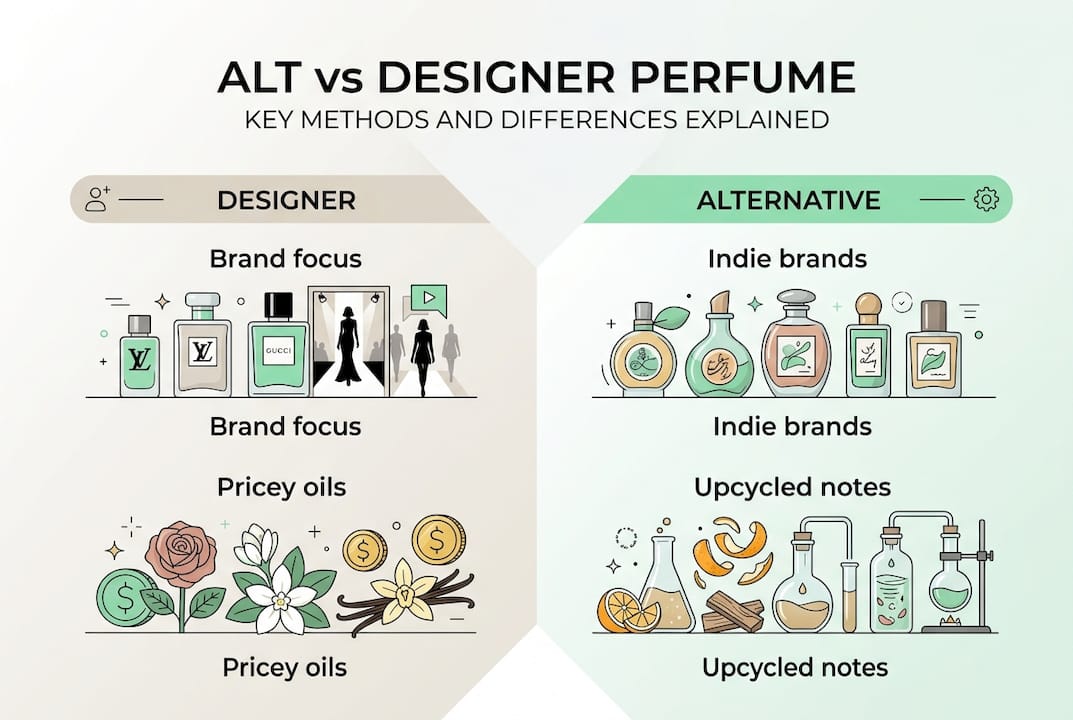
The craft behind alternative perfumes involves sophisticated techniques that balance cost efficiency with scent quality. Perfumers use synthetic or similar ingredients with high fragrance oil concentration to replicate the profiles and longevity of designer originals. These synthetics serve as substitutes for rare or expensive natural ingredients like oud, ambergris, or specific flower absolutes that drive up production costs in luxury perfumes.
High fragrance oil content proves essential for creating alt perfumes that perform well. Whilst many commercial fragrances contain 15-20% fragrance oil, quality alternative perfumes often feature concentrations of 20-30% or higher. This elevated oil content enhances both scent intensity and longevity, allowing dupes to match or occasionally exceed the performance of their designer inspirations. The concentration directly impacts how long the fragrance lasts on your skin and clothing, making it a crucial quality indicator.
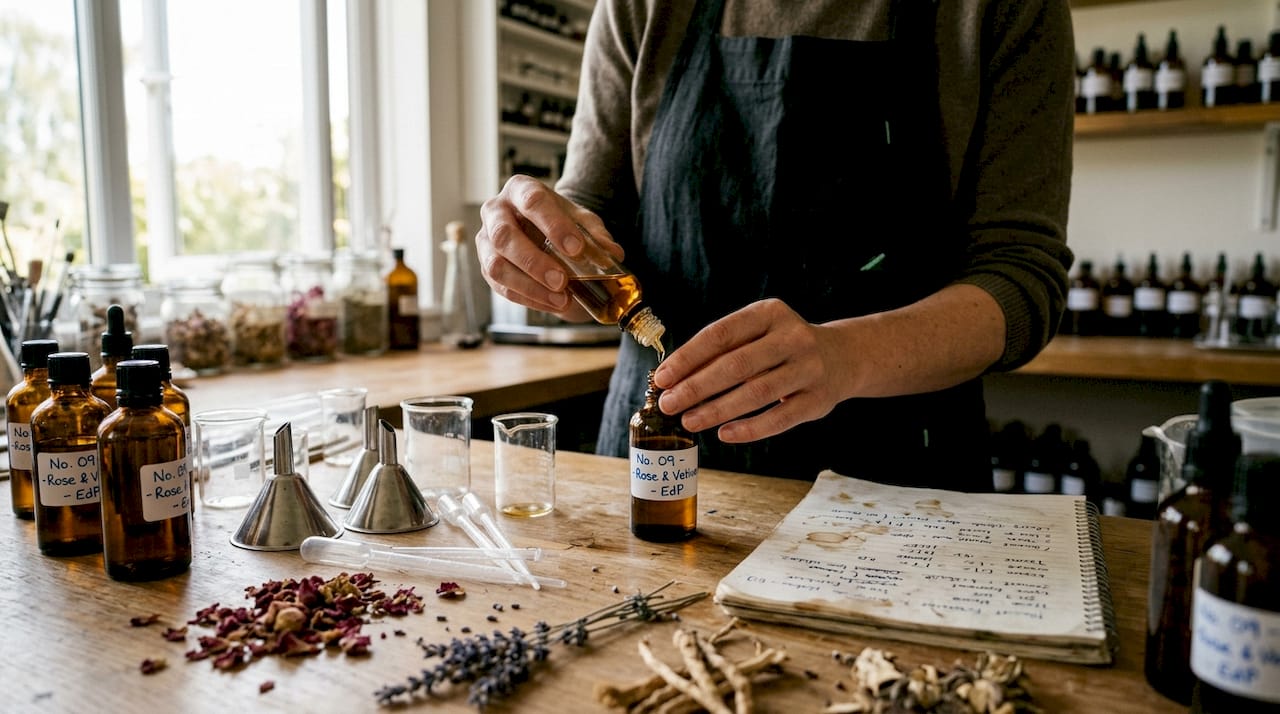
Upcycled ingredients and synthetic accords enable indie perfumers to bypass costly natural materials whilst maintaining similarity levels around 85-99%. Modern synthetic chemistry has advanced to the point where certain laboratory-created molecules can replicate natural scents with remarkable accuracy. For example, synthetic musks often outperform natural alternatives in terms of longevity and consistency, whilst costing significantly less to produce.
| Production element | Designer approach | Alternative approach |
|---|---|---|
| Base ingredients | Rare naturals, expensive extracts | Synthetics, upcycled materials |
| Oil concentration | 15-20% typical | 20-30%+ common |
| Distribution model | Retail chains, department stores | Direct-to-consumer online |
| Price point | £80-£200+ per 50ml | £25-£60 per 50ml |
| Development cost | High marketing, celebrity endorsements | Minimal marketing, quality focus |
Indie brands rely heavily on direct-to-consumer models to reduce costs without compromising quality. By selling primarily online and eliminating intermediary retailers, these companies avoid the substantial markups that traditional distribution channels impose. This business model allows them to invest more in actual fragrance quality rather than packaging, advertising campaigns, or retail space. You benefit directly from these savings whilst still accessing sophisticated scent compositions.
Pro Tip: Consider how layering dupes can enhance complexity when shopping for alternative perfumes. Combining complementary scents allows you to create unique fragrance profiles whilst maximising the value of your collection and discovering personalised combinations that suit your individual chemistry.
Evaluating quality and controversies in alternative perfumery
The alternative perfumery sector faces legitimate criticism alongside genuine praise. Purists criticise alt perfumes for lacking originality and raise intellectual property concerns, arguing that dupes undermine the creative work of original perfumers. These critics view fragrance creation as an art form deserving protection, similar to music or literature. They contend that alternative perfumes exploit the research and development investments made by luxury houses without contributing to innovation.
Conversely, advocates praise alternative perfumery’s democratising effect and sustainability potential. Supporters argue that fragrance should be accessible to everyone, not just those who can afford £150 bottles. They point out that many designer perfumes themselves draw inspiration from earlier creations, making the originality argument somewhat circular. Additionally, some alternative brands prioritise ethical sourcing and environmentally conscious production methods that rival or exceed industry standards.
Quality varies significantly across the alternative perfumery market. Some clones use cheaper synthetic materials that create a noticeably artificial or harsh smell, particularly in the opening notes. These lower-quality options often fade quickly and lack the smooth development that characterises well-crafted fragrances. However, high-quality dupes can achieve 95-99% similarity to originals, with some even delivering superior longevity, especially when applied to fabric rather than skin.
| Quality indicator | Low-quality dupes | High-quality dupes |
|---|---|---|
| Opening notes | Harsh, alcoholic, chemical | Smooth, balanced, natural |
| Similarity level | 60-75% match | 95-99% match |
| Longevity on skin | 2-4 hours | 6-10+ hours |
| Dry down | Disappears or turns sour | Develops beautifully |
| Price range | £10-£20 per 50ml | £35-£60 per 50ml |
Careful brand selection matters enormously when exploring alternative perfumes. Research customer reviews, seek recommendations from fragrance communities, and prioritise companies that provide detailed information about their production processes. Transparent brands typically deliver better quality because they’re confident in their products and willing to stand behind them. You’ll find that investing slightly more in a reputable alternative perfume often provides better value than purchasing the cheapest option available.
Buyers should test samples to assess personal preference and scent performance before committing to full bottles. Your individual skin chemistry affects how fragrances develop and last, meaning a dupe that works beautifully for one person might perform differently for you. Sampling allows you to evaluate not just similarity to the original but also whether the scent genuinely suits your preferences and lifestyle. Many quality alternative perfume retailers offer sample programmes specifically to support informed purchasing decisions, recognising that comparing dupe perfumes vs designer fragrances requires personal experience.
Practical tips for exploring and selecting alternative perfumes
Starting your alternative perfumery journey requires a strategic approach to ensure satisfying results. Follow these practical steps to discover quality dupes that deliver genuine value and enjoyment:
-
Begin by identifying your favourite designer fragrances or scent profiles you wish to explore. Understanding what you’re drawn to helps narrow the vast alternative perfume market to relevant options.
-
Research reputable alternative perfume brands with strong customer feedback and transparent practices. Look for companies that provide detailed scent descriptions, ingredient information, and clear return policies.
-
Order sample sets before purchasing full bottles. Testing samples is essential as alt perfumes vary in longevity and similarity, with some even lasting longer than originals, especially on clothing.
-
Test each sample on both skin and fabric to assess performance differences. Apply fragrance to your wrist and also spray a small amount on a scarf or clothing item to compare how the scent develops and persists across different surfaces.
-
Allow adequate time for fragrances to develop through all their phases. Initial spray, heart notes after 30 minutes, and dry down after several hours all contribute to the complete scent experience.
-
Document your impressions of each sample, noting similarity to originals, longevity, projection, and personal enjoyment. This record helps you make informed purchasing decisions and builds your fragrance knowledge.
Assessing scents both on skin and clothing reveals important performance characteristics. Some alternative perfumes perform better on fabric, where they can last 24 hours or longer, compared to 6-8 hours on skin. This difference occurs because fabric fibres trap fragrance molecules more effectively than skin, which absorbs and metabolises scent compounds. Understanding these variations helps you apply fragrances strategically for maximum impact.
Make use of layering to personalise fragrance profiles and create unique combinations. Layering involves applying multiple complementary scents to build complexity and depth. You might combine a fresh citrus dupe with a warm vanilla-based fragrance to create a custom scent that reflects your individual style. This technique also extends longevity and allows you to maximise the value of your collection by creating numerous combinations from a modest number of bottles.
Compare prices and ingredient transparency to evaluate value across different brands. Whilst price alone doesn’t guarantee quality, extremely cheap options often signal inferior ingredients or lower fragrance oil concentrations. Look for brands that clearly state their oil percentages and provide information about their sourcing and production methods. This transparency typically correlates with better quality and more reliable performance.
Pro Tip: Buy from indie brands with good customer reviews and clear refund policies. These policies demonstrate confidence in product quality and protect your investment if a fragrance doesn’t meet expectations. Reading detailed reviews from verified purchasers provides valuable insights into how to sample perfumes quality dupes effectively and what to expect from specific brands. Consider also exploring perfume selection tips bargain hunters UK and learning about dupe perfumes quality fragrance bargain options to refine your selection strategy.
Explore quality alternative perfumes with Alexandria UK
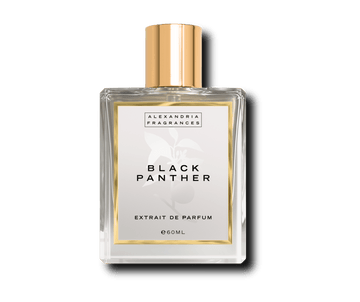
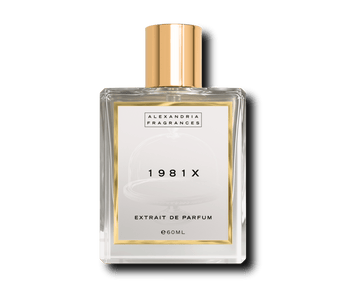
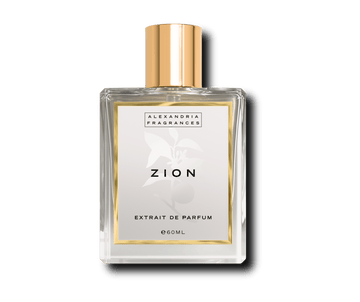
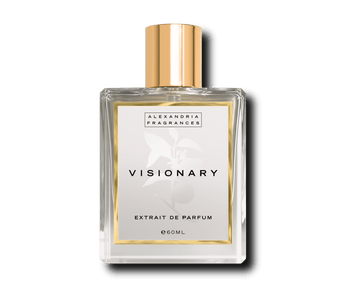
Now that you understand alternative perfumery’s potential, discovering quality options becomes your next step. Alexandria UK offers expertly curated alternative perfumes with quality assurance, helping you access designer-quality scents without the premium price tag. Their collection focuses specifically on fragrances that deliver genuine similarity and performance, eliminating the guesswork from your selection process.
Affordable options under £60 allow you to experience sophisticated scent profiles and build a diverse fragrance wardrobe. Whether you’re seeking a dupe of your signature scent or exploring entirely new fragrance families, Alexandria UK’s range provides choices for every preference and occasion. Their commitment to quality means you can shop confidently, knowing that each fragrance has been evaluated for accuracy and longevity.
Access helpful guides and tips on selecting and sampling alternative perfumes for best results. Alexandria UK provides educational resources that support informed decision-making, including detailed information about best perfume dupes UK 2026 and comprehensive guidance through their high-quality dupe perfumes guide. These resources help you navigate the alternative perfumery landscape with confidence and discover fragrances that truly suit your individual preferences and lifestyle.
Frequently asked questions about alternative perfumery
What makes alternative perfumes different from designer originals?
Alternative perfumes recreate designer scent profiles using different ingredient combinations, typically featuring synthetic materials or upcycled components instead of rare natural extracts. They maintain similar fragrance oil concentrations and scent structures whilst eliminating the premium pricing associated with luxury brand marketing and retail distribution. Quality dupes can achieve 95-99% similarity to originals in scent profile and longevity.
Are alternative perfumes safe to use on sensitive skin?
Most alternative perfumes are safe for sensitive skin, though individual reactions vary based on specific ingredients and personal sensitivities. Reputable brands use cosmetic-grade ingredients that meet safety standards similar to designer fragrances. If you have known sensitivities, test any new fragrance on a small skin area first and choose brands that provide full ingredient transparency, allowing you to avoid specific compounds that trigger reactions.
How can I tell if a dupe perfume is good quality?
Quality indicators include smooth opening notes without harsh alcohol or chemical smells, gradual scent development through distinct phases, and longevity of at least 6-8 hours on skin. High-quality dupes also maintain similarity throughout the wear time rather than diverging significantly in the dry down. Check for transparent ingredient information, customer reviews mentioning longevity and accuracy, and fragrance oil concentrations above 20%.
Is alternative perfumery legal given similarities to designer scents?
Alternative perfumery operates legally because fragrance formulas cannot be copyrighted or patented in most jurisdictions. Whilst brand names and packaging designs receive trademark protection, the actual scent compositions remain unprotected. Alternative perfume companies avoid legal issues by creating their own formulations inspired by popular scents rather than copying exact formulas, and by not using protected brand names or misleading packaging.
Where is the best place to buy alternative perfumes safely?
Purchase from established retailers with transparent business practices, clear return policies, and verified customer reviews. Reputable online specialists like Alexandria UK offer curated collections with quality assurance and detailed product information. Avoid marketplace sellers with limited information or suspiciously low prices, as these often indicate inferior quality or counterfeit products rather than legitimate alternative perfumes.
Do alternative perfumes last as long as designer originals?
Many high-quality alternative perfumes match or exceed designer fragrance longevity, particularly when applied to fabric rather than skin. Performance depends on fragrance oil concentration, with quality dupes often featuring 20-30% oil content compared to 15-20% in some designer options. Testing samples on both skin and clothing helps you assess longevity for your specific chemistry and application preferences before purchasing full bottles.


