
Artikel: Understanding Perfume Clones: An In-Depth Explanation

Understanding Perfume Clones: An In-Depth Explanation
Perfume clones are changing the way people experience luxury scents. You might expect these budget bottles to fill the gap for those missing out on the big names, but brace yourself. Some popular clone brands now match or even outperform originals in both projection and longevity, despite costing as little as £10 to £30. That means exclusivity in fragrance is no longer reserved for the wealthy and the whole idea of luxury perfume is being turned on its head.
Table of Contents
- What Are Perfume Clones And Their Origins?
- Why Do People Choose Perfume Clones?
- How Do Perfume Clones Compare To Original Fragrances?
- Key Ingredients And Techniques In Cloning Perfumes
- The Impact Of Perfume Clones On The Fragrance Market
Quick Summary
| Takeaway | Explanation |
|---|---|
| Perfume clones are affordable alternatives | They mimic expensive designer fragrances, making luxury scents accessible to a wider audience. |
| Scent cloning uses advanced techniques | Skilled perfumers apply sophisticated analysis to recreate complex fragrance compositions accurately. |
| Economical choices allow fragrance exploration | Clones typically cost between £10 to £30, enabling consumers to try multiple scents affordably. |
| Quality has significantly improved | Modern clones often match the performance of original fragrances, including longevity and projection. |
| Market dynamics are shifting | The popularity of clones is disrupting traditional luxury perfume markets, challenging pricing and consumer behaviours. |
What are Perfume Clones and Their Origins?
Perfume clones represent an intriguing world of fragrance reproduction where affordable alternatives mimic high-end designer perfumes. These replicas capture the essence and olfactory profile of expensive original scents, making luxury fragrances accessible to a broader audience. Learn more about perfume clones and their fascinating development.
The Concept of Fragrance Replication
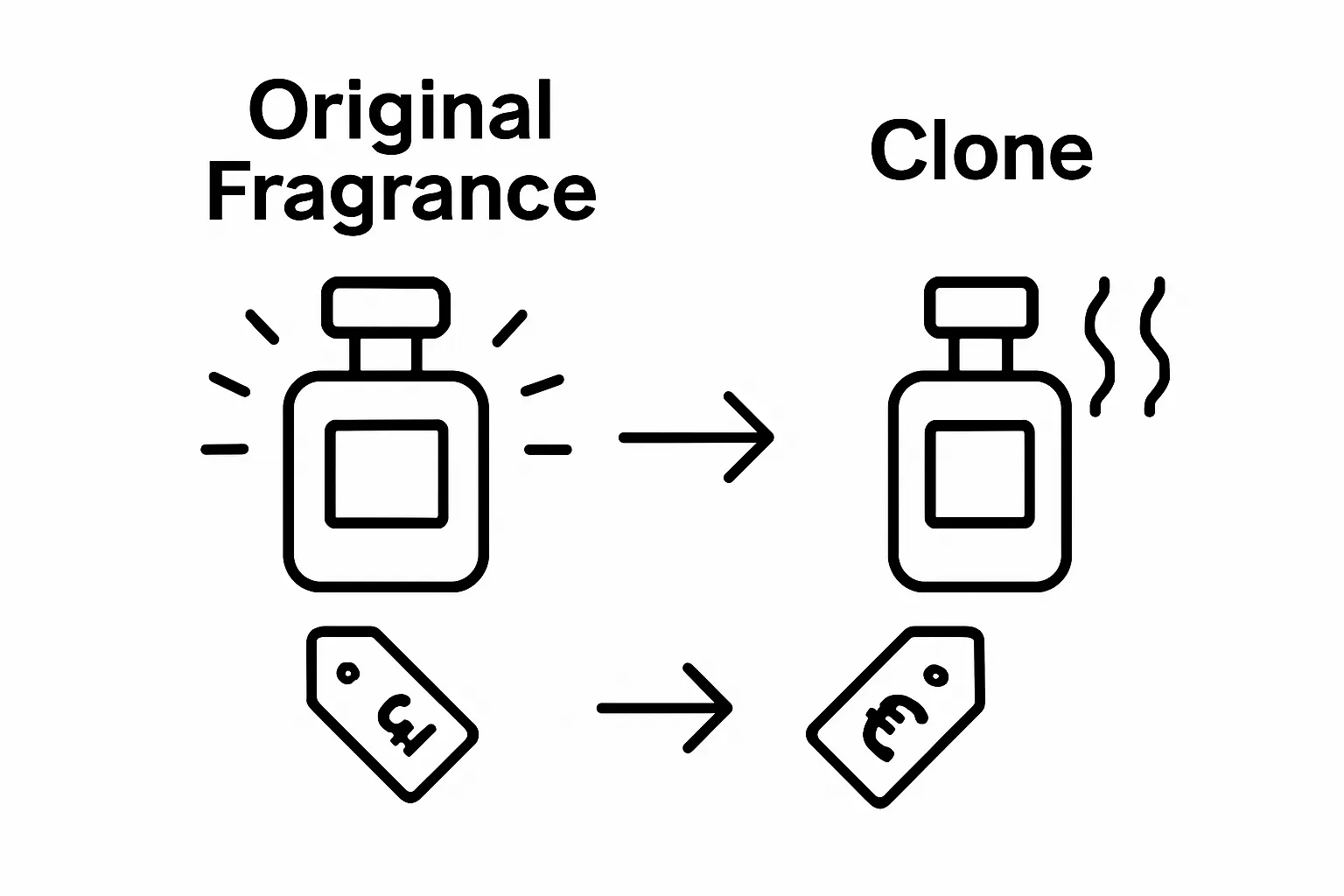
Fragrance cloning is a sophisticated process that involves carefully analyzing and reconstructing the complex molecular composition of an original perfume. Skilled perfumers and chemists deconstruct the original scent, identifying its primary notes, accords, and chemical structure to create a remarkably similar alternative. The goal is not exact replication but rather crafting a comparable sensory experience at a significantly reduced price point.
Key characteristics of perfume clones include:
- Matching the original fragrance’s primary scent profile
- Providing a similar olfactory experience
- Offering substantial cost savings compared to designer brands
- Using high-quality synthetic ingredients
Historical Evolution of Fragrance Cloning
According to Fragrantica’s historical research, the practice of perfume cloning emerged during the late 20th century. Technological advancements in synthetic chemistry enabled perfumers to analyze and reproduce complex fragrance compositions more accurately. This development democratized luxury fragrances, allowing consumers with diverse budgets to experience scents previously accessible only to affluent individuals.
The market for perfume clones has expanded dramatically, with companies like Alexandria UK specializing in creating high-quality inspired fragrances that capture the essence of renowned designer perfumes. These alternatives provide consumers with an opportunity to explore diverse scent profiles without the substantial financial investment associated with original luxury brands.
Why Do People Choose Perfume Clones?
Perfume clones have surged in popularity as consumers seek affordable alternatives to expensive designer fragrances. These budget-friendly options offer an intelligent solution for fragrance enthusiasts who want to experience luxurious scents without breaking the bank. Explore the science behind perfume duplication to understand this growing trend.
Economic Motivations
The primary driver behind perfume clone popularity is undoubtedly economic. Original designer fragrances can cost hundreds of pounds, placing them out of reach for many consumers. Perfume clones typically range from £10 to £30, providing an accessible alternative that captures the essence of high-end scents. This price difference allows individuals to experiment with multiple fragrances without significant financial commitment.
Key economic advantages include:
- Significantly lower price points compared to designer brands
- Ability to purchase multiple fragrances for the price of one original
- Reduced financial risk when trying new scent profiles
- Access to a wider range of fragrance experiences
Quality and Performance Considerations
Modern perfume clones are not mere cheap imitations but sophisticated fragrance interpretations. Advanced chemical techniques enable clone manufacturers to create remarkably close reproductions that often match or closely approximate the performance of original scents. According to Fragrance Industry Research, many clones now use high-quality synthetic molecules that provide comparable longevity and sillage to their expensive counterparts.
Consumers appreciate that these alternatives offer:
- Similar molecular structures to original fragrances
- Comparable staying power and projection
- Ethical alternatives to expensive luxury brands
- Greater accessibility for fragrance enthusiasts
The perfume clone market represents a democratization of luxury fragrances, allowing more people to enjoy sophisticated scent experiences without excessive spending.
How Do Perfume Clones Compare to Original Fragrances?
Perfume clones and original fragrances share fascinating similarities and nuanced differences that intrigue fragrance enthusiasts. While clones aim to capture the essence of designer scents, they are not exact replicas but sophisticated interpretations. Discover the key differences between perfume dupes and originals to make informed purchasing decisions.
Scent Composition and Complexity
Original designer fragrances are meticulously crafted using rare and expensive ingredients, creating complex molecular structures that deliver unique olfactory experiences. Clone manufacturers employ advanced synthetic chemistry to recreate these intricate scent profiles. Key differences emerge in the depth and subtlety of fragrance notes, with original perfumes often presenting more nuanced and layered compositions.
Critical aspects of scent comparison include:
- Precision of top, middle, and base notes reproduction
- Molecular complexity of the fragrance structure
- Authenticity of ingredient interactions
- Depth of sensory experience
Performance and Longevity Considerations
According to Fragrantica’s historical research, modern perfume clones have significantly improved in replicating the performance characteristics of original fragrances. Sophisticated synthetic molecules now enable clones to match original scents in projection, sillage, and longevity. However, subtle variations remain, with some fragrance experts noting slight differences in how clones develop and maintain their scent profile over time.
Consumers can expect variations such as:
- Slightly shorter longevity compared to original fragrances
- Minor differences in scent development
- Comparable initial projection and intensity
- Consistent base note representation
Ultimately, perfume clones offer an accessible alternative that captures the spirit of luxury fragrances, providing budget-conscious consumers with an opportunity to experience premium scent profiles without the hefty price tag.
To clarify the nuanced differences and similarities between perfume clones and original designer fragrances, the following comparison table summarises key aspects covered in this guide.
| Aspect | Perfume Clones | Original Designer Fragrances |
|---|---|---|
| Price Range | £10 to £30 | Often £100+ |
| Scent Composition | Synthetic reconstruction of originals | Meticulously crafted, often with rare ingredients |
| Complexity of Notes | Generally good, sometimes less nuanced | Highly complex, layered |
| Longevity & Projection | Often comparable, sometimes slightly shorter | Usually excellent and well-balanced |
| Accessibility | Widely accessible, especially to those on a budget | More exclusive, premium retail channels |
| Ethical Considerations | Often use synthetic substitutes | May use rare/natural resources |
| Market Impact | Disruptive, challenges pricing norms | Represents traditional luxury sector |
Key Ingredients and Techniques in Cloning Perfumes
Perfume cloning represents a sophisticated intersection of chemistry, art, and technological innovation. Fragrance experts employ advanced analytical techniques to deconstruct and recreate complex scent profiles with remarkable precision. Learn more about fragrance cloning techniques to understand this intricate process.
Synthetic Molecular Reconstruction
Synthetic molecules are the cornerstone of modern perfume cloning, enabling manufacturers to create remarkably similar reproductions of expensive designer fragrances. Perfumers use advanced gas chromatography and mass spectrometry to analyze the molecular composition of original scents. These scientific techniques allow precise identification of individual fragrance components, breaking down complex perfumes into their fundamental chemical structures.
Key synthetic ingredient categories include:
- Aromatic aldehydes for creating fresh, crisp notes
- Synthetic musk compounds for depth and longevity
- Ester-based molecules mimicking natural flower essences
- Synthetic wood and amber reconstructions
Advanced Chemical Analysis Techniques
According to Fragrance Industry Research, modern clone manufacturers employ multiple sophisticated analytical methods to ensure high-quality reproductions. Headspace technology allows researchers to capture the precise molecular profile of a fragrance, enabling near-perfect replication of complex scent compositions.
Critical analytical techniques involve:
- Gas chromatography for molecular separation
- Mass spectrometry for precise component identification
- Infrared spectroscopy to understand molecular interactions
- Comprehensive sensory evaluation by expert perfumers
The art of perfume cloning combines scientific precision with creative interpretation, transforming complex fragrances into accessible olfactory experiences for consumers seeking luxury at an affordable price point.
For readers interested in the science and process behind fragrance replication, this table summarises the primary ingredients and techniques used in perfume cloning as discussed in the article.
| Category | Description |
|---|---|
| Synthetic Molecules | Chemical compounds replicating scent notes and accords |
| Gas Chromatography | Separates perfume components for analysis |
| Mass Spectrometry | Identifies precise chemical makeup of scents |
| Infrared Spectroscopy | Analyses molecular interactions and structures |
| Aromatic Aldehydes | Provides fresh, crisp notes in replica fragrances |
| Synthetic Musks | Adds depth and increases longevity |
| Headspace Technology | Captures the precise molecular profile of the target fragrance |
| Sensory Evaluation | Expert perfumers assess and adjust the reconstructed scent |
The Impact of Perfume Clones on the Fragrance Market
Perfume clones have fundamentally transformed the fragrance industry, challenging traditional market dynamics and consumer purchasing behaviours. By offering affordable alternatives to luxury scents, these reproductions have democratised access to high-end fragrances. Explore the evolving fragrance dupe trend to understand this market revolution.
Consumer Behaviour and Market Disruption
The rise of perfume clones has significantly disrupted traditional luxury fragrance markets, creating a new ecosystem of affordable scent alternatives. Consumers now have unprecedented choices, enabling them to experiment with diverse fragrances without substantial financial investment. Smaller, agile clone manufacturers have challenged established perfume houses by offering similar olfactory experiences at dramatically reduced prices.
Key market transformation aspects include:
- Reduced barriers to fragrance exploration
- Increased consumer price sensitivity
- Emergence of niche clone manufacturers
- Pressure on traditional luxury brands
Economic and Industry Implications
According to The Conversation’s research on intellectual property, perfume clones have sparked significant legal and economic debates within the fragrance industry. Traditional perfume houses are increasingly challenged to justify premium pricing, while clone manufacturers continue to improve technological reproduction techniques.
Significant industry shifts encompass:
- Growing competition from clone manufacturers
- Potential legal challenges around scent reproduction
- Increased innovation in fragrance development
- Shifting consumer expectations around pricing
The perfume clone phenomenon represents more than a mere market trend.
 It signals a profound restructuring of how consumers perceive, access, and value luxury fragrances in an increasingly democratised marketplace.
Experience True Luxury Without the Designer Price
Are you tired of choosing between your budget and the desire to enjoy beautiful, long-lasting fragrances? Throughout our article “Understanding Perfume Clones: An In-Depth Explanation,” we highlighted how many fragrance lovers feel frustrated by the steep cost of designer scents. The concepts of accessibility, luxury, and quality are always top of mind, especially when you want the olfactory experience of a premium brand at a down-to-earth price.
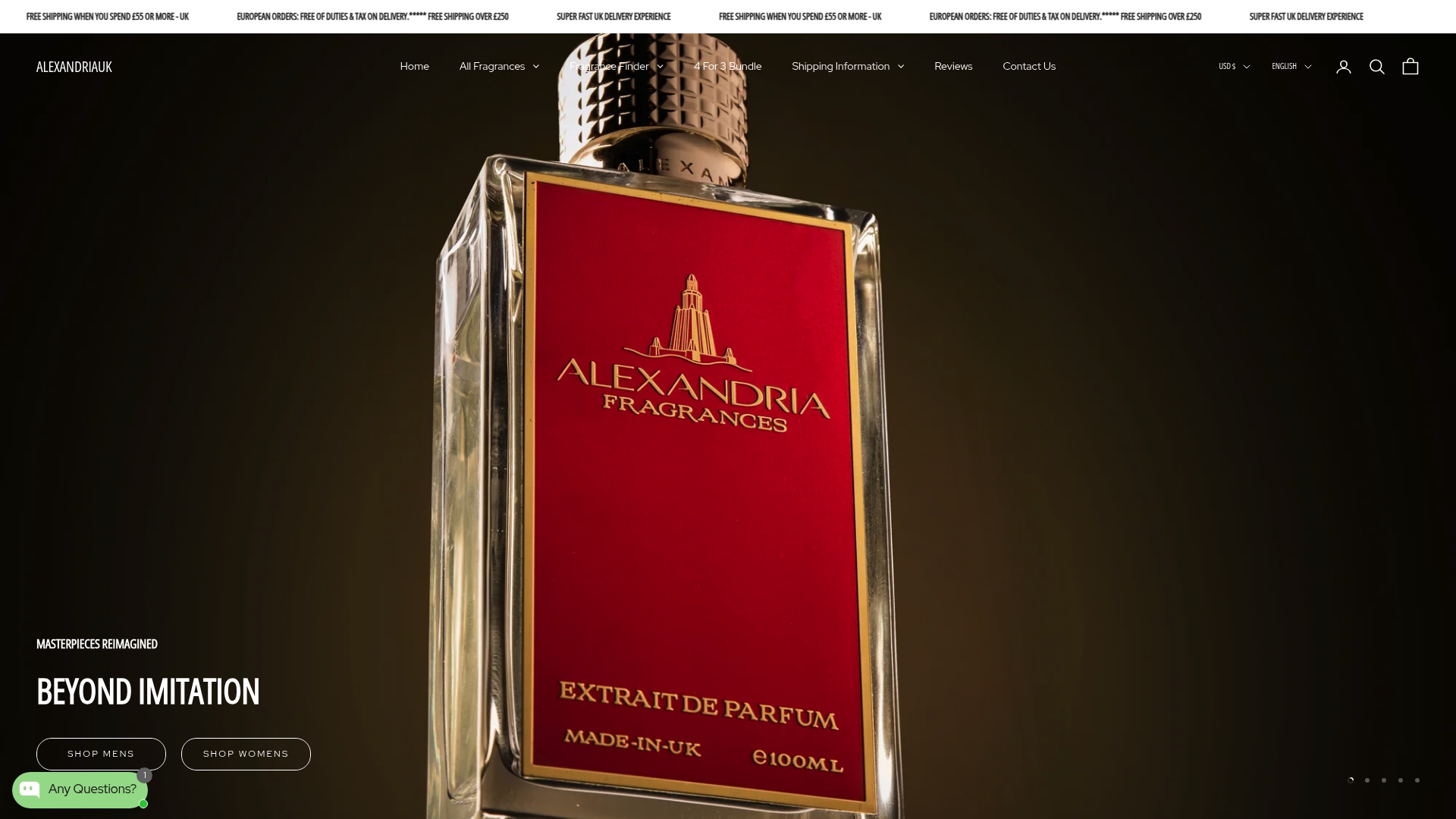
Why wait to try new, quality-inspired fragrances when you can discover affordable alternatives right now? Explore Alexandria UK, where you can browse our curated selection of fragrance dupes designed for everyday wear. Experience the art and science of perfumery for yourself and learn more about our standards of quality. Looking for more in-depth insight into how fragrances are crafted? Visit our Fragrance Academy for expert advice and behind-the-scenes knowledge. Join our community and start enjoying your signature scent at a fraction of the original cost today.
Frequently Asked Questions
What are perfume clones?
Perfume clones are affordable alternatives that mimic the scent and composition of high-end designer perfumes, providing a similar fragrance experience at a lower price point.
How are perfume clones made?
Perfume clones are created by skilled perfumers and chemists who analyse the original fragrance’s molecular structure to recreate its scent profile using high-quality synthetic ingredients.
How do perfume clones compare to original fragrances?
While clones aim to replicate the scents of original fragrances, they are not exact copies. The key differences lie in the depth of scent notes and potential variations in longevity and performance.
Why have perfume clones become popular?
Perfume clones have gained popularity due to their significant cost savings, allowing consumers to experience luxurious scents without the high price tag associated with designer perfumes.


