Artikel: Nature-inspired perfumes: the botanical guide for enthusiasts
Nature-inspired perfumes: the botanical guide for enthusiasts
Nature-inspired perfumes are fragrances designed to evoke the sensory world of the outdoors — forests, meadows, coastal air, citrus groves — using botanical extracts, nature-identical molecules, or a considered blend of both. Three picks worth sampling immediately:
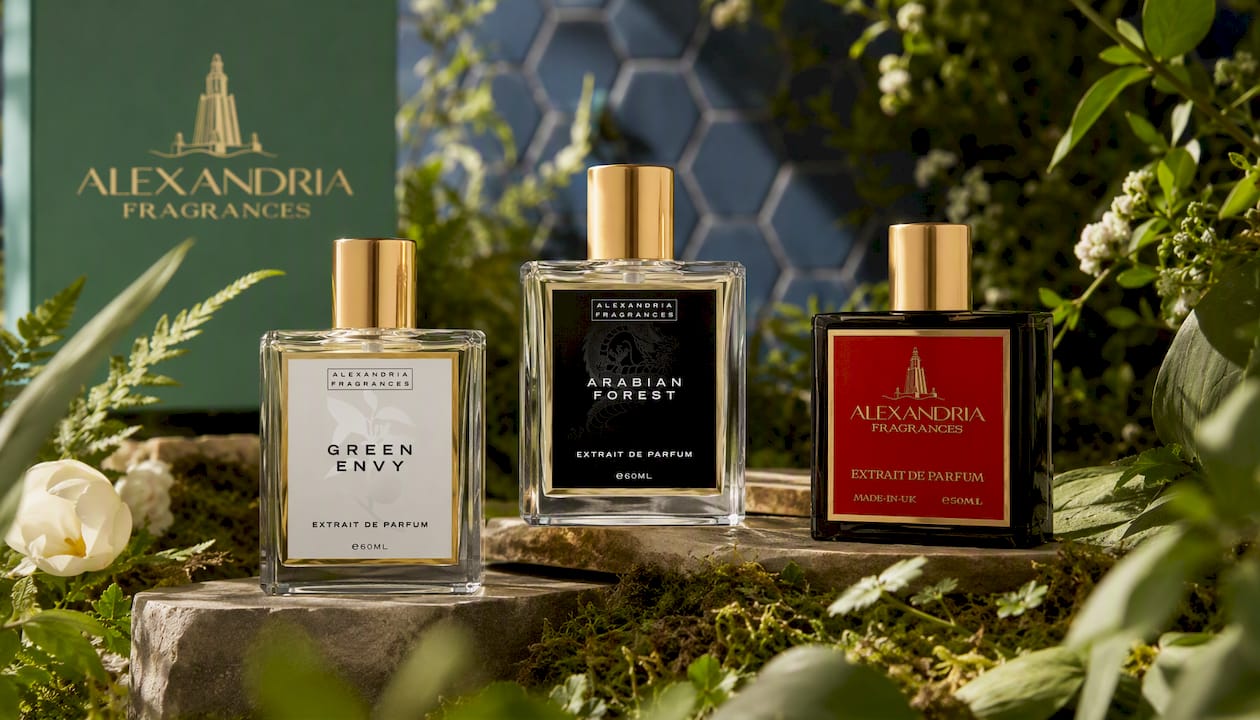
- Green Envy — a luminous green accord inspired by Parfums de Marly Greenly, crisp and verdant with a refined woody dry-down.
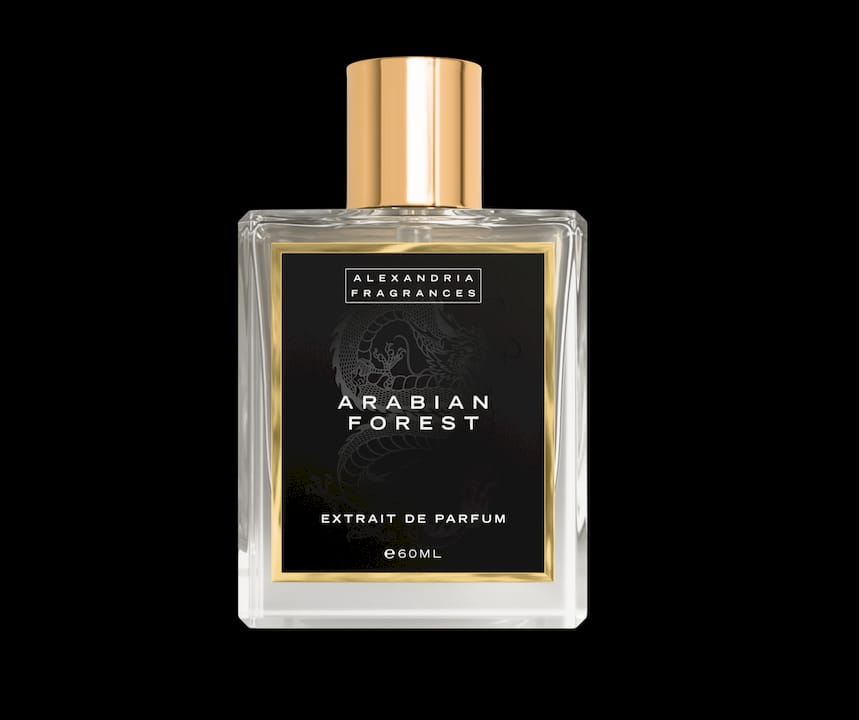
- Arabian Forest — a dark, resinous woodland composition rich with oud, cedarwood, and smoky depth.
- Eden Garden — a lush floral-botanical accord that conjures a sun-warmed garden in full bloom.
All three are available from Alexandriauk as samples or full bottles, making them low-risk starting points for anyone building a botanical fragrance wardrobe.
Key takeaways
Nature-inspired perfumes use botanical extracts, nature-identical molecules, or a blend of both to evoke the sensory world of the outdoors — and ingredient transparency is the single most reliable way to judge a brand’s genuine commitment to that vision.
| Point | Details |
|---|---|
| Definition clarity | ‘Nature-inspired’ describes aesthetic intent; ‘100% natural’ describes ingredient origin — the two are not interchangeable. |
| Botanical note mapping | Forest accords use pine, petitgrain, oakmoss, and vetiver; floral meadows rely on rose absolute, jasmine, and neroli. |
| Certification matters | COSMOS Natural/Organic and Soil Association are the credible standards; vague ‘clean’ claims without a named certifier are a red flag. |
| Sampling is essential | Botanical-heavy formulas evolve significantly on skin — always test before committing to a full bottle. |
| Alexandriauk picks | Green Envy, Arabian Forest, and Eden Garden are three distinct botanical-inspired starting points available as samples. |
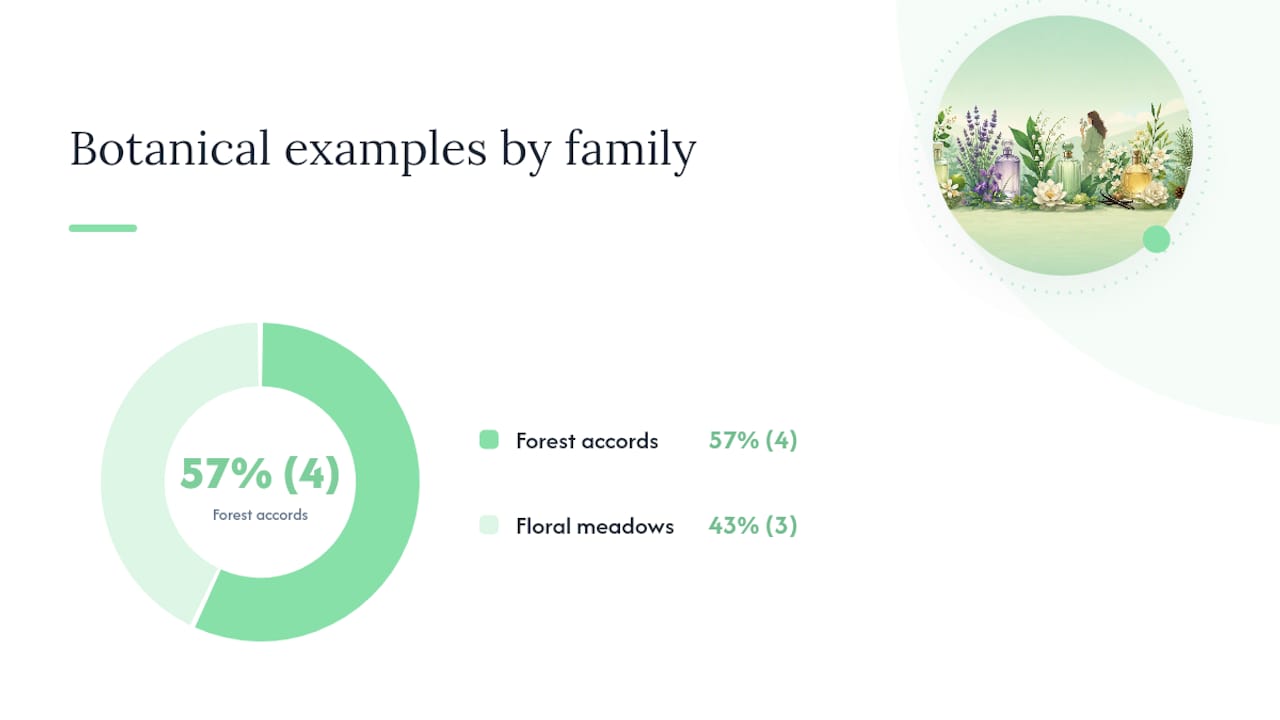
Table of Contents
- What does ‘nature-inspired’ actually mean on a perfume label?
- Which botanical note families create nature-like accords?
- How are nature-inspired perfumes actually made?
- How to choose a nature-inspired perfume: a practical checklist
- Alexandriauk’s curated nature-inspired picks
- How to verify sustainability and safety claims
- Why nature-inspired perfumery deserves serious attention
- Alexandriauk’s nature-inspired sample collection
- Sources
- FAQ
What does ‘nature-inspired’ actually mean on a perfume label?
The phrase sits in a deliberate grey zone, and understanding it protects you from greenwash. A nature-inspired fragrance takes the aesthetic of the natural world as its reference point. The formula may use genuine botanical extracts, nature-identical aroma chemicals synthesised to replicate a natural molecule, or a pragmatic blend of both. The label tells you about creative intention, not necessarily ingredient origin.
As True Born London notes, a genuinely natural fragrance identifies specific botanicals rather than hiding behind the single word ‘fragrance’ on the label.
Here is the complication: there is no single legally binding UK or EU definition of ‘natural’ on a perfume label. Any brand can print it. Signals of genuinely higher botanical content include:
- A full INCI ingredient list with named botanicals (e.g. Lavandula angustifolia oil, Cedrus atlantica bark oil) rather than the catch-all term ‘parfum’ or ‘fragrance’.
- Third-party certification: COSMOS Natural, COSMOS Organic, or Soil Association Organic, each of which sets verified ingredient-origin requirements.
- Named extraction methods (steam-distilled, cold-pressed, CO2-extracted) on the brand’s product page or data sheet.
- Transparent sourcing notes — country of origin, harvest year, or named supplier.
Natural formulas evolve more on skin, can be less projecting, and are subject to batch variation because botanical raw materials change with harvest and terroir. A practising perfumer’s guide makes the point plainly: some respected natural houses still permit small percentages of synthetics for stability, and transparency about sourcing remains the most reliable signal of genuine botanical focus.
Which botanical note families create nature-like accords?
Every landscape impression in perfumery maps to a cluster of raw materials. Knowing these mappings lets you read a note list and predict the olfactory world a fragrance inhabits.
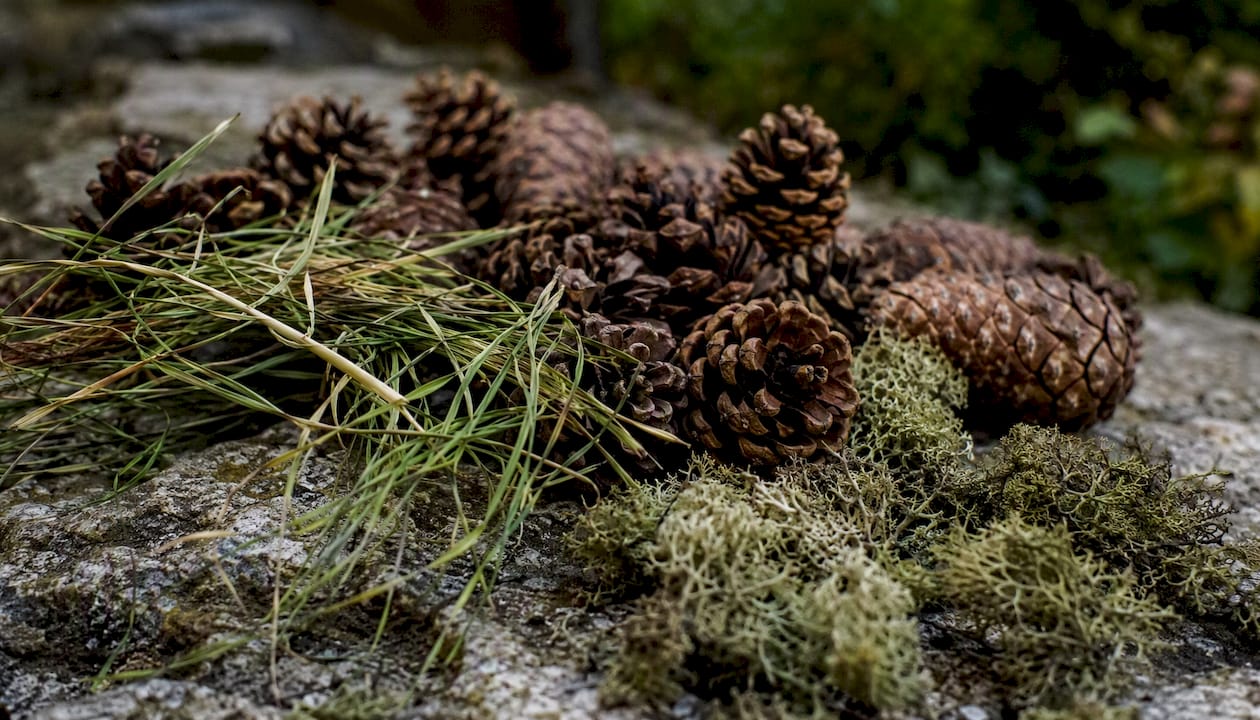
- Forest: Pine needle (steam-distilled Pinus sylvestris), petitgrain, oakmoss absolute, vetiver, and fir balsam. Together they produce a cool, resinous, slightly smoky accord that reads as deep woodland. Arabian Forest from Alexandriauk draws on this family with oud and cedarwood anchoring the composition.
- Meadow and green: Violet leaf absolute, galbanum, tomato leaf, freshly cut grass (cis-3-hexenol in nature-identical form), and hay absolute (coumarin-rich). These materials create the sharp, photosynthetic quality of green spaces.
- Coastal and marine: Ambergris tincture (or its ethical biotech equivalent), sea fennel, calone (a synthetic that captures the precise ozone-salt character of breaking waves), and driftwood-style musks. Marine accords almost always rely on at least one synthetic to achieve that open-water clarity.
- Hay and earth: Hay absolute, labdanum, patchouli, and vetiver root. Labdanum in particular carries a warm, animalic earthiness that anchors many chypre-family compositions.
- Floral meadow: Rose absolute (Rosa damascena or Rosa centifolia), jasmine sambac absolute, neroli, and ylang-ylang. Eden Garden from Alexandriauk works within this territory, its heart built around radiant florals softened by botanical base notes.
- Citrus grove: Cold-pressed bergamot, lemon, grapefruit, and petitgrain bigarade. These top notes are volatile by nature, which is why citrus-forward fragrances often pair them with a woody or musky base to extend wear.
Seasonal and regional variation shapes every one of these materials. Bulgarian rose harvested in May carries different facets from Turkish rose harvested a month later. Haitian vetiver has a smoky, rum-like character absent from Javanese vetiver. Small clinical studies suggest certain botanicals — lavender among them — can modestly influence mood and reduce anxiety, though the effect is context-dependent and should not be overstated.
Which notes smell like forest? Pine, petitgrain, oakmoss, vetiver, and fir balsam are the core quartet. Add a touch of smoky birch tar or labdanum and the accord deepens into old-growth woodland.
How are nature-inspired perfumes actually made?
The creation process determines both the character and the sustainability profile of the final fragrance.
- Steam distillation passes steam through plant material, carrying volatile aromatic compounds into a condenser. The result is an essential oil. This is the standard method for lavender, rose, and most herbs.
- Cold pressing mechanically ruptures the peel cells of citrus fruit without heat, preserving the bright, aldehydic top notes that distillation would damage.
- Solvent extraction uses a chemical solvent to draw out aromatic compounds from delicate materials (jasmine, tuberose) that cannot survive steam. The solvent is then removed to leave a concrete, which is further processed with alcohol to yield an absolute — richer and more complex than an essential oil.
- CO2 extraction uses supercritical carbon dioxide as a solvent at lower temperatures, producing extracts that are often closer to the living plant’s scent than steam-distilled oils.
- Tinctures macerate raw materials (ambergris, oakmoss, vanilla beans) in alcohol over weeks or months.
Some formulators choose nature-identical or biotech-derived materials for sound reasons. Lab-grown oud avoids pressure on wild agarwood trees; biotech vanillin is chemically identical to the molecule in vanilla pods but requires a fraction of the agricultural footprint. For modern perfumery trends, biotech substitution is one of the most significant shifts in responsible formulation.
Pro Tip: Always test a botanical-heavy fragrance on skin, not a paper strip, and allow at least 30 minutes for the heart notes to emerge. Natural materials evolve more dramatically than synthetic-forward compositions — what smells sharp on first spray often becomes the most beautiful thing in your collection an hour later.
One safety note: botanical materials can carry allergens. The EU’s IFRA allergen labelling rules require disclosure of 26 specific allergens above threshold concentrations. Reading the INCI list and understanding the ingredient list is the simplest way to check for known sensitisers before committing to a bottle.
How to choose a nature-inspired perfume: a practical checklist
- Check ingredient transparency. Look for a full INCI list with named botanicals. A label that lists only ‘parfum’ or ‘fragrance’ tells you nothing about botanical content.
- Identify the concentration. Eau de Parfum (typically 15–20% aromatic concentrate) gives better longevity than Eau de Toilette (8–12%) for botanical formulas, which tend to project more softly.
- Request a sample before buying a full bottle. Many botanical fragrances shift significantly from first spray to dry-down. Alexandriauk’s perfume selection tips cover exactly how to use samples strategically.
- Check declared allergens. If you have known sensitivities to oakmoss, tree moss, or specific florals, verify the INCI before purchase.
- Assess sustainability credentials. Look for COSMOS, Soil Association, or equivalent certification rather than vague ‘clean’ or ‘green’ claims.
- Match the scent family to your context. A forest accord suits cooler months; a citrus-floral botanical works beautifully in warmer weather.
Pro Tip: Natural-heavy formulas tend to sit closer to the skin with a softer sillage than synthetic-forward compositions. If you want a fragrance that fills a room, layer it — apply to pulse points and add a matching body product where available. As comparative fragrance guides confirm, botanical formulas reward proximity rather than projection.
Alexandriauk’s curated nature-inspired picks
Alexandriauk’s catalogue includes several fragrances that sit squarely in the botanical-inspired tradition. Three stand out as entry points into this world.
- Green Envy — inspired by Parfums de Marly Greenly. The opening is a sharp, photosynthetic green accord — violet leaf and crisp citrus — that settles into a refined woody-musky base. Best for those drawn to the meadow and green note family. A sample is the ideal way to experience how the green facets evolve through the dry-down.
- Arabian Forest — a masterful blend of oud, cedarwood, and smoky resinous base notes that captures the essence of ancient woodland. The oud accord gives it genuine depth and longevity. Best for cooler evenings or anyone who finds conventional woody fragrances too linear.
- Eden Garden — a lush, sun-warmed floral composition anchored by botanical base notes. The heart is radiant and feminine without tipping into sweetness. Best for spring and summer wear, or anyone building a collection around fragrance from flowers.
All three are available as samples or full bottles. For a deeper exploration of Alexandriauk’s botanical philosophy and sustainability approach, the best nature-inspired perfumes guide on the Fragrance Academy is the definitive pillar resource.
How to verify sustainability and safety claims
Meaningful sustainability in perfumery goes well beyond a ‘natural’ label. Here is what to look for and what to question.
Credible certifications:
- COSMOS Natural / COSMOS Organic — sets verified limits on synthetic ingredients, specifies ingredient-origin requirements, and excludes synthetic musks and phthalates from certified formulas.
- Soil Association Organic — the UK’s most recognised organic certification body, applying COSMOS standards domestically.
- Nature et Progrès — a French standard with stricter criteria than COSMOS on some ingredient categories.
Red flags:
- Vague ‘clean’, ‘green’, or ‘pure’ claims with no certification body named.
- A missing or incomplete INCI list.
- ‘Fragrance’ or ‘parfum’ as the only aromatic ingredient listed, with no further breakdown.
Environmental concerns: Synthetic musks are persistent in the environment and have been detected in human tissue — a well-documented reason many buyers seek botanical or biotech alternatives. The environmental impact of fragrance duplication is a nuanced topic Alexandriauk addresses directly.
For independent ingredient safety checking, the EWG’s Skin Deep database compiles concern ratings for personal-care ingredients and consistently advises checking ingredient lists rather than trusting marketing language. IFRA allergen labelling changes, which expanded the list of declarable allergens in recent years, now affect many natural materials — oakmoss and tree moss in particular face strict concentration limits.
Why nature-inspired perfumery deserves serious attention
The conversation around botanical and sustainable fragrances has matured considerably. What was once a niche concern — ingredient transparency, extraction ethics, environmental persistence of certain synthetics — is now central to how discerning fragrance enthusiasts evaluate a purchase. The most interesting development is not the rise of ‘natural’ as a marketing claim, but the growing sophistication of buyers who can read an INCI list, recognise a COSMOS certification, and ask a brand where its vetiver comes from.
Alexandriauk’s approach — offering quality-focused, nature-inspired compositions at accessible price points, with sampling options that let the fragrance speak before you commit — reflects exactly this shift. The catalogue rewards the kind of patient, curious engagement that botanical perfumery demands: spray, wait, return to the skin an hour later, and let the dry-down make the argument.
Alexandriauk’s nature-inspired sample collection
For fragrance enthusiasts who want to experience botanical accords without the risk of a full-bottle commitment, Alexandriauk offers samples and discovery sets across its nature-inspired range. Green Envy, Arabian Forest, and Eden Garden each represent a distinct olfactory world — green and verdant, dark and resinous, or lush and floral — and sampling all three side by side is the most efficient way to identify which botanical family resonates with your skin chemistry and lifestyle.
Returns and satisfaction are handled with the same care Alexandriauk applies to its formulations. Browse the full range, select your samples, and let the botanicals do the persuading.
Sources
- Pubmed
- Ewg
- En
- How to Tell If a Perfume Is Natural — A Perfumer’s Guide
- Clean Fragrance Glossary: Phthalate-Free, Synthetic Musks & 26 More Terms | Aimée de Mars North America
FAQ
What is the best-smelling natural perfume?
There is no single answer, as ‘best’ depends on your preferred scent family, but fragrances built around rose absolute, jasmine sambac, or aged vetiver consistently receive the highest praise from botanical perfume enthusiasts for their complexity and depth.
Which perfumes are 100% natural?
Look for COSMOS Organic certification and a full INCI list naming specific botanicals — these are the clearest indicators.
Which perfume smells like forest?
Forest-accord fragrances typically feature pine, petitgrain, oakmoss, vetiver, and fir balsam. Alexandriauk’s Arabian Forest is built around oud and cedarwood, delivering a dark, resinous woodland character with genuine depth and longevity.
Are nature-inspired perfumes eco-friendly?
Not automatically. Eco-friendly fragrances require verified certifications (COSMOS, Soil Association), transparent ingredient sourcing, and the absence of environmentally persistent synthetics such as certain synthetic musks. Always check the certification rather than the marketing claim.