
Artikel: Modern perfumery: key trends, dupes & innovations 2026

Modern perfumery: key trends, dupes & innovations 2026
The notion that modern fragrances all smell the same is one of perfumery’s most persistent myths. In reality, contemporary perfumery is experiencing a remarkable renaissance, driven by gourmand 2.0 accords, synthetic molecule breakthroughs, and a cultural appetite for personalisation that has never been stronger. From the viral rise of scent stacking to the booming dupe market offering extraordinary value, today’s fragrance landscape rewards the curious and the discerning in equal measure. This guide unpacks the key trends, innovations, and practical insights shaping perfumery right now.
Table of Contents
- What defines contemporary perfumery?
- Key scent profiles of 2026: from gourmand 2.0 to unisex innovation
- Scent layering and personalisation: the rise of fragrance stacking
- Fragrance dupes and accessibility: why clones are booming
- Innovation in formulation: molecules, AI, and sustainability
- How to experience contemporary perfumery: application tips for enthusiasts
- Find your signature with contemporary scents and accessible alternatives
- Frequently asked questions
Key Takeaways
| Point | Details |
|---|---|
| Layered, complex scents | Contemporary perfumes now favour textured, gourmand profiles and transparent, unisex styles over simple sweetness. |
| Mainstream use of dupes | Quality dupes and clones allow affordable luxury, matching 80-95 percent of the originals for most consumers. |
| Personalisation is easy | Layering, stacking, and AI-powered blends help you create your own unique scent identity. |
| Sustainability matters | Synthetic molecules and biotech are replacing rare naturals for safer, environmentally friendly perfumery. |
| Explore, mix, discover | Today’s trends invite experimentation with formats, concentrations, and unexpected combinations. |
What defines contemporary perfumery?
The perfume world of the 2020s looks strikingly different from the structured, pyramid-driven compositions that dominated previous decades. The classic top-heart-base construction, where a fragrance unfolds in rigid stages, has given way to more linear and spherical scent evolutions. These modern structures feel seamless and immersive, wrapping the wearer in a consistent olfactory signature rather than a series of distinct phases.
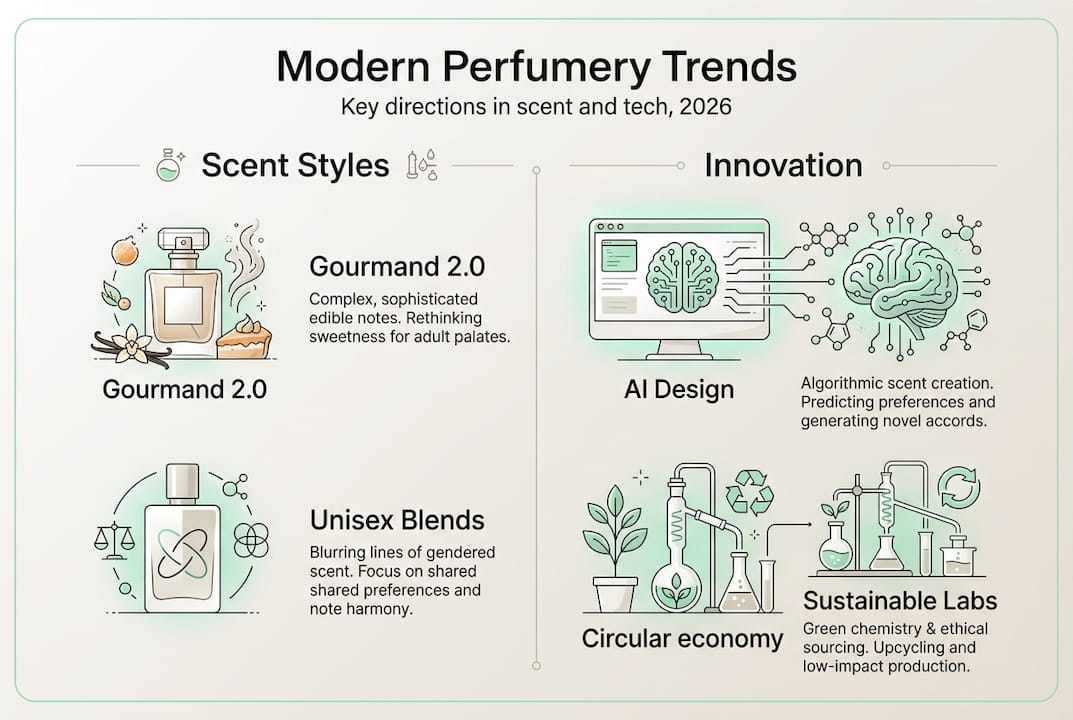
One of the most significant shifts is the rise of gourmand 2.0 profiles and textural complexity. Rather than the overtly sweet vanilla and caramel accords of the early 2000s, contemporary gourmand fragrances explore pistachio, matcha, fig, and smoked woods, favouring depth and nuance over sugary excess. This is perfumery as culinary art.
Personalisation and inclusivity have also reshaped the market. Consumers now expect fragrances that speak to individual identity rather than demographic categories. Explore fragrance academy insights to understand how this shift is influencing everything from bottle design to scent construction.
“Niche perfumery continues to push experimental and raw olfactory territory, while mainstream houses gravitate toward comfort-driven, trend-responsive compositions that resonate with the broadest possible audience.”
Reinterpretations of classic accords, such as luminous chypres and transparent florals, are also flourishing, offering familiar comfort with a modern sensibility. With these changes in mind, let’s explore the core scent profiles shaping contemporary perfumery.
Key scent profiles of 2026: from gourmand 2.0 to unisex innovation
The fragrance market in 2026 is defined by a handful of compelling olfactory directions, each reflecting broader cultural currents. The prestige perfume market grew 12% in 2025, a figure that underscores just how passionately consumers are engaging with scent as a form of self-expression.
| Scent profile | Key notes | Appeal | Example style |
|---|---|---|---|
| Gourmand 2.0 | Pistachio, matcha, fig, smoked vanilla | Textural, sophisticated | Niche and prestige |
| Creamy musk | Skin musk, sandalwood, soft amber | Intimate, wearable | Unisex, everyday |
| Unisex woods | Oud, vetiver, cedarwood, patchouli | Bold, grounding | Gender-neutral |
| Nostalgic reissues | Iris, rose, aldehydes, powdery notes | Comforting, familiar | Heritage and modern |
| Transparent florals | Peony, lily, watery accords | Fresh, luminous | Spring and summer |
Unisex, gender-neutral, and nostalgic scents including modern musks and fruits are among the fastest-growing categories. This reflects a cultural movement away from rigid gender binaries in fragrance, with consumers choosing scents based on personal resonance rather than prescribed norms.
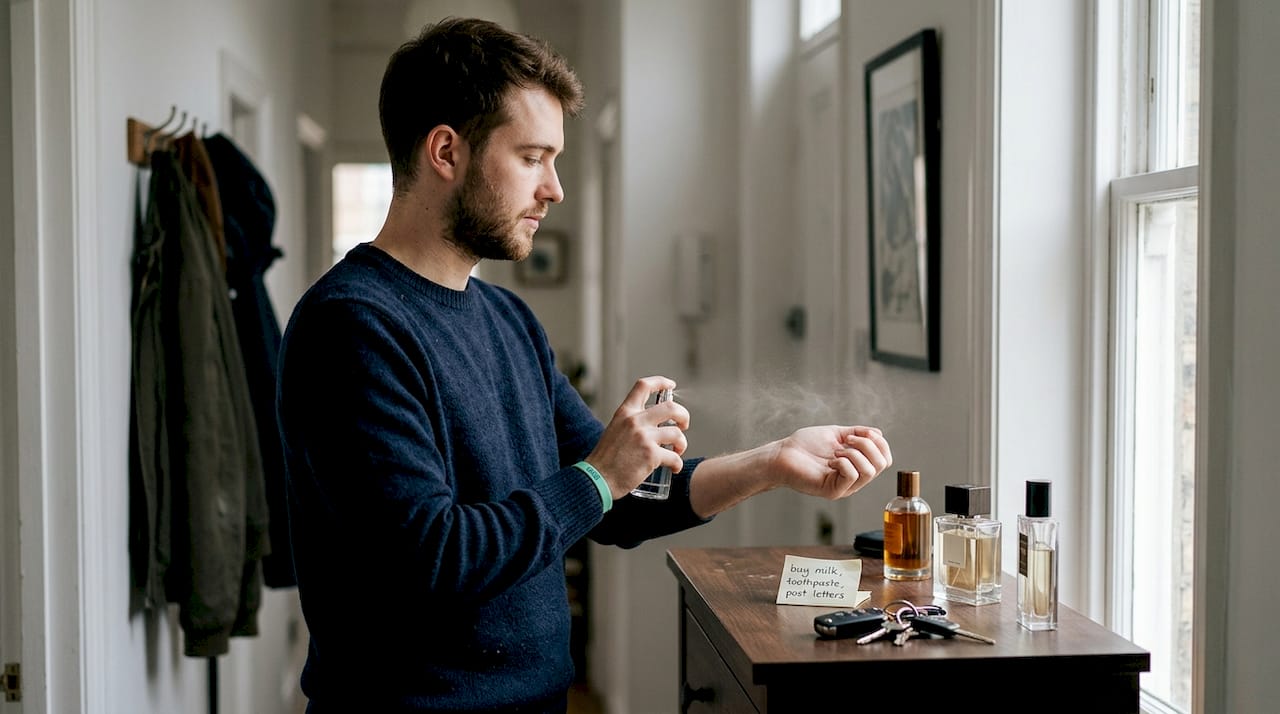
Contemporary perfumers favour sophisticated vanilla and gourmand accords over overt sweetness, crafting compositions that feel refined rather than indulgent. Discover floral and fruity perfume dupes that capture these modern profiles at accessible price points, or explore sweet perfume dupes that honour the gourmand tradition with impressive fidelity.
Now that we’ve identified the leading scent types, let’s explore how fragrance layering and personalisation are transforming everyday wear.
Scent layering and personalisation: the rise of fragrance stacking
Layering and scent-stacking practices are now mainstream for personalisation, having migrated from Middle Eastern fragrance culture into global consciousness via TikTok and Instagram. The result is a generation of fragrance enthusiasts who treat their scent wardrobe the way a chef treats a spice rack: with intention, creativity, and a willingness to experiment.
Fragrance stacking involves applying two or more complementary scents simultaneously or in sequence to create a bespoke olfactory signature. The technique rewards patience and curiosity. Here is a practical guide to getting it right:
- Start with a base. Apply your richest, most tenacious fragrance first, typically a woody, musky, or oriental accord, directly onto skin.
- Layer the mid-character. Add a floral, fruity, or gourmand scent on top, allowing it to interact with the base rather than compete.
- Finish with a light top note. A fresh citrus or aquatic spray on pulse points adds brightness and immediate impact.
- Allow each layer to settle for 30 to 60 seconds before applying the next, giving the accords time to meld.
- Assess and adjust. Step away and return to smell the combined effect with fresh senses before committing.
Pro Tip: Limit your stack to two or three fragrances. More than three risks olfactory confusion, where individual accords clash rather than harmonise, producing a muddled rather than masterful result.
The benefits extend beyond novelty. Layering improves longevity, as richer base notes anchor lighter top notes to the skin. It also allows adaptation for different moods, seasons, and settings without purchasing an entirely new fragrance. Consult the affordable fragrance dupe guide to build a layering wardrobe without overspending, or explore unisex perfume dupes that work beautifully as stacking foundations. For broader beauty layering inspiration, layering techniques in beauty offer useful parallels.
Layering isn’t the only modern solution for value and personal style, as the popularity of dupes and accessible alternatives also rises.
Fragrance dupes and accessibility: why clones are booming
The dupe phenomenon is one of contemporary perfumery’s most fascinating developments. Dupes from brands like Zara, Armaf, and Dossier offer 80 to 95% similarity to luxury perfumes at a fraction of the cost, making aspirational scents genuinely accessible to a far wider audience.
| Dupe brand | Luxury equivalent | Price range | Similarity index |
|---|---|---|---|
| Armaf | Creed Aventus | £20 to £35 | 90%+ |
| Dossier | Maison Margiela Replica | £25 to £40 | 85 to 92% |
| Zara | Various designer houses | £10 to £20 | 80 to 88% |
| Alexandria Fragrances | Niche and prestige | £30 to £55 | 90 to 95% |
Several forces are driving the dupe boom:
- Rising luxury prices. Prestige fragrance costs have increased significantly, pushing consumers toward quality alternatives.
- Experimentation culture. Dupes allow enthusiasts to trial a scent profile before committing to a luxury purchase.
- Giftability. An accessible dupe makes a thoughtful, low-risk gift for someone whose preferences you are still learning.
- Niche and indie growth. Smaller dupe houses are producing increasingly sophisticated interpretations of rare niche fragrances.
Pro Tip: Always test a dupe on your skin before deciding against the original. Skin chemistry interacts differently with formulations, and a dupe that performs brilliantly on one person may project differently on another.
Master perfumers acknowledge the genuine skill involved in crafting a convincing dupe, though they note that true luxury compositions offer greater complexity, rare naturals, and a depth that is difficult to replicate at lower price points. Explore floral fragrance dupes, classic fragrance dupes, and the broader world of best perfume dupes to find your ideal match.
Alongside these accessible alternatives, technological and scientific breakthroughs continue to shape the boundaries of modern perfumery.
Innovation in formulation: molecules, AI, and sustainability
The science underpinning contemporary fragrance is as compelling as the scents themselves. Synthetic molecules like Hedione, Ambroxan, and Iso E Super deliver spatial diffusion and transparency that natural ingredients simply cannot replicate, creating the luminous, skin-close effects that define so many modern favourites.
Key innovations reshaping the industry include:
- Spatial molecules that project scent in three dimensions, creating an aura rather than a linear trail.
- Clean musks that replace animalic ingredients with skin-safe, biodegradable alternatives.
- AI-assisted formulation, where receptor mapping optimises scent combinations for longevity, projection, and personalisation.
- Biotechnology, which replaces rare botanicals and animal-derived ingredients with lab-grown equivalents of equal or superior quality.
“IFRA 51 regulations, far from limiting creativity, have triggered a remarkable wave of innovation, compelling perfumers to discover compliant synthetics that often outperform the restricted naturals they replace.”
The IFRA regulations have, paradoxically, become a catalyst for creativity rather than a constraint. The economic picture reflects this vitality: the global fragrance market is growing at 4 to 6% CAGR, with the prestige sector leading the charge. Discover how these innovations manifest in best dupe perfumes that harness modern molecules for exceptional performance.
Having unwrapped these innovation trends, let’s consider how you can confidently navigate and apply contemporary perfumery insights as a fragrance lover.
How to experience contemporary perfumery: application tips for enthusiasts
Knowing the trends is one thing; wearing them with confidence is another. Here is a practical numbered guide to selecting, layering, and wearing contemporary fragrances for the best possible results:
- Research before you buy. Seek out ingredient lists and formulation notes. Brands that are transparent about their accords and molecules are generally more trustworthy.
- Prioritise concentration. Shifting to higher concentrations such as extrait de parfum delivers superior longevity and value, meaning fewer applications and a richer scent experience.
- Apply to pulse points. Wrists, neck, and the inside of elbows radiate warmth that amplifies fragrance projection throughout the day.
- Layer intentionally. Use the stacking method outlined earlier, starting with your richest accord and building upward.
- Document your combinations. Keep a simple note of which fragrances you layer and how they perform, refining your personal formula over time.
- Explore both luxury and accessible options. Some of the most rewarding discoveries come from pairing a prestige base with an inspired dupe top note.
Pro Tip: Keep a small fragrance journal, noting the date, weather, and occasion for each combination you try. Patterns emerge quickly, revealing which accords suit your skin chemistry and lifestyle best.
For those building a masculine-leaning wardrobe, men’s fragrance dupes offer an excellent starting point for exploring contemporary woody and aromatic profiles without significant financial commitment. With this confidence, you can embrace everything contemporary perfumery has to offer.
Find your signature with contemporary scents and accessible alternatives
Contemporary perfumery has never offered more to the curious fragrance enthusiast. Whether you are drawn to the textural sophistication of gourmand 2.0, the intimate warmth of creamy musks, or the bold confidence of unisex woods, there is a scent signature waiting to be discovered.
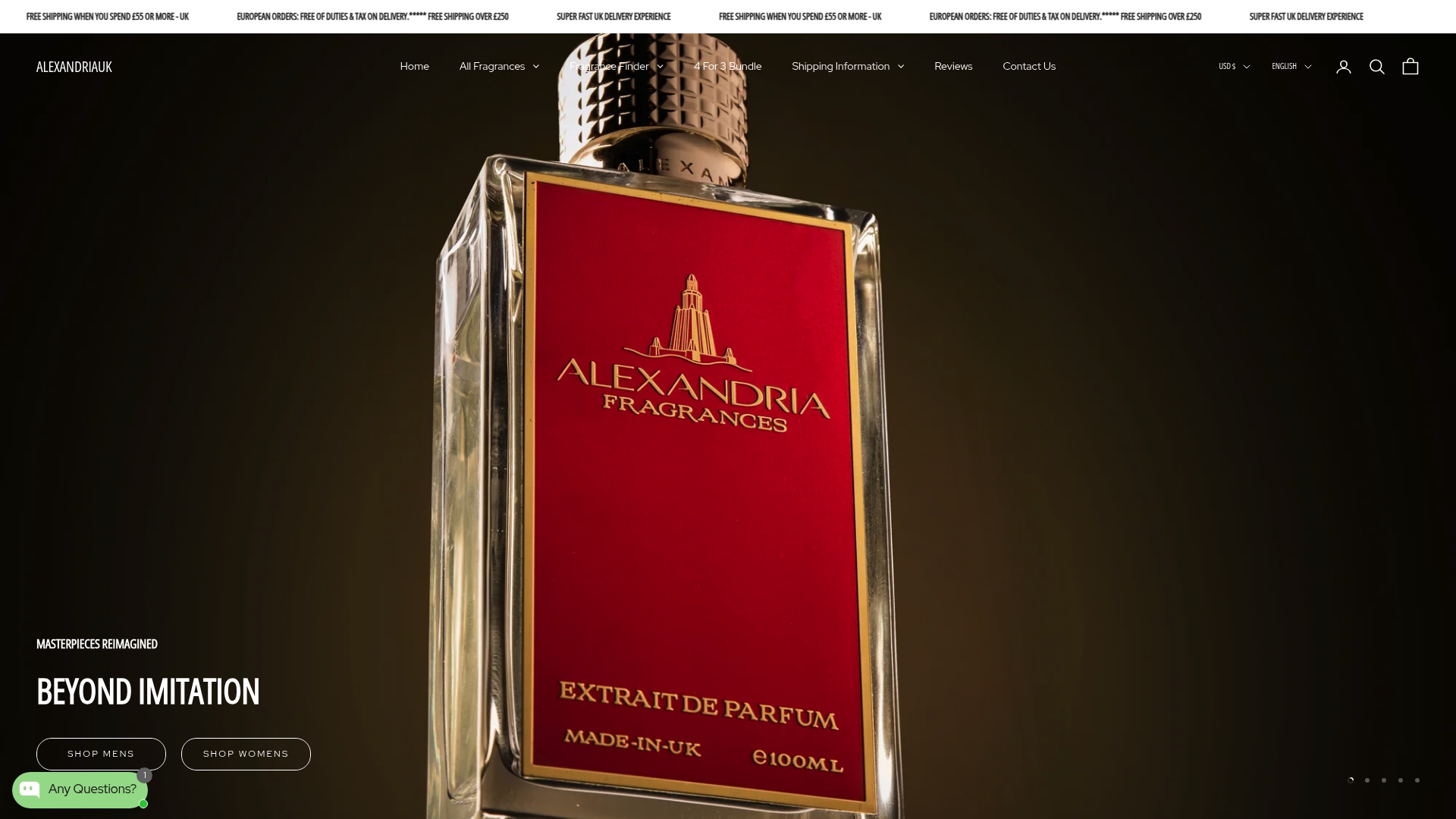
At Alexandria Fragrances, you will find a thoughtfully curated collection of contemporary and inspired fragrances, each crafted with a commitment to quality that bridges the gap between luxury aspiration and everyday accessibility. From niche-inspired compositions to beloved designer alternatives, the range invites you to explore, layer, and personalise with confidence. The affordable dupe guide is an ideal companion for building your scent wardrobe intelligently, helping you identify the finest alternatives across every olfactory family.
Frequently asked questions
What is gourmand 2.0 in perfumery?
Gourmand 2.0 refers to sophisticated, layered edible notes like pistachio, matcha, and fig that favour texture and complexity over outright sweetness, as contemporary trends confirm. These compositions feel refined and nuanced rather than simply sweet.
How do fragrance dupes compare to original luxury perfumes?
Dupes can offer 80 to 95% similarity to luxury scents but may lack some of the depth, rare naturals, and complexity found in originals. They remain an excellent option for exploration and everyday wear.
What are the benefits of scent layering?
Layering lets you create a unique scent profile and adjust fragrance intensity and longevity to suit your taste, and scent-stacking is now mainstream for personalisation. It also extends the life of lighter fragrances when anchored by richer base notes.
Are synthetic molecules safe in contemporary perfumes?
Modern synthetic molecules like Hedione are widely used, rigorously tested, and considered safe in fine fragrance under current IFRA guidelines. They are integral to the luminous, spatial effects that define contemporary perfumery.
How is AI changing perfume formulation?
AI and receptor mapping help perfumers optimise scent combinations for personalisation, longevity, and sustainability, enabling more precise and innovative formulations than traditional methods alone could achieve.


