
Artikel: Marc-Antoine Barrois Ganymede: The Complete Guide to the Fragrance (and the Best Extrait Dupe)
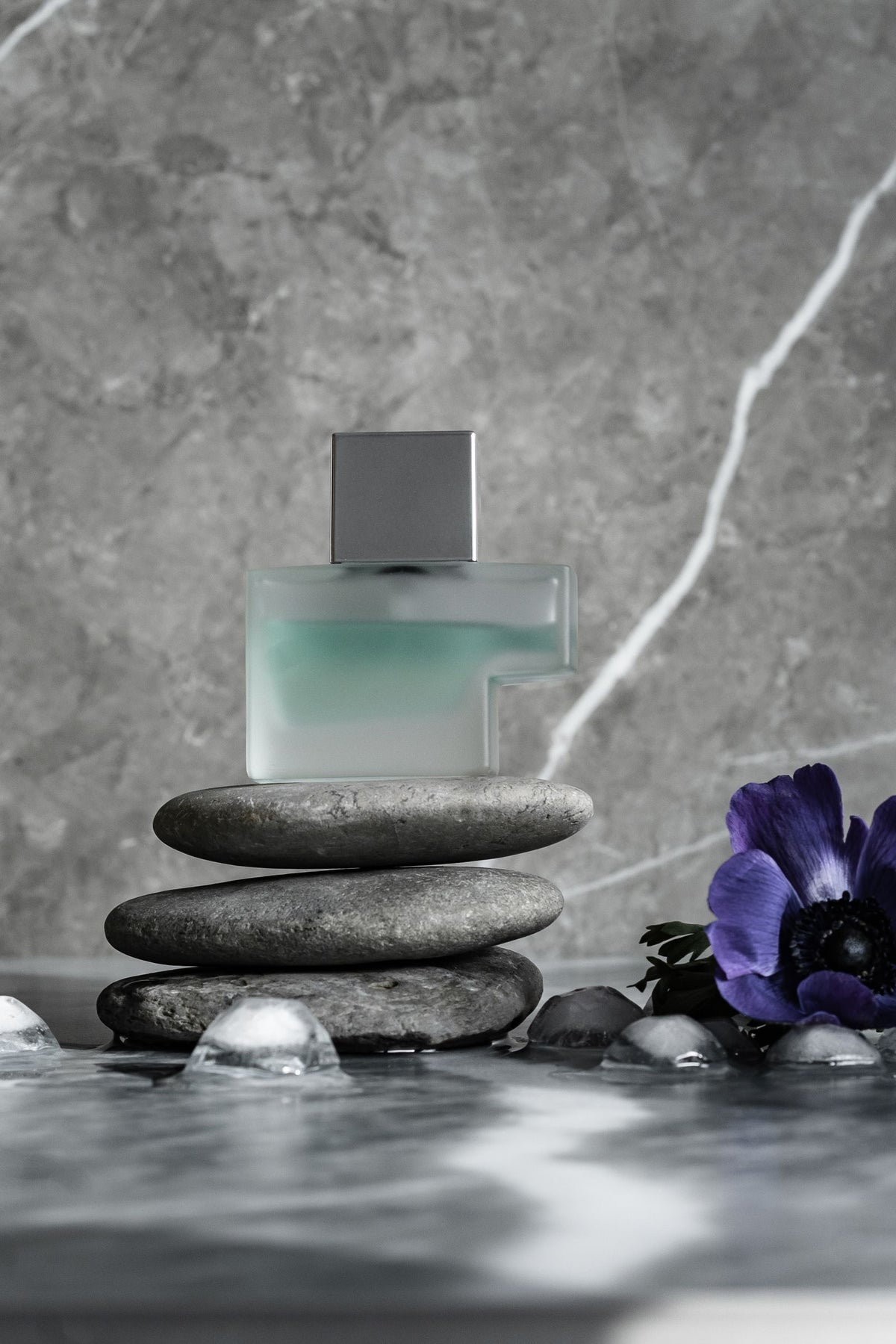
Marc-Antoine Barrois Ganymede: The Complete Guide to the Fragrance (and the Best Extrait Dupe)
Marc-Antoine Barrois Ganymede: The Complete Guide to the Fragrance (and the Best Extrait Dupe)
Most fragrances borrow their name from a place, a memory, or a mood. Ganymede borrows its name from a moon. Not a poetic gesture towards the night sky, but the actual Jovian satellite discovered by Galileo in 1610 — the largest moon in the solar system, with a cratered, icy surface and, scientists believe, a vast ocean buried beneath it. That's the starting point for one of niche perfumery's more unusual houses, Marc-Antoine Barrois, and it's worth understanding the concept before you understand the scent, because Ganymede really does smell like an idea rather than a place.
If you've come across Ganymede on a niche fragrance forum, in a "most unique perfumes" roundup, or through a friend who's deep into the world of artistic perfumery, you'll know it has a reputation as something genuinely different — not another citrus-woody safe bet, but a composition built around minerality, salt, and warmth in a way few mainstream houses attempt. Here's what it actually smells like, why it built such a devoted following, and where to find a version that captures that same character without the niche price tag.
The house behind it: who is Marc-Antoine Barrois?
Marc-Antoine Barrois isn't a perfumer by training — he's a fashion and costume designer who spent years building elaborate, sculptural pieces for haute couture before turning his attention to scent. That background shows in how the brand talks about its fragrances: less like recipes and more like garments, built in layers, with structure and drape. The house works closely with perfumer Quentin Bisch (also behind acclaimed work for Nishane, Bath & Body Works' more ambitious lines, and Vilhelm Parfumerie), and together they've built a small, tightly curated collection where each release starts from a concept rather than a brief to chase a trend.
Ganymede, released in 2019, was the house's breakout fragrance — the one that got Marc-Antoine Barrois taken seriously well beyond the small circle of niche collectors who'd followed the brand's earlier, more polarising releases. Bisch has described the idea behind it as starting "from a fantasy" rather than a memory: imagining what skin might smell like on a distant, icy moon — luminous, mineral, and strangely warm despite the cold setting.
What does Ganymede actually smell like?
The opening is bright and immediate: Italian mandarin, sharpened by a flash of saffron, giving a citrus that feels more solar than fruity — less "orange peel" and more like light hitting glass. That brightness doesn't last as the top note fades in the usual way; instead it dissolves into a heart built around osmanthus, a flower prized in perfumery for its unusual duality — apricot-like and fruity on one side, leathery and almost tea-like on the other. Barrois leans hard into that leathery facet, pairing it with violet for a heart that feels both soft and slightly austere at the same time.
The base is where the "mineral" reputation really earns its keep. Akigalawood — a modern woody-ambery material used across a lot of contemporary niche perfumery for its dry, almost salty facets — anchors everything, while immortelle (also known as everlasting flower) adds its signature warm, slightly hay-like, faintly maple sweetness. The combination is often described as smelling like a windswept, salt-crusted coastline rather than a warm amber — golden and mineral rather than gourmand or syrupy. It's airy in texture but has surprising persistence on skin, which is part of why it built such a following: it doesn't announce itself loudly, but it also doesn't disappear.
It's marketed and generally worn as unisex, and that's an accurate description rather than a marketing line — there's nothing overtly masculine or feminine in the composition; the citrus-mineral-leather structure reads as simply modern.
Who is Ganymede for?
Ganymede tends to appeal to people who've already worked through the obvious "big name" niche houses and are looking for something with more conceptual weight — the kind of wearer who enjoys a fragrance having a story behind it, not just a pleasant smell. It also suits anyone who finds classic ambers and gourmands too sweet or heavy but still wants warmth and depth; the mineral-salty base note delivers richness without ever tipping into dessert territory. If you like the idea of a "clean but not boring" fragrance — something that reads as fresh in company but has real complexity up close — this is built for exactly that brief.
It's not the fragrance for someone who wants an easy, universally-loved crowd-pleaser. Ganymede is distinctive enough that it can divide opinion, and that's very much the point of niche perfumery in the first place.
Why Ganymede is a perfect candidate for an Extrait dupe
Niche houses like Marc-Antoine Barrois charge a premium that has as much to do with tiny production runs, boutique packaging, and exclusivity as it does with the raw materials themselves. That's a legitimate part of the niche experience if you want it — but it also means a lot of people who'd genuinely love wearing Ganymede day-to-day are priced out of doing so casually, or are limited to a single precious bottle they're afraid to actually use.
This is exactly the gap Alexandria set out to close with Hanymede, our own Extrait de Parfum interpretation of that mandarin-saffron-osmanthus-immortelle structure. We didn't build it as a cheap approximation — Hanymede is formulated as the highest, most concentrated, longest-lasting form of fragrance, which matters a great deal for a composition like this one, because minerality and salt-amber base notes need real density behind them to develop properly on skin over several hours. A thin, diluted version of this kind of scent tends to just smell "citrus, then nothing" — you lose the entire point of the fragrance.
Hanymede opens with that same radiant Italian mandarin and saffron shimmer, moves through a heart of violet and Chinese osmanthus for the same soft-leathery duality, and settles into a base of akigalawood and immortelle absolute for the long, salty-golden trail that made the original such a talking point. It's hand-blended in England in small batches, which keeps the craftsmanship close to what drew people to the niche original in the first place, at a fraction of the outlay — the 30ml comes in at £39.99 rather than the triple-figure sums niche pricing usually demands, so you can actually reach for it without rationing it.
If you're comparing options more broadly, it's worth noting that mainstream dupe retailers like Zara or M&S generally don't touch fragrances this niche at all — there's rarely enough search volume or brand recognition to justify it commercially. Specialist dupe houses are really the only place you'll find an interpretation of something like Ganymede, which is part of why we built one.
How Hanymede compares to the original
We're not going to pretend an Extrait interpretation is a molecule-for-molecule reproduction — no honest dupe house would claim that, and Marc-Antoine Barrois' own formulation is proprietary. What we've aimed for is the character: the same mandarin-and-saffron opening, the same osmanthus-violet heart with its leathery edge, and crucially the same salty-mineral-amber base that made the original memorable, delivered in a concentration built to last through a full day or evening rather than fading within the hour. If you've smelled and loved the original on a friend or in a boutique but balked at the price, Hanymede is designed to get you most of the way there for considerably less.
For a wider look at how Extrait de Parfum compares to other concentrations, and why it's worth seeking out specifically for compositions like this one, our Ultimate UK Perfume Dupe List covers the full range of what we offer and how each one stacks up against its inspiration. Hanymede also sits within our Unisex Perfumes collection alongside our other gender-neutral interpretations, if you're browsing more broadly for something that works regardless of who's wearing it.
Frequently asked questions
Is Marc-Antoine Barrois Ganymede unisex?
Yes. It's marketed and generally worn as a unisex fragrance, and the composition — bright citrus, leathery floral heart, salty-mineral amber base — doesn't lean distinctly masculine or feminine. Hanymede follows the same unisex positioning.
What does Ganymede smell like if I've never tried niche perfumery before?
Think bright mandarin citrus that fades into something more unusual: a leathery, slightly fruity floral heart, settling into a warm but not sweet, salty-amber base. It's often compared to the smell of a sun-warmed, salt-crusted coastline rather than a typical "designer" amber or gourmand.
How long does the Hanymede Extrait de Parfum last on skin?
As an Extrait de Parfum — the highest, most concentrated, longest-lasting form of fragrance — Hanymede is built to develop and hold through a full day or evening, which particularly suits a composition like this one where the mineral-amber base notes need time to fully unfold.
Why is there no niche fragrance dupe from mainstream retailers?
Fragrances at Ganymede's level of niche exclusivity rarely get the mass-market dupe treatment because the audience is smaller and more specialist. Dedicated dupe houses that pay closer attention to niche and artistic perfumery, rather than only chasing designer bestsellers, are generally the only place you'll find a genuine interpretation.
What size should I start with if I've never tried Hanymede?
Our 10ml Travel Spray is a good low-commitment way to live with a scent this distinctive before deciding on a full bottle, especially given how divisive genuinely unusual niche compositions can be from one person's skin to the next.



%0A%0AMost%20fragrances%20borrow%20their%20name%20from%20a%20place,%20a%20memory,%20or%20a%20mood.%20Ganymede%20borrows%20its%20name%20from%20a...)