
Artikel: Understanding Long-Lasting Perfume Explained: The Secrets Behind Scents

Understanding Long-Lasting Perfume Explained: The Secrets Behind Scents
Perfume lovers spend hours seeking the perfect scent, but the real magic lies in how long a fragrance can actually last on your skin. Some perfumes barely linger for an hour, while others—especially those with base notes like sandalwood, which can last for 6 to 8 hours—refuse to fade even after a long day. That might sound straightforward, yet what makes a scent truly enduring is not just the label or price tag, but a complex mix of chemistry, skin interaction, and clever formulation that most people never notice.
Table of Contents
- What Defines Long-Lasting Perfume?
- Why Longevity Matters In Fragrance Choices
- The Science Of Scent: How Perfumes Last Longer
- Key Ingredients That Influence Fragrance Duration
- Real-World Context: Choosing The Right Long-Lasting Perfume
Quick Summary
| Takeaway | Explanation |
|---|---|
| Higher concentration equals longer lasting scents. | Perfumes with more essential oils last up to 8 hours, while those with lower concentrations may fade within a few hours. |
| Apply on pulse points for improved longevity. | Spraying fragrance on warm areas enhances scent release due to body heat, leading to a more prolonged effect. |
| Consider your skin chemistry when selecting scents. | Individual factors like pH and hydration impact how fragrances evolve and last on your skin. |
| Store perfumes properly to maintain quality. | Keeping fragrances away from sunlight and extreme temperatures helps preserve their molecular integrity, ensuring consistent performance. |
| Investing in long-lasting perfumes offers economic benefits. | Although more expensive up front, long-lasting scents require less frequent purchases, saving money over time. |
What Defines Long-Lasting Perfume?
Understanding what makes a fragrance truly long-lasting involves exploring several critical aspects of perfume composition and chemistry. Perfume longevity goes beyond simple fragrance duration and encompasses complex interactions between aromatic molecules.
Concentration of Aromatic Compounds
The primary factor determining a perfume’s staying power is its concentration of aromatic compounds. Perfumes with higher percentages of essential oils and fragrance notes naturally persist longer on the skin. Professional perfumers classify fragrances based on their oil concentration:
The following table compares different fragrance classifications by their concentration levels and expected longevity, helping readers quickly understand how scent strength relates to duration.
| Fragrance Type | Aromatic Compound Concentration | Typical Longevity on Skin |
|---|---|---|
| Parfum / Extrait | 20-40% | 6-8 hours or more |
| Eau de Parfum | 15-20% | 4-6 hours |
| Eau de Toilette | 5-15% | 2-4 hours |
| Eau de Cologne | 2-5% | 1-2 hours |
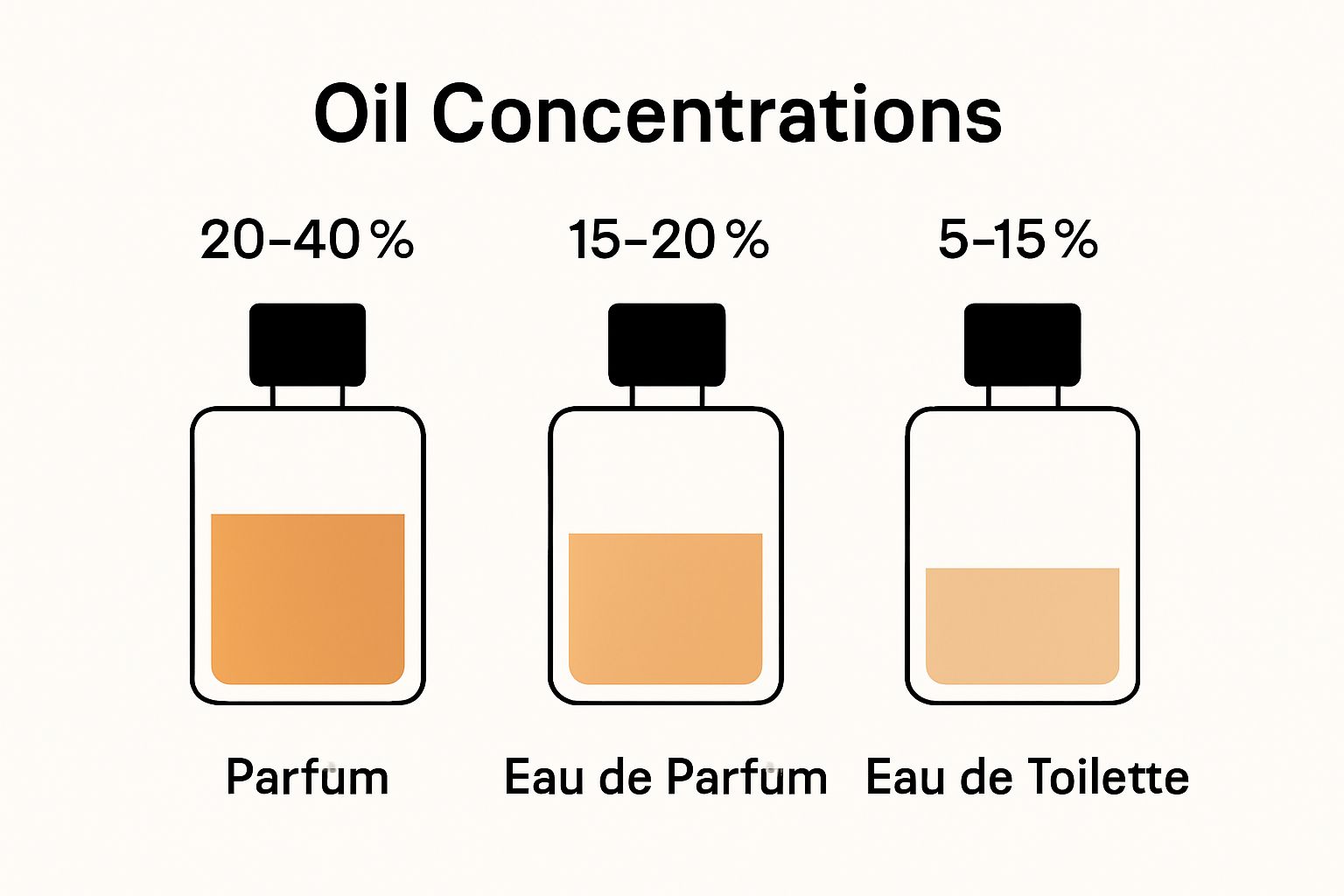
- Parfum/Extrait: 20-40% aromatic compounds
- Eau de Parfum: 15-20% aromatic compounds
- Eau de Toilette: 5-15% aromatic compounds
- Eau de Cologne: 2-5% aromatic compounds
Molecular Structure and Evaporation Rates
The molecular composition of a perfume significantly influences its longevity. Heavier, more complex molecules like base notes from woody, musky, or oriental families tend to evaporate more slowly. These molecular structures create a slower, more gradual release of fragrance, ensuring the scent remains detectable for extended periods.
According to research from Britannica, perfume molecules interact uniquely with individual skin chemistry, which means the same fragrance can perform differently on various individuals. Factors such as skin temperature, moisture levels, and personal pH balance all contribute to how long a perfume will last.
This table summarises how key skin-related and environmental factors influence the longevity and evolution of perfume on different individuals.
| Influencing Factor | Effect on Perfume Longevity |
|---|---|
| Skin pH Balance | Can alter scent evolution and longevity |
| Skin Temperature | Higher warmth increases evaporation rate |
| Moisture Levels | Dry skin may reduce scent lasting power |
| Body Hydration | Well-hydrated skin helps retain fragrance |
| Environmental Conditions | Heat, humidity, and sunlight can speed fading |
Application and Preservation Techniques
Beyond chemical composition, how you apply and preserve your perfume dramatically impacts its longevity. Applying fragrance to pulse points like wrists, neck, and behind ears allows the scent to interact with body heat, enhancing its staying power. Maintaining proper storage conditions away from direct sunlight and extreme temperatures also preserves the perfume’s molecular integrity.
By understanding these intricate factors, fragrance enthusiasts can make more informed choices about selecting and maintaining long-lasting perfumes that suit their individual preferences and body chemistry.
Why Longevity Matters in Fragrance Choices
Choosing a long-lasting fragrance transcends mere aesthetic preferences, representing a strategic investment in personal presentation and psychological well-being. Understanding perfume longevity reveals the profound impact a persistent scent can have on personal and professional interactions.
Psychological and Social Significance
Fragrance longevity plays a critical role in personal branding and social perception. A scent that maintains its character throughout the day communicates confidence, attention to detail, and sophistication. According to scientific research, our olfactory experiences are deeply connected to emotional memory and social impressions.
Key psychological benefits of long-lasting fragrances include:
- Sustained personal confidence
- Enhanced mood stability
- Consistent personal olfactory signature
- Reduced need for frequent reapplication
Economic and Practical Considerations
From a practical standpoint, investing in long-lasting perfumes offers significant economic advantages. Higher concentration fragrances might seem more expensive initially, but they provide better value by requiring smaller quantities and less frequent purchases. Consumers who prioritize longevity effectively reduce their long-term fragrance expenditure.
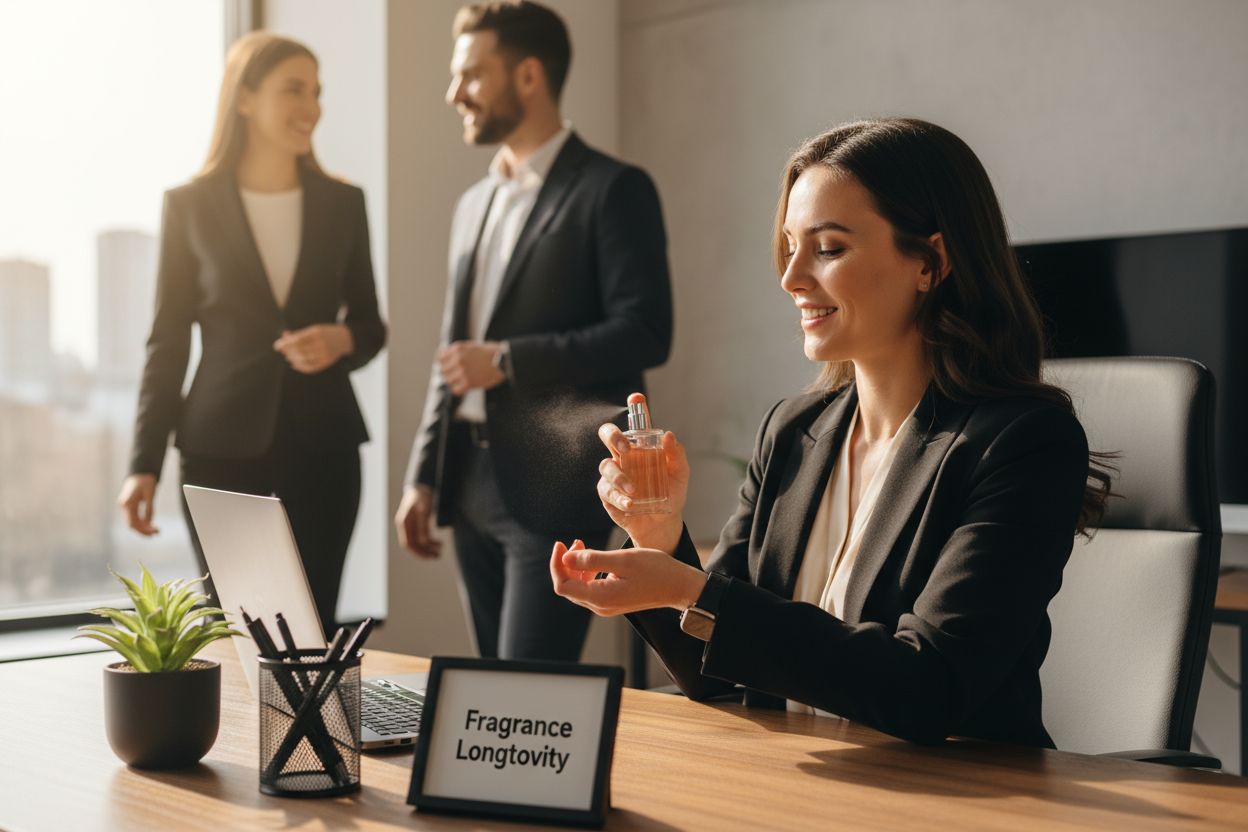
Professional environments particularly value consistent, subtle fragrances that maintain their integrity without overwhelming spaces. A well-chosen long-lasting perfume suggests professionalism and thoughtful personal grooming.
Performance and Personal Comfort
Beyond social and economic factors, fragrance longevity directly impacts personal comfort and experience. A perfume that remains stable throughout different environmental conditions ensures consistent sensory pleasure. Whether navigating a busy workday, attending evening social events, or traveling, a persistent fragrance provides a sense of continuity and personal expression.
Ultimately, understanding and selecting long-lasting perfumes represents more than a simple purchasing decision. It is an intimate exploration of personal identity, emotional well-being, and sensory sophistication.
The Science of Scent: How Perfumes Last Longer
Perfume longevity is a complex interplay of chemistry, molecular structure, and environmental interactions. Heat-proof fragrances demonstrate how scientific understanding can dramatically enhance scent performance.
Molecular Volatility and Fragrance Layers
The scientific foundation of perfume longevity lies in understanding molecular volatility. Perfume molecules are categorised into three primary layers with distinct evaporation characteristics:
- Top Notes: Lightest molecules, evaporate within 15-30 minutes
- Middle Notes: Medium-weight molecules, persist for 2-4 hours
- Base Notes: Heaviest molecules, can remain detectable for 6-8 hours
According to scientific research published in Nature, these molecular layers create a sophisticated temporal release mechanism that allows fragrances to evolve and maintain complexity throughout wear.
Chemical Fixatives and Molecular Stabilisation
Perfumers employ sophisticated chemical techniques to extend fragrance duration. Synthetic and natural fixatives like benzoin, oakmoss, and synthetic molecules such as ethyl maltol act as molecular anchors, slowing down evaporation and creating a more stable scent profile.
These fixatives interact with skin proteins and create a microscopic barrier that prevents rapid molecular dispersion. The result is a more controlled, prolonged fragrance experience that maintains olfactory integrity across varying environmental conditions.
Interaction with Skin Chemistry
Individual skin chemistry plays a crucial role in perfume performance. Factors such as skin pH, temperature, moisture levels, and even genetic predispositions influence how fragrances develop and persist. Skin lipids and proteins create a unique microenvironment that can either enhance or diminish a perfume’s molecular stability.
The most advanced fragrances are engineered to adapt to these individual variations, creating a personalised scent experience that remains consistent and appealing throughout the day. By understanding these intricate scientific principles, perfume enthusiasts can make more informed choices about their fragrance selections.
Key Ingredients That Influence Fragrance Duration
Understanding the ingredients that contribute to long-lasting perfumes requires exploring the intricate world of aromatic molecular structures. Finding your perfect fragrance match begins with recognising the essential components that determine a scent’s persistence.
Natural Base Note Ingredients
Natural base note ingredients play a crucial role in extending fragrance duration. According to scientific research from botanical studies, these ingredients act as powerful molecular anchors that slow down evaporation and create a sustained scent profile.
Key natural ingredients known for exceptional longevity include:
- Sandalwood: Provides rich, creamy base notes lasting 6-8 hours
- Patchouli: Creates deep, earthy undertones with remarkable staying power
- Vetiver: Offers complex, rooted scent profiles that persist throughout the day
- Cedarwood: Delivers woody, grounding notes with extended molecular stability
Synthetic Molecular Enhancers
Modern perfumery leverages advanced synthetic molecules designed specifically to enhance fragrance longevity. These engineered compounds provide more consistent performance compared to natural extracts. Synthetic ingredients like ambroxan, ethyl maltol, and ISO E Super create molecular structures that interact differently with skin chemistry, allowing for more controlled and prolonged scent release.
These synthetic enhancers work by:
- Reducing molecular volatility
- Creating stable molecular bonds
- Preventing rapid scent dissipation
- Enhancing overall fragrance projection
Carrier and Fixative Technologies
Beyond individual ingredients, the overall formulation technique significantly impacts fragrance duration. Perfumers utilise carrier oils and advanced fixative technologies that help molecules adhere to skin more effectively. Ingredients like jojoba oil, fractionated coconut oil, and specialized molecular carriers create a protective matrix that slows down scent evaporation.
The most sophisticated fragrances combine natural and synthetic ingredients, creating a complex molecular ecosystem that adapts to individual skin chemistry while maintaining a consistent, long-lasting olfactory experience.
Real-World Context: Choosing the Right Long-Lasting Perfume
Selecting a long-lasting perfume requires more than understanding molecular science. Matching your scent to the right occasion involves strategic considerations that blend personal style, professional requirements, and environmental factors.
Professional and Social Environment Considerations
Workplace and social settings demand nuanced fragrance choices. Professional environments typically require subtle, understated scents that do not overwhelm colleagues. According to workplace communication research, fragrances can significantly impact interpersonal perceptions and workplace dynamics.
Key professional fragrance selection criteria include:
- Moderate intensity: Ensuring scent remains detectable without being intrusive
- Clean, fresh notes: Projecting professionalism and personal hygiene
- Consistent performance: Maintaining a stable scent profile throughout workday
- Neutral aromatic profile: Avoiding polarising or controversial fragrance compositions
Personal Skin Chemistry and Individual Variations
Each individual’s unique skin chemistry dramatically influences how a perfume performs. Factors such as body temperature, skin pH, hydration levels, and even diet can transform a fragrance’s molecular interaction. Perfume enthusiasts must understand that what works excellently for one person might perform differently on another.
Recommended strategies for personal fragrance testing include:
- Testing fragrances directly on skin
- Allowing minimum 30-minute wear before evaluation
- Observing scent evolution over several hours
- Considering seasonal and environmental variations
Lifestyle and Practical Considerations
Lifestyle plays a crucial role in selecting long-lasting perfumes. Active individuals might require more robust, sweat-resistant formulations, while those in temperature-controlled environments can opt for more delicate compositions. Climate, physical activity levels, and daily routines all influence fragrance performance.
Ultimately, choosing the right long-lasting perfume is a personal journey of discovery. By understanding individual preferences, environmental interactions, and molecular science, fragrance enthusiasts can curate a scent wardrobe that reflects their unique personality and adapts seamlessly to diverse life situations.
Discover Perfume That Lasts: Your Signature Scent Awaits
Struggling to find a fragrance that truly lingers all day? The article revealed just how complex it is to match perfumes with your skin chemistry and lifestyle. Many people are disappointed by perfumes that promise lasting power but quickly fade away. Factors like aromatic compound concentration, base notes, and even your daily routine matter far more than most realise. You deserve a scent that not only starts beautifully but endures, reflecting your presence with subtle sophistication from morning to night.
Put the science of long-lasting fragrance to the test with expertly crafted scents from Alexandria Fragrances. Our collection celebrates quality and is inspired by your favourite iconic perfumes and sought-after dupes, all formulated for remarkable longevity and projection. Browse our full range at https://alexandriauk.com to finally experience the confidence of a fragrance that keeps up with you, whatever the day brings. It is the perfect time to choose a scent engineered to impress—explore your next signature aroma now.
Frequently Asked Questions
What factors determine the longevity of a perfume?
The longevity of a perfume is primarily determined by the concentration of aromatic compounds, molecular structure and evaporation rates, and how the perfume is applied and preserved.
How can I make my perfume last longer throughout the day?
To enhance perfume longevity, apply it to pulse points on your body, such as wrists and neck, and ensure you store it away from direct sunlight and extreme temperatures.
What is the difference between parfum and eau de toilette in terms of longevity?
Parfum (or extrait) typically contains a higher concentration of aromatic compounds (20-40%), making it longer-lasting than eau de toilette, which contains a lower concentration (5-15%).
How does individual skin chemistry affect perfume performance?
Individual skin chemistry, including factors such as pH balance, moisture levels, and body temperature, can significantly influence how a fragrance develops and lasts on your skin.


