
Artikel: How and where to apply cologne: a men's guide
How and where to apply cologne: a men's guide
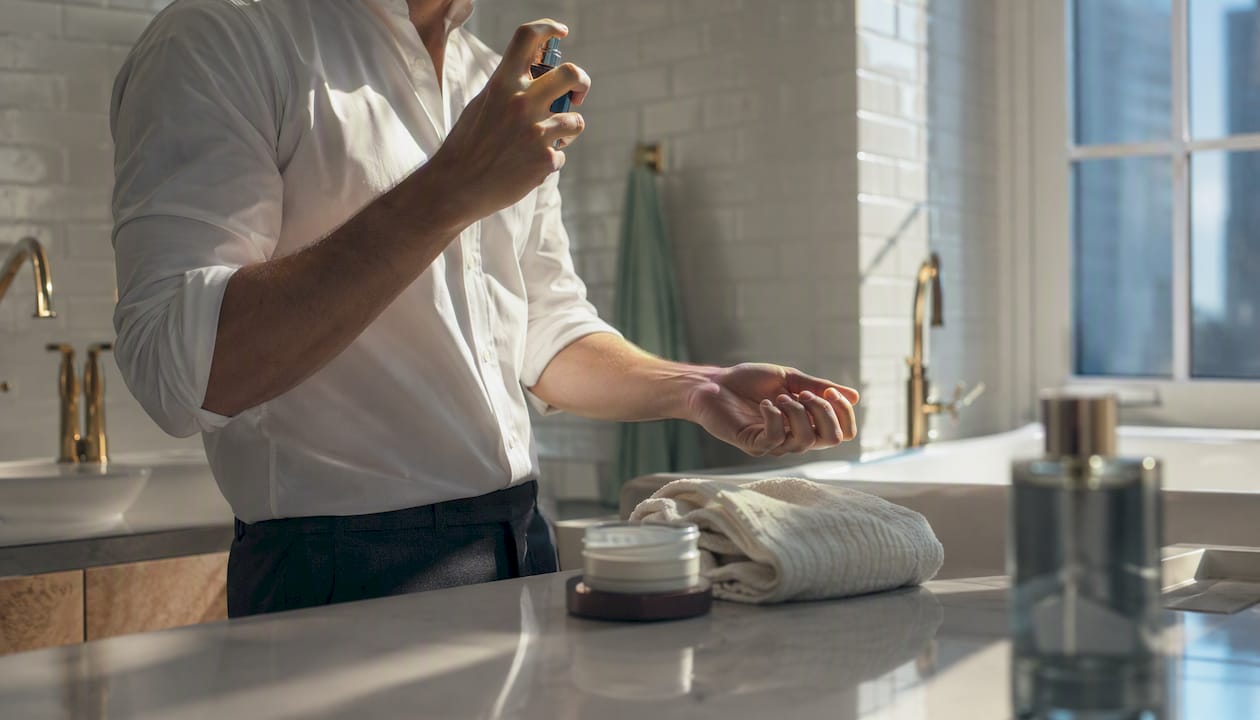
Spray 2–4 times on pulse points — neck, chest, and wrists — on clean, lightly moisturised skin, then let the scent air-dry completely. Hold the bottle roughly 5–15 cm (2–6 inches) away, never rub your wrists together, and you will get a balanced, lasting projection without overwhelming the room.
- Prep your skin: shower, towel-dry, then apply an unscented moisturiser and wait 1–2 minutes.
- Choose your spots: neck, chest, and wrists cover most occasions; add behind the ears or inner elbows for extra diffusion.
- Spray count: 2–4 for the office or daytime; 3–5 for an evening out.
- Air-dry: walk away and let the fragrance settle naturally.
- Sensitive skin: do a 24-hour patch test on your inner arm before wearing a new scent all day.
Pro Tip: Apply your moisturiser while your skin is still slightly warm from the shower, wait a minute for it to absorb, then spritz. That brief window of hydrated warmth gives fragrance molecules something to cling to, noticeably extending how long the scent lingers.
Key takeaways
Applying cologne correctly comes down to three things: clean, moisturised skin; the right pulse points; and the discipline to spray less than you think you need.
| Point | Details |
|---|---|
| Pulse points first | Spray neck, chest, and wrists — body heat activates and diffuses the accord throughout the day. |
| 2–5 sprays is the range | Two to four for daytime; up to five for evenings — hold the bottle 15 cm from skin. |
| Moisturise before spraying | Unscented moisturiser on warm, towel-dry skin gives fragrance molecules a surface to bond with and last longer. |
| Never rub your wrists | Friction crushes top notes; air-dry every application point for the full olfactory pyramid to unfold. |
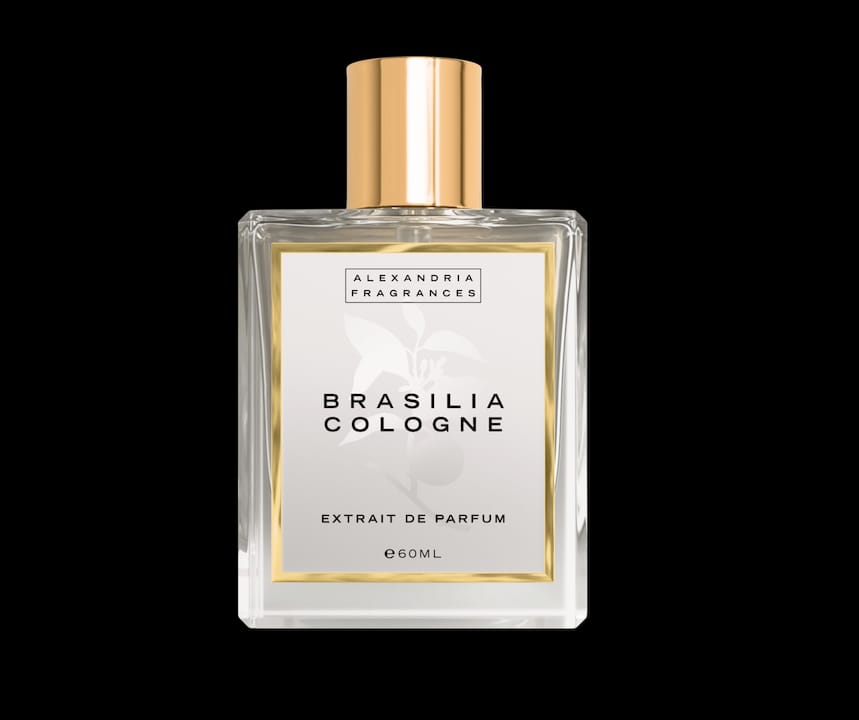
| Alexandriauk’s Brasilia Cologne | A quality inspired fragrance that performs at its best on moisturised pulse points, available from Alexandriauk. |
Table of Contents
- Where should you spray cologne for the best effect?
- How to spray cologne: distance, count, and technique
- When to apply and whether to spray skin or clothing
- How do you make cologne last longer?
- How to test a new cologne on your skin properly
- Common mistakes men make when applying cologne
- Sensitive skin and allergies: what to do if your skin reacts
- Perfumer-backed tips for a better daily routine
- A fragrance expert’s perspective
- Brasilia Cologne: a refined example worth wearing
- Sources
Where should you spray cologne for the best effect?
Pulse points are the gold standard of fragrance application, and the reason is straightforward: wherever your blood flows close to the surface, your skin radiates heat. That warmth acts as a natural diffuser, gently lifting the scent outward throughout the day. Perfumer Nic Mastenbroek and other industry experts confirm that the rhythmic heartbeat at these spots actively wafts fragrance outward rather than simply holding it at the application point.
Primary pulse points:
- Neck (sides and base): The warmest, most visible spot. Scent rises naturally here, making it the single most effective location for projection.
- Chest: Ideal for fragrances with rich, deep accords — the broad surface area allows the full olfactory pyramid to unfold over time.
- Wrists: Classic and practical, though keep them apart after spraying (more on that shortly).
- Behind the ears: A subtle, intimate spot that works beautifully for date nights or close encounters.
- Back of the knees: Underused but genuinely effective — heat rises, carrying the scent upward as you move through the day.
Skin versus clothing: the trade-off worth knowing
Fabric holds scent longer than skin in many cases, but it comes with caveats. Spraying directly onto clothing can alter how a fragrance smells and, with certain formulas, leave faint staining on delicate or pale fabrics. The alcohol carrier evaporates differently on cotton or wool than on skin, which can flatten the mid-notes of a complex accord.

Hair is another option — it picks up scent beautifully — but alcohol-heavy formulas can dry the hair shaft over time. A light mist on the ends or a spritz on a hairbrush is a gentler approach.
Pro Tip: For long days or evening events, combine two spritzes on pulse points with one light spritz on the inside of your collar or shirt cuff. You get the skin-warmth diffusion plus the fabric’s staying power without risking staining the outer garment.
How to spray cologne: distance, count, and technique
Getting the mechanics right matters as much as choosing the right spots. The most common errors — holding the bottle too close, over-spraying, or rubbing the wrists — all degrade the fragrance before it has a chance to perform.
Distance and why it matters
Grooming editors at Men’s Health recommend holding the bottle approximately six inches (roughly 15 cm) from the skin. Too close and the spray concentrates in one dense patch, which can feel sharp and overwhelming. Too far and the fine mist dissipates into the air before it ever reaches you.
How many sprays for each occasion
- 2–3 sprays for a subtle, close-to-skin presence: the office, a morning commute, or any confined space.
- 3–5 sprays for a balanced, noticeable projection: a dinner, a date, or a social occasion where you want the scent to carry.
- Up to 8–10 sprays for a deliberately bold statement: a nightclub, an outdoor event, or when wearing a lighter concentration such as an eau de cologne that fades quickly. British GQ and The Telegraph both note that 3–5 sprays covers most everyday situations comfortably.
Technique dos and don’ts
- Do spritz and step back — let the fragrance settle on its own.
- Do apply to one or two points first, then assess projection before adding more.
- Don’t rub your wrists together. The friction generates heat that crushes the top notes and accelerates evaporation, robbing the scent of its opening accord.
- Don’t spray on wet skin — water molecules compete with fragrance molecules and the scent evaporates with the moisture.
- Don’t spray directly into the air and walk through the mist; most of the product falls to the floor rather than landing on skin.
When to apply and whether to spray skin or clothing
Timing your application correctly is one of the most overlooked aspects of wearing fragrance well. The post-shower window is genuinely the best moment: your pores are open, your skin is clean, and a light layer of unscented moisturiser gives the fragrance molecules something to bond with. The Perfume Society notes that moisturised skin helps fragrance last longer, while damp skin accelerates evaporation.
The practical sequence: shower, towel-dry, apply unscented moisturiser, wait 1–2 minutes, then spritz.
| Scenario | Best surface | Reason |
|---|---|---|
| Office or daytime | Skin (pulse points) | Controlled projection; no staining risk |
| Evening or date | Skin + light clothing spritz | Extended longevity; richer diffusion |
| Travel or commute | Clothing (collar/cuff) | Convenient; no need to undress to reapply |
| Sensitive skin | Clothing only | Avoids direct skin contact with irritants |
A clothing spritz makes particular sense when you are travelling or need a discreet top-up. Spray the inside of your collar before dressing and the warmth of your body will carry the scent throughout the day.
How do you make cologne last longer?
Longevity begins with concentration. Fragrance concentrations range from parfum (20–30%+ fragrance oil) down through EDP (15–20%), EDT (5–15%), to eau de cologne (2–5%). A true eau de cologne may last only 1–3 hours on skin, which means reapplication is not a mistake — it is simply the nature of the format. Carrying a small atomiser for top-ups is a practical solution, particularly for lighter daytime scents.
Longevity tactics that genuinely work:
- Moisturise first: Unscented body lotion or a fragrance-free cream creates a hydrated base. Dry skin absorbs and dissipates fragrance rapidly.
- Layer with matching products: If your fragrance has a matching shower gel or body lotion, using them together builds a scent foundation that lasts noticeably longer.
- Spritz clothing lightly: As discussed above, fabric holds scent longer than skin in most conditions.
- Store correctly: Heat, humidity, and direct sunlight degrade fragrance over time. Keep bottles in a cool, dark drawer or cupboard rather than on a sunlit bathroom shelf.
- Use a travel atomiser: Decant your daily scent into a small refillable atomiser for on-the-go top-ups without carrying the full bottle.
For a deeper look at scent layering techniques, Alexandriauk’s layering guide covers how to pair complementary products to build a more complex, lasting accord.
How to test a new cologne on your skin properly
Testing a fragrance on a blotter in-store tells you very little about how it will actually perform on your skin. Every person’s skin chemistry, pH, and natural oils interact differently with a fragrance’s accord, which is why the same scent can smell entirely distinct on two people.
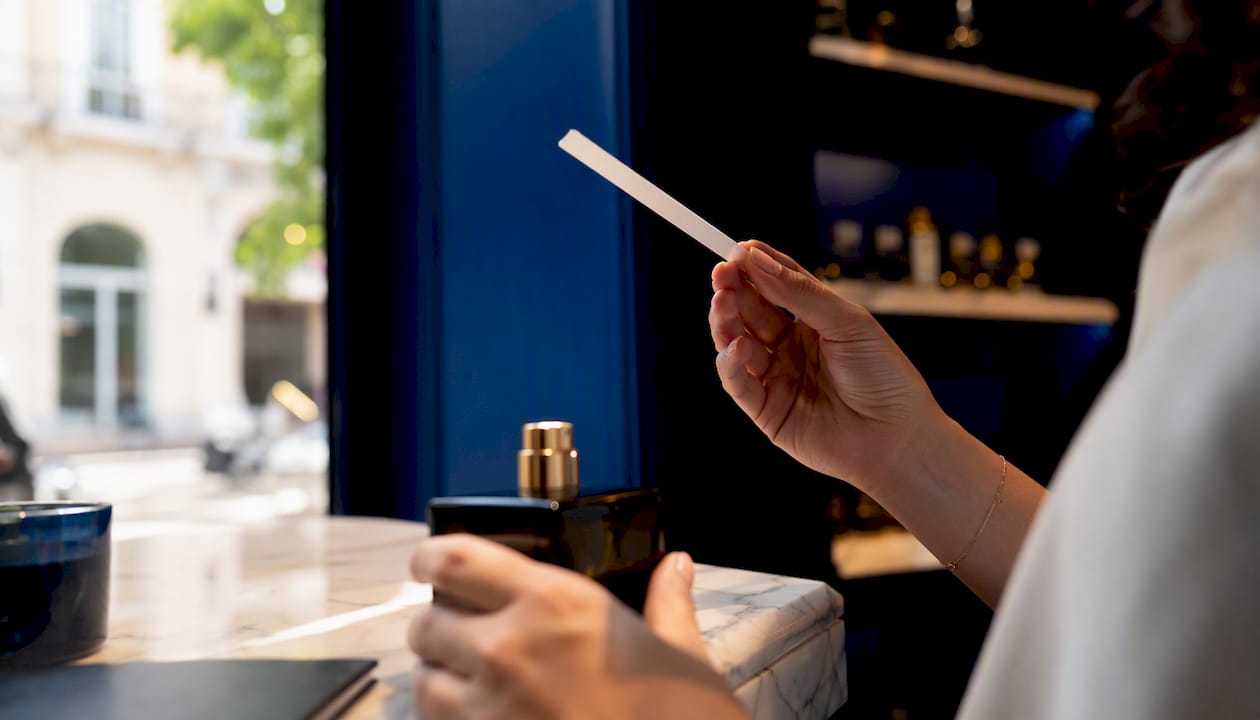
- Start with a blotter in-store to get a first impression of the opening notes. Smell three or four blotters maximum before your nose loses its ability to distinguish between them.
- Spritz once on your inner wrist or forearm. One application point is enough for a proper assessment.
- Wait 10–30 minutes. The top notes — the bright, volatile opening — will fade within the first ten minutes. What remains is the mid-note heart, and then the dry-down base, which is the scent you will actually wear for most of the day.
- Step away from the fragrance counter between assessments. Sniff a neutral object (your sleeve, a coffee bean if available) to reset your nose and avoid nose-blindness.
- Allow at least 30 minutes on skin before deciding whether to purchase, as British GQ advises. The dry-down is where a fragrance truly reveals its character.
- Consider a travel atomiser for real-life testing over a full day before committing to a full bottle.
Common mistakes men make when applying cologne
Most fragrance errors are easy to correct once you know what to look for. The most frequent ones, and their quick fixes:
- Over-spraying: The person who applied too much is always the last to know. Start with two sprays and ask someone you trust for honest feedback. If you have over-applied, step outside for fresh air; if it is severe, wash the area with unscented soap and water.
- Rubbing wrists together: This crushes the top notes. Spray and leave them alone.
- Spraying on wet or damp skin: Water competes with fragrance and carries it away as it evaporates. Always towel-dry first.
- Clashing scented products: Heavily scented shower gels, deodorants, or hair products can fight with your cologne and produce an unpleasant composite. Switch to unscented or fragrance-neutral grooming products where possible.
- Ignoring context: Three sprays of a heavy, animalic accord is appropriate for a Saturday night; it is not appropriate for a Tuesday morning meeting. Adjust your spray count and scent choice to the setting.
- Spraying from too close: Hold the bottle at arm’s length (roughly 15 cm) for an even, fine distribution.
Sensitive skin and allergies: what to do if your skin reacts
Fragrance is one of the most common triggers of contact dermatitis, a skin reaction that can present as redness, itching, or a rash at the point of application. The NHS identifies perfumes as a recognised irritant and advises rinsing affected skin with warm water, applying an emollient, and stopping use of the product immediately.
Patch test procedure before wearing a new scent:
- Apply a single spritz to the inside of your elbow or behind your ear.
- Leave it unwashed for 24–48 hours.
- Check for redness, swelling, itching, or any change in the skin.
- If no reaction occurs, the fragrance is likely safe for your skin type.
If you experience redness, itching, or a rash after applying a fragrance, rinse the area thoroughly with warm water, apply a gentle emollient, and discontinue use. If the reaction is severe or persists, seek advice from a pharmacist or GP. The NHS recommends identifying and avoiding the irritant as the primary management step for contact dermatitis.
For those with known sensitivities, lighter concentrations such as an eau de cologne carry less fragrance oil and may be better tolerated. Spraying onto clothing rather than directly onto skin is another practical way to enjoy a scent while minimising skin contact. Fragrance-free moisturisers as a base layer can also reduce direct skin exposure.
This article provides general information and is not a substitute for professional medical advice. If you suspect an allergic reaction, consult a qualified healthcare professional.
Perfumer-backed tips for a better daily routine
The most consistent advice from perfumers and grooming editors converges on a few core principles. British GQ’s perfumer guidance and the Perfume Society both emphasise hydrated skin, restrained application, and letting the fragrance do its work without interference.
Key principles from the experts:
- Apply to pulse points where body heat activates the accord and carries it outward.
- Moisturise with an unscented product before spraying; dry skin absorbs and kills fragrance quickly.
- Never rub application points together — air-drying preserves the integrity of every note from top to base.
- Start light; it is always easier to add a spray than to remove one.
- Rotate your scents periodically to keep your nose sensitive to them. Wearing the same fragrance every day leads to nose-blindness, where you stop perceiving your own scent.
A 30-second morning routine:
Cleanse and towel-dry. Apply a small amount of unscented moisturiser to your neck, chest, and wrists while your skin is still warm. Wait one minute. Spritz 2–4 times across your chosen pulse points, holding the bottle 15 cm away. Air-dry and dress.
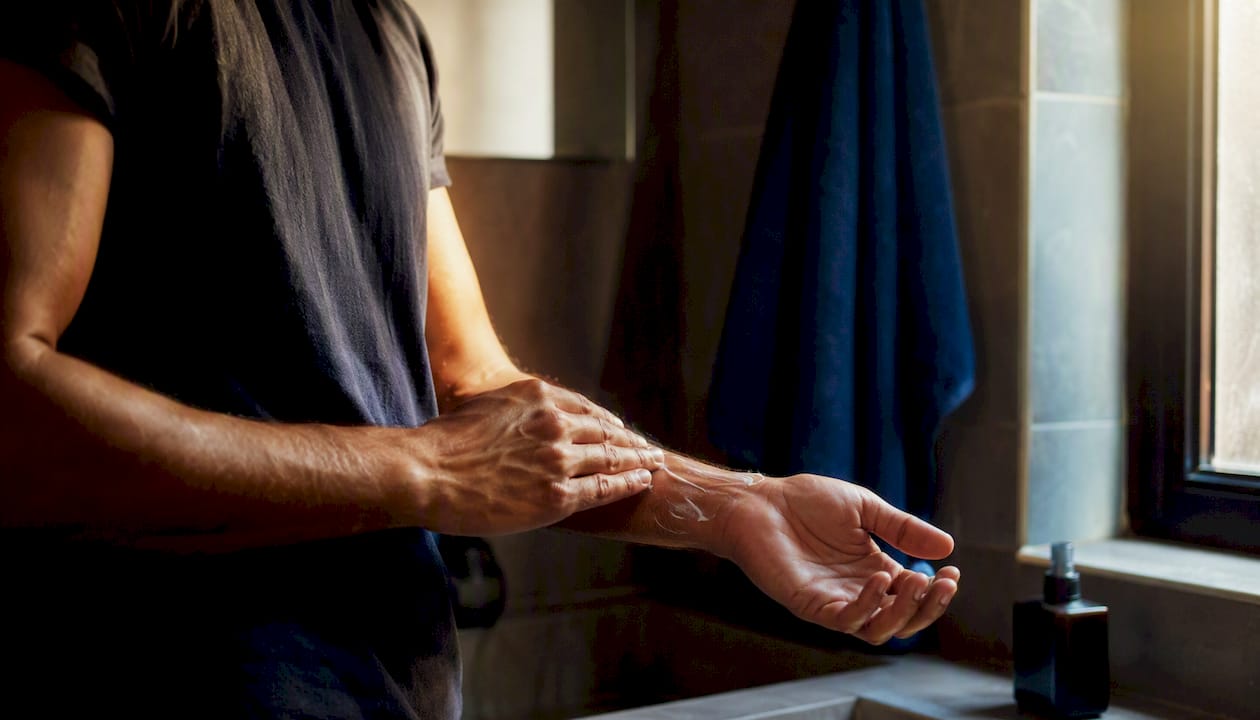
Pro Tip: If you find you have gone nose-blind to your signature scent, take a two-day break and wear something different. When you return to your usual fragrance, the full complexity of its accord will feel vivid again — a simple reset that costs nothing.
For a comprehensive look at how to make your perfume last all day, Alexandriauk’s expert guide covers every longevity technique in detail.
A fragrance expert’s perspective
The single most underrated aspect of wearing cologne well is restraint. The fragrance world is full of extraordinary accords — luminous citrus openings, dark hedonistic bases, masterful blends of woods and resins — but none of them perform at their best when over-applied. A scent that arrives before you do is not a signature; it is a distraction.
What perfumers understand, and what most men discover only after years of wearing fragrance, is that the dry-down is the real story. The opening notes are the introduction, bright and volatile, gone within minutes. The base accord — the warm, lingering heart of the fragrance — is what people remember. Applying to moisturised pulse points and letting the scent evolve naturally is not just technique; it is respect for the craft that went into the bottle.
The other overlooked truth: concentration matters enormously for how you apply cologne. Treating them identically leads to either a ghost of a scent or an overwhelming cloud. Know what you are wearing, and apply accordingly.
Brasilia Cologne: a refined example worth wearing
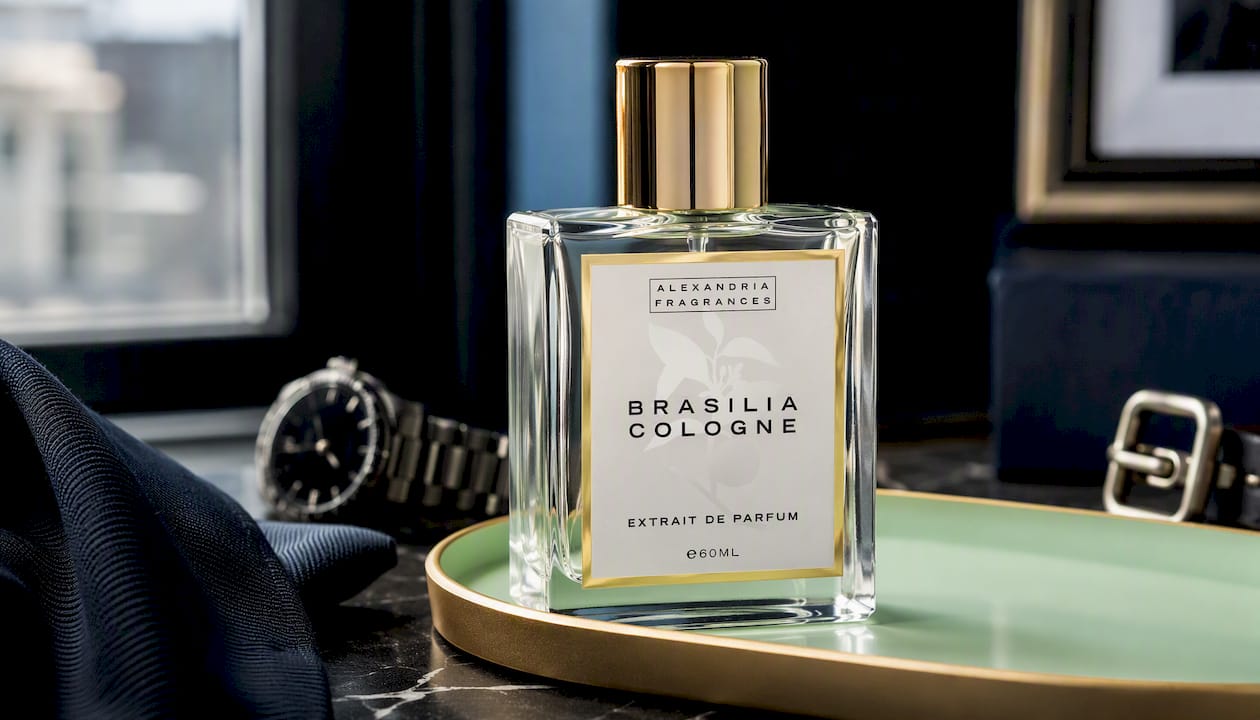
Alexandriauk’s Brasilia Cologne is a compelling illustration of how a well-crafted inspired fragrance can perform beautifully when applied with the techniques above. Rich, considered, and built for longevity on moisturised skin, Brasilia rewards the pulse-point approach — two spritzes on the neck and chest release its accord progressively through the day. For those building their fragrance knowledge alongside their collection, Alexandriauk’s Fragrance Academy offers deeper guidance on layering and pairing scents. Visit the Alexandriauk website to explore Brasilia Cologne and find a fragrance that suits your style.
Sources
- How to apply cologne so it lasts all day: 6 perfumer’s tips | British GQ
- Scent strength guide | The Perfume Society
- How to properly apply cologne, according to a grooming editor | Men’s Health
- Contact dermatitis – causes | NHS
- How to apply aftershave: a modern man’s guide | The Telegraph

%20awa...)