Artikel: 3 Winter Perfume Alternatives That Actually Last from Alexandria UK
3 Winter Perfume Alternatives That Actually Last from Alexandria UK
Winter rewards warm, woody, resinous and gourmand compositions, the kind that cling to a scarf and unfurl slowly in cold air. We have curated three affordable alternatives built for exactly that effect: Campfire Nights, Crystal Peak and California Blues each deliver depth without the designer price tag. Below, we explain why these profiles work in the cold and how to test them properly before committing to a full bottle.
TL;DR:
- Choose Campfire Nights for close evenings and apply only one or two sprays; its smoky base builds on skin during the first half hour.
- Crystal Peak suits formal occasions and freezing outdoor wear, while California Blues offers a lighter office option for readers who find smoky scents too intense.
- Test a sample for 10 to 30 minutes and judge its dry down, because the opening rarely predicts how the fragrance will wear.
- Eau de Parfum generally lasts longer than Eau de Toilette, but resins and woods in the base matter more than applying extra sprays.
- Moisturize before spraying, avoid rubbing your wrists, and rotate two or three fragrances to limit nose blindness from repeated exposure to heavy winter scents.
Table of Contents
- Alexandria UK curated winter alternatives: Campfire Nights, Crystal Peak, California Blues
- Which note families excel in winter and what to look for
- How to choose the best affordable winter alternative
- Applying and wearing winter alternatives for the best longevity
- Author perspective and testing notes from Alexandria UK
- Why the usual winter perfume advice misses the point
- Buy samples or full bottles from Alexandria UK
- FAQ
- Sources
Alexandria UK curated winter alternatives: Campfire Nights, Crystal Peak, California Blues
Each of these three fragrances earns its place in a winter wardrobe for a different reason, and knowing which one suits your occasion matters more than chasing a single “best” option.
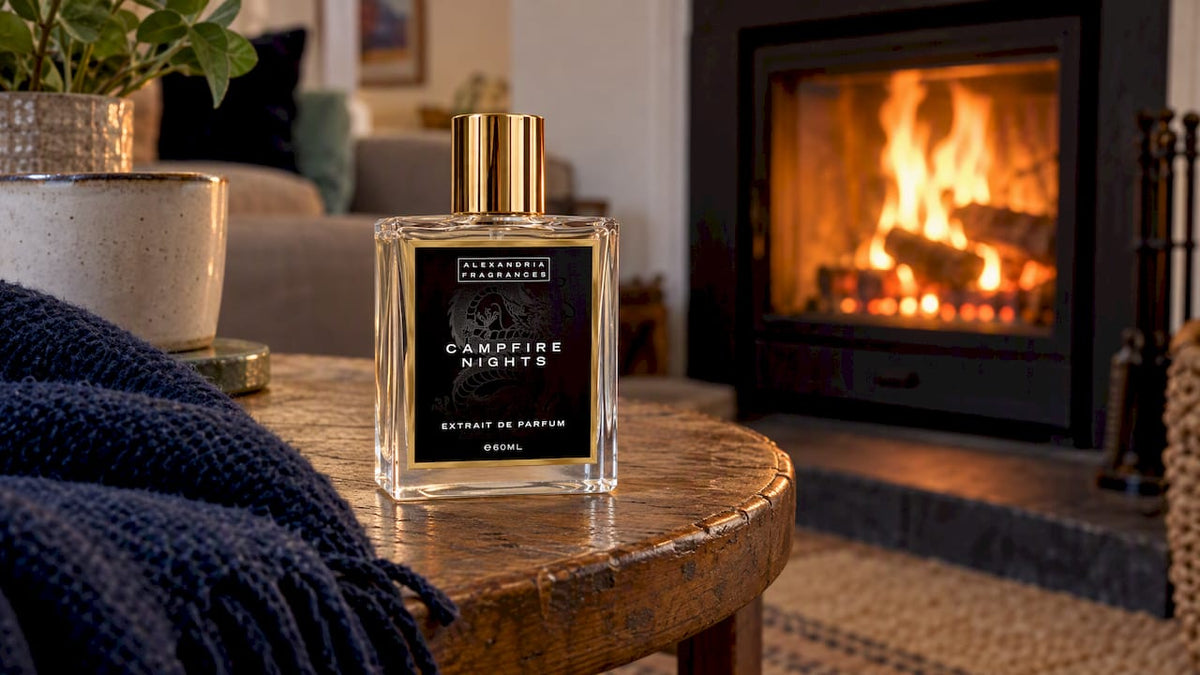
Campfire Nights leans into a smoky, amber gourmand character that feels built for fireside evenings and close company. It suits anyone who wants a fragrance with genuine presence rather than a polite whisper, and it rewards a light hand: one or two sprays on pulse points is plenty, since the smoky base builds on skin over the first half hour. Layering it with an unscented body lotion beforehand helps the amber settle rather than spike.
Crystal Peak takes a more resinous, woody-amber direction, the sort of composition that holds its shape outdoors in cold air rather than fading within the hour. It fits formal winter occasions and daytime wear in freezing temperatures particularly well, since richer bases perform better once the air cools and evaporation slows. Its dry-down settles into a quiet, resinous warmth that lasts well into the evening.

California Blues is the most versatile of the three, a warmer, lighter woody-oriental that still carries enough lift for daytime winter wear without tipping into heaviness. It works for readers who find pure gourmand or smoky profiles too intense for the office, offering a middle ground that still reads as distinctly cold-weather appropriate.
A few practical buying cues apply across all three:
- Sample before you commit: a discovery set lets you test dry-down and skin chemistry without the outlay of a full bottle.
- Expect concentration and base materials, not marketing copy, to determine how long a scent actually lasts on your skin.
- Treat price as a starting point for comparison, not a guarantee of performance, since affordable alternatives can reproduce much of a luxury fragrance’s character while differing in longevity and sillage.
Pro Tip: Spray Campfire Nights or Crystal Peak onto a scarf or coat lining rather than skin alone: fabric holds the resinous base notes far longer in cold, dry air.
Which note families excel in winter and what to look for
Cold air slows the rate at which fragrance molecules evaporate, which is precisely why richer base notes reveal themselves more fully in winter rather than disappearing within the first hour. The families that consistently perform well in low temperatures include amber, woods, oud, gourmand accords, incense and leather, all of which carry weight and linger rather than dissipating quickly.
When reading a product description, look for these signature notes as indicators of winter performance:
- Amber, labdanum or benzoin, which read as a warm, almost skin-like glow.
- Sandalwood, cedar or vetiver, giving structure and a dry, woody backbone.
- Vanilla, tonka bean or cocoa, the gourmand elements that add comfort and richness.
- Incense, frankincense or oud, lending smokiness and depth to the dry-down.
The counterintuitive winners, though, are not always the darkest compositions. Bright top notes such as bergamot or tea can perform brilliantly in winter when anchored by a warm base like sandalwood or musk, giving a fragrance lift without sacrificing longevity. A composition built this way avoids the heaviness that can tip into scent fatigue over a long winter day.
How to choose the best affordable winter alternative
Choosing well comes down to matching a handful of criteria against your own wear patterns, rather than chasing whichever name sounds most familiar.
- Check the scent family first: does the description mention amber, oud, incense, leather or gourmand notes, or is it built around fresh citrus with no stated base?
- Note the concentration: Eau de Parfum formulas generally carry more oil and last longer than Eau de Toilette versions of the same profile.
- Look at the base materials specifically, since longevity comes from formula structure and ingredients such as resins, woods and certain aromachemicals rather than how much you apply.
- Confirm sample availability before buying a full bottle, since a small decant removes most of the financial risk.
- Weigh price against expected wear time: a cheaper option with a resinous base can easily outlast a pricier one built on fleeting top notes.
Once you have a sample, spray it, wait 10 to 30 minutes, and assess the dry-down rather than the opening burst, since the opening notes rarely predict how a fragrance will actually wear.
Applying and wearing winter alternatives for the best longevity
Moisturised skin holds fragrance far better than dry skin in winter, since cold, dry conditions slow evaporation but also strip the skin’s natural oils that help a scent cling. A fragranced or neutral body lotion applied before spraying gives the base notes something to grip.
- Spray onto pulse points, then add one spray to clothing or a scarf lining for a slower-release effect through the day.
- Avoid rubbing wrists together, which can disturb the top notes and shorten the overall arc of the scent.
- Rotate between two or three fragrances through the season rather than wearing one daily, since heavy winter scents can cause genuine nose-blindness with repeated exposure.
Pro Tip: Keep an unscented or neutral body product nearby as a palate reset. A few days without fragrance restores your sensitivity to rich winter bases far faster than switching scents alone.
Author perspective and testing notes from Alexandria UK
As author, I approach every recommendation through careful testing of fragrance alternatives using sample packs and multi-hour dry-down evaluations rather than relying on first impressions alone. Our Fragrance Academy covers note families and testing method in more depth for readers who want to go further.
Why the usual winter perfume advice misses the point

Most winter fragrance advice defaults to “go darker and heavier,” as though intensity alone guarantees satisfaction. That ignores the role of base materials entirely: a modest, well-constructed amber can outlast an aggressively spiced fragrance built on fleeting top notes. The conventional wisdom also undersells scent fatigue. Wearing the same heavy composition daily for three months is a near-guaranteed way to stop noticing it altogether, and readers rarely connect that fading appreciation to overuse rather than a flaw in the fragrance itself.
What we would prioritise first is dry-down over drama. Sample a fragrance for a full day before judging it, rotate between two or three options through the season, and treat price as separate from performance. An affordable alternative with a genuinely resinous base will often out-wear a far pricier bottle built mostly on top notes.
— dave
Buy samples or full bottles from Alexandria UK

Campfire Nights, Crystal Peak and California Blues each answer a different winter mood, from fireside intimacy to formal cold-weather polish to versatile daytime wear. Sampling first removes the guesswork before you commit to a full bottle.
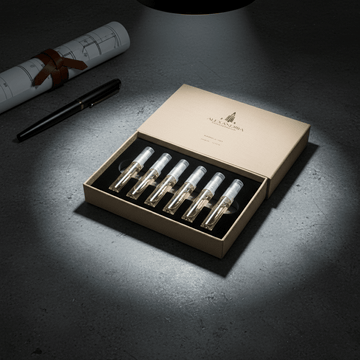
- Start with the discovery set or a sample pack to test dry-down on your own skin.
- Browse Women’s Fragrances, Men’s Fragrances or Unisex collections for the full winter range.
- Pair your new fragrance with a fragranced body lotion from a trusted source such as Splendora’s skincare guidance to extend wear through the day.
FAQ
What are the top winter perfumes to try this season?
Amber, woody, oud, incense and gourmand profiles consistently perform best in cold weather because their rich bases hold up as evaporation slows. Among affordable alternatives, Campfire Nights, Crystal Peak and California Blues each represent a different take on this warmth, from smoky gourmand to resinous woody-amber to lighter woody-oriental.
What perfumes suit the winter season best?
Fragrances built around amber, vanilla, tonka bean, sandalwood, oud or incense tend to suit winter best, since these materials read as warm and linger longer in cold air. Bright compositions can also work well when anchored by a warm base such as sandalwood or musk, giving lift without sacrificing depth.
Which alternative perfume works best for cold weather?
Among our own range, Crystal Peak’s resinous woody-amber profile is particularly suited to formal or outdoor winter occasions, since its base notes hold their shape rather than fading quickly in the cold. Campfire Nights suits closer, more intimate settings thanks to its smoky gourmand character.
What are the best niche-style profiles for winter?
Niche-style winter profiles typically lean into oud, incense, leather or dense gourmand accords, prioritising depth and development over a simple, linear opening. Perfumers often emphasise judging a fragrance on how it evolves over several hours rather than its first impression, which matters just as much with affordable alternatives.
How do I avoid scent fatigue when wearing winter perfumes daily?
Rotating between two or three fragrances through the season, rather than wearing one daily, helps prevent the nose-blindness that heavy winter scents can cause with repeated exposure. Applying sparingly and giving your skin the occasional unscented day also restores sensitivity to rich, resinous bases.
Sources
- The Independent — Best perfume dupes 2026
- The Telegraph — Why winter is the perfect time for a new fragrance
- Karen Gilbert — How to make a perfume last longer