
Artikel: Complete Guide to the Best Smelling Women's Perfume

Complete Guide to the Best Smelling Women's Perfume
Over 60 percent of women say fragrance is part of their daily routine, yet finding the best smelling perfume often feels like chasing a moving target. With so many scent families and personal preferences at play, what delights one person might not even register for another. Discover what separates an ordinary scent from a truly captivating signature fragrance, and learn how to navigate the world of perfumes to find what speaks uniquely to you.
Table of Contents
- Defining Best Smelling Women’s Perfume
- Popular Scent Families And Fragrance Types
- How Inspired Perfumes And Dupes Compare
- Choosing Quality Perfumes For Lasting Scent
- Common Mistakes And Scent-Selection Tips
Key Takeaways
| Point | Details |
|---|---|
| Subjectivity of Fragrance | The best smelling women’s perfume is subjective, reflecting personal identity and emotional resonance. |
| Understanding Scent Families | Familiarity with primary scent families aids intentional fragrance selection that aligns with individual styles. |
| Quality Over Brand | High-quality perfumes often feature higher concentrations of fragrance oils, enhancing longevity and overall experience. |
| Cautious Selection Process | Avoid common mistakes in scent selection by testing fragrances on skin and allowing time for scent development. |
Defining Best Smelling Women’s Perfume
Defining the “best smelling” women’s perfume is an inherently subjective journey that transcends mere fragrance selection. According to Who What Wear, fragrance represents a profoundly personal form of self-expression, serving as an intimate sensory experience that connects emotion and identity.
At its core, the concept of the “best” perfume hinges on several nuanced criteria. These include longevity, sillage (fragrance projection), complexity of scent composition, individual body chemistry, and emotional resonance. Marie Claire highlights that expert-curated fragrances are distinguished not just by their initial notes, but by their ability to evolve and create lasting impressions.
Key characteristics that elevate a perfume from merely pleasant to extraordinary include:
- Unique molecular structure
- Balanced blend of top, heart, and base notes
- Harmonious interaction with individual skin chemistry
- Emotional and psychological impact
- Craftsmanship of perfume house
Understanding that fragrance preferences are deeply personal, the “best smelling” perfume is ultimately the one that makes you feel confident, powerful, and authentically yourself. Exploring our guide to perfume scents for ladies can help you navigate this wonderfully complex sensory landscape with greater insight and appreciation.
Popular Scent Families and Fragrance Types
Navigating the intricate world of fragrance requires understanding the fundamental scent families that form the backbone of perfumery. Jarrolds provides an insightful overview of these distinctive fragrance categories, each offering a unique sensory experience that speaks to different personalities and occasions.
The primary scent families represent a rich tapestry of olfactory experiences, each with distinctive characteristics and emotional resonances:
- Floral: The most classic and feminine family, featuring rose, jasmine, and lily notes
- Oriental: Warm, exotic scents with spicy and sweet undertones
- Woody: Earthy and sophisticated fragrances with cedar, sandalwood, and patchouli
- Fresh: Crisp, clean scents reminiscent of citrus, ocean breeze, and green botanicals
- Gourmand: Sweet, edible-inspired fragrances with notes of vanilla, caramel, and chocolate
Understanding these fragrance families allows for more intentional perfume selection.
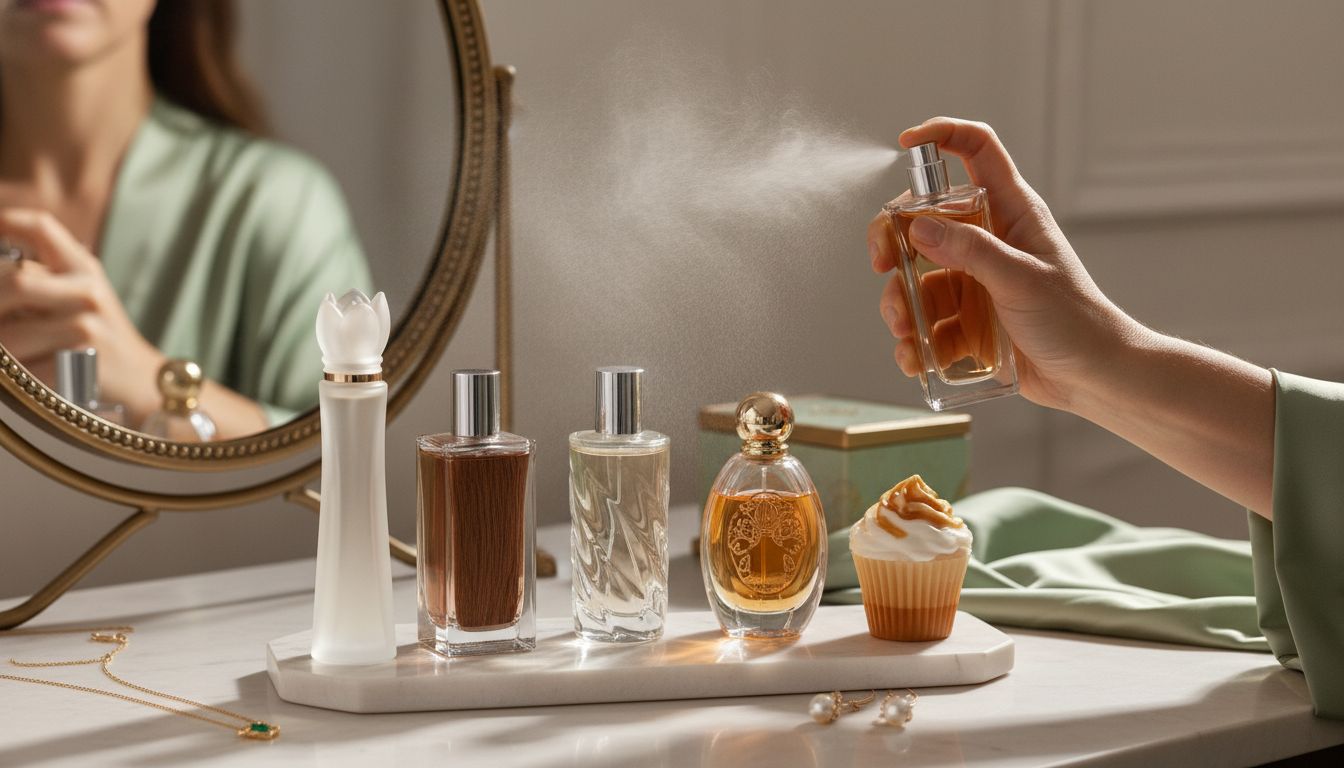 Some individuals might gravitate towards multiple families, creating a complex olfactory profile that reflects their multifaceted personalities. Explore our detailed guide to scent profiles to discover which fragrance families resonate most profoundly with your individual essence and style.
How Inspired Perfumes and Dupes Compare
The world of inspired perfumes and fragrance dupes represents a fascinating intersection of affordability, creativity, and olfactory innovation. These alternatives offer budget-conscious fragrance enthusiasts an opportunity to experience luxurious scent profiles without the hefty price tag of designer brands.
Key differences between inspired perfumes and original fragrances include:
- Composition: Closely mimicked but not identical molecular structures
- Price Point: Significantly more affordable (typically 20-30% of original pricing)
- Longevity: Potential variations in staying power and sillage
- Ingredient Quality: Similar but not always identical raw material sourcing
- Packaging: Simplified or generic design compared to luxury brands
For fragrance lovers seeking high-quality alternatives, understanding these nuances becomes crucial. Explore our comprehensive guide to fragrance dupes to discover how these inspired creations are revolutionizing the perfume landscape. While not exact replicas, these fragrances offer an accessible entry point into sophisticated scent experiences, allowing individuals to experiment and express their unique olfactory preferences without financial constraints.
Choosing Quality Perfumes for Lasting Scent
Jarrolds emphasizes that selecting a quality perfume involves more than just appreciating its initial fragrance. The concentration of perfume oils plays a critical role in determining the scent’s longevity and overall wearing experience.
Perfume concentrations typically range across several categories:
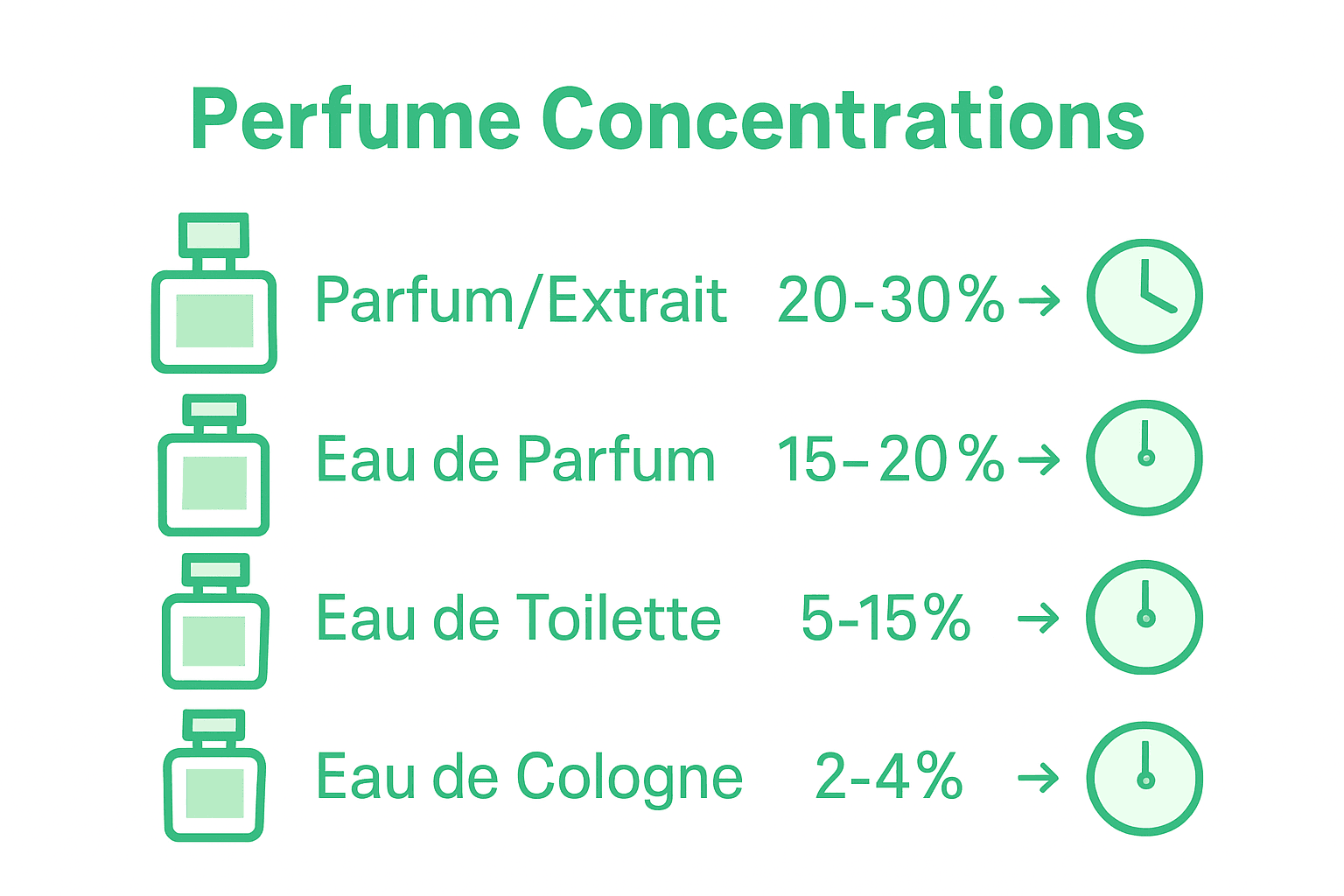
- Parfum/Extrait: Highest concentration (20-40% fragrance oils)
- Eau de Parfum: Moderate concentration (15-20% fragrance oils)
- Eau de Toilette: Lower concentration (5-15% fragrance oils)
- Eau de Cologne: Lightest concentration (2-5% fragrance oils)
As Laboulle explains, understanding these concentration levels helps fragrance enthusiasts make informed decisions. Factors beyond concentration that influence a perfume’s quality and lasting power include:
- Molecular complexity of fragrance notes
- Individual body chemistry
- Storage and application techniques
- Ingredient quality and sourcing
Learn more about perfume longevity strategies to ensure your chosen scent remains vibrant and captivating throughout the day. Investing in a high-concentration fragrance and understanding proper application can transform your olfactory experience from fleeting to memorable.
Common Mistakes and Scent-Selection Tips
Choosing the perfect perfume is an art form that requires careful consideration and strategic approach. Fragrance selection is more nuanced than simply picking a scent that smells pleasant in the moment, demanding a thoughtful exploration of personal chemistry, lifestyle, and olfactory preferences.
Common mistakes to avoid when selecting your signature scent include:
- Testing too many fragrances at once, overwhelming your olfactory senses
- Making an immediate purchase without allowing the scent to develop on your skin
- Neglecting to consider how a fragrance evolves over time
- Choosing a perfume solely based on packaging or brand reputation
- Ignoring your personal body chemistry and how it interacts with different notes
Pro tips for finding your perfect perfume involve a methodical approach:
- Always test fragrances on your skin, not just on paper
- Allow 30 minutes for the scent to fully develop and interact with your natural chemistry
- Sample fragrances during different times of day and in various environments
- Consider how to compare fragrances effectively to make an informed decision
Remember, the ultimate goal is finding a fragrance that not only smells exceptional but also makes you feel confident and authentically yourself. Your perfect perfume is a personal journey of olfactory self-discovery.
Discover Your Signature Scent Without Compromise
Choosing the best smelling women’s perfume can feel overwhelming when you want a fragrance that truly reflects your personality, lasts all day, and fits your budget. The challenge lies in finding quality perfumes that balance longevity, sillage, and emotional connection without overspending. Many perfumes hint at luxury but fall short on staying power or authenticity.
At Alexandria UK, we solve this by offering a thoughtfully curated collection of inspired fragrances and dupes that deliver exceptional quality and remarkable scent profiles. Each fragrance is designed to harmonise with your natural chemistry, offering rich scent families from floral to woody—all while being affordable. Learn more about fragrance dupes and how you can embrace the luxury of top notes and base notes without the high price.
Explore our range now and embark on a journey to find a perfume that empowers you and lasts all day. Visit Alexandria UK to discover how quality meets affordability and how the perfect scent is just a click away. Transform your fragrance experience today.
Frequently Asked Questions
What factors determine the best smelling women’s perfume?
The best smelling women’s perfume is determined by several factors, including longevity, sillage, scent composition complexity, personal body chemistry, and emotional impact. It should evoke feelings of confidence and align with one’s identity.
What are the main fragrance families for women’s perfumes?
The primary fragrance families for women’s perfumes include floral, oriental, woody, fresh, and gourmand. Each family has unique characteristics that cater to different personalities and occasions, offering varying sensory experiences.
How do inspired perfumes and dupes compare to original fragrances?
Inspired perfumes and dupes closely mimic original fragrances but are typically more affordable. They may differ in composition, longevity, ingredient quality, and packaging while allowing fragrance enthusiasts to explore luxurious scents within a budget.
What should I consider when choosing a quality perfume for lasting scent?
When choosing a quality perfume, consider the concentration of fragrance oils, which can affect longevity and overall experience. Other factors include the molecular structure of the fragrance, your individual body chemistry, and proper storage and application techniques.


