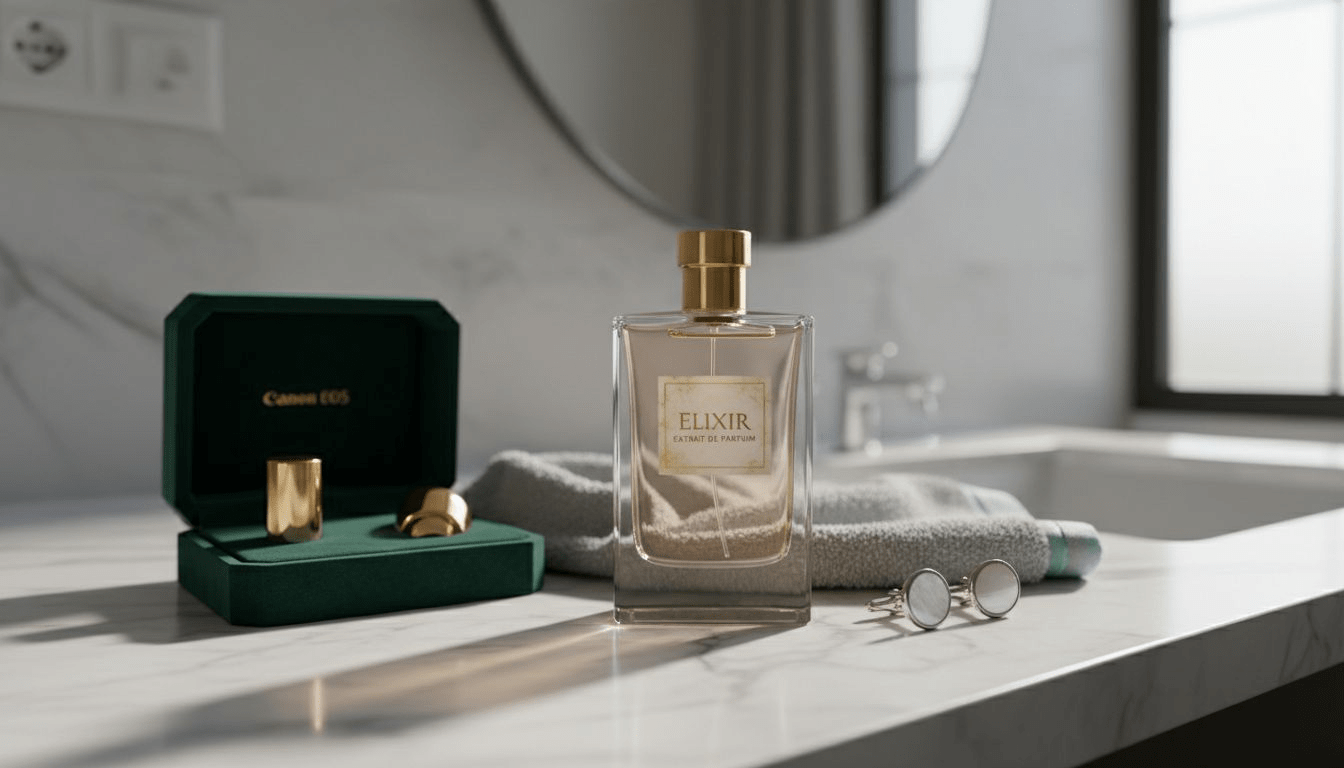
What Is Perfume Extrait? 20-40% Oil Concentration Guide
Many believe perfume extrait is simply an overpowering fragrance that dominates any room. This misconception overlooks the nuanced artistry behind extrait formulations. In reality, extrait offers unmatched longevity and subtle complexity when applied correctly. This guide clarifies what perfume extrait truly is, how it differs from other fragrance types, and how to use it confidently for daily wear or special occasions.
Table of Contents
- Introduction To Perfume Extrait
- How Perfume Extrait Differs Chemically And Sensory-wise
- Common Misconceptions About Perfume Extrait
- Practical Tips For Using Perfume Extrait
- Why Perfume Extrait Commands A Premium Price
- Fragrance Enthusiast Perspectives And Market Trends
- Conclusion And Buying Guide For Perfume Extrait
- Explore Expert Tips And Deals On Perfume Extrait
- Frequently Asked Questions About Perfume Extrait
Key Takeaways
| Point | Details |
|---|---|
| Highest Concentration | Perfume extrait contains 20-40% fragrance oils, the most concentrated type available. |
| Extended Longevity | Lasts 8-24 hours on skin due to rich oil content and minimal alcohol. |
| Subtle Application | Despite high concentration, extrait can be delicate and suitable for everyday use. |
| Premium Pricing | Higher cost reflects rare ingredients, artisanal production, and exceptional quality. |
| Strategic Use | Proper pulse point application maximizes longevity without overwhelming scent. |
Introduction to Perfume Extrait
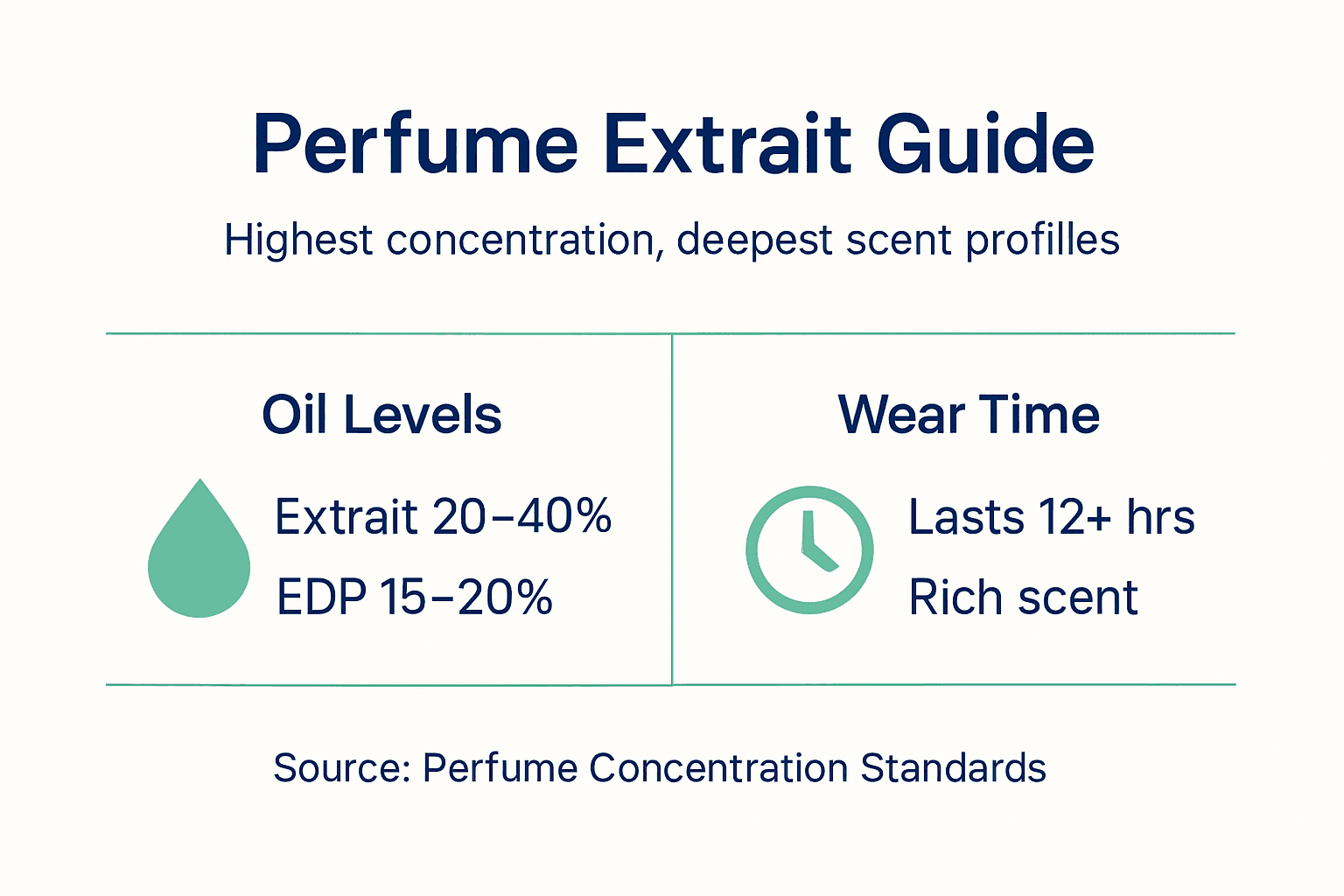
Perfume extrait, also called extrait de parfum or pure perfume, represents the pinnacle of fragrance concentration. Perfume extrait typically contains 20-40% fragrance oils, the highest concentration among perfumes. This places it well above eau de parfum, eau de toilette, and cologne in intensity and staying power.
The fragrance spectrum moves from light to intense based on oil concentration. Cologne sits at the bottom with 2-4% fragrance oils, providing a refreshing burst that fades within hours. Eau de toilette follows with 5-15% concentration, offering moderate longevity suitable for daytime wear. Eau de parfum increases to 15-20% oils, balancing projection with lasting power for versatile use. At the top, What Is Extrait Perfume? delivers the richest experience with 20-40% concentration.
Alcohol content inversely correlates with oil concentration. Extrait contains less alcohol than EDP or EDT, which affects how the scent develops and adheres to skin. Lower alcohol means slower evaporation, allowing fragrance notes to unfold gradually over many hours. This creates a more intimate scent experience that stays close to the skin rather than projecting widely.
Understanding these concentration levels helps you choose fragrances that match your lifestyle:
- Cologne (2-4%): Light, refreshing, lasts 1-2 hours
- Eau de Toilette (5-15%): Moderate strength, lasts 3-5 hours
- Eau de Parfum (15-20%): Rich scent, lasts 4-8 hours
- Perfume Extrait (20-40%): Most intense, lasts 8-24 hours
The EDP vs Extrait Guide explores these distinctions in greater detail, helping you navigate concentration options.
How Perfume Extrait Differs Chemically and Sensory-wise
Chemical composition directly impacts how extrait performs compared to lighter concentrations. Extrait formulations prioritize fragrance oils over alcohol, typically using 60-80% alcohol versus 80-90% in EDP or EDT. This higher oil ratio creates several distinct characteristics that affect your sensory experience.
The reduced alcohol content slows fragrance evaporation significantly. When you apply extrait, top notes emerge gradually rather than bursting immediately. Middle and base notes develop over hours, creating a longer scent journey. The oils also interact more deeply with your skin chemistry, producing a personalized fragrance signature that evolves uniquely on each wearer.
Skin hydration plays a crucial role in extrait performance. The oil-rich formula moisturizes as it scents, helping fragrance molecules bond more effectively. This explains why Perfume extrait’s longevity ranges from 8 to 24 hours due to higher oil concentration and less alcohol compared to other types. Well-hydrated skin extends wear time even further.
| Fragrance Type | Longevity (Hours) | Projection | Reapplication Need |
|---|---|---|---|
| Cologne | 1-2 | High | Multiple times daily |
| Eau de Toilette | 3-5 | Moderate to High | 2-3 times daily |
| Eau de Parfum | 4-8 | Moderate | Once or twice daily |
| Perfume Extrait | 8-24 | Low to Moderate | Once daily or less |
The sensory experience of extrait differs notably:
- Richer, more complex scent profile with pronounced base notes
- Softer projection that creates an intimate fragrance aura
- Slower development allowing each note phase to shine
- Warmer feel on skin due to oil content
- More faithful representation of perfumer’s original vision
Pro Tip: Apply extrait to pulse points after showering when skin is slightly damp. The moisture helps oils absorb better, extending longevity. Focus on wrists, behind ears, and inner elbows where warmth naturally diffuses scent.
Understanding Eau de Parfum vs Extrait differences helps you appreciate why extrait commands premium pricing and specialized application techniques.
Common Misconceptions About Perfume Extrait
Several myths persist about perfume extrait that prevent enthusiasts from exploring this luxurious category. Addressing these misconceptions clears confusion and opens doors to richer fragrance experiences.
The most pervasive myth suggests extrait always overwhelms with overpowering scent. Contrary to belief, extrait can be subtle and suitable for daily wear; fragrance strength depends on formulation and how you apply it. Many extrait formulations feature delicate compositions designed for close, personal wear. The higher concentration means you need less product, which actually reduces the risk of overdoing it.
Pricing misconceptions also abound. Some believe extrait costs more purely for marketing or luxury branding. In reality, pricing reflects genuine quality differences. Rare natural ingredients, extended maturation periods, and small-batch artisanal production drive costs upward. You’re paying for concentrated craftsmanship, not just a fancy bottle.
Another common error involves application quantity. Many assume more extrait means longer lasting scent. Excessive application leads to scent fatigue where your nose becomes desensitized, making you think the fragrance has faded when others still smell it strongly. Over-application can also irritate sensitive skin due to concentrated oils.
Key myths debunked:
- Extrait is too strong for office or casual settings (False: proper application creates subtle elegance)
- Higher price equals better scent for everyone (Partially true: quality is high, but personal preference matters most)
- Extrait requires special storage beyond normal perfume care (False: standard cool, dark storage works fine)
- You need extrait versions of all your favorite scents (False: strategic use for special occasions or signature scents works better)
- Extrait formulations smell identical to EDP versions (False: concentration changes how notes balance and develop)
Pro Tip: Start with one spray or dab for your first extrait application. Wait 30 minutes to assess how it develops on your skin before adding more. This prevents over-application and helps you find your ideal amount. Understanding Perfume Extrait Myths ensures you maximize value and enjoyment.
Practical Tips for Using Perfume Extrait
Mastering extrait application transforms your fragrance experience from hit-or-miss to consistently excellent. Follow these strategic steps for optimal results.
-
Prepare Your Skin: Shower and moisturize before applying extrait. Clean, hydrated skin provides the best canvas for fragrance oils to bond and develop fully.
-
Target Pulse Points: Apply to wrists, behind ears, inner elbows, and behind knees. These warm areas naturally diffuse scent without requiring heavy application.
-
Use Restraint: Start with one small dab or spray. Extrait concentration means a little goes remarkably far. You can always add more later if needed.
-
Avoid Rubbing: Pat or dab extrait onto skin rather than rubbing wrists together. Rubbing breaks down fragrance molecules and alters how the scent develops.
-
Layer Strategically: Pair extrait with unscented or complementary scented lotions. This extends wear time and prevents competing fragrance profiles.
-
Time Your Application: Apply extrait 15-20 minutes before you need to smell great. This gives top notes time to settle and middle notes to emerge.
Proper application on pulse points and moderate use help optimize extrait’s longevity and prevent scent fatigue. Managing longevity also involves smart storage practices. Keep extrait bottles away from direct sunlight, heat, and humidity. These conditions degrade fragrance oils faster, reducing both scent quality and longevity.
Reapplication timing depends on your activities and environment. For most wearers, extrait requires no reapplication during a typical day. If you’re active or in hot conditions, a light midday touch-up to pulse points refreshes the scent beautifully.
Pro Tip: Create a signature scent by layering extrait over a lighter EDP or EDT from the same fragrance family. Apply the lighter concentration first across larger areas, then add extrait to pulse points. This creates depth and complexity while controlling intensity. Explore Using Perfume Extrait techniques and check out Perfume Tips for Bargain Hunters for cost-effective ways to build your collection.
Why Perfume Extrait Commands a Premium Price
Perfume extrait pricing reflects tangible quality factors rather than arbitrary luxury positioning. Understanding cost drivers helps you appreciate the value proposition and make informed purchasing decisions.
Concentration alone significantly impacts pricing. Creating extrait requires substantially more fragrance oils per bottle than EDP or EDT. If an EDP costs £80 for 50ml with 18% concentration, an equivalent extrait at 30% concentration naturally costs more simply due to raw material volume.
| Fragrance Type | Typical Price (50ml) | Oil Concentration | Cost Per % Oil |
|---|---|---|---|
| Cologne | £20-40 | 2-4% | £6.67-13.33 |
| Eau de Toilette | £40-70 | 5-15% | £3.33-7.00 |
| Eau de Parfum | £60-120 | 15-20% | £3.60-6.67 |
| Perfume Extrait | £120-300+ | 20-40% | £3.75-9.00 |
Ingredient quality elevates extrait further. Perfumers select premium natural essences for extrait formulations, knowing the high oil concentration showcases every nuance. Bulgarian rose absolute, Indian sandalwood, and natural oud command astronomical prices. Mass-market fragrances rely more heavily on synthetic alternatives to control costs.
The higher cost of extrait reflects its greater oil concentration, rare ingredients, and small-batch artisan production. Artisanal houses produce extrait in limited quantities, sometimes aging blends for months or years before bottling. This contrasts sharply with mass-produced EDT lines manufactured in enormous batches for global distribution.
“Perfume extrait represents the perfumer’s truest artistic vision. The concentration allows complex accords to shine without compromise, justifying the investment for those who value olfactory excellence.”
Small production runs increase per-unit costs across manufacturing, bottling, and distribution. Niche houses cannot achieve the economies of scale that mass-market brands leverage. However, this exclusivity appeals to collectors and enthusiasts seeking unique fragrances unavailable in department stores.
The price premium directly translates to superior scent depth. Extrait formulations reveal subtle heart and base notes that lighter concentrations cannot sustain. A £200 extrait might offer twice the complexity and three times the longevity of a £60 EDP, making cost per wear comparable or even favorable.
Learn more about pricing factors at Why Perfume Extrait Is Premium to evaluate whether extrait investments align with your fragrance priorities.
Fragrance Enthusiast Perspectives and Market Trends
The fragrance community increasingly recognizes extrait as the gold standard for serious collectors. Consumer perception studies consistently associate extrait with luxury, exclusivity, and sophisticated taste. Enthusiasts view extrait ownership as a marker of fragrance knowledge and appreciation for artisanal craftsmanship.
UK market trends show growing preference for extrait in premium segments. Sales data indicates 15-20% annual growth in extrait purchases among fragrance enthusiasts aged 25-45. This demographic values quality over quantity, preferring a curated collection of exceptional scents to extensive arrays of mass-market options.
Scent layering has emerged as a popular technique among extrait users. Enthusiasts combine extrait bases with lighter EDT or EDP top notes to create personalized compositions. This approach maximizes the longevity of extrait while maintaining dynamic scent evolution throughout the day. Layering also stretches extrait investments by using minimal amounts per application.
Community perspectives on extrait benefits and considerations:
- Superior longevity eliminates midday reapplication, saving time and product
- Rich complexity offers more interesting scent journeys than lighter concentrations
- Exclusivity appeals to collectors seeking unique, less common fragrances
- Higher upfront cost requires careful selection and testing before purchase
- Intimate projection suits professional environments and close interactions
- Storage and preservation become more important with premium investments
Fragrance forums and social media groups buzz with extrait discussions. Members share application techniques, compare formulations across brands, and debate whether concentration differences justify price premiums. This community knowledge helps newcomers navigate extrait selections more confidently.
The rise of niche perfumery has expanded extrait availability beyond traditional luxury houses. Independent perfumers now offer extrait concentrations at various price points, democratizing access to high-concentration fragrances. This trend benefits budget-conscious enthusiasts who value quality but cannot afford heritage brand premiums.
Explore Scent Layering with Extrait techniques to enhance your fragrance wardrobe. Stay informed about UK Perfume Market Trends shaping the industry’s future direction.
Conclusion and Buying Guide for Perfume Extrait
Choosing perfume extrait over other concentrations makes sense when longevity and scent complexity rank as top priorities. If you want a fragrance that lasts throughout your entire day without reapplication, extrait delivers consistently. The investment pays off through superior performance and reduced product consumption over time.
Balance price, quality, and intended usage when selecting extrait. Special occasions, signature scents, and professional settings suit extrait particularly well. Reserve lighter concentrations for casual wear, active days, or situations where you want more noticeable projection. Building a strategic fragrance wardrobe means choosing the right concentration for each context.
First-time extrait buyers should follow these practical tips:
- Request samples before committing to full bottles given the higher investment
- Test extrait on your skin rather than paper strips to assess true development
- Start with versatile, crowd-pleasing scents before exploring niche or challenging compositions
- Compare extrait and EDP versions of the same fragrance to understand concentration differences
- Consider smaller bottle sizes (15-30ml) for expensive extraits to manage costs
- Research brand reputations and ingredient transparency before purchasing
Testing reveals how extrait interacts with your unique skin chemistry. What smells divine on a friend might develop differently on you. Allow at least four hours to experience the full scent journey from top notes through base. This patience prevents impulse purchases you might later regret.
Moderation in application remains crucial even after you become comfortable with extrait. The concentration means overdoing it happens easily, leading to scent fatigue or overwhelming others. When in doubt, apply less. You can always add more, but removing excess proves impossible.
Further resources help you shop smarter and expand your fragrance knowledge. Visit Perfume Selection Tips for guidance on evaluating quality and value across all concentration levels.
Explore Expert Tips and Deals on Perfume Extrait
Navigating the world of perfume extrait becomes simpler with expert guidance and strategic shopping resources. Alexandria UK offers comprehensive fragrance insights to help you discover quality perfumes that match your preferences and budget.
Whether you’re building your first extrait collection or expanding an existing wardrobe, timing and knowledge maximize your investment. Our expert blogs cover everything from ingredient quality assessment to seasonal sales patterns. Learn how to identify genuine value and avoid overpriced products that don’t deliver on promises.
Explore Perfume Selection Tips for Bargain Hunters to master the art of finding premium fragrances at accessible prices. Discover How to Shop Perfume Sales for insider strategies that help you score deals on luxury extraits. Understanding Best Times to Buy Perfume ensures you never miss opportunities for significant savings on high-quality scents.
Frequently Asked Questions About Perfume Extrait
What makes extrait different from eau de parfum and eau de toilette?
Perfume extrait contains 20-40% fragrance oils compared to 15-20% in eau de parfum and 5-15% in eau de toilette. This higher concentration creates longer-lasting scent with richer complexity and softer projection. Extrait also uses less alcohol, allowing oils to develop more slowly and intimately on skin.
Is perfume extrait suitable for everyday wear?
Yes, extrait works beautifully for daily wear when applied with restraint. The misconception that extrait overwhelms stems from overapplication rather than the concentration itself. One small dab on pulse points provides subtle, long-lasting scent perfect for professional environments and casual settings alike.
How should I apply perfume extrait for best results?
Apply extrait to pulse points like wrists, behind ears, and inner elbows after showering on moisturized skin. Start with one dab or spray and wait 30 minutes to assess development before adding more. Avoid rubbing, which breaks down fragrance molecules and alters scent evolution.
Why is perfume extrait more expensive?
Extrait costs more due to higher fragrance oil concentration, rare natural ingredients, and small-batch artisanal production. Creating extrait requires significantly more raw materials per bottle than lighter concentrations. Limited production runs and extended aging periods further increase per-unit costs while ensuring exceptional quality.
Can perfume extrait last all day without reapplication?
Most extrait formulations last 8-24 hours on skin, eliminating the need for reapplication during typical days. Individual longevity depends on skin chemistry, activity level, and environmental conditions. Proper application to moisturized pulse points maximizes staying power, often extending wear well into the following day.