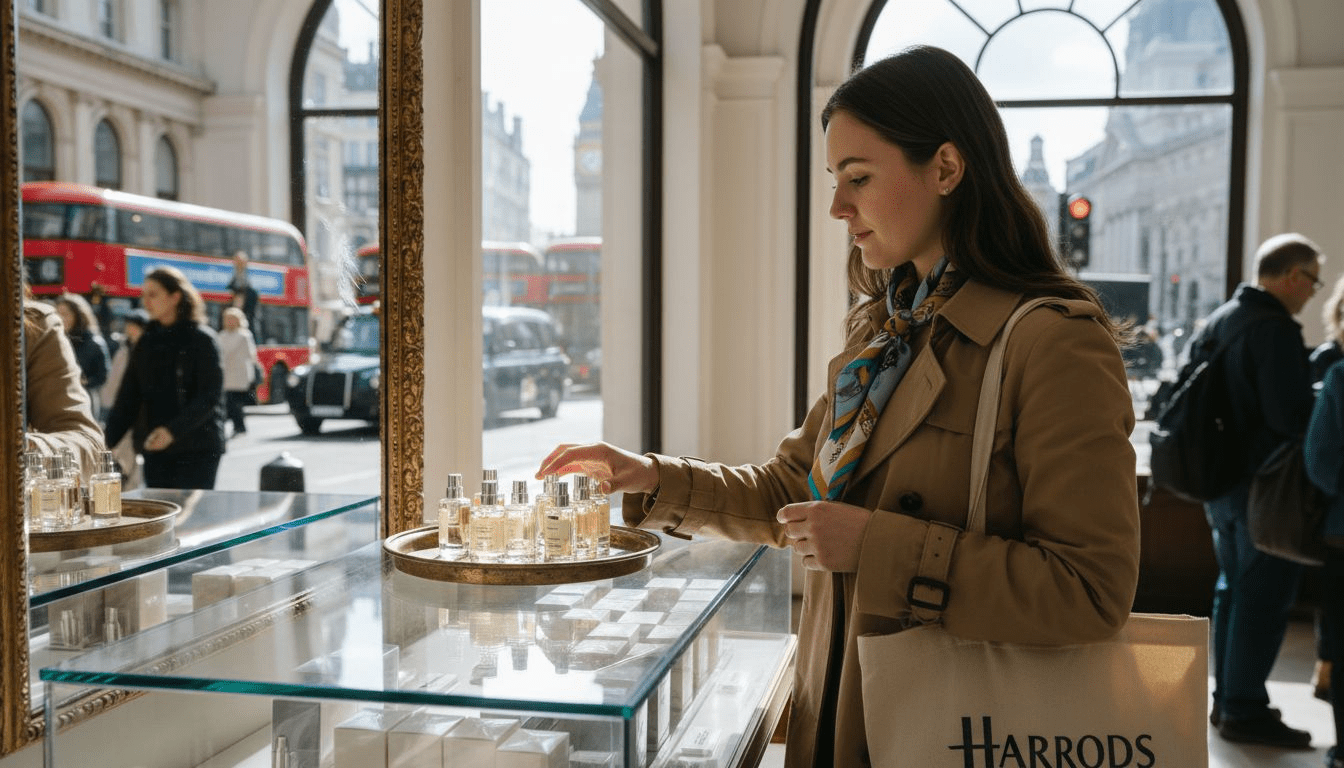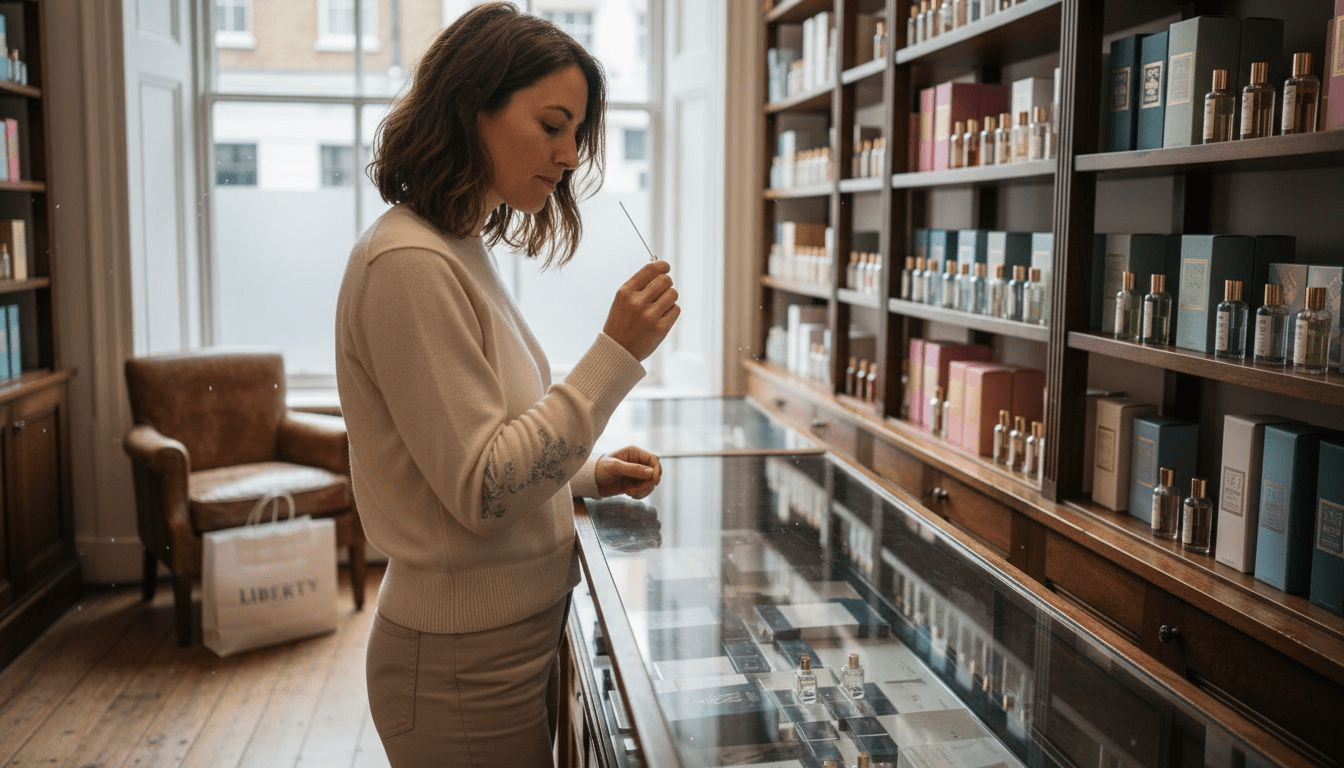
Why Sample Perfumes Matters for UK Fragrance Lovers
For many British fragrance enthusiasts, the thrill of discovering a signature scent can be both exciting and costly. With the average full-size perfume in the United Kingdom retailing for over £60, sampling has become a clever way to experience everything from niche releases to quality dupes without overspending. Exploring perfumes through samples gives you a low-risk route to finding fragrances that truly work with your personal style, offering more control and smarter decisions over every purchase.
Table of Contents
- What Sampling Perfumes Means
- Types Of Perfume Samples Available
- How Sampling Helps You Compare Dupes
- Ensuring Safety And Quality
- Cost And Environmental Benefits
- Common Pitfalls When Sampling
Key Takeaways
| Point | Details |
|---|---|
| Sampling Methodology | Perfume sampling allows enthusiasts to evaluate fragrances without the risk of committing to full-sized purchases, enhancing personal exploration and decision-making. |
| Types of Samples | Diverse sampling formats, including liquid vials and solid perfumes, cater to various preferences and lifestyles, facilitating comprehensive fragrance experiences. |
| Safety Considerations | Proper testing, including patch tests and understanding ingredient sourcing, is crucial to ensure safe and enjoyable fragrance experiences. |
| Financial and Environmental Benefits | Sampling reduces the risk of overspending and waste, promoting sustainable consumption through smaller, eco-friendly packaging. |
What Sampling Perfumes Means
Sampling perfumes represents a sophisticated and strategic approach to exploring fragrance landscapes without committing to full-sized purchases. For UK fragrance lovers, perfume sampling offers an intelligent method to discover scents that truly resonate with personal style and body chemistry, minimising financial risk and maximising olfactory exploration.
The essence of perfume sampling involves obtaining small quantities of fragrances through miniature bottles, discovery sets, or decanted samples. These compact representations allow enthusiasts to experience a perfume’s complete olfactory journey - from initial top notes through heart notes to base notes - across multiple wears. Understanding different perfume types becomes crucial in this exploration, enabling more informed purchasing decisions.
Sampling provides multiple strategic advantages for fragrance enthusiasts. Unlike blind purchasing, samples permit thorough evaluation of how a scent performs on individual skin, considering factors like longevity, sillage, and personal compatibility. This approach transforms fragrance acquisition from a potentially expensive gamble into a calculated, personalised experience. Modern sampling techniques have evolved to include subscription services, boutique sample programmes, and specialised online platforms that cater specifically to fragrance exploration.
Pro Tip for Savvy Samplers: Create a dedicated sampling journal to track your fragrance discoveries, noting details like wear time, compliments received, and personal impressions to refine your future perfume selections.
Types Of Perfume Samples Available
Perfume sampling represents a nuanced world of olfactory exploration, offering fragrance enthusiasts multiple formats to discover their ideal scent. The most prevalent types of perfume samples cater to different preferences, budgets, and practical considerations for UK fragrance lovers.
Traditional liquid vials remain the cornerstone of perfume sampling, providing compact representations of full-sized fragrances. These miniature bottles typically range from 1-2 millilitres and allow multiple applications to thoroughly assess a scent’s performance. Types of perfume notes become particularly important when evaluating these samples, as they enable consumers to understand the fragrance’s complex olfactory progression.
Modern sampling techniques have expanded beyond liquid vials. Solid perfumes offer a unique alternative, presenting balm-like fragrances in compact, travel-friendly packaging. These innovative samples are particularly appealing for individuals seeking discretion and convenience, with their portable design enabling subtle application anywhere. Additional sampling formats include discovery sets from niche brands, subscription box services, and specialised online platforms that curate miniature fragrance collections.
Pro Tip for Sample Hunters: Always test perfume samples on your skin rather than paper strips, as individual body chemistry dramatically influences how a fragrance develops and performs throughout the day.
Here is a concise comparison of common perfume sample formats and their main attributes:
| Sample Type | Typical Volume | Best For | Portability |
|---|---|---|---|
| Liquid Vial | 1-2ml | Full scent experience | Highly portable |
| Solid Perfume | 3-5g (balm) | Discreet, on-the-go use | Extremely portable |
| Discovery Set | Multiple vials | Exploring several fragrances | Moderately portable |
| Subscription Sample | 1-5 vials/month | Ongoing scent discovery | Delivered monthly |
How Sampling Helps You Compare Dupes
Sampling perfumes serves as a strategic approach for UK fragrance enthusiasts to explore affordable alternatives and compare designer-inspired dupes without significant financial investment. This methodical exploration allows consumers to critically evaluate fragrance similarities, performance, and individual compatibility across different price points.

By testing multiple fragrances side by side, perfume lovers can uncover quality dupes in the UK perfume market, identifying scents that closely mirror high-end designer fragrances at a fraction of the cost. The sampling process enables a nuanced comparison of olfactory profiles, noting subtle differences in top notes, heart notes, and base notes that distinguish original fragrances from their more affordable counterparts.
Modern sampling techniques have democratised fragrance exploration, particularly for budget-conscious consumers seeking minimalist and fresh scent alternatives. These compact samples allow for comprehensive testing, revealing how different fragrances interact with individual body chemistry, longevity, and personal style preferences. The ability to compare multiple scents simultaneously transforms fragrance shopping from a potentially expensive gamble into an informed, calculated decision-making process.
Pro Tip for Dupe Detectives: Create a detailed comparison chart when sampling fragrances, noting specific characteristics like projection, longevity, and how closely each dupe matches the original scent to make the most informed purchasing decision.
Ensuring Safety And Quality
Navigating the world of perfume sampling requires a discerning approach to safety and quality, particularly when exploring alternative fragrances and dupes. Fragrance integrity involves more than just scent similarity, encompassing critical considerations about ingredient sourcing, potential allergenic compounds, and manufacturing standards that protect consumer health.
Professional fragrance enthusiasts understand that not all perfume samples are created equal. Reputable sources prioritise transparent ingredient listings, ensuring that dupes meet stringent quality standards and comply with established cosmetic regulations. Consumers should pay close attention to sample sources, looking for vendors who provide comprehensive ingredient information, batch certifications, and clear provenance details.
Key safety considerations extend beyond initial ingredient assessment. Proper storage, handling, and application of perfume samples are crucial to maintaining their chemical stability and preventing potential skin reactions. This involves understanding concentration levels, checking for potential allergens, and being aware of individual sensitivities. Authentic sampling involves careful patch testing, observing skin responses, and recognising that even high-quality alternatives may trigger unexpected dermatological reactions.
Pro Tip for Safety-Conscious Samplers: Always conduct a small patch test on your inner forearm 24 hours before full application, and store perfume samples in cool, dark environments to preserve their molecular integrity and prevent potential chemical degradation.
Cost And Environmental Benefits
Perfume sampling represents a strategic approach to fragrance consumption that delivers significant financial and environmental advantages for conscientious UK consumers. Cost-effective exploration allows fragrance enthusiasts to minimise unnecessary spending while simultaneously reducing wasteful purchasing habits associated with full-sized perfume acquisitions.
Economically, sampling enables individuals to understand discounted perfume value without committing to expensive bottles that might ultimately go unused. By purchasing smaller quantities, consumers can experiment with multiple scents at a fraction of the cost of traditional full-sized purchases, creating a more sustainable and budget-friendly approach to fragrance appreciation.
Environmentally conscious fragrance lovers appreciate that sampling reduces packaging waste, minimises carbon footprint associated with large-scale production, and promotes a more circular consumption model. Compact samples require substantially less plastic, glass, and ancillary packaging materials compared to standard perfume bottles. This approach aligns with growing consumer preferences for sustainable consumption practices, allowing individuals to make more informed, responsible purchasing decisions while exploring diverse olfactory experiences.
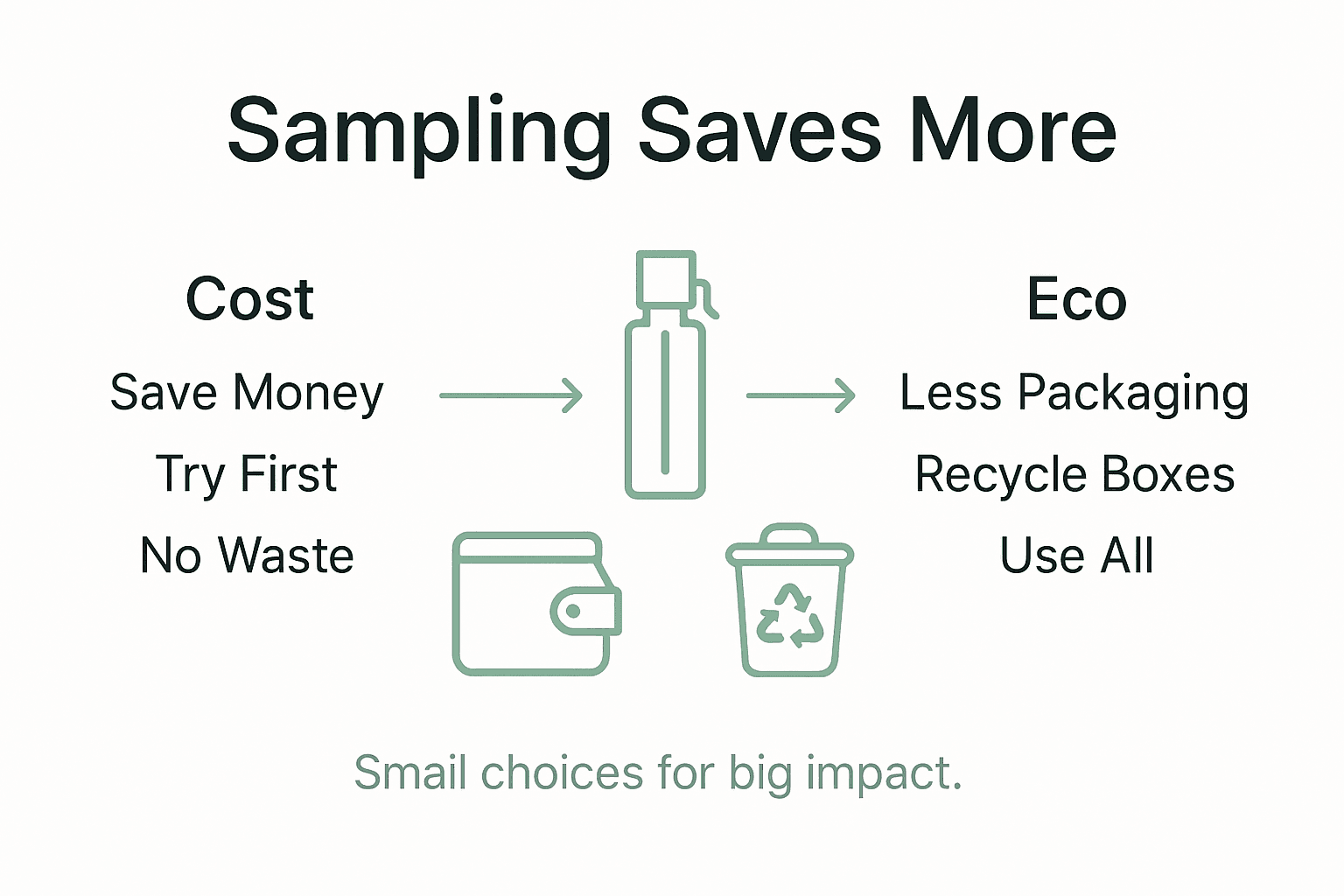
Pro Tip for Eco-Conscious Samplers: Prioritise sampling services that offer recyclable or biodegradable packaging, and consider consolidating sample orders to further reduce individual shipping emissions and packaging waste.
Common Pitfalls When Sampling
Navigating the intricate world of perfume sampling requires awareness of potential missteps that can compromise the entire fragrance exploration experience. Sampling strategy demands a nuanced approach, with several critical pitfalls that UK fragrance enthusiasts must carefully navigate to ensure meaningful and accurate scent assessments.
One of the most prevalent mistakes involves improper testing methodology, where consumers fail to understand the complexities of fragrance comparisons. Many individuals rush their sampling process, testing multiple fragrances simultaneously or applying samples incorrectly, which can lead to olfactory fatigue and skewed perception. Professional sampling requires methodical application, allowing sufficient time between scent evaluations and understanding how fragrances evolve across different body zones and environmental conditions.
Another significant pitfall centres on unrealistic expectations and misunderstanding fragrance characteristics. Consumers often make hasty judgments based on initial impressions, overlooking the complex olfactory progression that occurs over several hours. Each perfume develops unique nuances through top, heart, and base notes, and rapid dismissal can result in missing potentially remarkable scent experiences. Additionally, individual body chemistry plays a crucial role in fragrance performance, meaning a scent that disappoints initially might transform beautifully with personal interaction.
Pro Tip for Sample Veterans: Create a dedicated sampling journal to document each fragrance’s development, noting application method, initial impressions, and how the scent changes over 6-8 hours to develop a comprehensive understanding of its true character.
Below is a summary table highlighting key benefits and common pitfalls of perfume sampling:
| Aspect | Key Benefit | Potential Pitfall |
|---|---|---|
| Financial | Saves money on full bottles | Impulse spending on many samples |
| Olfactory | Enables thorough scent testing | Olfactory fatigue from over-sampling |
| Personalisation | Matches scent to body chemistry | Overlooking long-term fragrance shift |
| Environmental | Reduces packaging and waste | Disposing of non-recyclable mini vials |
Discover Your Perfect Fragrance with Smart Sampling
Fragrance lovers in the United Kingdom often face the challenge of choosing perfumes that truly suit their personal style and body chemistry without wasting money on full bottles that may disappoint. This article highlights how strategic perfume sampling can eliminate the guesswork by allowing you to experience scents fully before committing. By understanding concepts like fragrance longevity, olfactory progression, and the benefits of designer-inspired dupes, you can make intelligent, informed purchases that reflect your individuality.
Explore a curated collection of high-quality perfume samples and affordable dupes at Alexandria UK. Our offerings are tailored for those who want to sample confidently while saving money and reducing environmental impact. Don’t wait to transform your fragrance journey — start your smart sampling adventure today at https://alexandriauk.com and embrace personalised scent discovery with expert guidance.
Frequently Asked Questions
What are the benefits of sampling perfumes?
Sampling perfumes allows individuals to explore various scents without the financial commitment of full-sized bottles, enabling thorough evaluations of fragrance characteristics like longevity and compatibility with personal body chemistry.
How do I properly test perfume samples?
To accurately assess perfume samples, apply them to your skin rather than paper strips and allow sufficient time between testing different scents to avoid olfactory fatigue. Observe how the fragrance develops over a period of several hours.
What types of perfume samples are available?
Common types of perfume samples include traditional liquid vials, solid perfumes in balm form, discovery sets with multiple vials, and subscription samples that offer ongoing scent exploration on a monthly basis.
How do I compare dupes of designer fragrances when sampling?
When sampling dupes, test multiple fragrances side by side to evaluate scent similarities and differences in performance, taking notes on aspects like projection and longevity to make informed purchasing decisions.