Most Fragrant Perfume: Choosing Quality & Lasting Scent
Finding a perfume that balances intensity, longevity, and character can feel challenging, especially with so many options available in the UK. For fragrance enthusiasts who crave both luxurious scent experiences and accessible alternatives, understanding the secrets behind truly well-scented perfumes is essential. By exploring the molecular complexity and creative artistry that define modern perfumery, you can make smart choices whether you prefer exclusive blends or high-quality dupes that rival designer favourites.
Table of Contents
- Defining Fragrance: What Makes Perfume Most Scented
- Types of Perfume and Popular Fragrance Categories
- Key Characteristics of Exceptionally Fragrant Perfumes
- Comparing Designer Perfumes and Quality Dupes
- How to Evaluate Scent Longevity and Performance
- Common Misconceptions About Affordable Alternatives
Key Takeaways
| Point | Details |
|---|---|
| Fragrance Composition | Perfumes are crafted from a blend of natural and synthetic aromatic compounds, structured into a fragrance pyramid of top, heart, and base notes. |
| Perfume Concentration | Higher concentration levels of aromatic compounds result in more intense and longer-lasting scents, with types ranging from Eau de Cologne to Pure Parfum. |
| Perfume Families | Fragrances are categorised into families such as Fresh, Floral, Oriental, Woody, Gourmand, and Unisex, each evoking distinct emotional experiences. |
| Quality Dupes vs Designer | Affordable perfume alternatives can rival designer fragrances in quality, utilising advanced molecular techniques to replicate complex scent profiles. |
Defining Fragrance: What Makes Perfume Most Scented
Fragrances represent an intricate symphony of chemical artistry and sensory perception. At their core, perfumes are complex compositions blending natural and synthetic aromatic compounds that transform personal chemistry into memorable olfactory experiences. Understanding what makes a perfume truly scented requires delving into its sophisticated molecular structure and creative design.
The science behind fragrance creation involves strategic selection and combination of aromatic molecules. Master perfumers craft intricate scent profiles by carefully layering essential oils extracted from diverse global sources. These oils originate from multiple botanical and synthetic origins, including:
- Floral extracts (jasmine, rose, lavender)
- Woody essences (cedar, sandalwood)
- Citrus oils (bergamot, lemon)
- Spice derivatives (cinnamon, cardamom)
- Synthetic aromatic compounds
Each fragrance follows a complex architectural design known as the fragrance pyramid, which structures scent evolution through distinct note layers. This pyramid comprises:
- Top notes: Initial, light impressions lasting 15-30 minutes
- Heart notes: The perfume’s core character developing over 3-5 hours
- Base notes: Long-lasting foundational scents persisting 5-10 hours
Molecular complexity determines a perfume’s depth and lasting power. Advanced chemical analysis techniques like gas chromatography enable perfumers to understand and manipulate aromatic compounds with unprecedented precision. Synthetic molecules such as Iso E Super provide consistency and innovative scent profiles that natural extracts cannot always achieve.
Concentration levels also significantly impact a fragrance’s intensity. Higher concentration percentages of aromatic compounds translate directly into more pronounced and longer-lasting scents. Typical concentration ranges include:
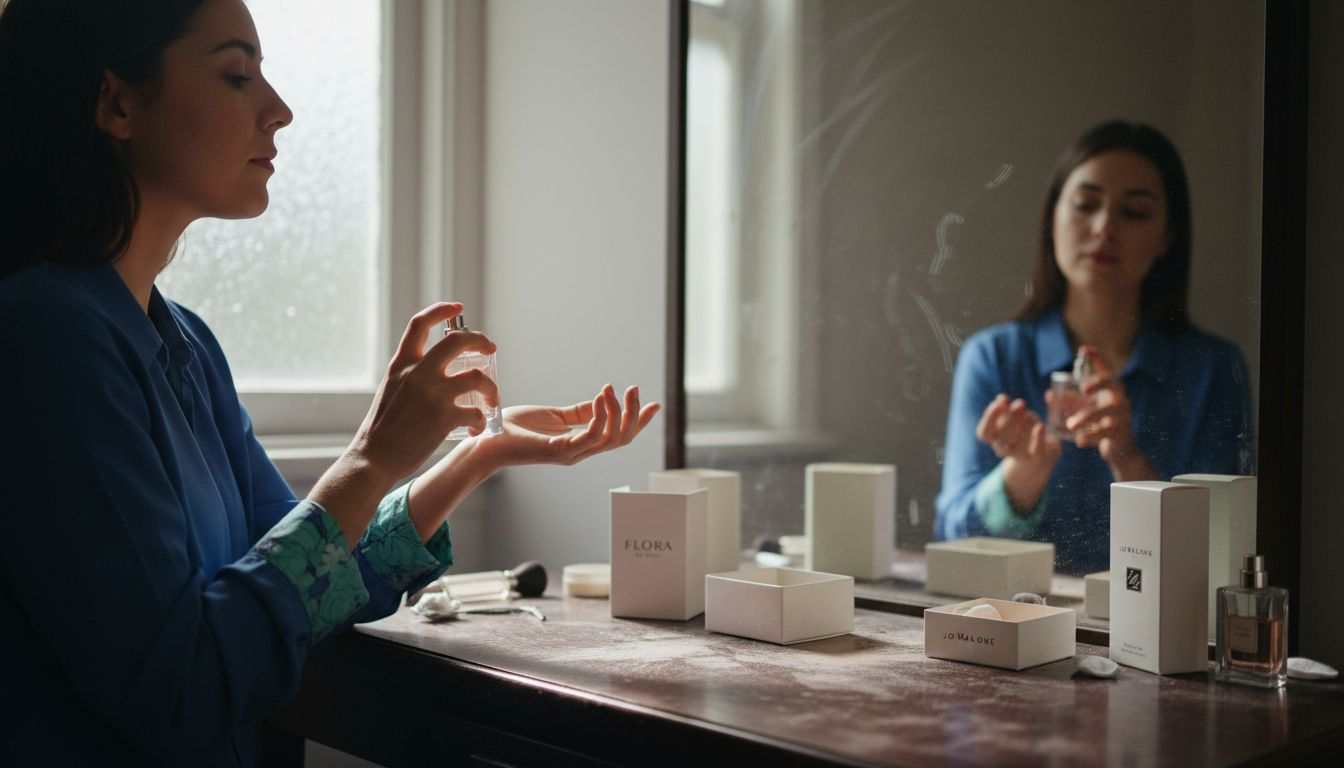
To better understand how scent concentration affects perfume experience, see the comparison below:
| Perfume Type | Concentration (%) | Typical Longevity | Scent Intensity |
|---|---|---|---|
| Eau de Cologne | 2 – 4 | Up to 2 hours | Very subtle |
| Eau de Toilette | 5 – 15 | 2–4 hours | Light but noticeable |
| Eau de Parfum | 15 – 20 | 5–8 hours | Rich and prominent |
| Pure Parfum/Extrait | 20 – 40 | 8–12 hours | Most intense and lasting |
- Eau de Cologne: 2-4% aromatic compounds
- Eau de Toilette: 5-15% aromatic compounds
- Eau de Parfum: 15-20% aromatic compounds
- Pure Parfum/Extrait: 20-40% aromatic compounds
Pro tip: When selecting a fragrance, test it on your skin and allow it to develop through all three note stages to truly understand its unique character.
Types of Perfume and Popular Fragrance Categories
Fragrance categories represent a sophisticated landscape of olfactory experiences, each offering unique sensory characteristics that cater to diverse personal preferences. Contemporary perfume trends showcase remarkable diversity across multiple scent families, reflecting evolving consumer tastes and innovative perfumery techniques.
The primary fragrance families encompass a rich spectrum of aromatic profiles:
- Fresh Fragrances: Crisp, light scents featuring citrus, green, and aquatic notes
- Floral Fragrances: Delicate and romantic, dominated by singular or complex flower essences
- Oriental Fragrances: Warm, opulent scents with spicy, sweet, and resinous undertones
- Woody Fragrances: Earthy and sophisticated, characterised by cedar, sandalwood, and vetiver notes
- Gourmand Fragrances: Sweet, edible-inspired scents reminiscent of desserts and culinary experiences
Each fragrance family offers distinct sensory experiences and emotional resonances. Fresh fragrances evoke feelings of cleanliness and vitality, while oriental scents communicate sensuality and mystery. Floral fragrances connect with romantic and delicate emotional landscapes, and woody compositions suggest sophistication and depth.
Modern perfumery has also witnessed the emergence of innovative categories that challenge traditional boundaries. Unisex fragrances have gained significant popularity, breaking gender-specific scent conventions and offering more inclusive olfactory experiences. Emerging trends also highlight growing consumer interest in:
Compare traditional fragrance families and emerging categories with this summary table:
| Category | Defining Features | Emotional Resonance |
|---|---|---|
| Fresh | Citrus, aquatic, green notes | Revitalising, clean |
| Floral | Single or blended flowers | Romantic, delicate |
| Oriental | Spicy, resinous, warm | Mysterious, sensual |
| Woody | Cedar, sandalwood, vetiver | Sophisticated, grounding |
| Gourmand | Edible, dessert-inspired | Comforting, sweet |
| Unisex/Modern | Gender-neutral, minimalist | Inclusive, contemporary |
- Sustainable and ethically sourced ingredients
- Minimalist, skin-close scent profiles
- Multilayered, complex fragrance compositions
- Niche and artisanal perfume collections
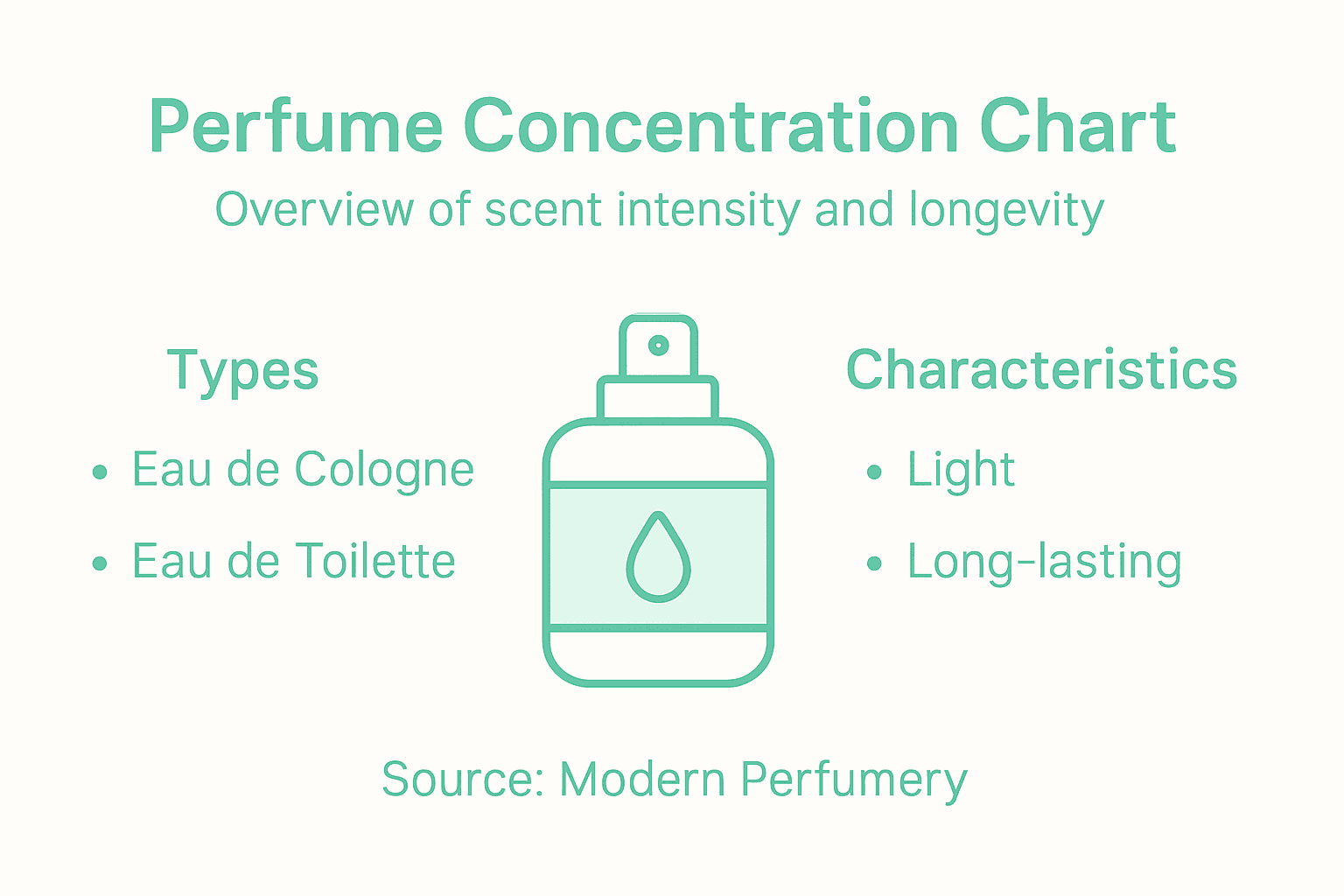
Concentration levels further differentiate perfume experiences, ranging from light Eau de Cologne to intense Pure Parfum, each offering varying degrees of scent projection and longevity.
Pro tip: When exploring fragrance families, sample multiple variations to discover your unique scent personality and understand how different notes interact with your personal body chemistry.
Key Characteristics of Exceptionally Fragrant Perfumes
Luxury perfumes represent sophisticated olfactory masterpieces that transcend mere fragrance, embodying complex sensory experiences crafted through meticulous ingredient selection and expert blending techniques. These exceptional scents distinguish themselves through several critical characteristics that elevate them beyond ordinary perfumes.
The hallmarks of an exceptionally fragrant perfume include:
- Ingredient Quality: Rare, high-concentration botanical and synthetic essences
- Molecular Complexity: Intricate layering of complementary aromatic compounds
- Balanced Composition: Harmonious blend across top, heart, and base notes
- Longevity: Extended scent projection and sustained olfactory performance
- Emotional Resonance: Ability to evoke memories and profound sensory experiences
Perfume experts evaluate fragrance quality through multiple sophisticated parameters. Concentration levels play a crucial role, with higher oil percentages directly correlating to more intense and long-lasting scent experiences. Professional perfumers employ advanced techniques to create multi-dimensional fragrances that unfold gradually:
- Selecting premium raw ingredients
- Balancing synthetic and natural aromatic molecules
- Developing precise molecular interactions
- Creating nuanced scent progressions
Modern perfumery has revolutionised scent creation through innovative synthetic aroma chemicals that provide unprecedented depth and uniqueness. These scientific advancements allow perfumers to craft fragrances with extraordinary complexity, transcending traditional botanical limitations.
Synthetic molecules introduce fascinating dimensions to fragrance composition, enabling perfumers to:
- Replicate rare or expensive natural essences
- Create entirely novel olfactory experiences
- Enhance scent stability and longevity
- Introduce precise, controlled aromatic profiles
Pro tip: When assessing a perfume’s quality, focus on how the scent evolves over time, paying close attention to its transformation from initial top notes to deeper base notes.
Comparing Designer Perfumes and Quality Dupes
Quality fragrance dupes offer sophisticated alternatives to expensive designer perfumes, providing discerning consumers with accessible yet remarkable olfactory experiences. The world of perfumery has evolved dramatically, challenging traditional notions of luxury and value through innovative replication techniques.
The key differences between designer perfumes and quality dupes emerge across several critical dimensions:
-
Ingredient Composition: - Designer: Rare, exclusive ingredients
- Dupes: Carefully selected, similar molecular structures
-
Price Point:
- Designer: Significantly higher cost
- Dupes: Substantially more affordable
-
Longevity:
- Designer: Often longer-lasting
- Dupes: Improving with advanced formulation techniques
-
Complexity:
- Designer: Intricate, multi-layered compositions
- Dupes: Increasingly sophisticated replication
Modern fragrance duplication represents a nuanced art form, not merely cheap imitation. Professional perfumers employ advanced molecular analysis to deconstruct and recreate complex scent profiles with remarkable precision. This scientific approach allows dupe manufacturers to capture the essence of luxury fragrances while maintaining competitive pricing.
Consumers benefit from this innovation through:
- Enhanced accessibility to premium scent experiences
- More diverse fragrance exploration
- Reduced financial barriers to quality perfumery
- Increased consumer choice and flexibility
The technological advancements in fragrance chemistry have dramatically narrowed the quality gap between designer perfumes and their more affordable counterparts. Sophisticated analytical techniques and synthetic molecule development enable dupe creators to produce remarkably similar olfactory experiences at a fraction of the original cost.
Pro tip: Always test a fragrance dupe on your own skin, as individual body chemistry can significantly influence how a scent develops and performs.
How to Evaluate Scent Longevity and Performance
Scientific techniques reveal intricate fragrance performance dynamics that extend far beyond simple sensory perception. Perfume longevity represents a complex interplay of molecular science, environmental factors, and individual body chemistry.
Critical factors influencing scent performance include:
- Ingredient Quality: Concentration and molecular structure
- Application Technique: Skin preparation and spraying method
- Environmental Conditions: Temperature, humidity, personal body chemistry
- Molecular Fixatives: Stabilising compounds that enhance scent retention
Professional fragrance evaluation involves sophisticated methodologies:
- Headspace technology analysis
- Gas chromatography measurements
- Electronic nose sensor assessments
- Trained sensory panel evaluations
- Molecular persistence tracking
The molecular composition plays a pivotal role in determining fragrance endurance. High-quality perfumes incorporate specialized fixative molecules that dramatically extend scent projection and stability. These molecular structures anchor volatile aromatic compounds, creating a more persistent olfactory experience.
Consumers can conduct personal longevity assessments by:
- Applying fragrance to pulse points
- Monitoring scent intensity over several hours
- Noting performance under different environmental conditions
- Comparing performance across multiple skin types
Pro tip: Store your perfumes in cool, dark spaces and avoid direct sunlight to preserve their molecular integrity and extend their overall performance potential.
Common Misconceptions About Affordable Alternatives
Affordable perfume alternatives challenge traditional luxury perceptions by offering sophisticated scent experiences that rival high-end designer fragrances. Consumers often harbour misconceptions about budget-friendly perfume options that prevent them from exploring remarkable olfactory alternatives.
Common myths surrounding affordable perfume alternatives include:
- Quality Perception: Believing lower price means inferior fragrance
- Longevity Assumptions: Assuming budget options fade quickly
- Complexity Misconception: Thinking cheaper fragrances lack sophisticated composition
- Brand Prestige Bias: Overvaluing designer labels versus actual scent performance
Modern fragrance technology has dramatically transformed the landscape of affordable perfumery. Molecular engineering enables manufacturers to create remarkably complex scent profiles using:
- Advanced synthetic aromatic compounds
- Precise molecular replication techniques
- Sophisticated extraction methods
- Innovative fixative technologies
Professional perfumers now employ cutting-edge scientific approaches to develop budget-friendly fragrances that demonstrate extraordinary sophistication. These alternatives undergo rigorous development processes, challenging traditional perceptions of luxury and value in the perfume market.
Key differences between misconceptions and reality include:
- Ingredient Quality: Many affordable alternatives use high-grade synthetic molecules
- Scent Complexity: Budget options often feature multilayered, nuanced compositions
- Performance Metrics: Advanced formulation techniques enhance longevity
- Innovation Potential: Lower-cost brands frequently experiment more boldly
Pro tip: Always sample a fragrance dupe directly on your skin and allow it to develop, as individual body chemistry can dramatically transform initial perceptions.
Discover Your Most Fragrant and Lasting Scent Today
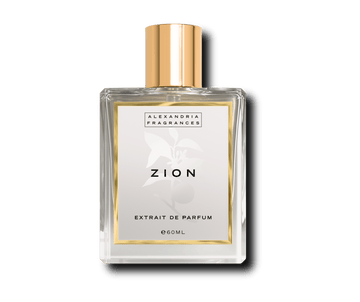
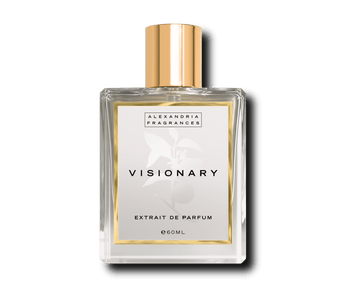
Choosing a perfume that truly stands out for its quality and longevity can be daunting. The article highlights critical challenges such as understanding fragrance concentration, molecular complexity, and how scents evolve from top to base notes. Many perfume lovers struggle to find affordable options that do not compromise on sophistication or lasting power. At Alexandria UK, we address these key pain points by offering a curated selection of high-quality fragrances and expert dupes that capture the essence of luxury scents without the premium price.
Experience the science of scent with confidence knowing you can explore exceptional olfactory profiles, from rich eau de parfums to subtle eau de toilettes. Explore our Collection where every fragrance is crafted or carefully chosen for its balanced composition, emotional resonance, and enduring performance.
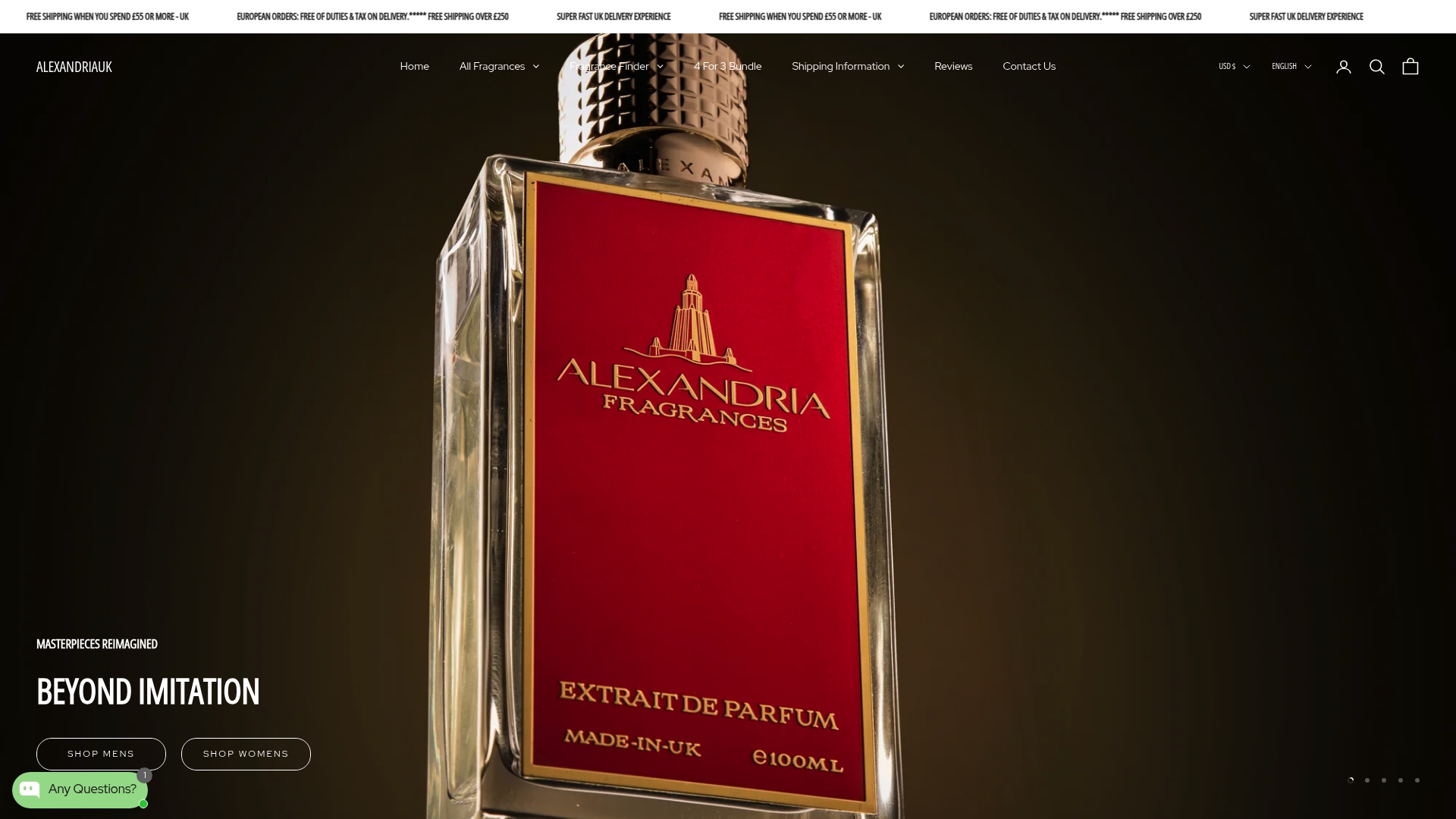
Ready to find your perfect fragrance companion that evolves beautifully on your skin and lasts all day long Discover how affordable luxury and quality blend seamlessly at Alexandria UK. Visit Alexandria UK now to explore the finest quality dupes and original perfumes that redefine your scent experience. Do not wait to elevate your fragrance journey with scents that truly speak to your personal style and lasting impression.
Frequently Asked Questions
What factors contribute to the longevity of a perfume?
The longevity of a perfume is influenced by several factors including ingredient quality, concentration levels, molecular structure, application technique, and environmental conditions. High-quality ingredients and a higher concentration of aromatic compounds typically result in longer-lasting scents.
How can I assess the quality of a fragrance?
To evaluate fragrance quality, consider the ingredient quality, molecular complexity, and how well it evolves over time. A high-quality perfume will have a balanced composition that unfolds harmoniously across its top, heart, and base notes.
What are the main differences between designer perfumes and affordable alternatives?
Designer perfumes often use exclusive ingredients and can be more complex, resulting in a higher price point and longer-lasting scents. Affordable alternatives are increasingly sophisticated and may replicate similar scent profiles using advanced techniques at a lower cost.
How should I apply perfume for the best results?
For optimal results, apply perfume to pulse points such as wrists and the neck where body heat can enhance scent projection. Make sure to test the fragrance on your skin to observe how it develops through its various note stages.