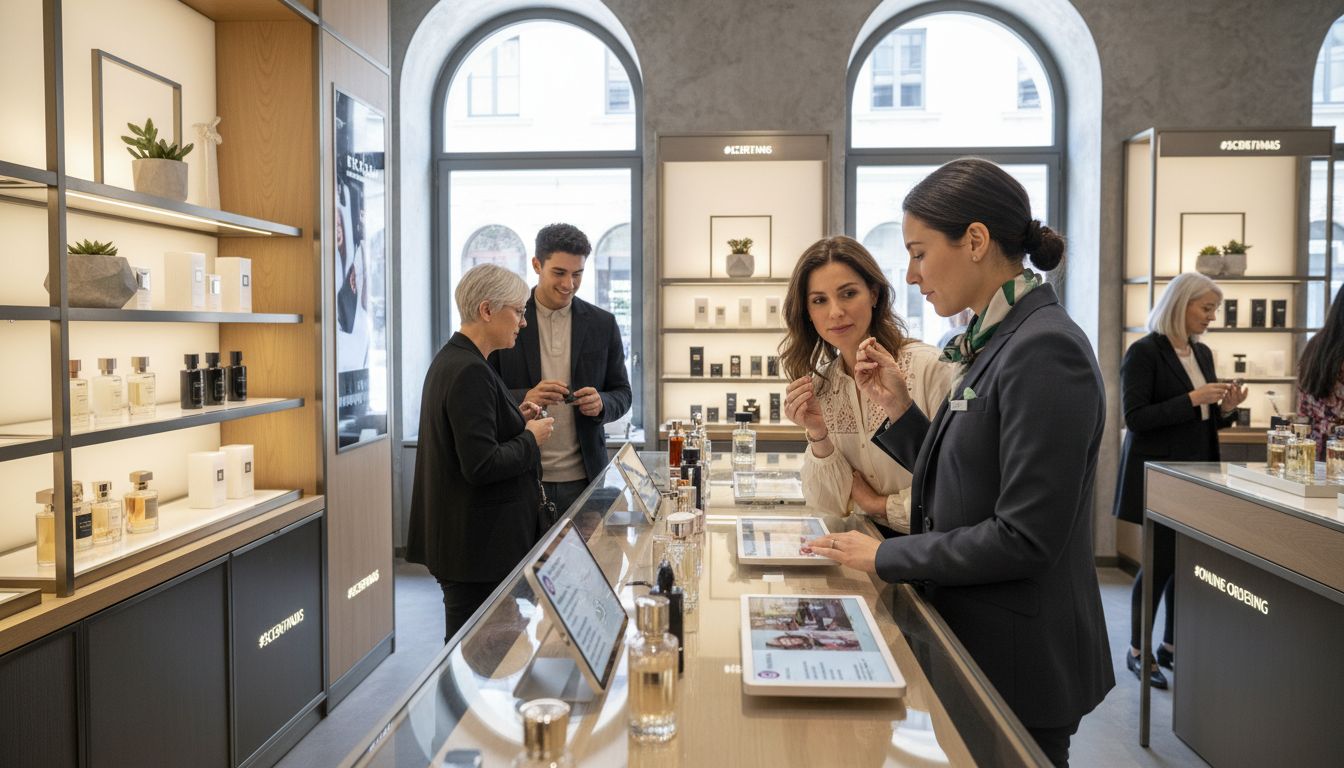
What Is the Most Popular Perfume? Complete Guide
Over half of shoppers now seek out accessible, high-quality alternatives instead of sticking to traditional luxury perfumes. This shift has made the world of fragrance more diverse and exciting, with trends like celebrity endorsements and viral social media buzz shaping what becomes a top pick. Understanding what drives a scent’s rise in popularity means looking beyond the label to see how affordability, cultural relevance, and digital influence all blend together.
Table of Contents
- Defining Most Popular Perfume Today
- Types of Perfumes and Top Variations
- Key Factors Influencing Popularity
- Comparing Originals and Inspired Scents
- Buying Guide for Quality Perfume Dupes
Key Takeaways
| Key Point | Details |
|---|---|
| Shifting Definition of Popularity | Perfume popularity is now defined by factors like affordability, social media presence, and celebrity endorsements rather than just luxury brand status. |
| Core Popularity Characteristics | Popular perfumes share traits like versatile scents, accessible pricing, and strong digital marketing strategies. |
| Emergence of Inspired Scents | Consumers increasingly prefer quality dupes, balancing affordability with an artistic fragrance experience, as inspired scents gain acceptance. |
| Consumer-Centric Selection Criteria | Quality perfume selection focuses on ingredient quality, longevity, and brand reputation, emphasizing discernment in purchasing decisions. |
Defining Most Popular Perfume Today
Understanding what makes a perfume “most popular” involves examining multiple dynamic factors beyond mere sales figures. According to research from the Fragrance Foundation UK, popularity encompasses consumer preferences, cultural trends, and emerging market dynamics.
The definition of a popular perfume has dramatically evolved in recent years. Mainstream popularity now considers several critical elements: affordability, social media visibility, celebrity endorsements, and accessibility. Interestingly, UCL research highlights a significant trend towards affordable alternatives, suggesting that consumer perception of popularity has shifted from luxury brands to more budget-friendly options.
Key Characteristics of Popular Perfumes
Popular fragrances typically share several distinctive characteristics:
- Versatile scent profile that appeals to broad demographics
- Reasonable price point making it accessible to average consumers
- Strong social media presence and digital marketing strategy
- Memorable and distinctive fragrance notes
- Celebrity or influencer associations
In the contemporary fragrance landscape, popularity is no longer exclusively determined by traditional luxury brands. The rise of social media and digital platforms has democratised consumer choice, allowing niche and alternative fragrances to gain significant traction. The Impact of Social Media on Your Perfume Choices further explores how digital platforms are reshaping fragrance trends and consumer preferences.
Modern consumers seek more than just a pleasant scent they want an experience, a story, and a connection. This evolution means that today’s most popular perfumes are those that successfully blend quality, narrative, affordability, and cultural relevance.
Types of Perfumes and Top Variations
Perfumes represent a complex and nuanced world of olfactory experiences, with multiple variations defined by their concentration and characteristics. The Fragrance Foundation UK provides definitive insights into the primary perfume classifications that consumers encounter in the modern fragrance market.
According to UK Government Cosmetic Product Notifications, perfumes are scientifically categorized based on their fragrance oil concentration. These variations significantly impact the scent’s intensity, longevity, and overall wearing experience.
Primary Perfume Classifications
The main perfume types are distinguished by their aromatic oil percentage:
- Extrait de Parfum: 20-40% fragrance concentration
- Eau de Parfum: 15-20% fragrance concentration
- Eau de Toilette: 5-15% fragrance concentration
- Eau de Cologne: 2-5% fragrance concentration
- Eau Fraiche: 1-3% fragrance concentration
Understanding these variations helps consumers make informed choices about their fragrance purchases. Different Types of Perfume: Essential Guide offers deeper insights into how these concentration levels affect a perfume’s performance and user experience.
Each perfume type offers unique characteristics. Extrait de Parfum provides the most intense and long-lasting scent, while Eau de Cologne offers a lighter, more refreshing experience. Modern fragrance enthusiasts appreciate this diversity, selecting perfumes that match their personal style, occasion, and skin chemistry.

Here’s a comparison of the primary perfume classifications and their key attributes:
| Perfume Type | Fragrance Concentration | Scent Longevity | Typical Use |
|---|---|---|---|
| Extrait de Parfum | 20-40% | 8-12 hours | Evening, special occasions |
| Eau de Parfum | 15-20% | 6-8 hours | Daily, professional |
| Eau de Toilette | 5-15% | 3-5 hours | Everyday wear |
| Eau de Cologne | 2-5% | 1-3 hours | Refreshing daytime |
| Eau Fraiche | 1-3% | Up to 2 hours | Short outings, summer |
Key Factors Influencing Popularity
The landscape of perfume popularity is complex and multifaceted, driven by a sophisticated interplay of consumer psychology, marketing strategies, and cultural trends. The Fragrance Foundation UK reveals that modern perfume popularity extends far beyond simple scent appeal, encompassing a nuanced ecosystem of brand perception and consumer engagement.
UCL research highlights an emerging trend that dramatically reshapes perfume popularity: the rise of affordable alternatives. Consumers are increasingly valuing intelligent purchasing decisions that balance quality, price, and brand authenticity.
Core Popularity Determinants
Several critical factors consistently influence perfume popularity:
- Celebrity and Influencer Endorsements: Leveraging personal brand recognition
- Social Media Visibility: Creating viral marketing moments
- Price Point Accessibility: Balancing perceived luxury with affordable options
- Unique Scent Composition: Offering distinctive olfactory experiences
- Packaging and Brand Storytelling: Creating emotional connections
The Influence of Pop Culture on Fragrance Trends provides deeper insights into how cultural dynamics shape consumer preferences. Modern perfume popularity is no longer about mere fragrance quality but about creating a comprehensive sensory and emotional experience that resonates with consumers’ identities and aspirations.
Understanding these factors reveals that popularity is a dynamic, multidimensional concept. Successful fragrances don’t just smell good they tell a story, connect emotionally, and reflect the zeitgeist of their moment.
The most popular perfumes are those that masterfully blend olfactory artistry with cultural relevance and strategic marketing.
Comparing Originals and Inspired Scents
UCL research reveals a fascinating shift in consumer fragrance preferences, highlighting the nuanced world of original perfumes and inspired scents. Dr. Dimitrios Tsivrikos emphasizes that modern consumers are no longer simply choosing between luxury and budget options, but seeking intelligent alternatives that balance quality, affordability, and olfactory experience.
According to the Fragrance Foundation UK, the distinction between original and inspired scents is becoming increasingly sophisticated. Inspired scents are no longer mere cheap imitations but carefully crafted fragrances that capture the essence of high-end perfumes while offering more accessible pricing.
Key Comparative Aspects
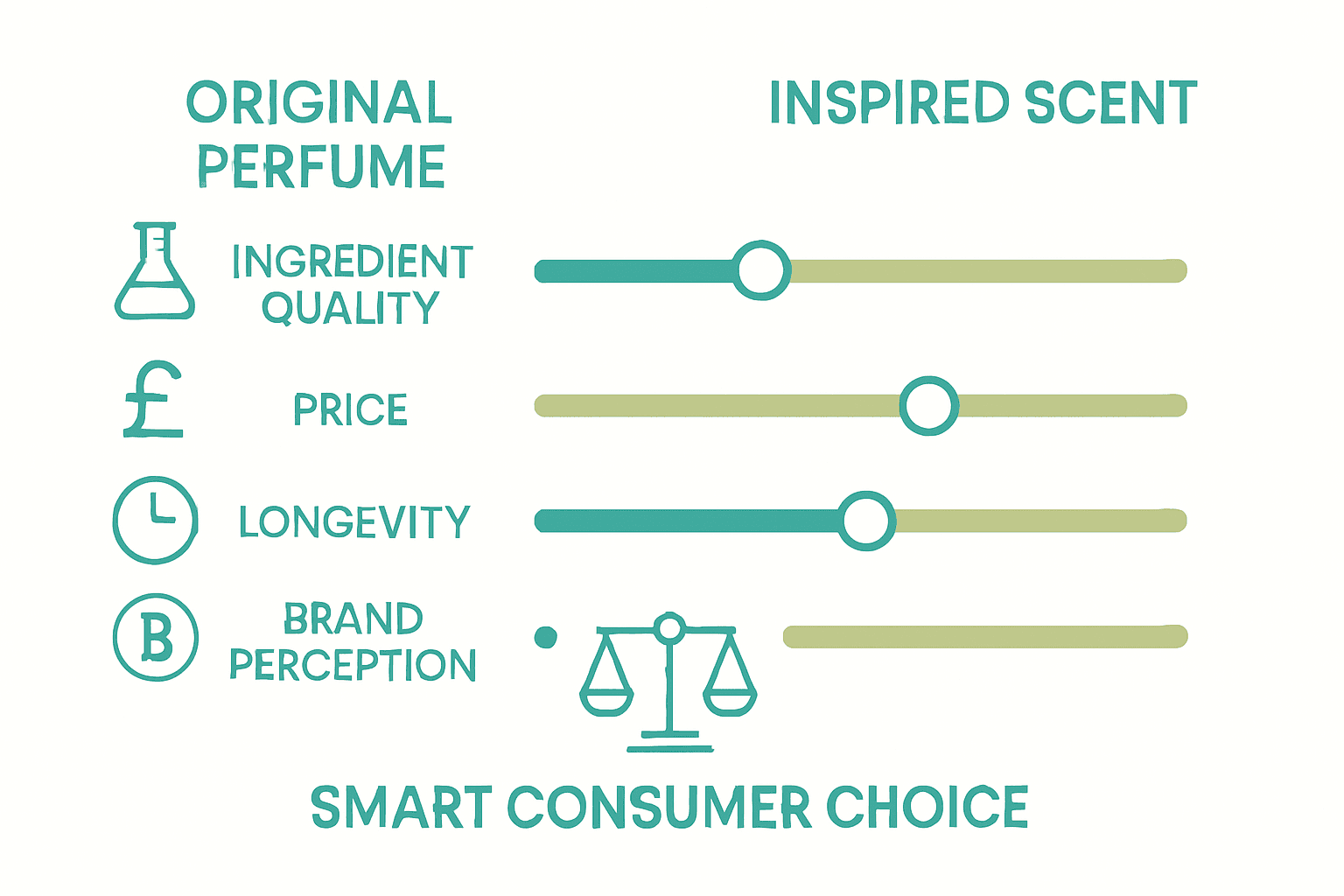
The critical differences between original and inspired scents include:
- Ingredient Quality: Varying levels of premium raw materials
- Price Point: Significant cost variations
- Longevity: Potential differences in scent staying power
- Complexity of Fragrance Composition: Nuanced structural differences
- Brand Perception: Impact of brand reputation on consumer choice
Original Fragrances vs. Dupes: A Worthwhile Comparison provides deeper insights into how inspired scents have evolved. Modern consumers are increasingly valuing intelligent fragrance choices that offer similar olfactory experiences at more accessible price points.
Ultimately, the choice between original and inspired scents is no longer about compromise but about understanding individual preferences. Sophisticated fragrance enthusiasts now recognize that an inspired scent can be just as artfully constructed as its original counterpart, challenging traditional notions of luxury and value in the perfume market.
Buying Guide for Quality Perfume Dupes
UCL research provides sophisticated insights into selecting quality perfume dupes, emphasizing that intelligent consumer choices go far beyond simple price comparisons. Dr. Dimitrios Tsivrikos highlights the nuanced approach modern fragrance enthusiasts must take when exploring inspired scents.
According to the Fragrance Foundation UK, identifying exceptional perfume dupes requires a strategic approach that balances multiple critical factors. Consumer discernment has become the cornerstone of selecting high-quality fragrances that offer remarkable value without compromising olfactory experience.
Key Selection Criteria
When hunting for top-tier perfume dupes, consider these essential elements:
- Ingredient Composition: Near-identical aromatic profiles
- Longevity: Comparable staying power to original fragrances
- Projection: Similar scent dispersal characteristics
- Price-to-Quality Ratio: Significant cost savings without performance compromise
- Brand Reputation: Credible manufacturers with transparent sourcing
Unlock the Secret to High-Quality Dupe Perfumes offers deeper insights into navigating the complex world of inspired fragrances. Sophisticated consumers understand that a remarkable dupe is not about cheap imitation but about intelligent, informed selection.
The art of choosing exceptional perfume dupes requires patience, research, and a refined sensory understanding. Successful fragrance hunters recognize that true value emerges from a meticulous balance between cost, quality, and personal olfactory preference.
Discover Affordable Luxury Perfumes Without Compromise
Navigating the world of popular perfumes can feel overwhelming when you want quality, unique scents, and affordability all at once. This article highlights the rise of inspired scents and dupes that offer intelligent alternatives to expensive originals, making luxury accessible. If you are seeking long-lasting fragrances with elevated scent profiles but don’t want to pay inflated prices, the challenge is finding trustworthy options that deliver on both quality and price.
At Alexandria UK, we understand this delicate balance. Our collection focuses on curated inspired fragrances, expertly crafted to match the essence of your favourite originals while keeping quality front and centre. Explore our guide on different types of perfume to learn how concentration impacts longevity and scent experience, helping you choose the perfect match for your lifestyle.
Are you ready to experience exquisite scents without compromise 
Dive into the world of exceptional inspired perfumes today and find your signature scent. Visit Alexandria UK now and make your next fragrance purchase a smart, luxurious decision.
Frequently Asked Questions
What defines a perfume as ‘most popular’?
A perfume is considered ‘most popular’ based on factors like consumer preferences, cultural trends, affordability, social media visibility, and celebrity endorsements. Popularity now encompasses budget-friendly alternatives rather than solely luxury brands.
What are the main types of perfumes and their characteristics?
The main types of perfumes include Extrait de Parfum (20-40% fragrance), Eau de Parfum (15-20%), Eau de Toilette (5-15%), Eau de Cologne (2-5%), and Eau Fraiche (1-3%). These classifications affect the scent’s intensity, longevity, and overall wearing experience.
How do celebrity endorsements influence perfume popularity?
Celebrity endorsements leverage personal brand recognition, significantly enhancing a fragrance’s visibility and desirability. They can create viral marketing moments that contribute to a perfume’s overall popularity.
What should I consider when looking for quality perfume dupes?
When searching for quality perfume dupes, consider the ingredient composition, longevity, projection, price-to-quality ratio, and the reputation of the brand. A good dupe should maintain similar olfactory profiles and performance to its original counterpart.
Recommended
- Types of Perfume Notes: Complete Guide for UK Buyers
- Dior Sauvage Showdown: EDT vs. EDP vs. Parfum vs. Elixir – Which One I
- Best Fragrances for Summer: A Comprehensive Guide
- Different Types of Perfume: Essential Guide
- Waarom Parfum Als Aankoop: Complete Gids – Pure Parfum