
Five Question Quiz and Two Hour Wear Test to Find Your Signature Scent
A signature scent is a fragrance profile you reach for instinctively, the one that feels like an extension of your own skin rather than a costume you put on. The fastest way to find it is a two-minute self-assessment paired with a focused wear test on skin, not a hopeful sniff from a shop shelf. Expect to land on a single hero bottle or a small seasonal wardrobe of two or three, and don’t assume that’s a compromise.
TL;DR:
- Testing only two or three scents on skin over several days prevents scent fatigue and reveals the true character after the top notes fade.
- Fragrance strength and climate significantly influence how a scent develops and lasts, so testing in real-world conditions gives a more accurate impression.
- Identifying a dominant fragrance family through self-assessment helps narrow options and speeds up the decision process, avoiding endless browsing.
- Building a signature scent involves a two-minute self-assessment followed by a wear test, rather than relying solely on initial impressions or trends.
- Alexandria’s discovery kits offer a risk-free way to sample and confirm the signature scent before making a full purchase.
Table of Contents
- What is a signature scent, exactly?
- Quick self-assessment: five questions to reveal your scent profile
- Fragrance families and what each communicates about you
- How to test perfumes on skin properly
- Build your shopping brief before you buy
- Why the science and the industry agree on this method
- Why the quiz-plus-wear-test method beats guesswork
- Find your signature with Alexandria’s discovery kits
- Sources
- FAQ
What is a signature scent, exactly?
A signature scent is the fragrance that aligns with your personality, your lifestyle, and how you want to feel on a given day, whether that’s polished, warm, or effortlessly clean. Industry guidance describes it as an “invisible accessory,” something worn instinctively rather than chosen to impress, and one that can anchor a marketing identity just as easily as a personal one.
Crucially, it doesn’t have to be one bottle for life. The Fragrance Foundation frames a signature as an evolving anchor point for identity, something you choose by how it makes you feel rather than by whatever’s trending. Many people settle into a small rotation, a fresh citrus for daytime and an amber for evening, and that’s just as valid as a single lifelong bottle.
Quick self-assessment: five questions to reveal your scent profile
Before you test a single spray, answer these honestly:
- How do you want to feel wearing it? Confident, calm, sensual, clean, playful?
- What scents already live in your home? Candles, coffee, fresh laundry, or something spiced and warm?
- What textures do you gravitate towards? Crisp cotton and citrus, or soft cashmere and vanilla?
- Name one “yes” note. A single ingredient you always love (rose, sandalwood, bergamot).
- Name one “no” note. The thing that ruins a fragrance for you instantly (often patchouli, aquatic notes, or heavy musk).
Your answers usually sort into one of six buckets: clean, fresh/citrus, floral, woody, amber/gourmand, or dark floral. Once you know your bucket, curate two to four samples from that lane rather than wandering the whole counter. A discovery kit built around that single family will get you to a decision far faster than browsing blind.
Fragrance families and what each communicates about you
Perfumery groups scents into families for a reason: it narrows an overwhelming category into something navigable. The Perfume Society’s family framework is the standard most retailers and noses still work from, and most people, once tested properly, repeatedly gravitate to just one or two.
- Citrus/fresh (bergamot, grapefruit, neroli): reads as clean, energetic, low-maintenance. Often chosen by people who prioritise ease over drama.
- Floral (rose, jasmine, iris): communicates softness and romance, though a green or spicy floral can read sharp and modern rather than sweet.
- Woody (sandalwood, cedar, vetiver): signals sophistication and quiet confidence, a favourite for those who want depth without shouting.
- Amber/gourmand (vanilla, tonka, benzoin): warm, comforting, often magnetic. Tends to suit people who want to be remembered.
- Fougère/chypre (lavender, oakmoss, patchouli): classic, structured, slightly retro. Popular with wearers who like a fragrance with backbone.
Treat your dominant family as your shopping lane. It won’t be the only thing you ever wear, but it’s the fastest filter for cutting hundreds of options down to a shortlist worth actually testing.
How to test perfumes on skin properly
Fragrance behaves entirely differently on skin than in the air from a tester card, so skip the paper strips. Guides on choosing a signature perfume in the UK consistently recommend testing no more than two or three scents in one sitting, since your nose fatigues fast and everything after scent three starts smelling the same.
- Apply one scent per wrist or inner arm. Never rub it in, that friction breaks down the molecular structure and distorts the opening.
- Check it at 10 to 20 minutes. This is the top note, usually citrus, aldehydes, or light florals, and it always fades. Don’t judge the whole fragrance on this stage alone.
- Check again at around two hours. The heart notes have settled in now, and this is where the fragrance’s real character shows itself.
- Check once more later in the day. The base, think musk, wood, amber, is what anchors your skin and what people will remember when you’ve left the room.
Formulation strength changes the maths too. An eau de toilette will fade faster and project less than an eau de parfum or an extrait, so factor that into how a scent reads across a working day. Climate matters just as much: heat amplifies sweet and heady notes, while damp or cold air makes everything sit heavier and closer to the skin. Our own breakdown of testing techniques covers this in more depth if you want the full method. If a scent turns sour, soapy, or simply flat by hour two, that’s your signal to discard it and move on rather than talking yourself into a bottle that isn’t working.
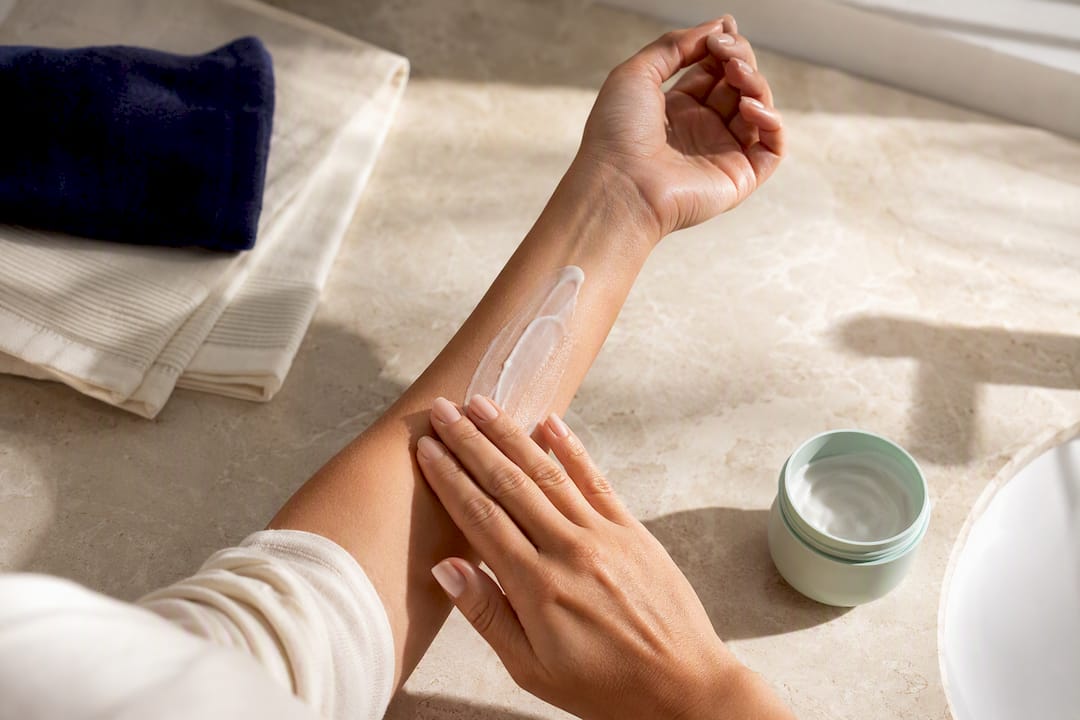
Pro Tip: Moisturised skin holds fragrance longer and truer than dry skin, because dry skin absorbs and dulls the oils a fragrance needs to develop properly. Apply an unscented lotion before spraying if you’re testing somewhere with central heating or air conditioning running.
Build your shopping brief before you buy
Turn your wear-test notes into a short brief you can actually shop against, rather than relying on memory at the counter.
- Mood: the one word you’re chasing (confident, clean, cosy, seductive).
- Yes note: the ingredient that must be present.
- No note: the dealbreaker to avoid entirely.
- Strength: EDT for subtlety, EDP or extrait for staying power.
- Price cap: what you’re actually willing to spend per bottle.
| Decision point | Everyday anchor | Seasonal wardrobe |
|---|---|---|
| Number of bottles | One | Two to three |
| Best for | Simplicity, low decision fatigue | Matching mood to season or occasion |
| Testing approach | Wear one sample across 5 days straight | Test one candidate per family, rotate weekly |
Sample strategically rather than randomly. Order a discovery kit and wear each candidate across several real days, work, dinner, the gym run, rather than deciding after a single Saturday afternoon. If you’re testing something lighter for gym bags or travel, a body spray format can also help you gauge a scent’s character without committing to full-size EDP volume just yet.
Why the science and the industry agree on this method
Fragrance preference sits close to memory and emotion in the brain, which is precisely why a signature scent feels less like a purchase and more like an extension of who you are.
That link between olfaction and memory is well documented, and it’s the reason emotional resonance beats chasing compliments or trends every time. Dave, Alexandriauk’s fragrance specialist, built the assessment and wear-test method above around exactly this principle: instinct first, structured testing second. Alexandriauk specialises in discovery kits precisely because sampling across real days, not a single counter spritz, is what separates a genuine signature from a scent you regret by week two.
Why the quiz-plus-wear-test method beats guesswork

Most fragrance advice online still tells you to “trust your nose” without giving you a repeatable process, which is how people end up with a shelf of half-used bottles they never reach for. The self-assessment gets you to a family fast; the two-hour skin check is what actually confirms or kills a candidate. Skipping the second step is the single most common mistake I see, people fall for a beautiful opening and never wait to smell the base, which is the part that lingers on your coat and your pillow.
The other overrated piece of advice is the “one bottle forever” rule. It sounds elegant, but it ignores climate, mood, and the simple fact that your amber gourmand from a rainy November will smell cloying in July. Prioritise building a small, deliberate wardrobe over hunting for a single mythical bottle. Test in real conditions, trust the two-hour mark over the first ten minutes, and treat family identification as your shortcut, not your final answer.
— dave
Find your signature with Alexandria’s discovery kits
Alexandriauk gives you a lower-risk route to a signature than blind-buying a full bottle on a shop-floor spritz: sample properly first, commit once you’re certain. Alexandria Signature is built as an everyday anchor, the reliable option for readers whose self-assessment pointed to one dominant family and one dependable bottle.
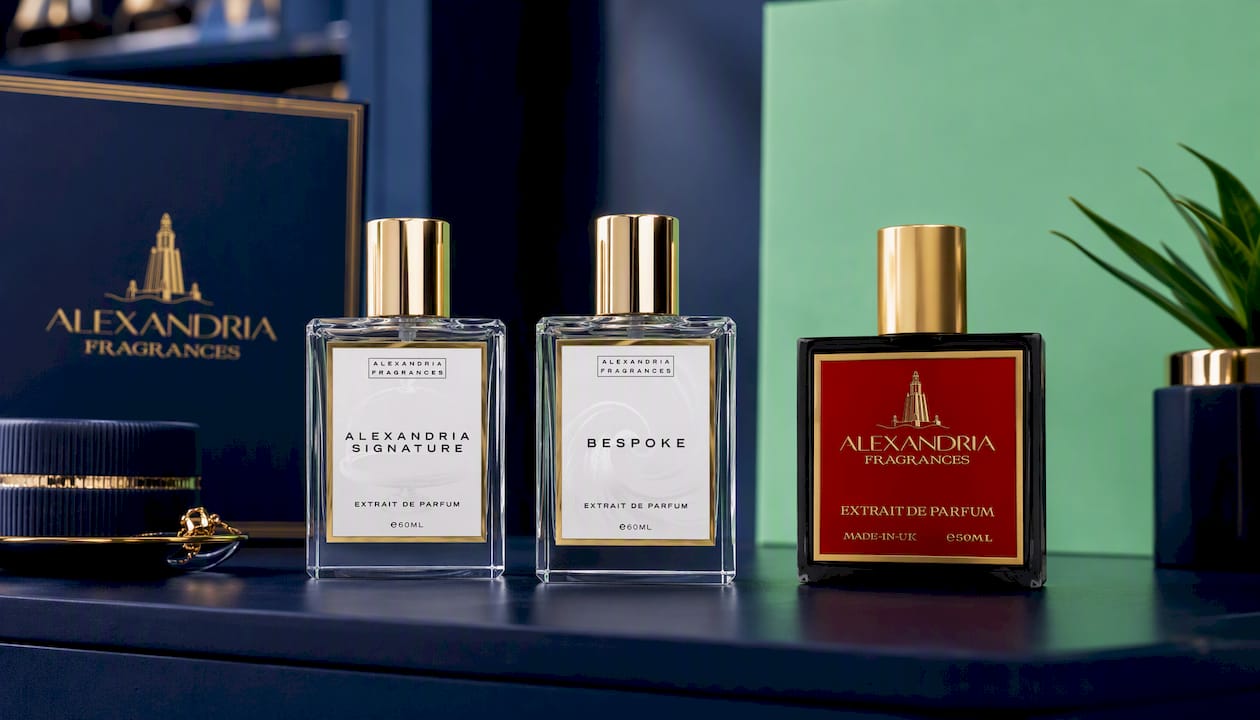
If your answers pulled you towards something more particular, Bespoke lets you build a custom blend around your exact yes and no notes rather than settling for the closest match on a shelf. For readers whose profile leans amber, oud, or gourmand and who want serious longevity, HAFEZ Exclusive Original Creation delivers the rich, long-lasting anchor scent that lighter EDTs simply can’t match. Order a discovery kit, wear each candidate across several real days as outlined above, and you’ll know your signature before the sample runs out.
Sources
For a deeper dive into scent categorisation before you shop, see our pillar guide to fragrance families. Further grounding comes from the Fragrance Foundation, Perfume Society, and GlamGeek’s UK testing guide.
- ScentAir 2026 scent marketing trends: what businesses need to know
- The Fragrance Foundation
- GlamGeek How to choose a signature perfume (UK guide)
- The Perfume Society Fragrance families explained
FAQ
How do I figure out my signature scent?
Answer five quick questions about mood, home scents, and yes/no notes to identify your fragrance family, then wear-test two or three candidates on skin across several days before deciding.
What are some signature scents?
Common signature profiles include a fresh citrus for daytime wear, a woody scent for understated confidence, and an amber gourmand for evening warmth; most people settle into one or two families rather than a single universal choice.
What is a signature scent?
It’s a fragrance that feels like an instinctive extension of your personality rather than a trend you’re following, and it can be one bottle or a small rotating wardrobe.
What does your signature scent say about you?
Your dominant family tends to reflect how you want to be perceived, fresh and clean signals ease, amber and gourmand signal warmth, and woody notes signal quiet sophistication, though personal chemistry always shifts the final result slightly.