Perfume Fragrance Types: Unlocking Quality Dupes
Choosing a new perfume can quickly become confusing when myths and marketing blur the facts about what truly makes a great scent. For fragrance lovers across the United Kingdom, understanding the difference between fragrance types and knowing what really influences quality is essential to finding high-quality perfume dupes that rival luxury originals. This guide breaks down the science of scent, highlights common misconceptions, and explains why perfume concentration is the true indicator of strength and longevity, helping you select the perfect affordable fragrance.
Table of Contents
- Perfume Fragrance Types And Common Myths
- Scents And Concentration: Distinguishing Categories
- How Perfume Dupes Replicate Designer Scents
- Assessing Quality And Longevity In Dupes
- Legal And Safety Standards For Uk Perfumes
Key Takeaways
| Point | Details |
|---|---|
| Fragrance Concentration | Understanding parfum concentrations is essential, as they directly influence scent strength and longevity. |
| Dupe Culture | Affordable dupes of designer fragrances provide budget-friendly alternatives without sacrificing quality. |
| Quality Assessment | The quality of fragrances, including dupes, relies on ingredients and molecular complexity, not just price. |
| Regulatory Compliance | UK regulations ensure safety and transparency in perfume manufacturing, enhancing consumer trust and product integrity. |
Perfume fragrance types and common myths
Perfumery is an intricate art blending science and sensory experience, yet numerous misconceptions persist about fragrance composition and categorisation. Perfume development involves complex alchemy that goes far beyond simple scent mixing, challenging many popular assumptions about how fragrances are created and perceived.
Understanding fragrance types requires breaking down several fundamental categories that define modern perfumery:
- Eau de Parfum: Highest concentration of aromatic compounds (15-20%)
- Eau de Toilette: Medium concentration (5-15%)
- Cologne: Light concentration (2-5%)
- Perfume Extract: Most concentrated form (20-40%)
Many individuals mistakenly believe that expensive perfumes are automatically superior, when in reality, price does not guarantee quality. The scientific approach to fragrance composition reveals that complex molecular interactions matter more than marketing claims.
Contrary to popular belief, perfume performance depends on multiple factors beyond brand reputation:
- Skin chemistry
- Environmental temperature
- Molecular structure of fragrance compounds
- Individual body heat
- Application technique
Most consumers do not realise that synthetic ingredients can be just as sophisticated and nuanced as natural extracts. Modern perfumery leverages advanced chemical engineering to create complex, multi-layered scent experiences that rival traditional botanical formulations.
Perfume is not just a fragrance, but a carefully orchestrated sensory narrative designed to evoke emotions and memories.
Pro tip: Always test a fragrance on your skin for at least 30 minutes to understand its true character and interaction with your personal chemistry.
Scents and concentration: Distinguishing categories
Understanding perfume concentration is crucial for selecting the right fragrance for your needs and preferences. Perfume concentration directly impacts scent strength and determines how long a fragrance will last throughout the day.
Perfume concentrations are typically categorised into distinct levels:
- Parfum/Extrait: 20-30% fragrance oil (most concentrated)
- Eau de Parfum: 15-20% fragrance oil
- Eau de Toilette: 5-15% fragrance oil
- Eau de Cologne: 2-4% fragrance oil
- Eau Fraiche: 1-3% fragrance oil (lightest concentration)
Each concentration level offers unique characteristics that appeal to different preferences and occasions. Perfume strength varies significantly based on the percentage of fragrance oils, influencing both longevity and projection.
To help clarify perfume concentration and its practical effects, here is a comparison of fragrance categories and their typical wear duration:
| Fragrance Type | Oil Concentration | Typical Longevity | Ideal Occasion |
|---|---|---|---|
| Parfum/Extrait | 20-30% | 8-12 hours | Evening, special events |
| Eau de Parfum | 15-20% | 6-8 hours | Daily wear, professional use |
| Eau de Toilette | 5-15% | 3-5 hours | Casual day, warm climates |
| Eau de Cologne | 2-4% | 2-3 hours | Refreshing, sporty outings |
| Eau Fraiche | 1-3% | 1-2 hours | Quick refresh, summer |
Consumers often mistakenly believe that higher price equates to better performance, but concentration levels are the true indicator of a fragrance’s staying power. Lighter concentrations like Eau de Cologne are perfect for casual daytime wear, while Parfum extracts provide intense, long-lasting experiences ideal for evening events.
The art of fragrance is not just about scent, but about understanding how concentration transforms the olfactory experience.
Understanding these categories helps you make informed decisions about which perfume suits your lifestyle, budget, and personal preferences.
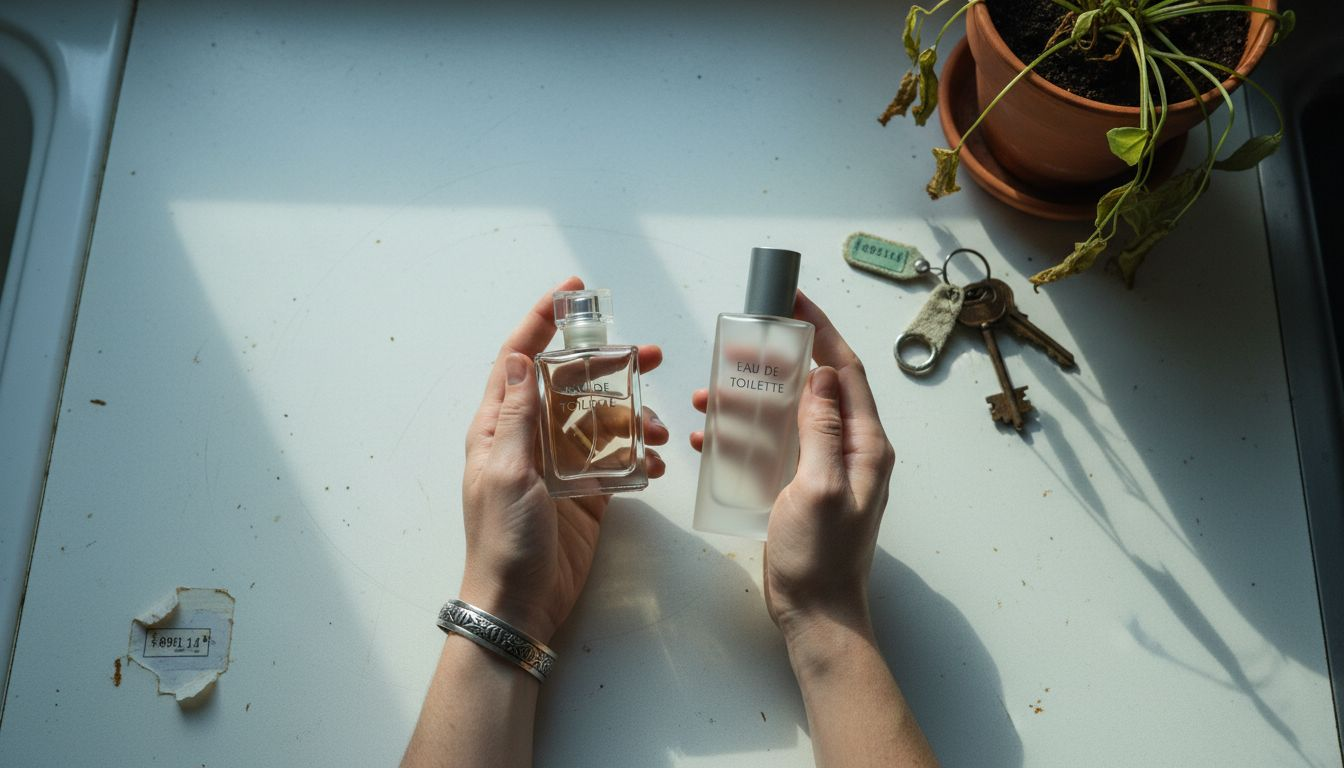
Pro tip: Always sample a fragrance in its intended concentration to truly appreciate its unique character and performance.
How perfume dupes replicate designer scents
Perfume dupe culture has revolutionised the fragrance market by offering affordable alternatives that capture the essence of designer scents without infringing on trademark regulations. These clever recreations provide budget-conscious consumers with an opportunity to experience luxurious fragrances at a fraction of the original price.
The process of creating perfume dupes involves sophisticated fragrance engineering:
- Scent Profiling: Analysing the original fragrance’s molecular composition
- Note Reconstruction: Identifying and recreating key aromatic notes
- Ingredient Selection: Choosing similar synthetic and natural compounds
- Blending Techniques: Matching the original scent’s complexity
- Performance Optimisation: Ensuring comparable longevity and projection
Dupe culture operates in a legal grey area, carefully navigating intellectual property constraints while providing consumers with high-quality alternatives. These fragrances are meticulously crafted to mimic the olfactory experience of designer perfumes, focusing on capturing the spirit of the original scent rather than directly copying it.
Consumers are increasingly drawn to dupes for several compelling reasons. The accessibility created by social media and changing consumer attitudes has transformed the perception of these alternative fragrances, making them a legitimate and respected option in the perfume market.
Perfume dupes represent a democratisation of luxury, bringing designer-inspired experiences within reach of a broader audience.
Pro tip: Always test a dupe fragrance on your skin to understand its unique character and how it interacts with your personal chemistry.
Assessing quality and longevity in dupes
Perfume longevity depends on complex formulation techniques that extend far beyond simple scent recreation. The quality of a dupe fragrance hinges on its ability to mirror the original’s molecular complexity while maintaining an affordable price point.
Key factors in assessing dupe quality include:
- Fragrance Oil Concentration: Determines scent strength and lasting power
- Ingredient Quality: Impact of synthetic versus natural compounds
- Fixative Balance: Ability to maintain scent projection
- Molecular Complexity: Matching the original fragrance’s intricate structure
- Performance Consistency: Stability across different environmental conditions
Global fragrance standards play a crucial role in ensuring dupe quality, with professional associations establishing rigorous guidelines for ingredient selection and formulation. These standards help manufacturers create alternatives that closely approximate designer fragrances while maintaining safety and performance benchmarks.
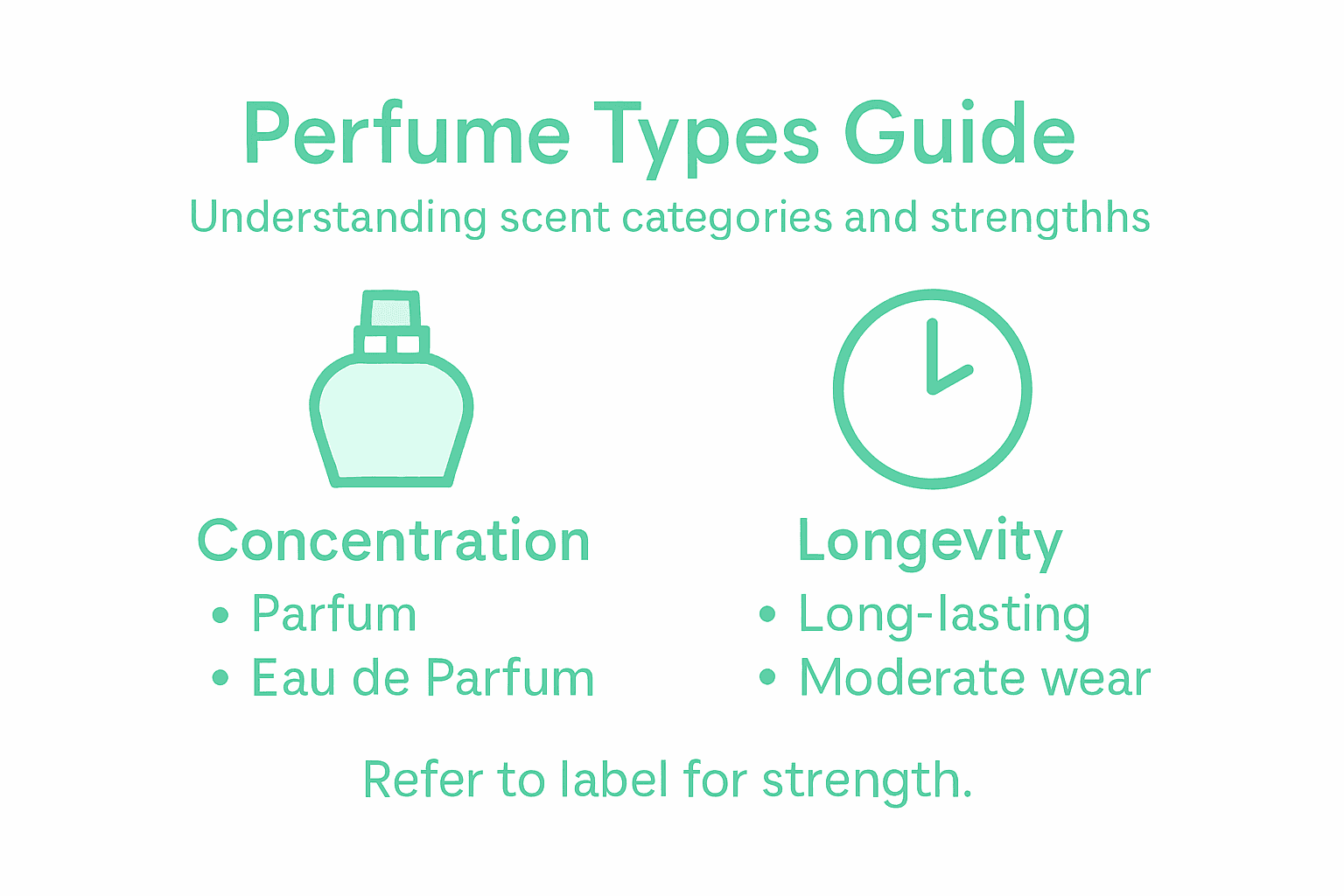
Consumers should understand that while high-quality dupes can remarkably replicate designer scents, subtle variations are inevitable. The most sophisticated dupes focus on capturing the essence and emotional resonance of the original fragrance rather than attempting an exact molecular replication.
Below is a summary of how designer perfumes and dupes differ in terms of quality, price, and perception:
| Aspect | Designer Perfumes | Perfume Dupes |
|---|---|---|
| Price Range | Premium, high-cost | Affordable, budget-friendly |
| Ingredient Complexity | Natural and synthetic, high nuance | Synthetic and blended |
| Longevity | Generally longer-lasting | Varies, often moderate |
| Consumer Perception | Exclusive, luxury status | Accessible, trendy |
Quality dupes are not mere imitations, but artistic interpretations that democratise luxury fragrance experiences.
Pro tip: Apply a dupe fragrance on pulse points and observe its development over several hours to truly assess its longevity and character.
Legal and safety standards for UK perfumes
UK cosmetic product regulations establish rigorous safety protocols for perfume manufacturing, ensuring consumer protection and product quality across the fragrance industry. These comprehensive guidelines govern every aspect of perfume production, from ingredient selection to final packaging.
Key regulatory requirements for UK perfume manufacturers include:
- Product Information File (PIF): Comprehensive documentation of product composition
- Responsible Person Registration: Legal accountability for product safety
- Ingredient Transparency: Detailed labelling of fragrance components
- Safety Assessment: Mandatory pre-market health evaluations
- Chemical Compliance: Adherence to hazardous substance regulations
Workplace chemical safety regulations play a critical role in protecting both workers and consumers throughout the fragrance production process. These guidelines mandate comprehensive risk assessments, exposure monitoring, and implementation of protective measures in manufacturing environments.
The intricate web of regulations ensures that UK consumers can trust the safety and quality of perfumes, with multiple layers of oversight preventing potentially harmful substances from entering the market. Manufacturers must navigate complex legal frameworks that prioritise public health and product integrity.
Safety standards are not just legal requirements, but a commitment to consumer well-being and trust.
Pro tip: Always check the ingredient list and look for regulatory compliance markings when purchasing perfumes to ensure maximum safety.
Discover Quality Perfume Dupes That Match Your Lifestyle
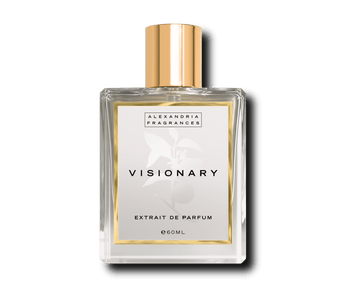
Navigating the world of perfume concentrations and designer scent dupes can be overwhelming. This article highlights key challenges such as distinguishing fragrance oil concentration, understanding skin chemistry effects, and seeking affordable yet high-quality alternatives without compromising longevity or character. If you have ever struggled to find a perfume that offers the perfect balance between lasting power and budget, the innovative selection at Alexandria UK is designed precisely for you. Explore expertly crafted dupes that respect UK safety standards and deliver the nuanced scent profiles you desire.
Why settle for less when you can experience luxury at an accessible price. Our collection helps you unlock the essence of top perfumes with sophisticated blends tailored to your personal chemistry. Whether you need a long-lasting evening fragrance or a light daytime scent, our ranges cover Eau de Parfum through Eau Fraiche concentrations, ensuring you find the right match every time.
Step into a world where quality meets affordability and join thousands who have embraced a smarter way to enjoy designer fragrance experiences. Visit Alexandria UK’s landing page to shop now and transform your scent journey.
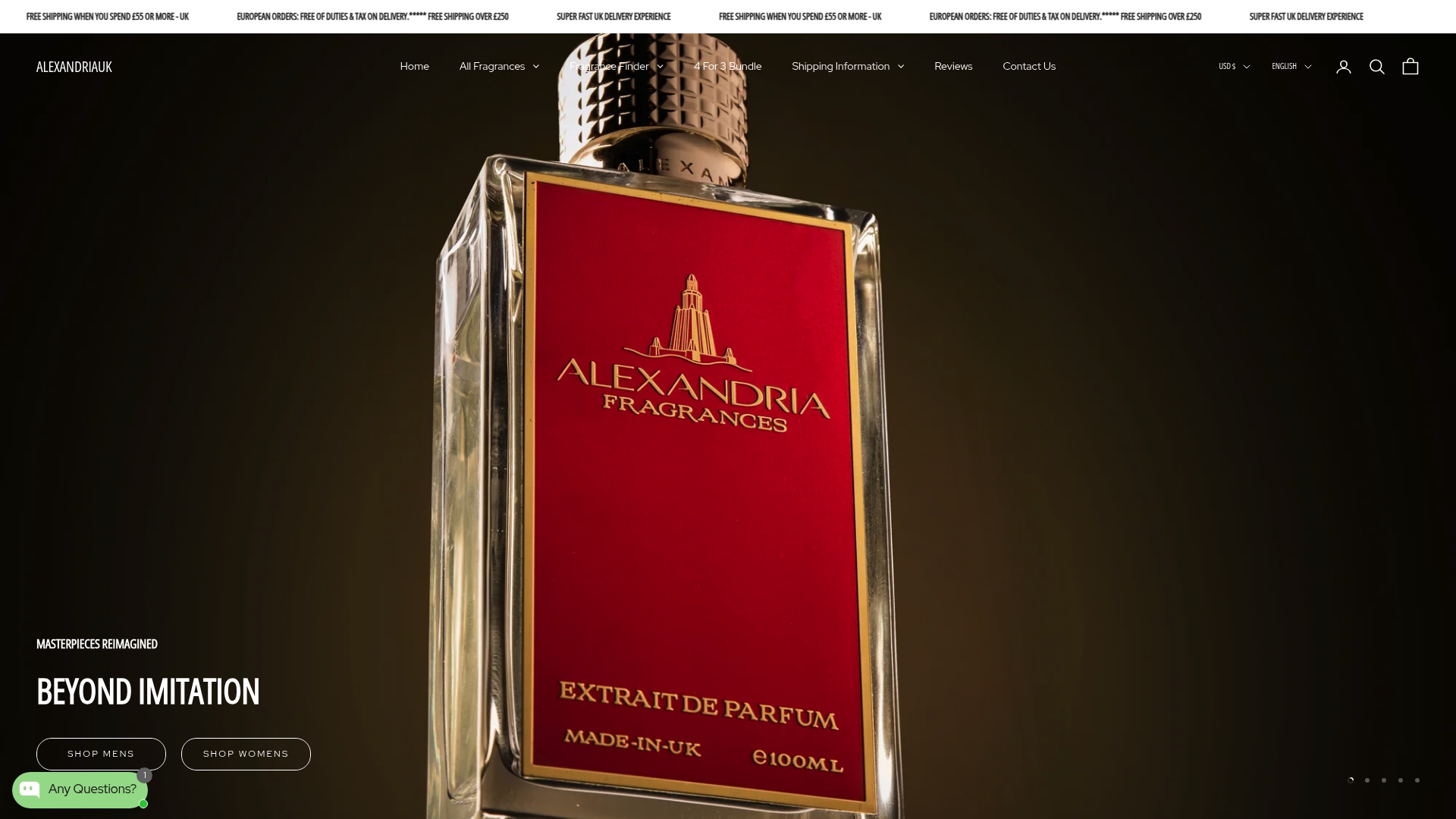
Embrace the art of fragrance with confidence and style. Shop premium dupes at Alexandria UK today to enjoy unparalleled quality and irresistible prices. Your perfect scent awaits.
Frequently Asked Questions
What are the different types of perfume concentrations?
Perfumes are categorised into several concentrations: Parfum/Extrait (20-30%), Eau de Parfum (15-20%), Eau de Toilette (5-15%), Eau de Cologne (2-4%), and Eau Fraiche (1-3%). Each type offers unique characteristics regarding longevity and scent strength.
How do perfume dupes replicate designer scents?
Perfume dupes utilise sophisticated fragrance engineering that involves scent profiling, note reconstruction, ingredient selection, blending techniques, and performance optimisation to mimic the essence of designer fragrances while maintaining affordability.
What factors determine the quality and longevity of perfume dupes?
The quality and longevity of dupe fragrances depend on several factors, including fragrance oil concentration, ingredient quality, fixative balance, molecular complexity, and performance consistency across different conditions.
Why are synthetic ingredients used in modern perfumes?
Synthetic ingredients are used in modern perfumery because they can provide sophisticated and nuanced scent profiles that rival natural extracts. Advanced chemical engineering allows for the creation of complex, multi-layered fragrances that are often more affordable than their natural counterparts.