

Kinds of Fragrance – Enhancing Luxury for Less
For many British fragrance lovers, growing a scent wardrobe can feel like a costly pursuit, especially with designer perfumes. The world of perfumery is more intricate than many realise, with each scent offering a unique journey through carefully crafted categories and accents. Exploring the truth behind familiar fragrance families and the value of aromatic compositions will help you make smart choices and discover quality dupes that rival high-end originals.
Table of Contents
- Defining Fragrance: Categories And Misconceptions
- Fragrance Families And Olfactory Pyramid Explained
- Distinguishing Eau De Parfum, Toilette, And More
- The Science Behind Longevity And Sillage
- Why Quality Dupes Compete With Designer Perfumes
Key Takeaways
| Point | Details |
|---|---|
| Fragrance Families | Understanding the primary fragrance families enhances the ability to choose suitable scents based on personal preferences and occasions. |
| Olfactory Pyramid | Familiarising oneself with the olfactory pyramid allows for a better appreciation of how fragrances evolve over time, from initial application to final notes. |
| Concentration Levels | Knowing the differences between fragrance concentrations aids in selecting perfumes that align with lifestyle needs and desired intensity. |
| Quality Dupes | Quality dupes offer accessible alternatives to luxury perfumes, combining sophistication with affordability for broader consumer appeal. |
Defining Fragrance: Categories And Misconceptions
Fragrances represent complex sensory experiences that extend far beyond simple scent classification. The world of perfumery involves nuanced understanding of aromatic compositions and sensory perception, challenging many common misconceptions about how we experience and categorise scents.
Traditionally, fragrances have been divided into distinct families, but modern research reveals a much more sophisticated landscape. Individual differences in scent perception demonstrate that fragrance experiences are highly personalised and subjective. Experts now recognise that categorisation is more fluid and complex than previously understood.
The primary fragrance families typically include:
- Citrus: Light, fresh scents with zesty notes
- Floral: Soft, romantic aromas derived from flower essences
- Oriental: Rich, warm fragrances with spicy undertones
- Woody: Earthy scents featuring cedar, sandalwood, and pine notes
- Fougère: Herbaceous blends often used in masculine fragrances
Understanding these categories helps consumers navigate the intricate world of perfumery more effectively. Fragrance classification systems offer guidelines, but individual perception remains paramount in selecting the perfect scent.
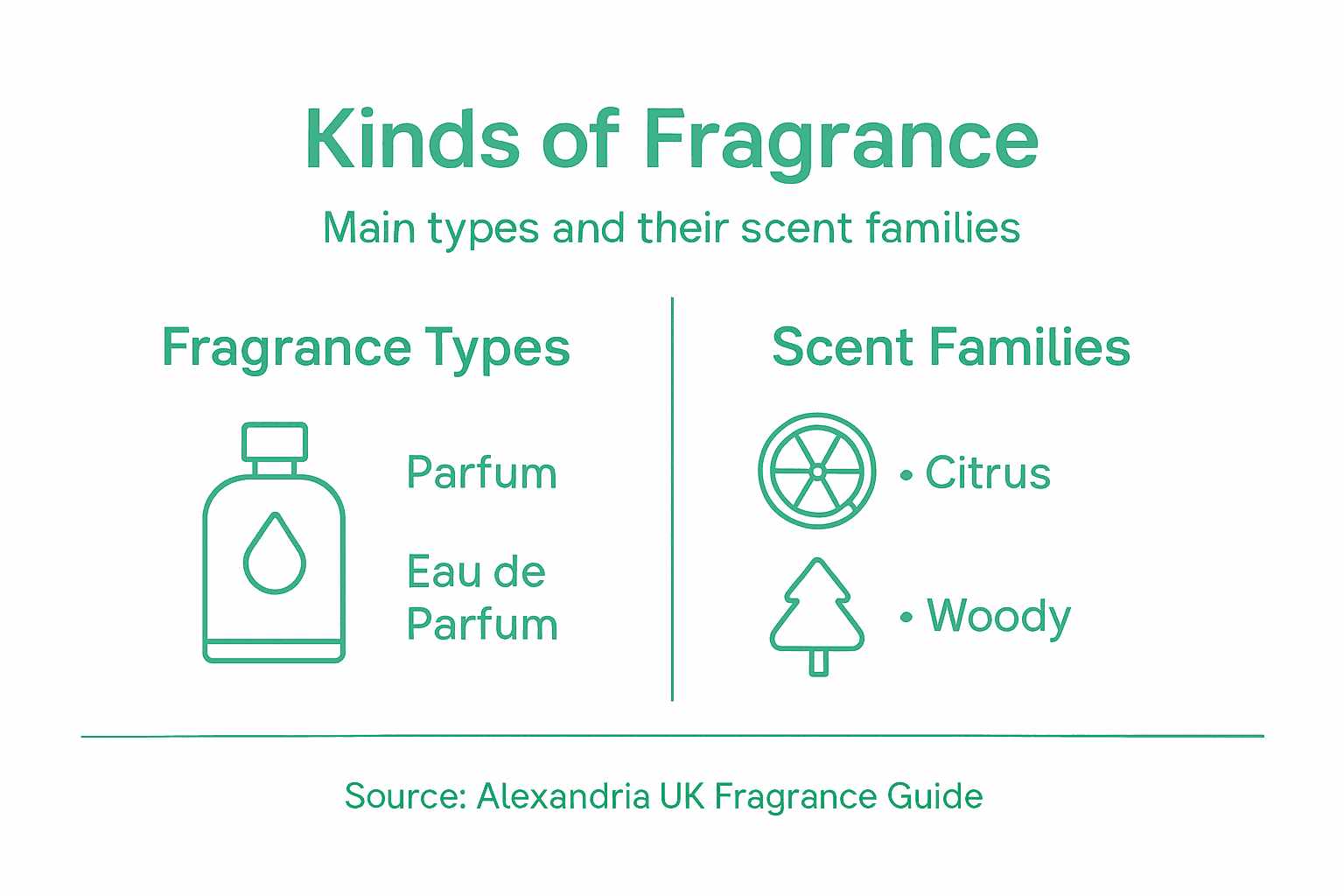
Here is a summary of traditional fragrance families alongside their main characteristics:
| Fragrance Family | Key Notes | Common Associations |
|---|---|---|
| Citrus | Lemon, bergamot, orange | Freshness, energy |
| Floral | Rose, jasmine, lily | Romance, elegance |
| Oriental | Vanilla, spices, resins | Warmth, sensuality |
| Woody | Sandalwood, cedar, pine | Depth, earthiness |
| Fougère | Lavender, oakmoss, herbs | Aromatic, classic masculinity |
Pro tip: When exploring fragrances, always sample on your skin and allow several hours for the scent to develop, as individual body chemistry dramatically influences final olfactory experience.
Fragrance Families And Olfactory Pyramid Explained
Understanding fragrance composition requires delving into the intricate olfactory pyramid, a sophisticated framework that explains how scents evolve and interact. This conceptual model reveals the complex journey of a fragrance from initial application to its final lingering notes.
Traditionally, fragrance families represent core aromatic structures that help consumers navigate the sensory landscape of perfumery. These families include:
- Fresh: Crisp, clean scents featuring citrus and aquatic notes
- Floral: Soft, romantic aromas derived from flower essences
- Woody: Earthy scents with cedar, sandalwood, and pine undertones
- Amber: Rich, warm fragrances with deep, sensual characteristics
The olfactory pyramid itself consists of three distinct layers that describe how a fragrance unfolds:
- Top Notes: Initial, volatile scents that evaporate quickly
- Heart Notes: The core fragrance that emerges after 10-15 minutes
- Base Notes: Deep, long-lasting scents that provide depth and permanence
Each layer contributes uniquely to the overall olfactory experience, creating a dynamic sensory journey that transforms over time. Understanding this progression helps fragrance enthusiasts appreciate the nuanced artistry behind perfume creation.
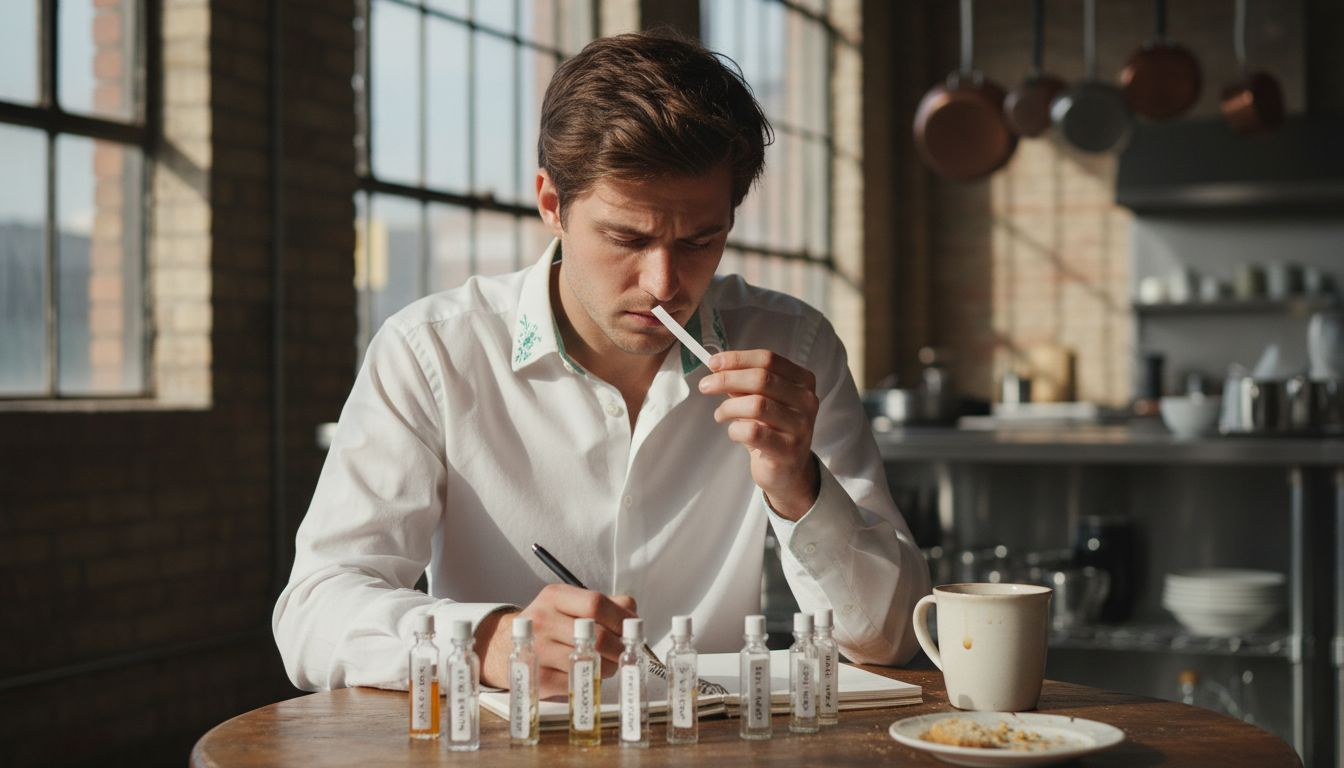
Pro tip: When testing a new fragrance, wait at least 30 minutes after application to fully experience its complex olfactory transformation and true character.
Distinguishing Eau De Parfum, Toilette, And More
The world of fragrances encompasses multiple concentration levels, each offering unique characteristics and experiences. Eau de Parfum represents a sophisticated fragrance concentration that balances intensity, longevity, and subtlety for discerning perfume enthusiasts.
Understanding the different fragrance concentrations helps consumers make informed purchasing decisions. The primary fragrance types include:
- Eau de Cologne: Lightest concentration (2-4% fragrance oils)
- Eau de Toilette: Light to moderate concentration (5-15% fragrance oils)
- Eau de Parfum: Stronger concentration (15-20% fragrance oils)
- Extrait de Parfum: Highest concentration (20-40% fragrance oils)
Each concentration offers distinct characteristics that impact wearing experience:
Compare the main fragrance concentrations according to longevity, projection, and typical usage:
| Concentration | Longevity | Suitable For |
|---|---|---|
| Eau de Cologne | 1–2 hours | Everyday, refreshing use |
| Eau de Toilette | 2–4 hours | Daytime, office friendly |
| Eau de Parfum | 4–8 hours | Special occasions, evenings |
| Extrait de Parfum | 8+ hours | Formal events, long wear |
- Longevity: Higher concentration means longer-lasting scent
- Intensity: More concentrated fragrances provide deeper, more complex aromas
- Price Point: Increased concentration typically correlates with higher pricing
- Application: Different concentrations suit various occasions and personal preferences
Fragrance concentration is not just about strength, but about creating a personalised sensory experience that reflects individual style and mood.
Pro tip: When selecting a fragrance, consider your daily routine and desired scent projection - lighter concentrations work well for office settings, while more intense versions suit evening events.
The Science Behind Longevity And Sillage
Fragrance performance involves two critical scientific concepts: longevity and sillage, which represent the complex interaction between chemical compounds and environmental factors. Chemical compound concentrations impact fragrance performance in remarkable ways that extend beyond simple sensory experience.
Understanding the scientific mechanisms behind fragrance projection requires exploring multiple interconnected elements:
- Molecular Weight: Lighter molecules evaporate faster
- Volatility: Determines how quickly scent molecules disperse
- Base Composition: Impacts overall fragrance stability
- Temperature Sensitivity: Influences scent projection and duration
Sillage, often described as a fragrance’s “trail” or projection, depends on several scientific principles:
- Molecular Diffusion: How scent molecules spread through air
- Skin Chemistry: Individual biochemical interactions
- Environmental Conditions: Humidity and temperature
- Concentration Levels: Higher oil percentages increase projection
Perfume is fundamentally a complex chemical interaction, where microscopic molecules dance between personal chemistry and environmental dynamics.
Pro tip: Apply fragrance to pulse points where body heat naturally amplifies molecular diffusion, creating a more consistent and long-lasting scent experience.
Why Quality Dupes Compete With Designer Perfumes
The fragrance market has undergone a transformative shift, with quality dupe perfumes challenging traditional luxury brands by offering sophisticated alternatives at accessible price points. These intelligent reproductions leverage advanced chemical formulation techniques to capture the essence of high-end fragrances.
Quality dupes compete through several strategic advantages:
- Ingredient Sophistication: Precise molecular replication of scent profiles
- Cost Efficiency: Significantly lower pricing without compromising quality
- Accessibility: Broader consumer market reach
- Innovation: Continuous improvement of fragrance compositions
The competitive landscape of perfume dupes involves multiple critical factors:
- Chemical Composition: Matching complex aromatic structures
- Performance Metrics: Comparable longevity and sillage
- Consumer Perception: Shifting attitudes towards luxury alternatives
- Manufacturing Precision: Advanced extraction and blending techniques
Dupe fragrances represent more than budget alternatives; they embody a democratisation of olfactory luxury, making sophisticated scents accessible to a wider audience.
Pro tip: When exploring dupe fragrances, always sample multiple options and compare their performance against original designer scents to find your perfect match.
Discover Luxury Fragrances Without the Luxury Price
Choosing the perfect scent can feel overwhelming with so many fragrance families, concentrations, and sensory layers to consider. The article highlights common challenges like understanding fragrance categories, the olfactory pyramid, and navigating longevity and sillage while balancing cost and quality. Many seek to enjoy rich, sophisticated scents without compromising on quality or budget.
At Alexandria UK, we make that possible by offering expertly crafted perfume dupes that capture the essence of designer fragrances with remarkable precision. Our selections provide:
- Exceptional fragrance performance matching top-tier originals
- Carefully balanced concentrations for every occasion
- Affordable luxury that respects your personal style
Explore our range of quality perfumes designed to enhance your fragrance experience today.
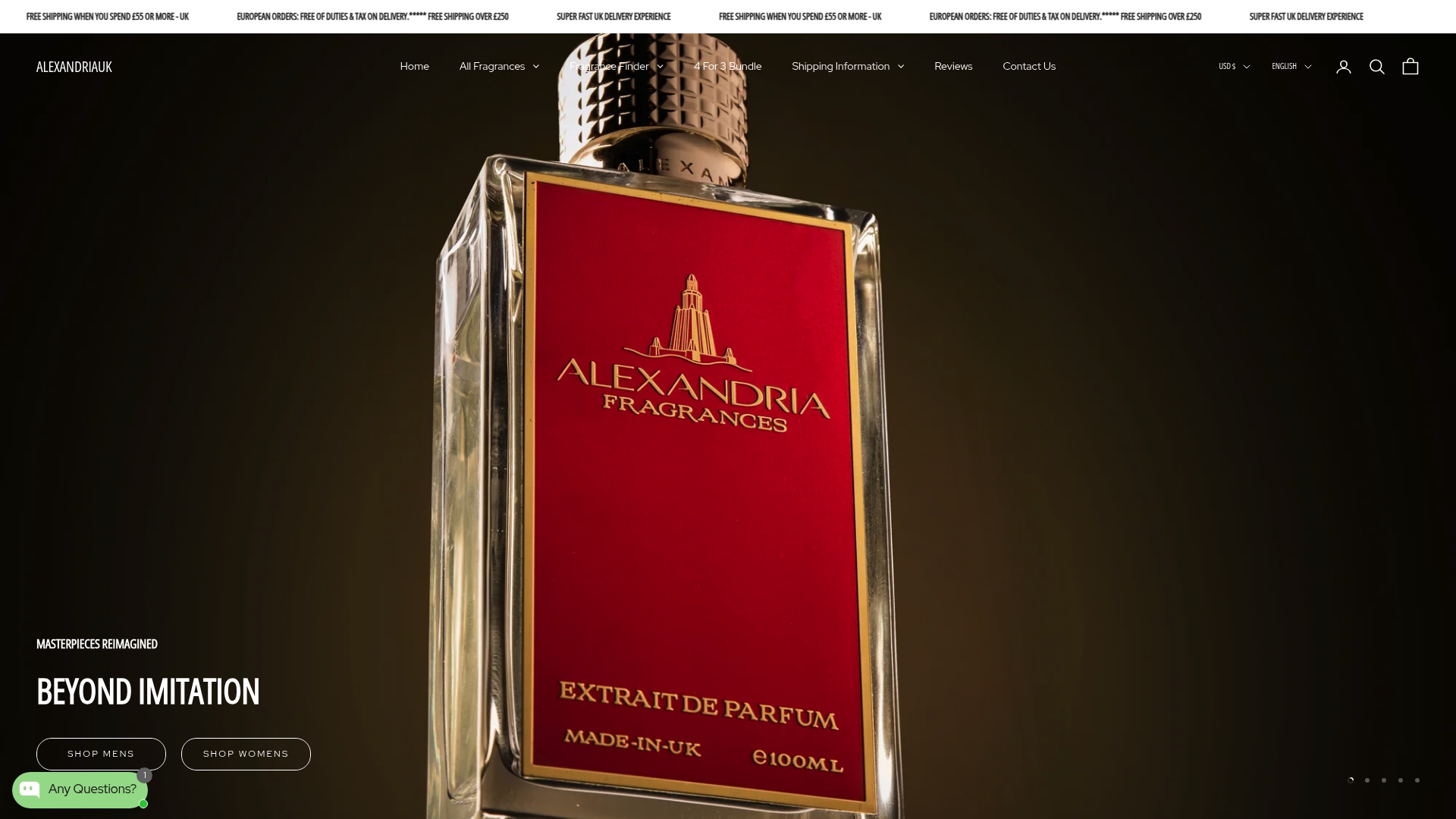
Step into a world where premium scents and value meet perfectly. Visit Alexandria UK now to find your ideal fragrance and embrace luxury for less.
Frequently Asked Questions
What are the main fragrance families?
Fragrance families typically include citrus, floral, oriental, woody, and fougère. Each family has distinct characteristics that help consumers navigate their scent preferences.
How do I understand the olfactory pyramid in fragrances?
The olfactory pyramid consists of three layers: top notes, which are the initial scents; heart notes, which emerge after 10-15 minutes; and base notes, which provide depth and longevity. Understanding this structure helps appreciate how a fragrance evolves over time.
What is the difference between Eau de Parfum and Eau de Toilette?
Eau de Parfum has a higher concentration of fragrance oils (15-20%) and offers longer longevity (4-8 hours) compared to Eau de Toilette, which has a concentration of 5-15% and typically lasts 2-4 hours. Choose based on the occasion and desired scent intensity.
How do factors like skin chemistry affect fragrance performance?
Skin chemistry, including individual body temperature and pH, can influence how a fragrance develops and lasts on the skin. Testing fragrances on your skin is essential for understanding how they will perform uniquely for you.
Recommended
- Luxusduft günstiger finden: Schritt-für-Schritt zum Duft-Schnäppchen
- Affordability in Fragrance: Quality on a Budget
- 7 Best Affordable Niche Fragrances for UK Enthusiasts
- Most Fragrant Perfume: Choosing Quality & Lasting Scent
- Be Frsh - Scent samples
- Defining Coffee Aroma: Elevating Your Brewing Experience – House Coffee


