

Cost vs Quality Perfume: Smart Choices for Fragrance Lovers
Most people are surprised to learn that the average British shopper spends over £100 a year on fragrance, yet rarely understands what really shapes price and quality. Choosing a perfume can be confusing with so many myths about cost and value. This guide breaks down the surprising factors that set apart designer, niche, and dupe fragrances, helping you recognize true quality regardless of the brand name on the bottle.
Table of Contents
- Defining Cost Vs Quality In Perfume
- Types Of Perfume: Designer, Niche, And Dupes
- How Ingredients And Formulation Affect Scent
- Price Versus Performance: Value For Money
- Spotting Quality In Affordable Fragrances
Key Takeaways
| Point | Details |
|---|---|
| Cost vs Quality Insight | Higher price does not always indicate superior quality in perfumes; a deeper understanding of ingredients and formulation is essential. |
| Types of Perfumes | Designer, niche, and dupe fragrances offer varied options catering to different budgets and preferences, influencing the overall scent experience. |
| Ingredient Importance | Natural ingredients contribute unique complexities, while synthetics can enhance longevity and stability in perfumes. |
| Value Assessment | Evaluating fragrance performance should include longevity and projection rather than relying solely on price or brand prestige. |
Defining Cost vs Quality in Perfume
Understanding the intricate relationship between cost and quality in perfumery requires a nuanced exploration of the factors that transform fragrant ingredients into luxurious olfactory experiences. While many consumers mistakenly assume that higher price automatically equates to superior quality, the reality is far more complex. Perfume pricing involves multiple sophisticated variables that determine a fragrance’s true value.
At its core, perfume quality encompasses several critical dimensions: ingredient provenance, concentration, complexity of composition, and craftsmanship. Premium fragrances often feature rare botanical extracts, meticulously sourced from specific global regions, which significantly elevate production expenses. Natural ingredients like Moroccan jasmine, Grasse rose, or Haitian vetiver can cost thousands of pounds per kilogramme, directly impacting the final product’s price point. Synthetic molecules, while more affordable, require extensive research and development, representing another substantial investment in fragrance creation.
The distinction between cost and quality is not merely about price, but about the sophisticated interplay of artistry, chemistry, and sensory innovation. High-end perfumes frequently demonstrate superior complexity through intricate molecular structures, carefully balanced accords, and longer-lasting performance. Cheaper fragrances might replicate surface-level scent profiles but lack the nuanced depth, longevity, and refined character of their premium counterparts. Discerning fragrance enthusiasts understand that true quality transcends mere monetary value.
Pro Tip: Research Fragrance Composition: Before purchasing, learn to read ingredient lists and understand the concentration percentages (eau de parfum versus eau de toilette) to make informed fragrance decisions that align with your quality expectations and budget.
Types of Perfume: Designer, Niche, and Dupes
The fragrance world comprises three distinctive categories that cater to different consumer preferences and budgetary considerations: designer perfumes, niche fragrances, and dupe alternatives. Each segment represents a unique approach to olfactory expression, offering consumers a spectrum of options that range from luxury prestige to accessible affordability. Emerging market trends reveal a fascinating landscape of fragrance alternatives that challenge traditional perfume consumption models.
Designer Perfumes epitomise high-end luxury, representing prestigious brands like Chanel, Dior, and Guerlain. These fragrances are typically created by master perfumers, feature complex compositions, and utilise premium ingredients sourced globally. Their pricing reflects not just the scent, but the brand’s heritage, marketing investment, and artistic craftsmanship. Consumers purchasing designer fragrances often seek status, recognised brand narratives, and meticulously engineered olfactory experiences that promise exclusivity.
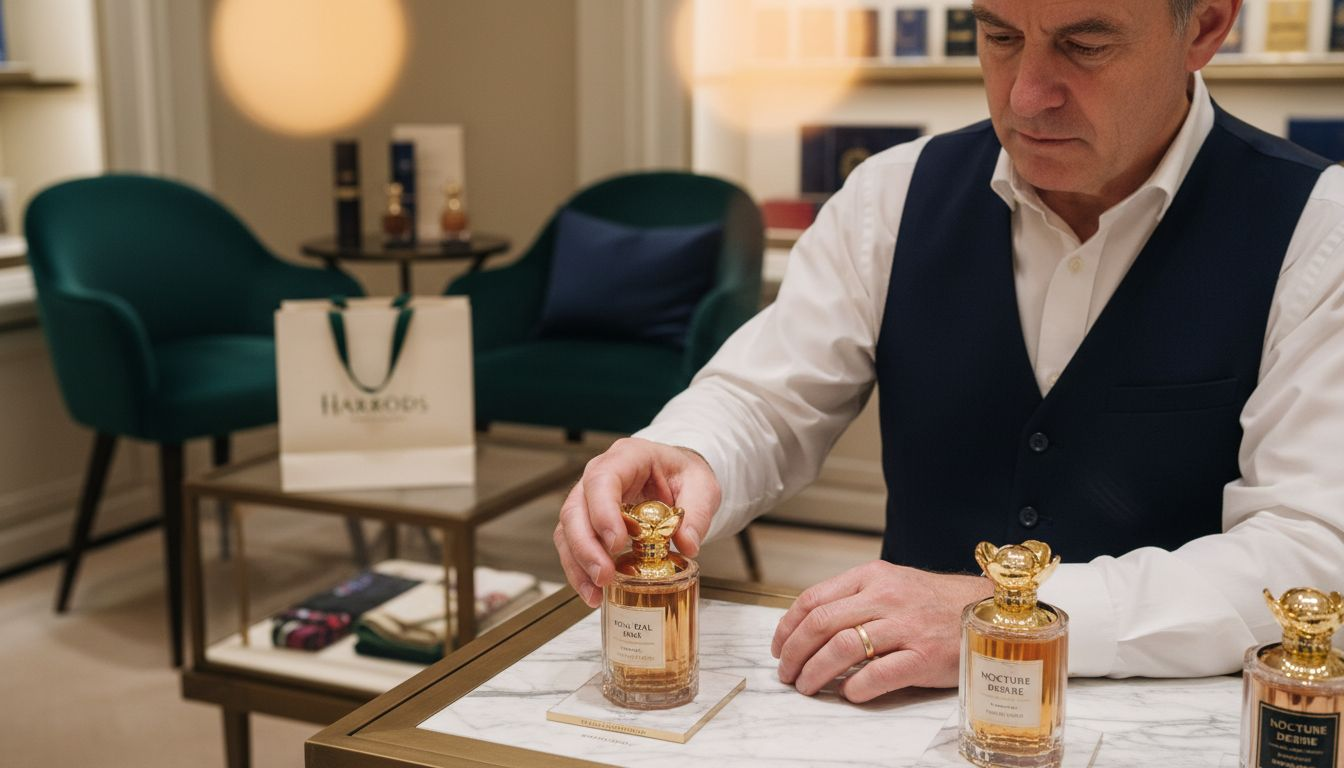
Niche Perfumes occupy a sophisticated middle ground, representing artisanal and independent fragrance houses that prioritise creative expression over mass-market appeal. Unlike designer brands, niche perfumers often experiment with unconventional scent profiles, rare ingredients, and limited production runs. These fragrances attract collectors and enthusiasts who value originality, craftsmanship, and olfactory storytelling over widespread recognition. Dupe Fragrances, by contrast, provide budget-conscious consumers with legally crafted alternatives that closely mimic the scent profiles of expensive designer and niche perfumes. These affordable options democratise fragrance experiences, allowing individuals to enjoy sophisticated scent compositions without substantial financial investment.
Pro Tip: Fragrance Exploration Strategy: Always sample perfumes on your skin and observe their development over several hours, as each fragrance interacts uniquely with individual body chemistry, revealing nuanced characteristics that cannot be detected from initial application.
Below is a comparison of designer, niche, and dupe perfumes to highlight their distinct features and appeal:
| Perfume Type | Typical Price Range | Distinguishing Feature | Primary Audience |
|---|---|---|---|
| Designer | High (£80-£250) | Brand prestige and recognisable DNA | Status seekers, gift buyers |
| Niche | Medium–Very High (£100-£500+) | Artistic originality, rare ingredients | Collectors, fragrance enthusiasts |
| Dupe | Low (£10-£40) | Affordable alternatives to luxury scents | Budget-conscious consumers |
How Ingredients and Formulation Affect Scent
The magical alchemy of perfume creation hinges entirely on the intricate interplay between ingredients and formulation techniques, transforming simple aromatic compounds into complex sensory experiences. Ingredient selection profoundly influences a fragrance’s character and depth, determining whether a perfume will be a fleeting whisper or a powerful olfactory statement.
Natural Ingredients represent the pinnacle of fragrance complexity, offering nuanced molecular structures that synthetic alternatives struggle to replicate. Essential oils extracted from rare botanicals like Damask rose, Haitian vetiver, and Florentine iris possess extraordinary depth, revealing intricate layers of scent that evolve dramatically across different wearing stages. These precious natural extracts contribute significantly to a perfume’s sophistication, with some rare ingredients costing thousands of pounds per kilogramme, explaining the substantial price variations between mass-market and artisanal fragrances.
The formulation process itself is an art form that determines how ingredients interact and unfold on human skin. Master perfumers meticulously balance top, heart, and base notes, creating harmonious compositions that tell olfactory stories. Synthetic molecules enable perfumers to achieve consistency and recreate challenging natural scents, while also providing opportunities for innovative fragrance designs that transcend traditional botanical limitations. Some synthetic ingredients can actually enhance longevity and projection, offering performance characteristics impossible with pure natural extracts.
Pro Tip: Skin Chemistry Exploration: Always test fragrances directly on your skin and allow at least 30 minutes of wear time, as individual body chemistry dramatically alters how different ingredients interact and develop, revealing the true character of a perfume.
This summary clarifies how core ingredients impact both scent character and cost in perfumes:
| Ingredient Source | Scent Complexity | Cost Contribution |
|---|---|---|
| Natural Botanicals | Unique multi-layered fragrance | Very high (can be over £3000/kg) |
| Synthetics | Reproducible, stable notes | Moderate (R&D intensive) |
Price Versus Performance: Value for Money
Navigating the complex landscape of fragrance purchasing requires a nuanced understanding of how price correlates with actual performance and sensory experience. Comparative analyses between luxury perfumes and their more affordable alternatives reveal surprising insights into the intricate relationship between cost and olfactory satisfaction.
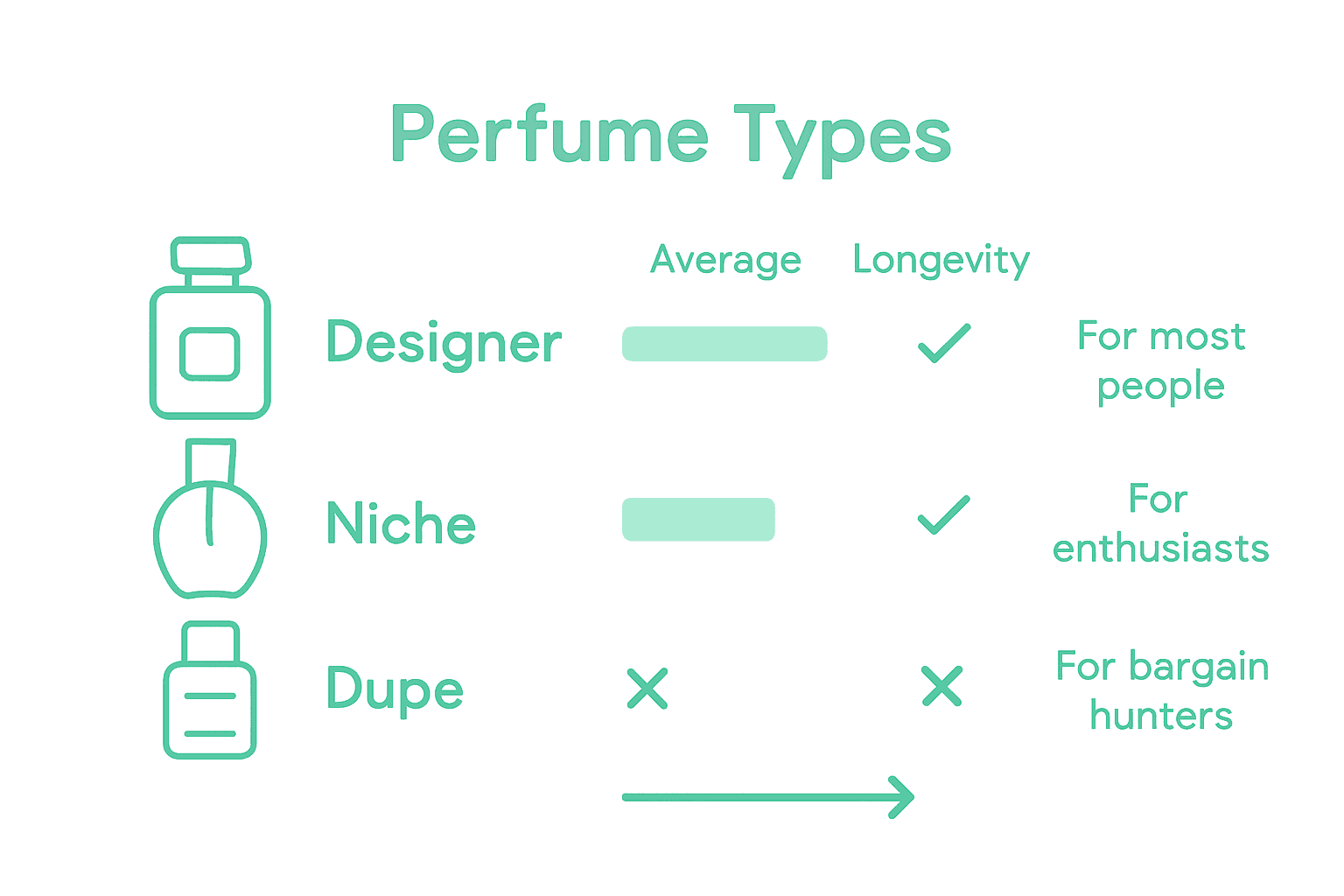
Fragrance Performance encompasses multiple dimensions beyond mere price point, including longevity, sillage (projection), complexity of scent profile, and individual skin chemistry interaction. Premium fragrances often justify higher prices through sophisticated ingredient sourcing, intricate molecular compositions, and meticulous craftsmanship. However, this does not automatically guarantee superior performance for every individual. Some mid-range and budget-friendly fragrances demonstrate remarkable staying power and depth, challenging the assumption that expensive always equates to better.
The economics of perfumery reveal fascinating nuances in value perception. Luxury brands invest substantially in packaging, marketing, and brand storytelling, which significantly contributes to their pricing structure. These additional costs often represent a smaller percentage of actual fragrance quality compared to the core ingredients and formulation techniques. Savvy fragrance enthusiasts understand that exceptional scent experiences can be discovered across various price ranges by focusing on fundamental qualities like ingredient balance, molecular complexity, and personal resonance rather than solely relying on brand prestige or price tags.
Pro Tip: Performance Comparison Strategy: Purchase small decants or samples of fragrances across different price points, testing them systematically to evaluate longevity, projection, and personal compatibility before committing to a full-sized bottle.
Spotting Quality in Affordable Fragrances
Understanding the intricate dynamics of affordable fragrance quality requires a sophisticated approach that goes beyond simple price comparisons. The contemporary fragrance market offers remarkable opportunities for discerning consumers to discover exceptional scents without astronomical investments, provided they employ strategic evaluation techniques.
Ingredient Analysis represents the most critical factor in determining an affordable fragrance’s true quality. Expert perfume enthusiasts understand that exceptional fragrances are not exclusively defined by price, but by the molecular sophistication of their compositions. Budget-friendly alternatives can demonstrate remarkable complexity through intelligent ingredient selection, carefully balanced synthetic molecules, and strategic formulation techniques. Some affordable fragrances actually utilise high-quality synthetic compounds that provide consistent performance, longer longevity, and intriguing olfactory profiles that rival their more expensive counterparts.
Technical evaluation involves examining several key performance indicators beyond initial impression. Fragrance enthusiasts should assess longevity (how long the scent remains detectable), projection (how far the fragrance radiates from the skin), and complexity of scent development. A high-quality affordable fragrance will maintain its character throughout different wearing stages, revealing nuanced layers that transform subtly over hours. This requires understanding base notes, heart notes, and top notes, and how they interact with individual body chemistry. Sophisticated consumers recognise that true value emerges from a fragrance’s ability to tell an olfactory story, regardless of its price point.
Pro Tip: Sampling Strategy: Always test fragrances on your skin for minimum 4-6 hours, observing how the scent evolves and interacts with your unique body chemistry before making a purchasing decision.
Discover Smart Perfume Choices That Balance Cost and Quality
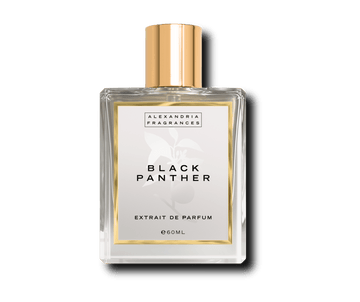
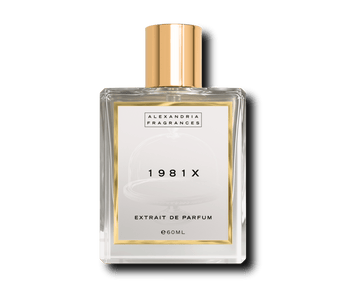
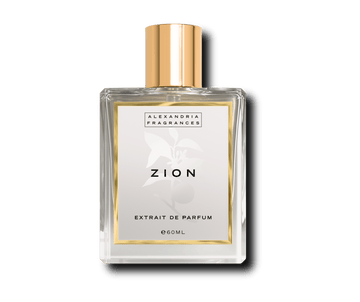
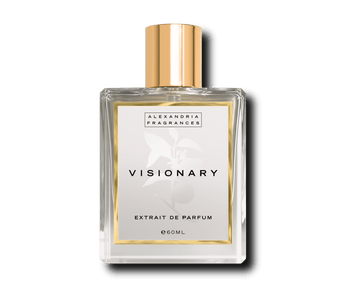
Navigating the delicate balance between fragrance cost and true quality can feel overwhelming. Whether you are searching for a scent with lasting performance, complex composition, or affordable elegance, understanding ingredient sourcing and formulation is essential. At Alexandria UK, we share your passion for quality perfumes and offer a curated selection that honours both artistry and accessibility.
Experience the joy of choosing perfumes that deliver exceptional value without compromising on sophistication. Explore our range inspired by designer scents and thoughtfully crafted dupes designed to meet your expectations for longevity, projection, and olfactory richness. Don’t wait to elevate your fragrance collection with smart choices. Start your journey to discovering remarkable scents today at Alexandria UK and embrace quality without overspending.
Frequently Asked Questions
How can I tell if a perfume is of high quality?
Quality perfumes often feature premium ingredients, complex compositions, and skilled craftsmanship. Look for fragrances that use natural botanicals and have well-balanced scent profiles that evolve over time.
What is the difference between designer and niche perfumes?
Designer perfumes are typically associated with well-known brands and often come with a high price tag due to brand prestige and marketing. Niche perfumes, on the other hand, focus on unique scent compositions and often use rare ingredients but may appeal more to fragrance enthusiasts seeking originality.
Are cheaper dupes worth buying?
Affordable dupes can offer surprisingly good quality and complexity, often mimicking the scent profiles of more expensive fragrances. However, evaluating their longevity and overall scent evolution is essential to determine their value.
How do ingredients affect the performance of a fragrance?
The choice of ingredients plays a crucial role in how a fragrance performs. Natural ingredients can provide intricate layers of scent, while synthetic compounds may enhance longevity and projection, leading to a different overall experience.


