
What determines perfume value? The true cost of quality
TL;DR:
- Perfume value depends on concentration, ingredients, craftsmanship, branding, and packaging, not price alone.
- Higher concentration (Parfum) offers longer wear and richer scent but often costs more.
- Smart shopping involves testing on skin, assessing scent layers, and understanding product versus marketing costs.
Reach for a £300 bottle and assume you are holding the finest thing in the room. It is a natural impulse, and the fragrance industry has spent decades cultivating exactly that association. Yet price and quality in perfume are far less intertwined than most shoppers believe. Several distinct forces shape what you pay, from the concentration of aromatic compounds to the weight of the bottle in your hand, and understanding these forces transforms the way you shop. This guide breaks down every major driver of perfume value, so you can make choices grounded in knowledge rather than marketing.
Table of Contents
- The key factors influencing perfume value
- Understanding concentration: Parfum, EDP, EDT, and their impact
- Craftsmanship, rarity, and the cost behind the scent
- Packaging, branding, and the psychology of price
- How to judge perfume value when shopping
- A fresh perspective on perfume value: What most reviews miss
- Discover, test, and enjoy better-value fragrances
- Frequently asked questions
Key Takeaways
| Point | Details |
|---|---|
| Multiple value factors | Perfume value comes from concentration, craftsmanship, ingredients, and branding—not price alone. |
| Concentration impacts cost | Higher concentrations like parfum last longer and cost more, while EDTs are more affordable. |
| Packaging and marketing costs | A large part of luxury perfume price comes from packaging and marketing, not always scent quality. |
| Personal testing matters | Testing on your own skin and trusting your preferences are vital for finding real value. |
The key factors influencing perfume value
Perfume value is built on layers, and no single element tells the full story. When experts assess a fragrance’s worth, they consider a combination of technical, creative, and commercial factors that work together to produce both the price tag and the sensory experience.
The most fundamental driver is concentration, which determines the ratio of aromatic compounds to alcohol and water. A higher concentration means more of the precious raw materials, which elevates both the cost to produce and the longevity on your skin. As a baseline, fragrance concentration levels directly shape value and retail price: Parfum sits at 20–40% and typically retails between £150 and £1,000+, Eau de Parfum (EDP) at 15–20% falls in the £80–£300 range, and Eau de Toilette (EDT) at 5–15% starts from around £30–£120.
Beyond concentration, the following factors each contribute meaningfully to what a fragrance is worth:
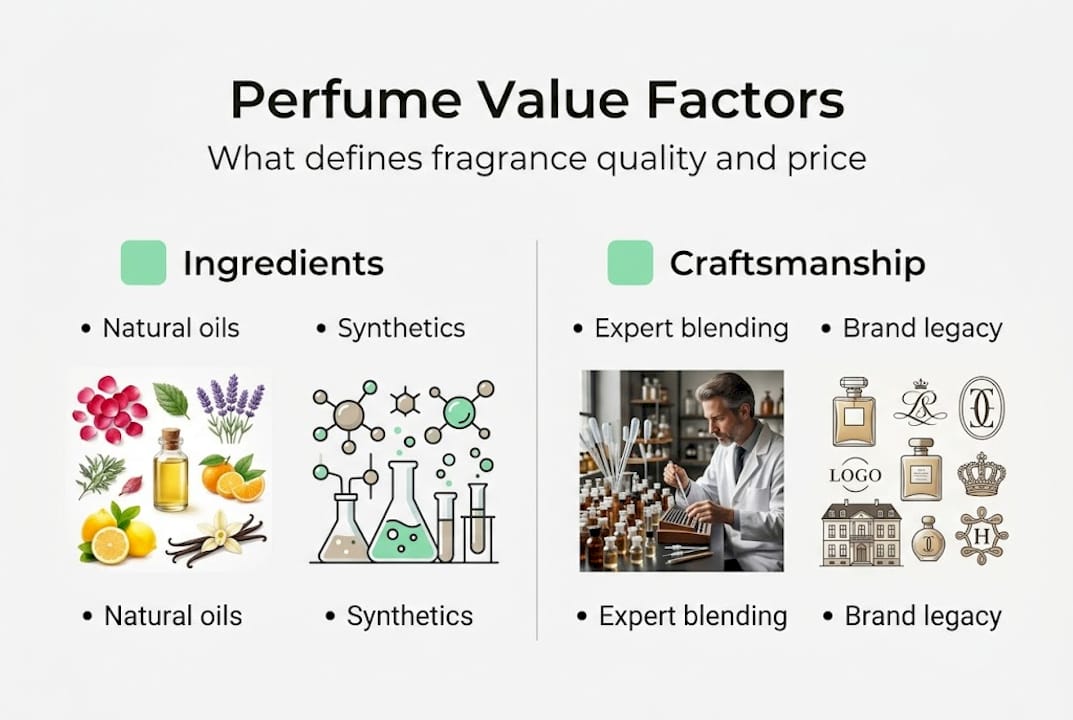
- Raw ingredients: Natural raw materials such as oud, ambergris, and Bulgarian rose are costly to source and process, and their presence is a genuine marker of quality.
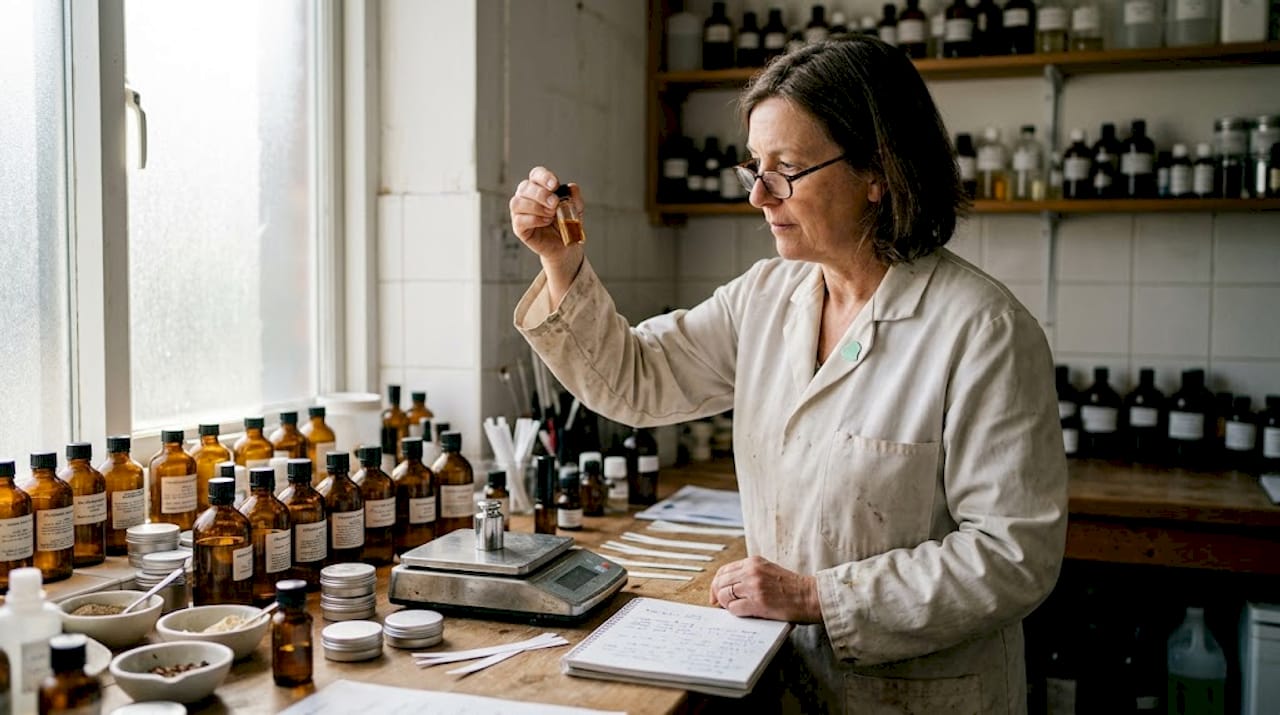
- Perfumer expertise: A master perfumer’s training spans years, and their creative vision and iterative skill add artistic value that cannot be replicated by automation.
- Craftsmanship and R&D: Developing a single accord can require hundreds of trial iterations, representing significant research investment.
- Branding and heritage: A storied house name carries weight in both perceived value and actual pricing.
- Packaging and presentation: The bottle, cap, and outer box are all engineered to convey luxury, and that engineering carries a cost.
- Market positioning and rarity: Limited editions, exclusive distribution, and intentionally small production runs create scarcity that drives prices higher.
Understanding identifying quality perfume means looking past the label and weighing all of these elements together.
Understanding concentration: Parfum, EDP, EDT, and their impact
Concentration is arguably the most measurable indicator of a fragrance’s potential performance. It dictates how intensely a scent projects, how long it lingers, and, quite directly, how much you pay.
| Concentration type | Aromatic compound % | Typical longevity | Approximate retail price | Notes |
|---|---|---|---|---|
| Parfum (Extrait) | 20–40% | 8+ hours | £150–£1,000+ | Highest intensity, richest sillage |
| Eau de Parfum (EDP) | 15–20% | 6–8 hours | £80–£300 | 54% market share; most popular tier |
| Eau de Toilette (EDT) | 5–15% | 3–5 hours | £30–£120 | Lighter, ideal for daytime |
| Eau de Cologne (EDC) | 2–5% | 2–3 hours | £20–£80 | Refreshing, lower intensity |
Parfum, or Extrait de Parfum, represents the pinnacle of concentration. The aromatic compounds are present in such density that even a single application to pulse points can sustain a rich sillage well beyond eight hours. This richness comes at a price, both in formulation cost and retail value.
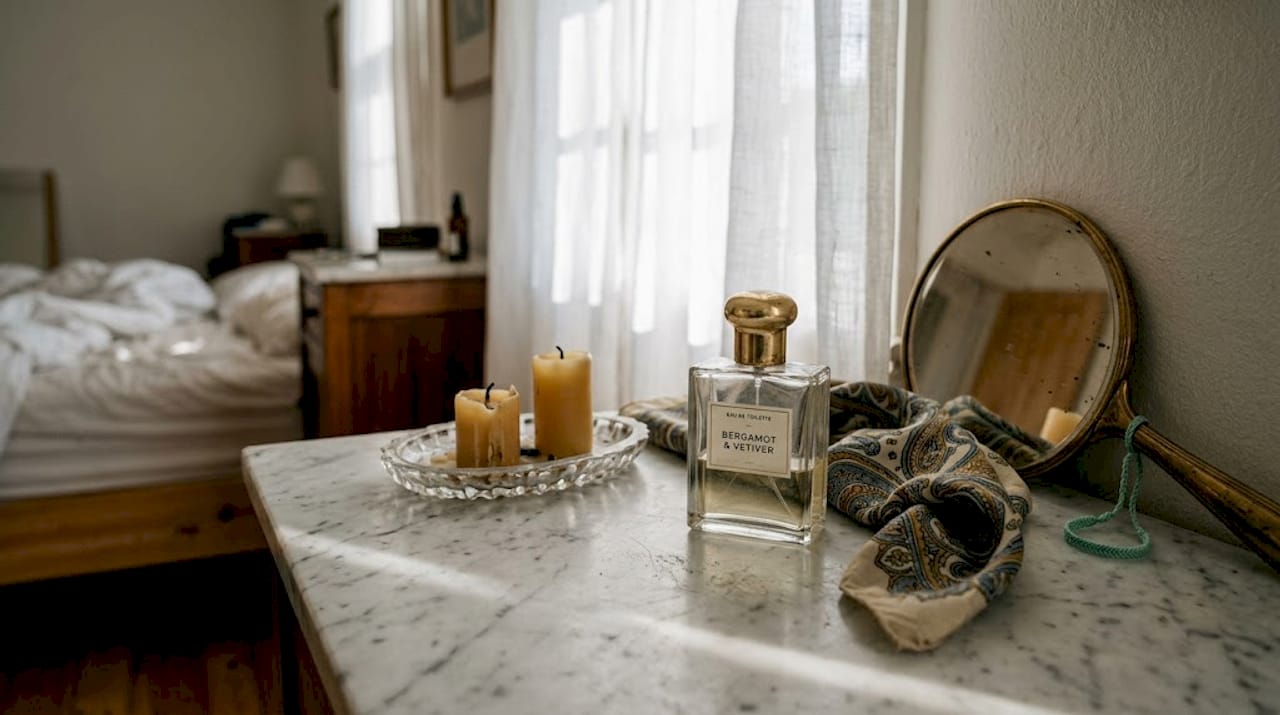
EDP is the workhorse of the modern fragrance market. Its 54% market share reflects the sweet spot it occupies between performance and affordability. The vast majority of beloved designer and niche releases launch in this format precisely because it suits most wearers across most occasions.
EDT remains a firm favourite for lighter, fresher compositions. Citrus accords, green florals, and aquatics often express themselves more freely at lower concentrations, where the volatility of top notes can breathe without being suppressed by heavier base materials.
What concentration cannot account for is skin chemistry. Two people wearing the same EDP will experience notably different projections and evolution, based on skin pH, moisture levels, and warmth.
Pro Tip: Before committing to a full bottle, test any fragrance on bare skin and revisit the scent at 30 minutes, two hours, and four hours. The dry-down often reveals the true character of the composition. Consult testing perfume performance for a structured approach.
Craftsmanship, rarity, and the cost behind the scent
Behind every luminous accord lies a supply chain and a creative process that few shoppers pause to consider. These are the elements that distinguish a truly valuable fragrance from one that merely commands a high price.
Master perfumer expertise and R&D add substantial value: training spans years of intensive study, and a single finished formula may pass through hundreds of iterations before it is approved. For a niche 50ml bottle, production costs typically fall between £18 and £45, yet the same bottle retails at five to eight times that figure.
| Factor | Niche fragrance | Mass-market fragrance |
|---|---|---|
| Ingredient quality | High, often natural | Variable, often synthetic |
| Perfumer involvement | Named, specialist | Anonymous team |
| Production batch size | Small | Very large |
| Production cost (50ml) | £18–£45 | £5–£15 |
| Retail markup | 5–8× | 10–20× |
“The greatest markups in fragrance are rarely found in the juice itself. The bottle, the campaign, and the name on the label consume the lion’s share of the retail price. True value lives inside the formula.”
Rare ingredients create extraordinary value spikes. Natural ambergris, prized for its warm, animalic depth, was historically sourced from sperm whales and commands extraordinary sums per gram. Oud, distilled from the resinous heartwood of Aquilaria trees, can cost more per kilogram than gold. Rare ingredients like oud drive extreme value, though climate and supply disruptions routinely increase ingredient prices by 15% or more.
High-quality synthetics, however, should not be dismissed. Molecules such as Iso E Super or Ambroxan deliver consistent, striking performances that natural alternatives cannot always match for stability. Many celebrated niche houses blend the two strategically, achieving genuine artistic and olfactory value at a more manageable cost. Understanding why perfume is expensive and how niche vs designer perfume sourcing differs helps enthusiasts read between the lines of any ingredient list.
Packaging, branding, and the psychology of price
The bottle sitting on your dressing table is not merely a vessel. It is a statement, a piece of theatre designed to communicate exclusivity before a single drop has been applied. And it costs considerably more than most shoppers realise.
Statistic callout: In mass-market luxury fragrance, marketing, packaging, and branding account for 80–90% of the retail price, with the actual juice representing as little as 3% of cost. In niche fragrances, ingredients account for 40–60% of production cost, and packaging contributes 10–30%.
This disparity is striking. A £150 designer fragrance may contain juice worth less than £5. The remainder funds the bottle mould, the lacquered cap, the celebrity endorsement, the magazine campaign, and the retail margin.
Several branding tactics consistently inflate price without improving scent quality:
- Celebrity and designer collaborations: A recognisable face on the advertising campaign adds millions to a launch budget, costs that are absorbed into the retail price.
- Heritage storytelling: Houses with decades of history charge a premium for that narrative, even when the formula has been reformulated to reduce costs.
- Elaborate bottle design: Sculptural, hand-blown, or numbered flacons are genuinely expensive to produce but contribute nothing to the fragrance within.
- Limited edition positioning: Artificial scarcity is a powerful psychological tool, pushing prices well beyond what the formula alone would justify.
- Prestige retail placement: Counter space in department stores and travel retail commands premium rents, which feed into the price you pay.
Learning to distinguish genuine cost vs quality perfume relationships helps you allocate your budget where it truly matters: the formula, the concentration, and the skill of the nose behind it.
How to judge perfume value when shopping
Armed with an understanding of what drives value, the next step is applying that knowledge in the real world. Whether you are browsing in a boutique or researching online, a structured approach ensures you evaluate a fragrance on merit rather than marketing.
Quality is assessed through balance, complexity, evolution, longevity, sillage, and skin chemistry interaction, not price alone. A well-blended, affordable fragrance can genuinely outperform an expensive counterpart.
Follow this checklist when evaluating any fragrance:
- Check the concentration. Identify whether you are testing a Parfum, EDP, or EDT, as this sets expectations for longevity and projection before you begin.
- Test on skin, not just a blotter. A blotter reveals the opening, but skin reveals the full arc of the composition as it warms and evolves.
- Note the top, heart, and base notes separately. A quality fragrance progresses with distinct phases, each adding depth without jarring transitions.
- Assess sillage. Lean in and step back. A well-projected fragrance should be detectable at arm’s length without overwhelming the room.
- Evaluate longevity realistically. Revisit the scent two hours after application. Significant fading at this point suggests a lower oil ratio or volatile-heavy formula.
- Consider the price per millilitre. Divide the total cost by the bottle size. A 50ml niche EDP at £80 often represents far better value than a 100ml designer EDT at £120 if the formula quality is higher.
Pro Tip: When comparing fragrances at different price points, wear one on each wrist simultaneously and photograph your impressions at 30-minute intervals. This removes memory bias and lets you judge longevity and evolution objectively. More strategies can be found in guides on buying affordable quality perfume and fragrance shopping tips.
A fresh perspective on perfume value: What most reviews miss
Most fragrance reviews, even the thoughtful ones, still anchor value to price. A £200 bottle is treated as inherently more worthy of serious analysis than a £30 alternative. This instinct is understandable but ultimately misleading.
What truly governs value in everyday use is the marriage between a formula and your individual chemistry. A masterfully crafted accessible fragrance that harmonises with your skin’s warmth and pH will consistently outperform an expensive, technically sophisticated composition that clashes with your biology. Occasion matters enormously too. A heavy, resinous parfum that reads as magnificent on a winter evening becomes oppressive in a summer office.
The illusion of luxury created by branding is remarkably durable. But once you understand that the bottle, the campaign, and the name account for the overwhelming majority of what you pay in mass luxury, the fog clears. Choosing quality fragrance becomes an act of genuine discernment rather than brand allegiance. The most satisfying choices tend to be the ones made on the basis of how a scent actually performs on your skin, not how its advertising made you feel.
Discover, test, and enjoy better-value fragrances
Understanding what truly drives perfume value changes everything about the way you shop. You now know how to read concentration, assess ingredients, decode branding, and test a fragrance rigorously before committing.
At Alexandria UK, the focus is on quality-led fragrances, including inspired alternatives and dupes that deliver genuine performance without the inflated price of mass-luxury branding. Whether you are searching for a long-wearing EDP or a nuanced niche-style accord, the curated catalogue offers something for every discerning nose. For a deeper approach to selection, explore the guide on testing multiple perfumes to refine your method and shop with real confidence.
Frequently asked questions
What makes an expensive perfume worth the extra cost?
Expensive perfumes often justify their price through high-quality ingredients, expert composition, and superior longevity, though marketing and packaging account for 80–90% of the retail price in mass-luxury releases, meaning true value lies in the formula and rare materials.
Can a cheap perfume be as good as an expensive one?
Absolutely. A well-blended fragrance at a lower price point can outperform costly alternatives, particularly when the formula suits your skin chemistry and includes quality, well-balanced ingredients.
How can I tell if a perfume offers good value?
Assess balance, complexity, and longevity on your skin, note how the scent evolves over several hours, and compare the price per millilitre against the concentration level; value is ultimately personal, not purely financial.
Does higher concentration always mean better perfume?
Higher concentration typically delivers greater longevity, but blending and personal taste are equally decisive factors. A Parfum with a poorly balanced formula will not satisfy in the way a thoughtfully composed EDP can.

%20offers%20longer%20wear%20and%20richer%20sce...)