

Types of perfume concentrations explained: 2026 guide
Choosing a fragrance can feel overwhelming when bottles labelled parfum, eau de parfum, and eau de toilette sit side by side, each promising a different experience. Many shoppers struggle to understand how these concentration types affect scent strength and how long a fragrance will last on their skin. Understanding perfume concentrations empowers you to select the best option for your needs, whether you want an all-day scent or a lighter daytime option. This guide will explain the main types, their characteristics, and practical advice to help you make informed fragrance choices that suit your lifestyle and occasions.
Table of Contents
- Key takeaways
- Understanding perfume concentrations: what they mean
- Comparing perfume concentration types and their characteristics
- How to choose and apply perfume based on concentration
- Common misconceptions about perfume concentrations
- Discover your perfect fragrance at Alexandria UK
- FAQ
Key Takeaways
| Point | Details |
|---|---|
| Parfum highest concentration | Parfum contains the highest proportion of fragrance oils, typically fifteen to forty percent, delivering the strongest scent and longest lasting power. |
| Longevity varies by skin type | Longevity varies with skin type, climate and application, so two people with the same concentration may experience different lasting power. |
| Concentration ranges explained | The main types are parfum up to forty percent, eau de parfum ten to twenty percent, eau de toilette five to fifteen percent, eau de cologne two to four percent, and splash one to three percent, and these levels influence scent strength and how long they last. |
| Choose by occasion | Choosing the right concentration depends on personal preference and occasions, such as evening wear or lighter daytime use. |
Understanding perfume concentrations: what they mean
Perfume concentration refers to the percentage of fragrance oils present in a blend compared to alcohol and water. This ratio determines how strong a scent smells and how long it lingers on your skin. Higher concentrations contain more fragrance oils, resulting in a richer, more intense aroma that typically lasts longer throughout the day.
The main different types of perfume fall into distinct categories based on their oil content:
- Parfum or extrait de parfum: 15-40% fragrance oils
- Eau de parfum: 10-20% fragrance oils
- Eau de toilette: 5-15% fragrance oils
- Eau de cologne: 2-4% fragrance oils
- Splash or aftershave: 1-3% fragrance oils
These percentages directly influence how a fragrance performs when you wear it. A parfum with 30% concentration will naturally project more strongly and persist longer than an eau de toilette with 8% concentration. However, actual performance varies by skin type, climate, application, and ingredient regulations, meaning two people wearing the same concentration may experience different results.
External factors play a significant role in fragrance performance. Your skin’s natural oils, pH balance, and moisture levels affect how fragrance molecules interact with your body chemistry. Warmer climates can intensify scent projection but may also cause faster evaporation. Additionally, the International Fragrance Association establishes regulations limiting certain ingredients, which can impact how perfumers formulate concentrations to achieve desired lasting power whilst complying with safety standards.
Pro Tip: Moisturise your skin with an unscented lotion before applying perfume to create a hydrated base that helps fragrance molecules bind better and last significantly longer.
Comparing perfume concentration types and their characteristics
Each concentration type offers distinct characteristics that make it suitable for different situations and preferences. Understanding these differences helps you choose fragrances that align with your lifestyle and budget.
| Concentration type | Oil percentage | Longevity | Intensity | Price level | Ideal use |
|---|---|---|---|---|---|
| Parfum | 15-40% | 6-8+ hours | Very strong | Highest | Evening events, special occasions |
| Eau de parfum | 10-20% | 4-6 hours | Strong | High | Daily wear, office, dinner |
| Eau de toilette | 5-15% | 2-4 hours | Moderate | Moderate | Daytime, casual settings |
| Eau de cologne | 2-4% | 1-2 hours | Light | Lower | Quick refresh, hot weather |

Parfum represents the most concentrated and luxurious option. With up to 40% fragrance oils, it delivers exceptional depth and complexity. You need only a small amount applied to pulse points for lasting impact. The higher price reflects both the concentration and the quality of ingredients used. Parfums work beautifully for evening wear or important occasions when you want a memorable, long-lasting impression.
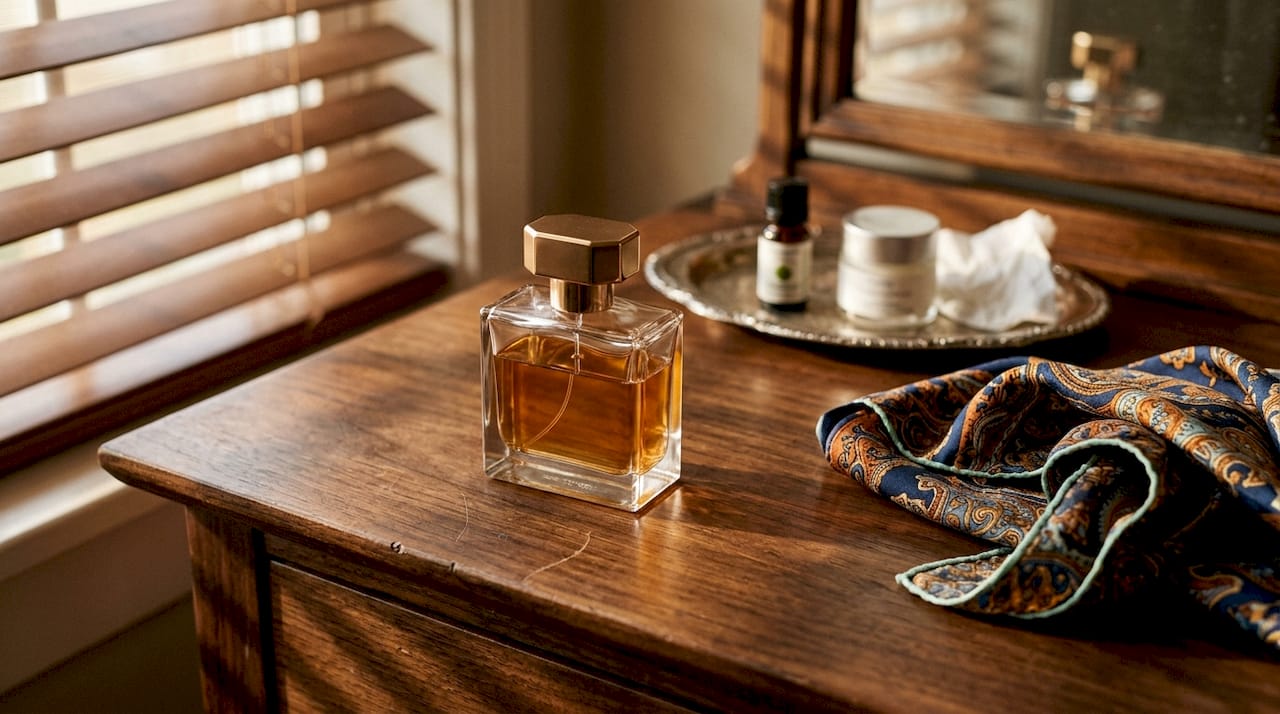
Eau de parfum strikes a balance between intensity and wearability. Perfume concentration directly correlates to scent strength and duration, influenced by skin, climate and notes, making eau de parfum a versatile choice for most situations. It offers substantial lasting power without overwhelming in professional or social settings. Many fragrance enthusiasts consider eau de parfum the sweet spot for daily wear because it provides good value whilst maintaining quality projection.
Eau de toilette suits those who prefer lighter, more subtle fragrances. The lower concentration makes it ideal for warmer weather when heavy scents can feel oppressive. You may need to reapply during the day, but this allows you to refresh your scent or even switch fragrances. The moderate price point makes eau de toilette accessible for building a varied fragrance wardrobe.
Eau de cologne and splash fragrances offer the lightest touch. Originally developed as refreshing citrus waters, colognes provide a brief burst of fragrance perfect for post-shower application or midday pick-me-ups. Whilst they lack the staying power of stronger concentrations, their affordability and subtlety appeal to those who want fragrance without commitment.
Each concentration type has trade-offs. Parfums deliver unmatched longevity but come with premium prices and can feel too intense for casual wear. Eau de toilettes offer versatility and value but require more frequent application. Consider exploring long-lasting perfume explained to understand how different formulations achieve their staying power.
Pro Tip: Match concentration to occasion rather than always choosing the strongest option. Save parfum for special events and use lighter concentrations for everyday situations to maximise both enjoyment and value.
How to choose and apply perfume based on concentration
Selecting the right concentration requires assessing your personal needs, lifestyle, and the contexts where you’ll wear the fragrance. Consider these factors when making your choice:
- Occasion: Formal events suit richer parfums, whilst casual daytime activities pair well with eau de toilette
- Climate: Hot, humid weather calls for lighter concentrations that won’t overwhelm
- Budget: Higher concentrations cost more upfront but require less product per application
- Skin type: Oily skin retains fragrance longer, potentially allowing lighter concentrations to perform well
- Personal sensitivity: Some people prefer subtle scents that don’t project strongly
Once you’ve chosen a concentration, proper application maximises its performance. Follow these steps to make perfume last longer UK standards:
- Moisturise your skin with an unscented lotion or body oil to create a hydrated base
- Apply fragrance to pulse points where blood vessels sit close to the skin surface: wrists, neck, behind ears, inner elbows
- Spray from 15-20 centimetres away to ensure even distribution without oversaturation
- Allow the fragrance to dry naturally without rubbing, which breaks down scent molecules
- Layer with matching body products if available to reinforce the fragrance profile
Application technique and skin preparation affect actual perfume performance significantly, so taking time to apply correctly pays dividends in longevity. Different concentrations require adjusted application approaches. With parfum, one small dab on each pulse point suffices due to its intensity. Eau de parfum allows for slightly more generous application, perhaps two sprays on major pulse points. Eau de toilette may require three to four sprays to achieve noticeable projection.
Layering fragrances can create unique, long-lasting scent profiles. Start with a scented body wash or lotion in a complementary fragrance family, then apply your main perfume. This builds depth and helps anchor the scent to your skin. However, avoid mixing competing fragrances that clash, which creates an unpleasant muddy effect rather than sophisticated complexity.
For those seeking make perfume last all day results, consider carrying a travel atomiser for midday touch-ups with lighter concentrations. This proves especially useful with eau de toilette, which naturally fades after a few hours. Reapplying maintains consistent scent presence without requiring a full-sized bottle.
Pro Tip: Apply perfume immediately after showering whilst your skin is still slightly damp and pores are open, allowing better absorption of fragrance molecules for extended wear.
Common misconceptions about perfume concentrations
Several myths about perfume concentrations persist amongst shoppers, leading to confusion and sometimes disappointing purchases. Understanding the truth helps you make better decisions.
Common misconceptions include:
- Higher price always guarantees better longevity and performance
- All parfums automatically last longer than any eau de parfum
- Concentration alone determines a fragrance’s character and quality
- Expensive fragrances never need reapplication
- Lighter concentrations are inferior or cheaply made
The reality proves more nuanced. Misconceptions about concentration and lasting power often confuse shoppers because multiple factors influence how a fragrance performs. Whilst concentration matters, the specific ingredients used, your individual skin chemistry, and environmental conditions all play crucial roles in determining actual longevity.
Price reflects many factors beyond concentration, including brand prestige, packaging, marketing costs, and ingredient sourcing. A well-formulated eau de parfum from a quality house may outlast a poorly composed parfum using synthetic bases. The skill of the perfumer and the quality of raw materials often matter more than concentration percentage alone.
“Fragrance performance depends on a complex interaction between concentration, ingredient quality, skin chemistry, climate, and application technique. No single factor guarantees longevity or projection.”
Your skin’s natural chemistry dramatically affects how fragrances develop and persist. Some people’s skin naturally amplifies certain notes whilst minimising others. Dry skin tends to absorb fragrance quickly, leading to faster fading regardless of concentration. Medications, diet, and hormonal changes can all alter how fragrances smell and last on your skin.
Fragrance notes also influence longevity independently of concentration. Base notes like woods, musks, and resins naturally persist longer than volatile top notes like citrus and light florals. An eau de toilette built around long-lasting base notes may outperform a parfum heavy in fleeting top notes.
Application technique influences your perception of scent strength and duration. Rubbing perfume into skin generates heat that accelerates evaporation, reducing longevity. Applying to clothing can extend wear time but may stain fabrics and alter the fragrance profile since cloth lacks the warmth and oils that develop scent on skin.
Rather than relying on assumptions about concentration, test perfumes for lasting quality on your own skin over several hours. Sample different concentrations of the same fragrance to discover which performs best with your unique chemistry. What lasts beautifully on a friend may fade quickly on you, and vice versa.
Discover your perfect fragrance at Alexandria UK
Now that you understand how perfume concentrations work and how to choose the right option for your needs, it’s time to explore fragrances that match your preferences. At Alexandria UK, we offer a carefully curated selection of quality perfumes across various concentrations, from intense parfums to versatile eau de toilettes.
Our collection focuses on delivering exceptional value through inspired fragrances and quality dupes that capture the essence of luxury scents without the premium price tag. Whether you’re building your first fragrance wardrobe or adding to an established collection, you’ll find options suited to every occasion, season, and budget. Browse our range to discover scents that complement your lifestyle, and explore our fragrance academy guides for expert tips on long-lasting perfume tips and application techniques that maximise your fragrance investment.
FAQ
What does perfume concentration mean?
Perfume concentration refers to the percentage of fragrance oils present in a blend compared to alcohol and water. Higher concentrations contain more fragrance oils, resulting in stronger scents that typically last longer on your skin. This ratio forms the foundation for classifying perfumes into categories like parfum, eau de parfum, and eau de toilette.
Which perfume concentration lasts the longest?
Parfum usually lasts longest because it contains the most fragrance oils, often between 15-40% of the total formula. This high concentration allows parfum to persist for six to eight hours or more on skin. Eau de parfum follows with four to six hours of longevity, whilst eau de toilette typically lasts two to four hours.
How does skin type affect perfume lasting power?
Oily skin tends to hold fragrance longer than dry skin because the natural oils help bind and retain scent molecules. Dry skin absorbs fragrance quickly, leading to faster fading regardless of concentration. Moisturising before applying perfume creates a hydrated base that significantly improves longevity for all skin types.
Is a higher price always better for perfume longevity?
Higher price does not guarantee longer lasting perfume performance. Whilst price often reflects concentration and ingredient quality, factors like your personal skin chemistry, the specific notes used, application technique, and environmental conditions play equally important roles. A well-formulated moderate-priced eau de parfum may outlast an expensive parfum depending on these variables.
Can I mix different perfume concentrations?
You can layer different concentrations of the same fragrance or complementary scents to create unique profiles and extend wear time. Start with a lighter concentration as a base, then apply a stronger concentration on top for depth and longevity. Avoid mixing competing fragrances from different families, which can create unpleasant clashing rather than harmonious blending.


