The real role of exclusivity in fine perfumery
TL;DR:
- Genuine exclusivity in perfume is created through scarcity, artisan craftsmanship, and rare ingredients.
- It influences consumer psychology by fostering uniqueness, confidence, and deep brand loyalty.
- Market growth and collector communities are driven by authentic exclusivity, but social media and dupes challenge its authenticity.
There is a persistent belief in the fragrance world that a higher price tag is the hallmark of true exclusivity. Walk through any department store, and the logic seems to hold: imposing bottles behind glass, velvet ropes, prestige labels. Yet this surface reading misses something far more compelling. Genuine exclusivity in perfumery is woven from scarcity, artisanship, rare materials, and an emotional narrative that no marketing budget alone can manufacture. This article unpacks what exclusivity really means for fragrance enthusiasts, how it shapes both psychology and the broader market, and what you need to know to distinguish true rarity from clever theatre.
Table of Contents
- What makes a perfume exclusive?
- Why exclusivity matters: Psychological and market forces
- How exclusivity shapes the perfume market
- Risks and evolution: Dupes, accessibility and new exclusivity trends
- A fresh perspective: Why true exclusivity in perfume cannot be faked
- Discover your signature scent with true exclusivity
- Frequently asked questions
Key Takeaways
| Point | Details |
|---|---|
| Exclusivity defined | Rare, limited, and selectively distributed perfumes offer experiences beyond price. |
| Psychological power | Scarcity and uniqueness fuel desirability, loyalty, and higher market value. |
| Market growth | The luxury niche perfume market is rapidly expanding due to demand for exclusivity. |
| Modern challenges | Dupes, social media, and shifting consumer values are reshaping what exclusivity means. |
| Seek authenticity | True exclusivity is rooted in artistry, genuine rarity, and personal expression. |
What makes a perfume exclusive?
Let’s start by understanding what makes a perfume truly exclusive. The word “exclusive” is one of the most overused in fragrance retail, applied freely to flankers, seasonal gift sets, and high-street launches dressed in gold foil. True exclusivity, however, rests on a more rigorous foundation.
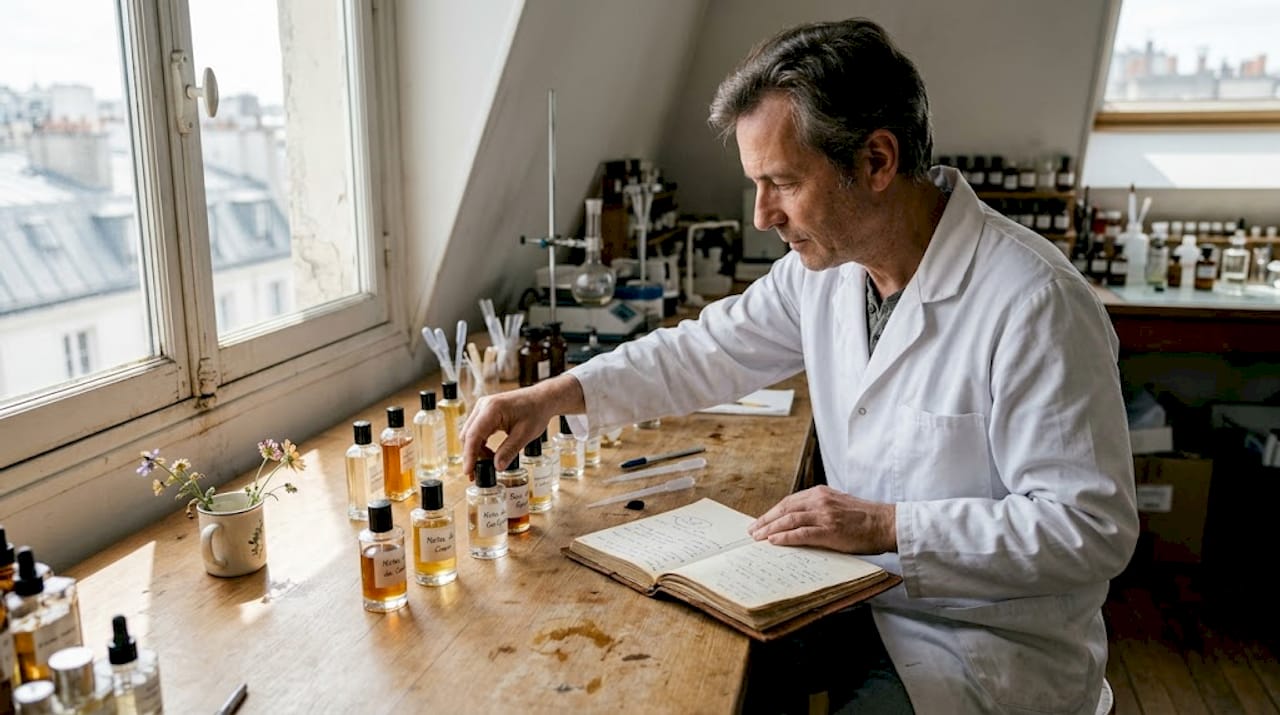
At its core, exclusivity in perfumes is achieved through limited production batches, selective distribution channels, and high-quality rare ingredients, distinguishing niche from mass-market designer fragrances. This is not simply about low numbers. It is about deliberate, artisan-level decisions made at every stage of creation, from the sourcing of raw materials to the decision of where and how a fragrance is sold.
Understanding what makes a fragrance niche clarifies the distinction further. Niche houses typically operate with small teams, maintain creative independence, and prioritise olfactory vision over commercial volume. They answer to no mass-market brief. A mainstream designer house, by contrast, must satisfy global retail demands, meaning compositions are often refined toward broad palatability rather than singular character.
Identifying quality ingredients is another pillar of this conversation. Exclusive fragrances frequently feature materials such as Somalian oud, Bulgarian rose absolute, or vintage musks that are extraordinarily difficult to source in meaningful quantity. These are not interchangeable with synthetic approximations; their presence fundamentally shapes the scent’s complexity and longevity.
The touchstones of genuine exclusivity include:
- Artisan creation: Small-batch production overseen by a master perfumer, often with hands-on quality control at every step
- Unique accords: Signature note combinations that cannot be replicated at scale, sometimes featuring endangered botanicals or single-origin naturals
- Collector packaging: Flacons designed as objects of art in their own right, often hand-numbered or crafted from bespoke glass and precious materials
- Invitation-only launches: Private presentations, members-only access, or partnerships with cultural institutions that restrict the initial audience
| Feature | Exclusive niche perfume | Mainstream designer fragrance |
|---|---|---|
| Batch size | Small, numbered | Mass production |
| Distribution | Select boutiques | Global department stores |
| Ingredient quality | Rare, often single-origin | Primarily synthetic |
| Creative control | Independent perfumer | Corporate brief |
| Packaging | Artisan or collector pieces | Standard, replicated |
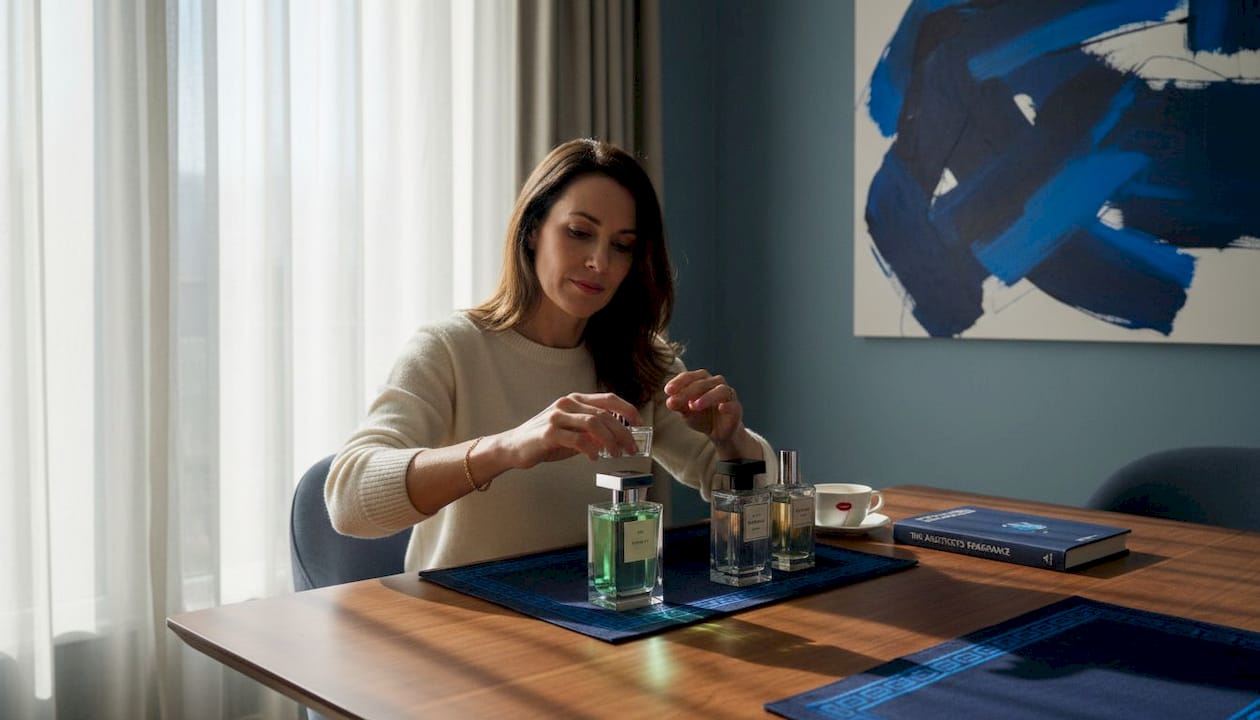
For fragrance enthusiasts who value expressing individuality with niche scents, this distinction matters profoundly. Wearing an exclusive fragrance is not simply a sensory experience; it is a statement of discernment, a quietly worn signal to those who understand.
Why exclusivity matters: Psychological and market forces
Once we’ve defined exclusivity, it’s crucial to see why it holds such powerful appeal — for both consumers and brands. The psychology at play is fascinating, and the market data that supports it is equally compelling.
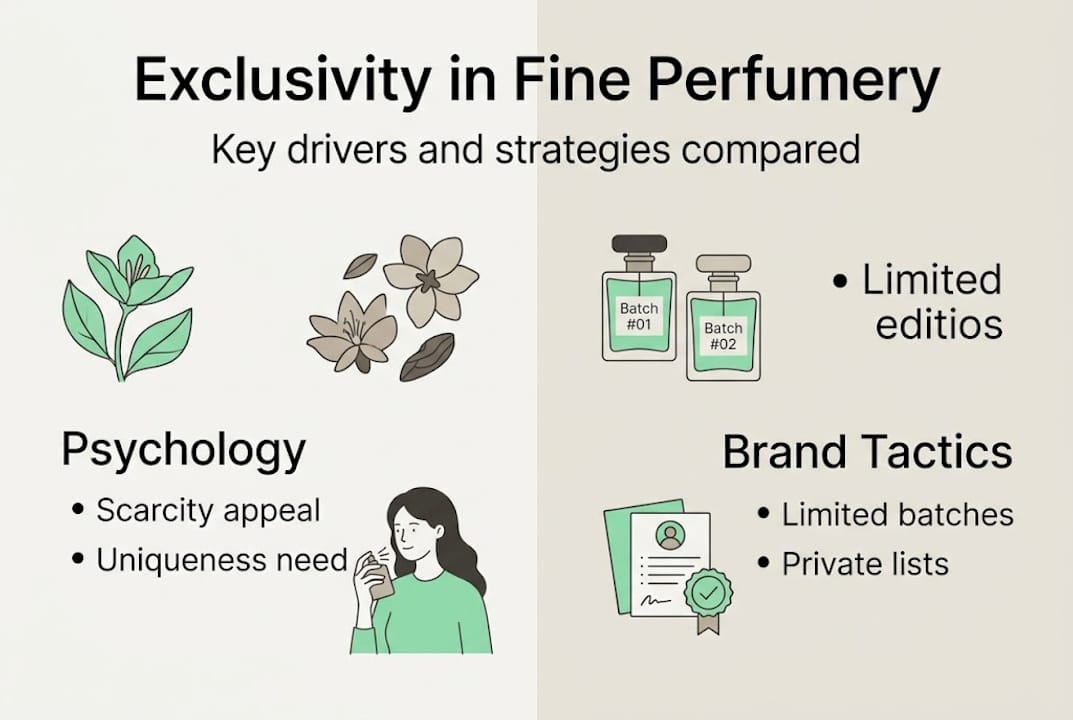
Limited edition perfumes leverage scarcity marketing, creating urgency via small batches, countdown timers, and FOMO (fear of missing out), leading to 20 to 50% faster sales and 20 to 30% higher prices. These are not trivial figures. They represent the commercial translation of something deeply human: the desire to possess what others cannot.
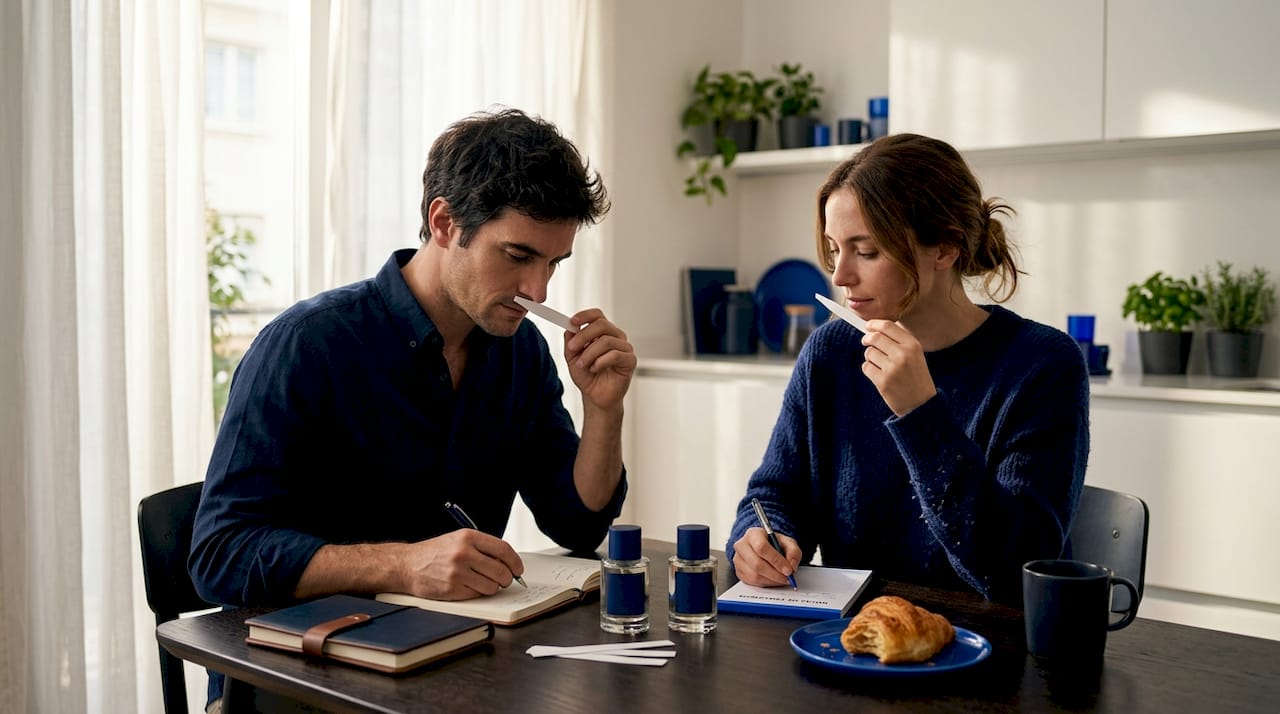
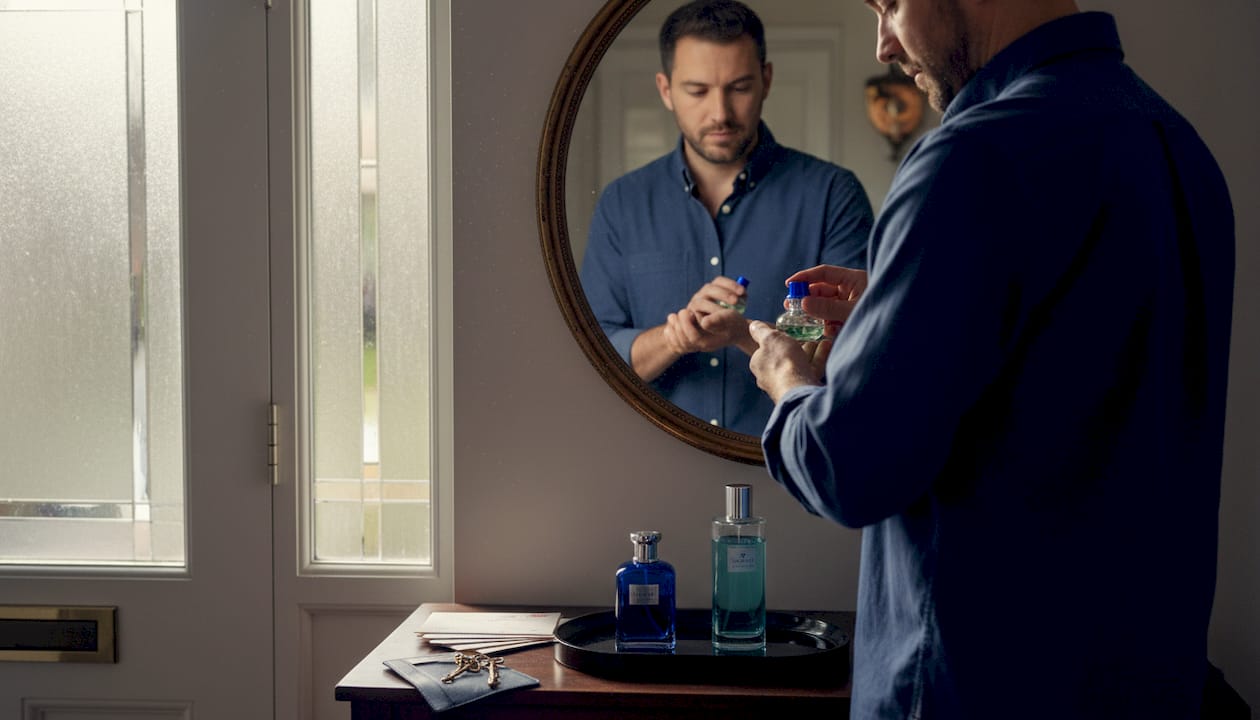
Emotional drivers run beneath the surface of every exclusive purchase. The need for uniqueness (sometimes abbreviated to NFU in consumer psychology) is a measurable trait that predicts luxury purchasing behaviour more reliably than simple wealth or status-seeking. People want to smell like themselves, not like everyone else in the lift. Exclusive fragrances serve this desire precisely because they cannot be found in every pharmacy and airport duty-free shop.
The confidence dimension is equally striking. Fragrance enthusiast surveys reveal that 75% are more drawn to “limited edition” labels, 65% feel more confident wearing them, and over 40% of millennials willingly pay a premium for exclusive products. These statistics tell us that exclusivity is not vanity. It is bound up with self-image, personal ritual, and the quiet pleasure of wearing something genuinely rare.
| Consumer insight | Percentage |
|---|---|
| More drawn to “limited edition” label | 75% |
| Feel more confident wearing exclusive scents | 65% |
| Millennials willing to pay premium | 40%+ |
| Influenced by scarcity messaging | 68% (estimated) |
Brand loyalty also deepens through exclusive releases. When a house offers a limited fragrance to its most devoted customers first, it cultivates a sense of belonging that no advertising campaign can replicate. The relationship becomes reciprocal: the brand rewards loyalty, and the customer advocates passionately in return.
Understanding luxury perfume pricing helps contextualise why enthusiasts accept, and indeed expect, elevated price points for genuine exclusivity. The cost reflects not just ingredients but the story, the scarcity, and the olfactory artistry embedded in every drop.
Pro Tip: To distinguish authentic exclusivity from manufactured hype, look beyond the “limited edition” label. Ask whether the house has a documented history of artisan production, whether the perfumer is named and credentialled, and whether the ingredients are genuinely rare or simply presented as such. Brands with true exclusivity rarely need to shout about it.
How exclusivity shapes the perfume market
The psychological allure translates directly into market shifts and industry strategies. The figures involved are extraordinary, and they signal a long-term reshaping of how fragrance is created, sold, and valued.
The luxury niche perfume market was valued at $4.28 billion in 2025 and is projected to reach $14.79 billion by 2035, representing a compound annual growth rate of 13.2%, driven primarily by demand for personalised, exclusive experiences. This is not a niche trend in the colloquial sense. It is a fundamental reorientation of the global fragrance industry.
“Exclusivity enhances brand prestige and profitability by fostering emotional attachment, loyalty, and collector appeal, but it requires careful management to avoid dilution through overexposure or social media saturation.”
This expert observation captures the central tension every exclusive fragrance house must navigate. Mystique is fragile. Once a brand over-extends its “limited” releases or allows its compositions to become ubiquitous, the emotional contract with its most devoted customers begins to erode.
The key market effects of exclusivity are:
- Accelerated market growth: The niche segment is growing at nearly three times the rate of the mainstream fragrance market, attracting investment and new independent houses
- Brand differentiation: In a saturated market, exclusivity is one of the few genuinely defensible positions a fragrance brand can occupy
- Collector communities: Exclusive releases have spawned dedicated communities of fragrance collectors who trade, review, and curate rare bottles with the same passion as art or wine connoisseurs
- Pricing power: Houses with strong exclusivity credentials can command prices that defy conventional cost-of-goods logic, because the emotional value is simply not comparable to its material components
The impact of social media on these dynamics is nuanced and somewhat paradoxical. Platforms such as Instagram and TikTok have dramatically expanded awareness of niche and exclusive fragrances, drawing new enthusiasts into the fold. Yet, as explored by Istituto Marangoni’s analysis of how social media affects exclusivity, widespread digital visibility can corrode the very mystique that exclusivity depends upon.
Brands have responded with increasingly sophisticated strategies. Gated digital access, private waitlists, and collector “drops” mirroring the streetwear model have all been adopted. The goal is to maintain desire without sacrificing the controlled scarcity that gives exclusive fragrances their potency.
Risks and evolution: Dupes, accessibility and new exclusivity trends
Yet the fragrance industry faces pressures that are redefining what exclusivity really means. The landscape is shifting faster than at any previous point in the industry’s history, and the forces involved are both technological and cultural.
The modern threats to traditional exclusivity include:
- Fragrance dupes: Affordable interpretations of exclusive scents have become mainstream, driven by perfume dupe trends on social platforms. Quality dupes democratise access but can dilute the perceived uniqueness of the original
- Social media leaks: New releases are often reviewed, photographed, and shared online before their intended exclusive launch, collapsing the carefully managed reveal
- Global e-commerce: Geographic exclusivity is increasingly difficult to enforce when any consumer can source a boutique-only fragrance via international shipping or third-party resellers
- Influencer hype: When an exclusive fragrance goes viral via a high-profile endorsement, its scarcity perception can be destroyed almost overnight
- AI curation: Algorithmic recommendation tools now surface niche and exclusive fragrances to audiences who might never have discovered them organically, accelerating mainstream adoption
- Shift to ethical exclusivity: A growing segment of consumers, particularly younger buyers, now define exclusivity partly through ethical sourcing, sustainable packaging, and transparent supply chains
Designer fragrances are taking cues from niche brands in direct response to these pressures. While exclusivity boosts margins, dupes and accessibility erode prestige; designer brands now adopt niche tactics like creative director involvement and ingredient storytelling to differentiate themselves in a crowded market.
Understanding the comparison between niche and designer perfumes is increasingly essential for enthusiasts navigating this evolved landscape. The lines are genuinely blurring: major houses are acquiring niche brands, while niche houses are expanding into territories once occupied only by prestige designers.
Gen Z is remaking the rules entirely. This generation values authenticity, ethical intent, and personal narrative over heritage and price point alone. A fragrance house that demonstrates genuine commitment to sustainable oud sourcing or fair-trade floral harvesting may carry greater exclusivity currency with a Gen Z audience than a centuries-old maison with opaque supply chains. Maintaining exclusivity in the digital age requires brands to rethink the very foundations of what makes a scent rare and desirable.
Pro Tip: When assessing whether a brand’s exclusivity is genuine or performative, look for transparency in ingredient sourcing, a named creative director with a coherent olfactory vision, and a track record of genuinely limited production. Brands that cycle through seasonal “exclusives” at volume are, in practice, anything but exclusive.
A fresh perspective: Why true exclusivity in perfume cannot be faked
All these shifts raise an important question: what does “real” exclusivity look like for enthusiasts who seek the rarest scents?
The answer, ultimately, is that genuine exclusivity resists imitation not because of legal protections or clever marketing, but because of something more fundamental: artistic intent and honest scarcity. A perfumer who works with a single harvest of Tasmanian boronia absolute does not produce exclusivity as a strategy. They produce it as an inevitable consequence of working with extraordinary, finite materials.
Superficial scarcity, manufactured through countdown timers and artificial batch limits on otherwise mass-produced compositions, is a borrowed technique. It may work in the short term, driving urgency and sales. Over time, however, knowledgeable enthusiasts see through it. The emotional value simply does not sustain itself when the craftsmanship is absent.
Deep exclusivity in extrait perfumes is a compelling example of where artistry and concentration intersect. An extrait de parfum (perfume extract, the most concentrated form of fragrance) created with rare naturals represents exclusivity in its purest form: a composition that cannot be replicated at scale and that rewards intimate, unhurried wear.
In well over a decade of observing the fragrance market, authentic exclusivity remains immediately obvious to those who truly seek it. It lives in the complexity of a drydown, in the coherence of a brand’s creative philosophy, in the tactile pleasure of a hand-blown flacon. No amount of manufactured scarcity can approximate that.
Discover your signature scent with true exclusivity
If you value true exclusivity in your fragrance journey, explore where it’s authentically curated.
At Alexandria UK, the approach to fragrance is rooted in a genuine passion for rarity, quality, and personal expression. The curated collection moves beyond mainstream fragrance culture, offering inspired interpretations and quality alternatives that honour the artistry of the finest houses.
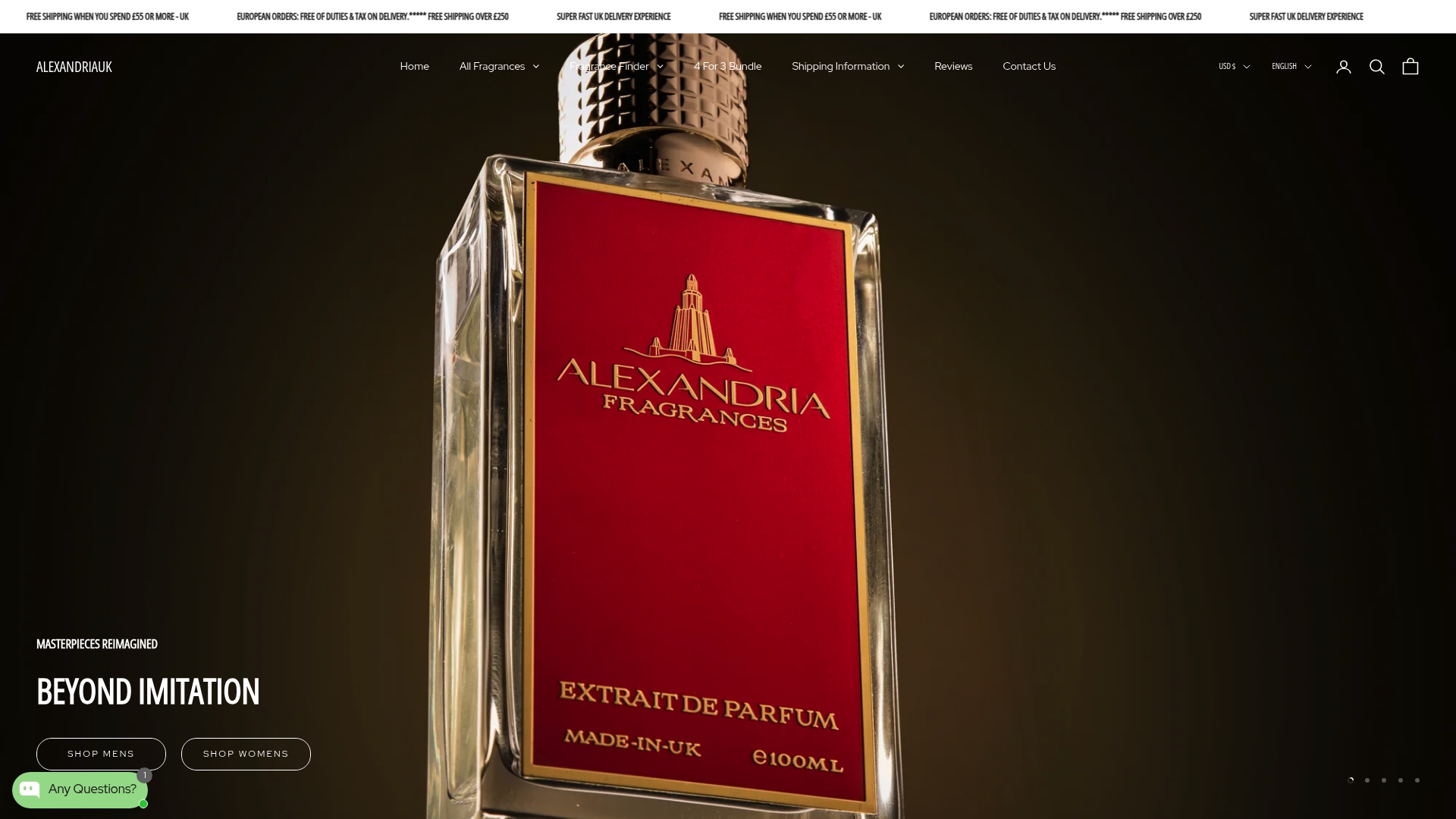
Whether you are seeking a refined dupe of a celebrated exclusive or exploring something entirely original, Alexandria UK brings you closer to the scents that truly resonate. Every fragrance in the collection is chosen for its olfactory integrity, its quality of ingredients, and its capacity to become genuinely yours. True exclusivity is not reserved for the few. It is waiting to be discovered by anyone who knows where to look.
Frequently asked questions
What distinguishes exclusive perfumes from mainstream fragrances?
Exclusive perfumes use rare ingredients and limited releases, and are often distributed through select channels, making them fundamentally harder to find than mass-market scents. The difference lies in both intention and execution, not merely price.
Does buying a limited edition perfume guarantee it will become valuable?
Not always. True value depends on the brand’s prestige, the artistry of the scent, and collector demand, not just release size. As analysis of exclusivity and collector appeal confirms, overexposure or social media saturation can rapidly diminish even a genuinely limited release.
Can social media weaken the exclusivity of niche perfumes?
Yes. While social media spreads awareness effectively, it can reduce mystique by exposing rare releases to far wider audiences than intended. Brands are now investing in gated experiences and controlled access to counteract this effect.
Why do millennials and Gen Z pay extra for exclusive perfumes?
Younger buyers value the confidence and unique identity that exclusive scents provide. Survey data shows 65% feel more confident wearing exclusive fragrances, while research confirms that Gen Z favours ethical exclusivity and authentic storytelling over heritage and price point alone.