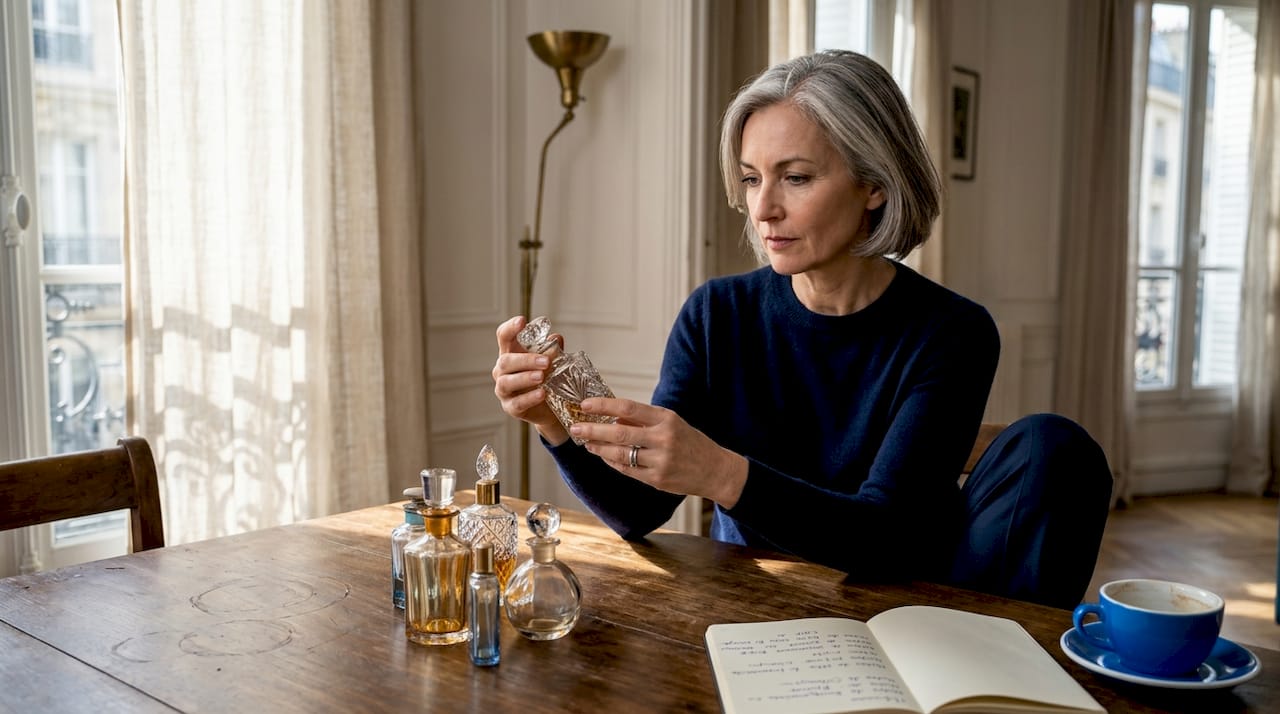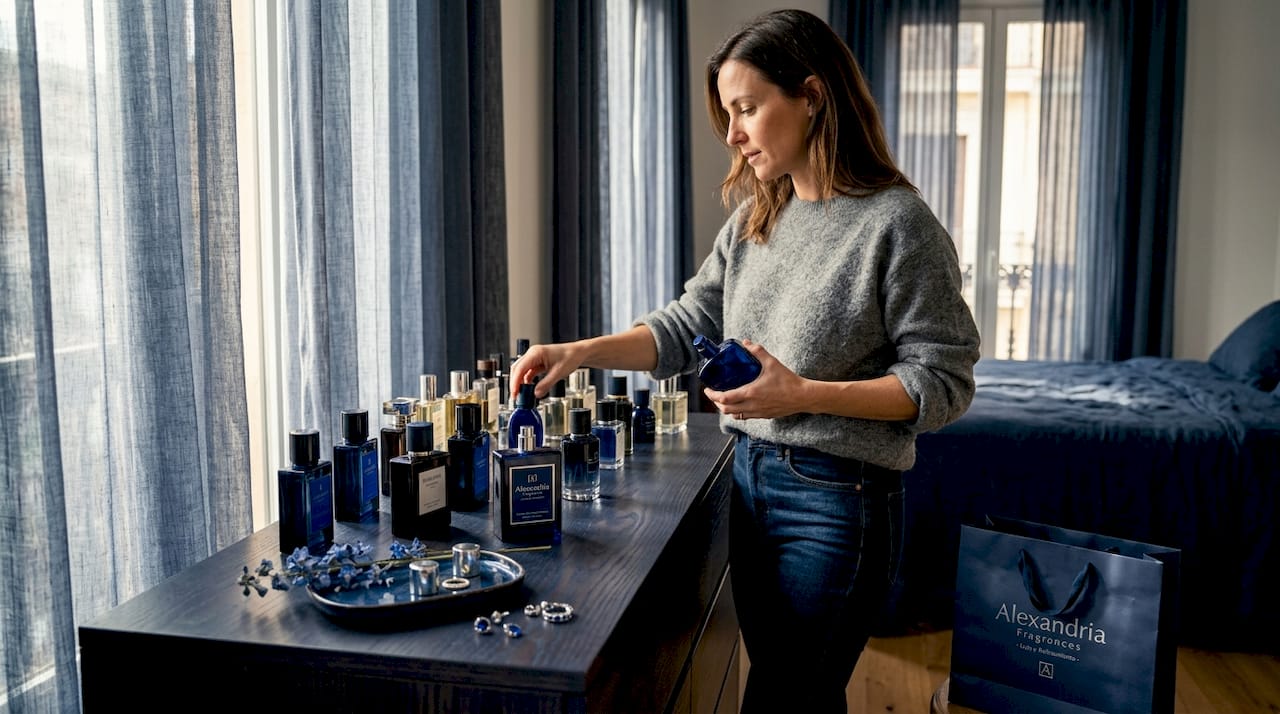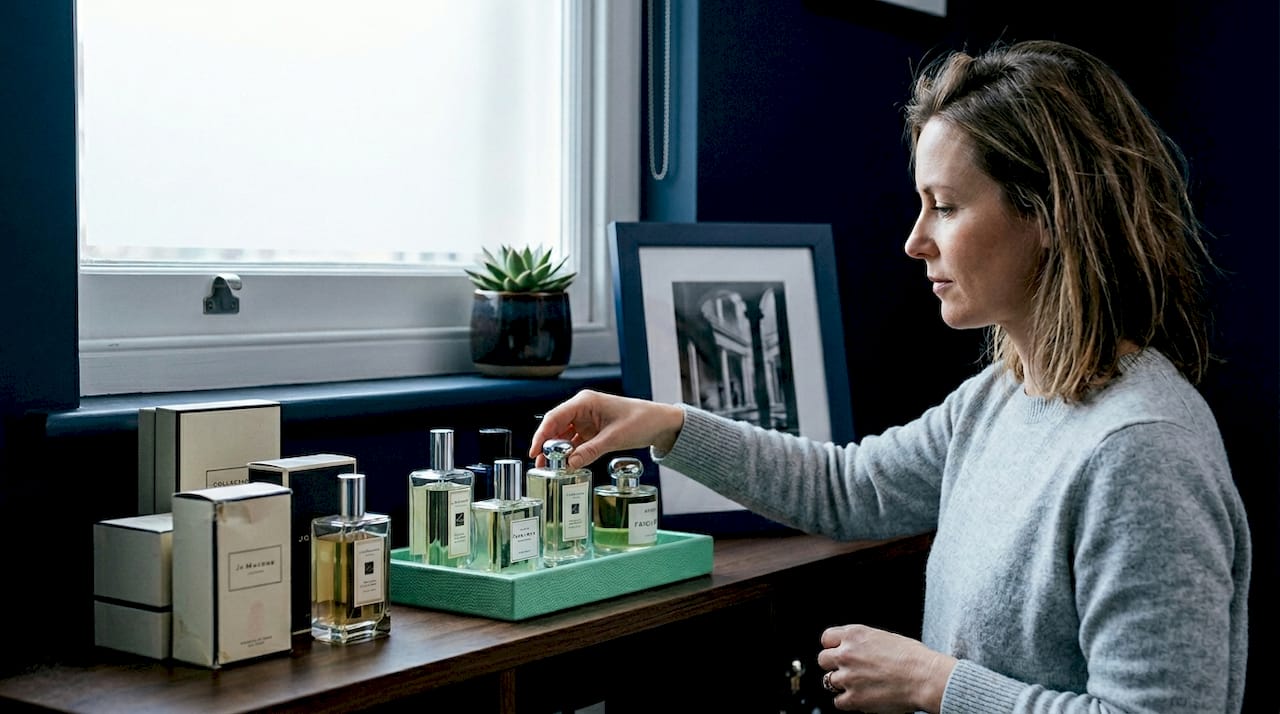
How to store discounted perfumes for lasting quality
TL;DR:
- Proper storage away from light, heat, humidity, and air exposure is essential to preserve perfume quality.
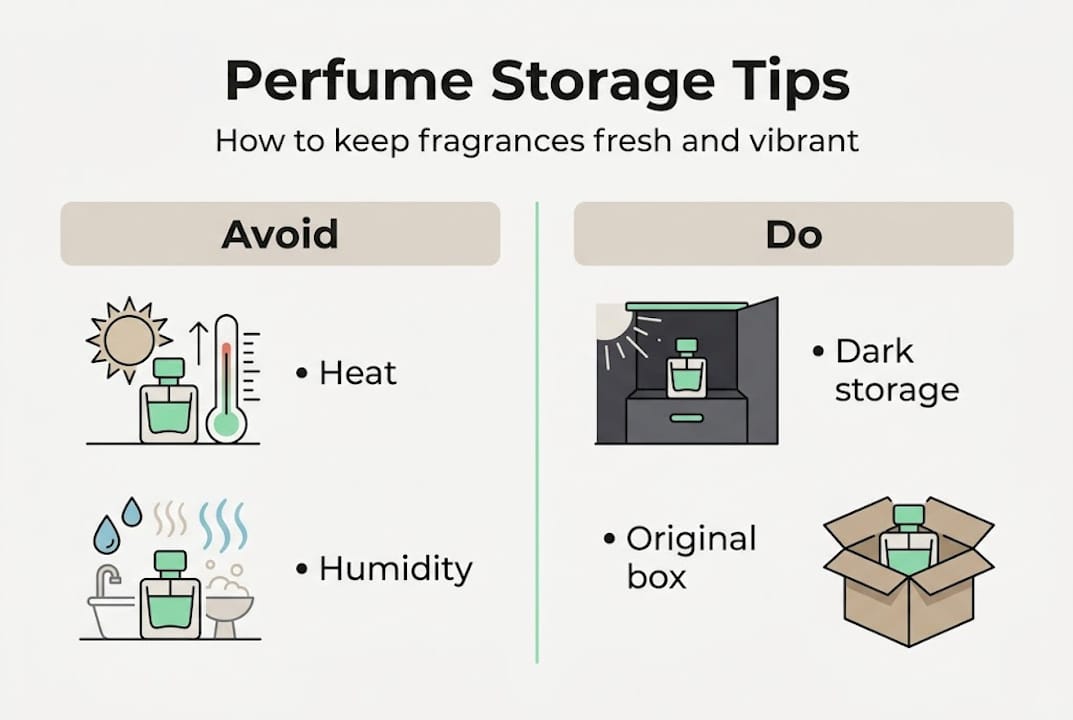
- The ideal location is a cool, dark, dry bedroom drawer or wardrobe, not a bathroom or windowsill.
- Consistent habits, like sealing caps tightly and returning bottles to their storage spot, extend fragrance lifespan.
Securing a beautifully crafted fragrance at a fraction of its original price is one of the great pleasures available to a savvy perfume enthusiast. Yet far too many bargain hunters have experienced that sinking feeling when a prized discounted scent fades, sours, or simply loses its luminous character within weeks of purchase. Improper storage is almost always the culprit. The good news is that protecting your investment requires no special equipment and very little effort. This guide walks through every proven step you need to safeguard your collection, preserve those precious accords, and savour every last drop.
Table of Contents
- Understanding what ruins your perfume
- Choosing the perfect place: Location matters most
- The fridge debate: Should you chill your scents?
- Special tips: Handling edge cases and common mistakes
- What most guides miss: Longevity is about routine, not just storage
- Discover fragrance deals and care tips with Alexandria UK
- Frequently asked questions
Key Takeaways
| Point | Details |
|---|---|
| Avoid heat and humidity | Keep perfumes away from sunlight, moisture, and fluctuating temperatures. |
| Use drawers and original boxes | Storage in cool, dark drawers and original packaging preserves scent for longer. |
| Think twice about the fridge | Only refrigerate perfume in extreme conditions, and always use a sealed box. |
| Special care for naturals | Natural and citrus scents are sensitive to cold and heat, so maintain a steady, cool environment. |
Understanding what ruins your perfume
Having set the stakes, let us examine exactly what causes bargain fragrances to lose potency. Discounted perfumes often arrive with less packaging protection than their full-price counterparts, and some may already carry a little age from sitting in a warehouse or on a retailer’s shelf. That means their fragrant compositions can be more vulnerable from the outset, and the enemies of longevity can work faster than you might expect.
The four primary threats to any fragrance are light, heat, humidity, and air exposure. Ultraviolet and visible light both trigger photodegradation, a process by which the delicate aromatic molecules that give a fragrance its character begin to break apart. Heat accelerates this same molecular breakdown and can cause a scent to evolve in unpleasant directions, turning a fresh citrus accord into something flat and indistinct. Humidity introduces moisture into the bottle through micro-gaps around the atomiser, diluting concentration and encouraging bacterial growth that corrupts the blend. Air exposure, even in tiny amounts each time you remove the cap, introduces oxygen that oxidises the top notes, those bright, luminous opening impressions that make a first spray so memorable.
The main enemies of your perfume at a glance:
- Light (UV and visible): Breaks down aromatic molecules, causes colour change and scent shift
- Heat: Accelerates molecular degradation, flattens top notes and heart notes
- Humidity: Introduces moisture, dilutes concentration, and can breed bacteria
- Air exposure: Oxidises top notes, dulls the overall accord over time
- Temperature fluctuations: Cause repeated expansion and contraction that stresses the liquid and the seal
| Risk factor | What it does | Best practice |
|---|---|---|
| Direct sunlight | Degrades molecules rapidly | Keep bottles away from windows |
| High heat (above 25°C) | Breaks down top notes | Store in cool rooms |
| Bathroom humidity | Dilutes and contaminates | Use bedroom drawers instead |
| Frequent air exposure | Oxidises the fragrance | Secure caps firmly after use |
| Temperature swings | Stresses liquid and seal | Choose stable environments |
As experts consistently advise, the ideal approach is to store perfumes in cool, dark, dry environments, well away from heat, direct sunlight, humidity, and bathrooms. This is the foundation upon which every other tip in this guide is built. For a deeper exploration of the science behind long-lasting perfume storage, it is worth building your habits around this one core principle from day one.
“Drawers and closets, along with original boxes, help shield fragrances from every one of these damaging factors simultaneously.”
Choosing the perfect place: Location matters most
Now that you know what to avoid, it is time to choose where to store your perfume finds. Location is arguably the single most impactful decision you will make for your fragrance collection. The right spot costs you nothing yet can extend a scent’s lifespan by years.
The bedroom is almost always the best room in the home for perfume storage. It tends to maintain a consistent temperature, receives less fluctuating humidity than a bathroom or kitchen, and usually has drawers or wardrobes that block light entirely. A bedroom drawer lined with a soft cloth is, in many respects, the quintessential perfume sanctuary.
Best and worst locations for perfume storage:
- Bedroom drawer (excellent): Cool, dark, consistent temperature, protected from light
- Wardrobe or closet (excellent): Similar benefits to a drawer, with added airflow stability
- Living room cabinet (good): Suitable if away from radiators and windows
- Kitchen shelf (poor): Exposed to heat from cooking and fluctuating humidity
- Bathroom cabinet (very poor): Humidity and temperature swings accelerate breakdown
- Windowsill (terrible): Direct light and heat destroy fragrance composition rapidly
| Location | Temperature stability | Humidity risk | Light exposure | Suitability |
|---|---|---|---|---|
| Bedroom drawer | High | Low | None | Excellent |
| Bedroom wardrobe | High | Low | None | Excellent |
| Living room cabinet | Medium | Low | Low | Good |
| Kitchen shelf | Low | Medium | Medium | Poor |
| Bathroom cabinet | Low | High | Low | Very poor |
| Windowsill | Low | Medium | High | Avoid entirely |
As all leading fragrance authorities confirm, keeping perfumes away from heat, direct light, humidity, and bathrooms is the non-negotiable starting point. For guidance on selecting the best place to store perfume in your specific home setup, consider the consistency of the space’s temperature across all four seasons before committing to a spot.
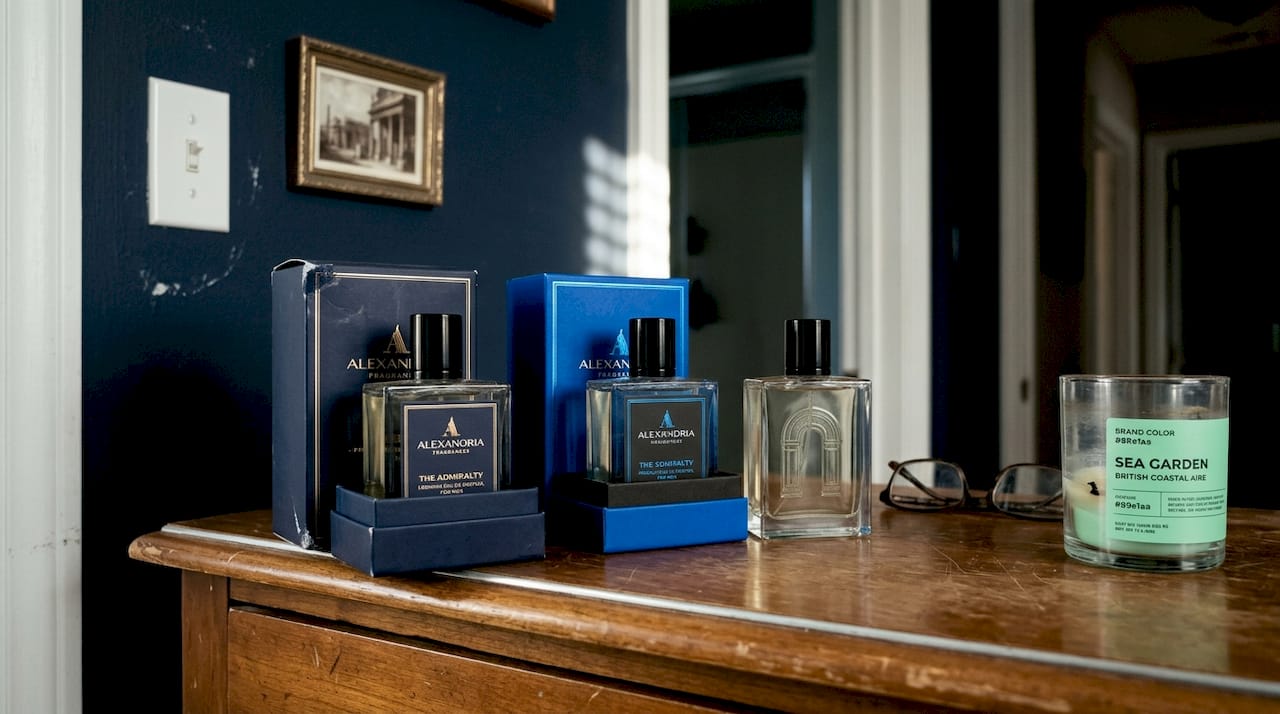
One detail that many enthusiasts overlook is the value of keeping perfumes in their original boxes. The box acts as a secondary shield, blocking residual light that might filter through a partially open drawer, and buffering the bottle against minor temperature fluctuations. It also protects the bottle’s finish and any decorative elements that contribute to your collection’s visual appeal.
Pro Tip: Even if a box is a little battered from transit or sale, keep it. A worn box still delivers meaningful protection for the liquid inside, which is ultimately what matters most.
For further lasting fragrance storage tips, remember that temperature consistency is just as important as avoiding high heat. A location that swings from 15°C at night to 28°C in the afternoon is almost as damaging as a perpetually warm spot, because repeated expansion and contraction of the liquid stresses both the composition and the bottle’s seal.
The fridge debate: Should you chill your scents?
Another frequent question among bargain perfume collectors: will the fridge help preserve your deal perfumes, or destroy them faster? The answer is nuanced, and it is one where conventional wisdom sometimes misleads enthusiasts into making a costly mistake.
The appeal of the fridge is understandable. Cool temperatures slow chemical reactions, and since heat is one of the main enemies of fragrance, logic suggests that colder must be better. In reality, the fridge introduces a different set of risks that often outweigh the benefit of lower temperatures.
Numbered pros and cons of fridge storage:
- Pro: Lower temperature slows oxidation and molecular degradation
- Pro: Darkness inside the fridge blocks light entirely when the door is shut
- Con: Fridges are humid environments, and condensation forms on cold bottles when they are brought out into a warm room
- Con: Temperature swings every time the door opens create repeated stress on the fragrance and its seal
- Con: Odours from food items can permeate through micro-gaps in the atomiser and taint the scent
- Con: Many delicate top notes, particularly citrus and fresh green accords, can become muted or dulled by sustained cold
As experts and major publications consistently caution, refrigeration can be a mixed experience due to moisture, condensation, and temperature swings. A stable bedroom drawer or closet remains the far safer default for the vast majority of collectors.
“Temperature extremes and condensation are the key risks when refrigerating fragrance; the benefit of coolness rarely outweighs the damage these factors can cause.”
There are, however, narrow circumstances where limited fridge use may be considered. If you live in an extremely hot climate where ambient room temperatures regularly exceed 30°C for sustained periods, and you have no air-conditioned space available, a carefully managed fridge arrangement might prevent greater damage from the heat. In this case, place the perfume in a sealed, airtight container before refrigerating it. This barrier prevents moisture ingress and shields the bottle from food odours. Retrieve the bottle only when you intend to use it, and allow it to acclimatise gradually rather than moving it immediately from cold to warm air.
For those living in warmer regions or travelling, exploring heat-proof fragrance advice can offer additional strategies tailored to challenging climates.
Pro Tip: If you must refrigerate, always place the perfume inside a sealed, airtight container first. This single step dramatically reduces the risks of condensation damage and odour contamination.
Special tips: Handling edge cases and common mistakes
With the basics covered, let us tackle specific challenges and mistakes bargain hunters often face. Even collectors who have absorbed the foundational rules can find themselves tripping over a handful of recurring errors, particularly when dealing with certain fragrance families or unusually challenging home environments.
Common mistakes to avoid:
- Leaving bottles in the bathroom: This is arguably the most widespread error. Steamy showers and hot baths create a cyclical humidity and heat environment that is remarkably destructive. Even a sealed bottle sitting on a bathroom cabinet is exposed to these stresses daily.
- Storing citrus or green fragrances in very cold conditions: The bright, luminous top notes that make these scents so vivid and immediate are particularly sensitive to temperature extremes. Sustained cold can suppress these accords and leave the fragrance smelling muted and one-dimensional on the opening.
- Leaving caps off between uses: Every moment of air exposure allows oxygen to interact with the fragrance’s aromatic compounds. Even a few minutes of unnecessary exposure, repeated over weeks, accumulates into meaningful degradation.
- Keeping bottles near radiators or in sunny spots for display: A beautifully shaped bottle deserves to be seen, but placing it in direct light or beside a heat source in the name of aesthetics is a trade-off that nearly always ends in disappointment.
As fragrance authorities confirm, bathroom cabinets accelerate breakdown through humidity and temperature swings, making an interior bedroom drawer or wardrobe the far superior alternative. This is especially true in UK homes where bathroom conditions can swing considerably between a long winter soak and a summer morning routine.
For those with naturally luminous citrus or herbaceous blends, the guidance on temperature extremes and condensation risks is essential reading. These fragrance families need stable, cool conditions rather than cold or fluctuating ones, and they reward careful handling with exceptional longevity.
Quick do’s and don’ts:
- Do keep caps and stoppers firmly in place after every use
- Do store bottles upright to minimise liquid contact with the atomiser mechanism
- Do use the original box whenever possible for layered protection
- Don’t decant into decorative containers unless they are fully airtight
- Don’t expose to direct sunlight, even briefly on a dressing table
- Don’t store near electronic devices that emit heat
Humidity and temperature swings work in combination to accelerate perfume breakdown, meaning that a bathroom exposes your fragrance to two of its worst enemies simultaneously.
For those building a larger collection, exploring long term perfume storage strategies becomes increasingly important. Similarly, if your collection includes inspired-by alternatives and dupes, the specific advice on storing dupe perfumes can help you tailor your approach to the particular formulations involved.
Pro Tip: When in doubt, a mid-room bedroom drawer beats every fancy bathroom cabinet arrangement. Simple, consistent, and dark wins every time.
What most guides miss: Longevity is about routine, not just storage
Here is an angle that most storage guides never quite address directly: even the most impeccably chosen storage location will underperform if you do not pair it with consistent daily habits. The best bedroom drawer in the world cannot compensate for repeatedly leaving caps off, placing bottles on a sunny windowsill while you decide which scent to wear, or forgetting to return them to their designated spot after use.
The discipline of immediately replacing a bottle after each application is deceptively powerful. It takes seconds, yet it eliminates the single most common source of casual, accumulated damage. Think of it as a ritual, a small act of respect for the artisan blend you invested in, whether it cost you £8 or £80 at a discounted price.
It is also worth recognising that discounted fragrances deserve exactly the same reverence as full-price ones. The olfactory experience they deliver can be every bit as complex and rewarding, and treating them with care reflects a collector’s genuine appreciation for fine perfumery. The true secret is simple: treat your bargain finds like treasures, and their value, both monetary and sensory, will endure far longer than you might expect.
For those looking to truly extend every bottle’s lifespan, the detailed strategies in how to make perfume last longer complement storage habits beautifully. And if you have ever wondered exactly how many years a well-kept fragrance can maintain its character, the perfume shelf life guide offers authoritative, evidence-backed answers.
Discover fragrance deals and care tips with Alexandria UK
Ready to get more from your perfume finds and look after them the right way?

At Alexandria UK, the passion for exceptional fragrance extends well beyond the bottle itself. Whether you are growing a collection of inspired-by alternatives that capture the soul of iconic designer scents, or simply seeking guidance on protecting the bottles you already love, the Alexandria UK fragrance collection and its accompanying knowledge resources are designed with discerning enthusiasts in mind. Explore the full range of curated scents alongside in-depth expert perfume storage tips to ensure every fragrance find reaches its full, beautiful potential.
Frequently asked questions
Is it safe to store perfume in the bathroom if I keep the bottle sealed?
No. Bathrooms expose perfumes to humidity and temperature swings that break down fragrance composition even through a sealed bottle, making them one of the worst locations in any home.
How long will my discounted perfume last if stored properly?
Properly stored in a cool, dark, dry environment, most perfumes can maintain their quality for several years, regardless of whether they were purchased at full price or at a significant discount.
Can the fridge actually harm my perfume?
Yes. The fridge can introduce moisture and temperature fluctuations that may cause condensation damage and even allow food odours to permeate delicate fragrance compositions.
Should I keep perfumes in their original boxes?
Absolutely. Original boxes shield perfume from residual light and minor temperature changes, adding a meaningful second layer of protection that can significantly extend the scent’s lifespan.
Do natural or citrus-based perfumes need special care when storing?
Yes. Temperature extremes and condensation are particularly damaging to delicate citrus top notes, so these blends should always be kept in stable, cool but not cold conditions.