

Types of Perfume: Complete Guide for UK Bargain Hunters
Did you know that some luxury perfumes contain as much as 40 percent pure fragrance oil? The secret behind these powerful scents lies in understanding how perfume concentrations impact aroma, strength, and longevity. For anyone comparing options or searching for impressive value, knowing the difference between cologne, eau de toilette, and extrait can help you find a signature fragrance that matches your taste, lifestyle, and budget.
Table of Contents
- What Defines Perfume Concentrations
- Comparing Perfume Strength Levels
- Non‑Alcohol Formats And Oils
- Legal And Safety Considerations In UK
- Budget‑Friendly Alternatives And Dupes
Key Takeaways
| Point | Details |
|---|---|
| Fragrance Concentration Matters | The concentration of fragrance oils determines the perfume’s strength and longevity, impacting the overall sensory experience. |
| Understand Concentration Types | Knowledge of different types—Eau de Cologne, Eau de Toilette, Eau de Parfum, and Extrait de Parfum—can help consumers select perfumes suited to their needs. |
| Explore Non-Alcohol Formats | Non-traditional formats, such as perfumed oils and solid perfumes, offer excellent alternatives for those with sensitive skin or seeking budget-friendly options. |
| Beware of Dupes and Counterfeits | While exploring budget-friendly alternatives, ensure products are sourced from reputable vendors to avoid counterfeit fragrances. |
What Defines Perfume Concentrations
Fragrance concentration is the precise measurement of aromatic essential oils within a perfume formulation, determining its strength, longevity, and overall sensory experience. According to the Cosmetic Products Enforcement Regulations 2013, perfume compositions must transparently disclose their ingredient proportions, giving consumers critical insights into what they’re purchasing.
The concentration spectrum ranges from light Eau de Cologne with approximately 2-4% fragrance oils to rich Extrait de Parfum containing up to 40% concentrated essential oils. This variance dramatically impacts a perfume’s characteristics:
- Eau de Cologne: Lowest concentration (2-4% oils)
- Eau de Toilette: Moderate concentration (5-15% oils)
- Eau de Parfum: Higher concentration (15-20% oils)
- Extrait de Parfum: Highest concentration (20-40% oils)
As our EDP vs. Extrait de Parfum: A Guide to Fragrance Concentration explains, higher oil concentrations translate directly into more intense, longer-lasting fragrances. Bargain hunters should understand that while higher concentration perfumes cost more upfront, they often provide better value - a single spray can deliver remarkable longevity compared to lighter formulations, making them a smart investment for discerning fragrance enthusiasts.
Comparing Perfume Strength Levels
Perfume strength levels represent a crucial aspect of fragrance selection, with distinct characteristics that impact performance, longevity, and sensory experience.
INFOGRAPHIC:infographic_content] According to the [Cosmetic Products Enforcement Regulations 2013, fragrance compositions must transparently disclose their ingredient concentrations, enabling consumers to make informed purchasing decisions.
The strength spectrum ranges across several classic concentration levels, each offering unique attributes:
Here’s a comparison of the major perfume concentration types and their key attributes:
| Type | Oil Concentration | Scent Longevity | Typical Usage |
|---|---|---|---|
| Eau de Cologne | 2-5% | Short 1-2 hours |
Light, refreshing scent |
| Eau de Toilette | 5-15% | Moderate 3-5 hours |
Everyday wear |
| Eau de Parfum | 15-20% | Long 5-8 hours |
Special occasions Daily luxury |
| Extrait de Parfum | 20-40% | Very Long 8+ hours |
Statement fragrance |
- Eau de Cologne: Lightest concentration (2-5% oils)
- Eau de Toilette: Light-moderate concentration (5-15% oils)
- Eau de Parfum: Robust concentration (15-20% oils)
- Parfum/Extrait: Most intense concentration (20-40% oils)
Understanding perfume longevity becomes essential when comparing these strength levels.
Higher concentration perfumes typically provide more intense and longer-lasting fragrances, making them ideal for individuals seeking prolonged scent performance. Budget-conscious fragrance enthusiasts should consider that while higher concentration perfumes might have a steeper initial cost, they often deliver superior value through extended wear time and reduced application frequency.
Non‑Alcohol Formats And Oils
For individuals with sensitive skin or those seeking alternatives to traditional alcohol-based fragrances, non-alcohol perfume formats offer innovative solutions that deliver exceptional scent experiences. According to research from cosmetic product notifications, perfumed skin oils represent a sophisticated alternative that eliminates alcohol while preserving fragrance integrity.
These non-traditional formats encompass several distinct categories:
- Perfumed Skin Oils: Pure oil-based fragrances
- Solid Perfumes: Wax and oil-based formulations
- Roll-On Perfumes: Liquid oils with direct application
- Balm Fragrances: Concentrated scent in moisturizing bases
Solid perfumes, as detailed in cosmetic product research, offer unique advantages for budget-conscious fragrance enthusiasts. These paste or wax-based products provide precise application, reduced spillage, and excellent portability.
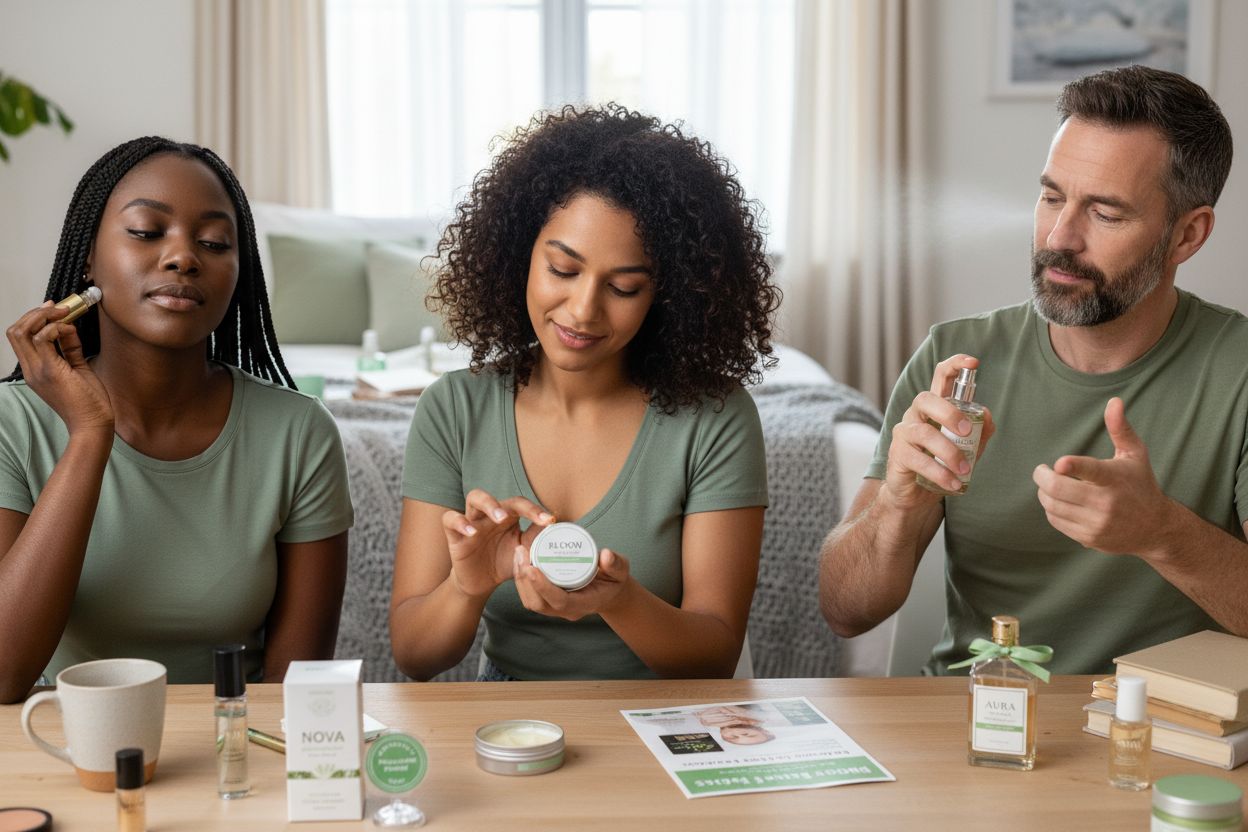 Budget hunters will appreciate that these formats often cost less than traditional spray perfumes while delivering comparable scent profiles and lasting power.
Legal And Safety Considerations In UK
Navigating the legal landscape of perfume purchases requires understanding the robust consumer protection frameworks established in the United Kingdom. According to the Cosmetic Products Enforcement Regulations 2013, manufacturers must ensure complete transparency regarding product compositions, protecting consumers from potential allergenic or harmful ingredients.
Key safety considerations for fragrance enthusiasts include:
- Ingredient Disclosure: Full chemical composition must be publicly accessible
- Allergen Reporting: Mandatory declaration of potential sensitizing compounds
- Product Labelling: Clear safety warnings and usage instructions
- Chemical Compliance: Adherence to EU Regulation standards
The EU Regulation 2017/542 provides additional protection by mandating strict protocols for hazardous mixture components. Bargain hunters should always verify product safety certifications, checking ingredient lists and understanding potential skin sensitivities before purchasing. This approach ensures not just economic savings, but also personal health and well-being when exploring diverse fragrance options.
Budget‑Friendly Alternatives And Dupes
Navigating the world of fragrances doesn’t mean breaking the bank, especially with the rise of high-quality perfume alternatives. Savvy fragrance enthusiasts can discover remarkable scent experiences without the premium price tag by exploring carefully crafted dupes and budget-friendly options that mirror expensive designer fragrances.
Key strategies for smart fragrance shopping include:
- Inspiration Matching: Finding similar scent profiles at lower price points
- Concentration Analysis: Comparing oil percentages and longevity
- Brand Alternative Research: Identifying reputable dupe manufacturers
- Sample Testing: Trying smaller quantities before full purchases
However, understanding the benefits of choosing dupes requires careful consideration. According to the Consumer Council, consumers must remain vigilant against counterfeit products. While budget alternatives offer tremendous value, it’s crucial to purchase from trustworthy sources that prioritize quality and safety, ensuring you receive an authentic fragrance experience without compromising on scent integrity or personal well-being.
Discover Affordable Luxury Perfumes Tailored for UK Bargain Hunters
Navigating the complex world of perfume concentrations and formulations can be overwhelming, especially when you want to find quality fragrances that last without overspending. This guide highlights common challenges like understanding oil concentration, longevity, and choosing alternatives such as perfume oils or solid perfumes to accommodate sensitive skin or budget constraints. We know the frustration of balancing scent performance with price, and ensuring safety by verifying ingredient transparency you deserve peace of mind when purchasing.
Take control of your fragrance journey today by exploring our carefully curated collection of perfumes and dupes that echo the essence of premium brands without the hefty price tag.
Visit Alexandria UK now to uncover your perfect scent match and enjoy expert guidance on selecting fragrances with the right concentration for your lifestyle. Don’t miss out on getting the best value for your money and indulge in long-lasting aromas designed for savvy shoppers who appreciate both quality and affordability. Start your smart fragrance adventure here at Alexandria UK and transform your scent experience with confidence.
Frequently Asked Questions
What are the different types of perfume concentrations available?
The types of perfume concentrations include Eau de Cologne (2-5% oils), Eau de Toilette (5-15% oils), Eau de Parfum (15-20% oils), and Extrait de Parfum (20-40% oils). Each type has varying levels of scent intensity and longevity.
How long do different perfume concentrations typically last?
Eau de Cologne lasts about 1-2 hours, Eau de Toilette lasts around 3-5 hours, Eau de Parfum can last 5-8 hours, and Extrait de Parfum provides longevity of over 8 hours.
Are non-alcohol perfume formats effective alternatives?
Yes, non-alcohol formats like Perfumed Skin Oils, Solid Perfumes, Roll-On Perfumes, and Balm Fragrances are effective alternatives for those with sensitive skin or seeking alcohol-free options, offering rich scent experiences without the potential irritation of alcohol.
How can I find budget-friendly fragrance alternatives?
To find budget-friendly alternatives, look for inspired matching scent profiles, compare oil concentrations for expected longevity, research reputable dupe manufacturers, and consider sampling smaller quantities before committing to full purchases.


