

Perfume Prices Explained: Complete 2025 UK Guide
Did you know that the scent ingredients in many high-end perfumes often make up less than 1% of their total cost? Most people assume the price of a fragrance reflects its quality, but the reality is far more layered. From lavish packaging to powerful marketing, perfume pricing is shaped by much more than the liquid inside the bottle. Understanding these hidden factors will help you shop smarter and find scents that match your style and budget.
Key Takeaways
| Point | Details |
|---|---|
| Complex Pricing | Perfume pricing is influenced by marketing, brand prestige, and ingredient sourcing, rather than just the cost of materials. |
| Understanding Concentration | The concentration of fragrance in a perfume type affects longevity and price, with options ranging from Eau de Cologne to Extrait de Parfum. |
| Branded Experience | Luxury perfumes rely heavily on branding and storytelling to create perceived value, making consumers pay for the experience rather than just the fragrance. |
| Smart Shopping Tips | To find quality fragrances on a budget, compare prices across retailers, look for sales, and consider affordable dupes that replicate designer scents. |
Table of Contents
- Defining Perfume Pricing And Common Myths
- Types Of Perfume And Price Differences
- Branding, Exclusivity And Sourcing Factors
- Ingredients, Production And Quality Impact
- Comparing Designer, Niche And Dupe Fragrances
- Tips For Finding Quality Perfumes On A Budget
Defining Perfume Pricing And Common Myths
Perfume pricing is far more complex than most consumers realize. Far from being simply about the liquid inside the bottle, fragrance pricing involves an intricate web of marketing, perception, and strategic positioning. According to insights on perfume pricing, the actual scent ingredients often represent less than 1% of a perfume’s total cost.
Consumers frequently misunderstand what determines a fragrance’s price point. Key factors include:
- Advertising and celebrity endorsement expenses
- Packaging design and materials
- Retailer markup
- Brand prestige and positioning
- Perceived exclusivity
Interestingly, luxury buyers are psychologically motivated by more than just product quality. Research suggests that for some consumers, a higher price actually increases desirability. This phenomenon means brands can leverage pricing as a strategic tool to create perceived value. When a perfume costs £200 versus £50, many buyers unconsciously associate the higher price with superior quality, even when ingredient costs remain minimal.
Buyers seeking great value in discounted perfume should understand that a lower price doesn’t automatically mean inferior quality. Smart shoppers look beyond marketing hype, examining actual fragrance composition, longevity, and personal preference rather than being swayed solely by brand names or price tags.
Types Of Perfume And Price Differences
Perfume concentration dramatically influences pricing, creating a complex landscape of fragrance options. Perfume types range from the most diluted Eau de Cologne to the most concentrated Extrait de Parfum, with each variant offering different intensity, longevity, and price points. Understanding the nuanced differences between perfume concentrations helps consumers make informed purchasing decisions.
Here’s a comparison of the main perfume types and how their features differ:
| Perfume Type | Fragrance Concentration | Typical Price Range | Longevity |
|---|---|---|---|
| Eau de Cologne | 2-4% | Lowest | 1-2 hours |
| Eau de Toilette | 5-15% | Budget-friendly | 2-4 hours |
| Eau de Parfum | 15-20% | Mid-range | 4-8 hours |
| Extrait de Parfum | 20-40% | Premium | 8+ hours |
The primary perfume types and their typical price ranges include:
- Eau de Cologne (2-4% fragrance): Lowest price point, shortest longevity
- Eau de Toilette (5-15% fragrance): Budget-friendly, moderate staying power
- Eau de Parfum (15-20% fragrance): Mid-range pricing, longer-lasting
- Extrait de Parfum (20-40% fragrance): Premium pricing, most intense concentration
Interestingly, retail pricing can vary significantly even for identical fragrances. According to research on UK retail markets, the same 200 ml fragrance bottle can have substantial price differences across various retailer types, from online discount specialists to high-street retailers. This variance underscores the importance of smart shopping and comparing prices across different platforms.

Bargain hunters can leverage these price differences by understanding concentration types, comparing retailer prices, and seeking out more affordable alternatives that still deliver quality fragrance experiences.
Branding, Exclusivity And Sourcing Factors
Perfume branding goes far beyond simple product creation. Luxury fragrance marketing transforms mere scented liquid into a carefully crafted narrative of desire, status, and exclusivity. According to industry insights, brands invest heavily in creating an elaborate mystique that significantly elevates a perfume’s perceived value well beyond its actual production costs.
Key branding strategies that influence perfume pricing include:
- Celebrity endorsements and high-profile advertising campaigns
- Intricate, luxurious packaging design
- Limited edition and seasonal collections
- Exclusive distribution channels
- Storytelling that connects the fragrance to an aspirational lifestyle
The sourcing of ingredients plays a nuanced role in pricing. While rare or exotic ingredients can increase cost, budget-friendly perfumes can still offer remarkable quality. Brands strategically leverage several factors to create perceived value, often using techniques like:
- Creating scarcity through limited releases
- Developing unique bottle designs
- Positioning fragrances as collectible art pieces
- Targeting specific lifestyle or demographic segments
Ultimately, consumers are purchasing more than just a scent.
They’re buying into a carefully constructed brand experience that promises sophistication, individuality, and a touch of luxury – a psychological marketing triumph that transforms a simple fragrance into a coveted lifestyle statement.
Ingredients, Production And Quality Impact
Perfume ingredients represent the heart of fragrance quality, with production costs and material selection playing a crucial role in determining a scent’s final price point. High-end perfumery involves intricate processes that go far beyond simple mixing of aromatic compounds. According to detailed industry research, the complexity of ingredient sourcing and extraction significantly influences a fragrance’s value.
Key factors affecting perfume production and quality include:
- Sourcing rare natural ingredients like oud and iris
- Labour-intensive traditional extraction methods
- Compliance with UK and IFRA regulatory testing
- Premium packaging component selection
- Sophisticated blending techniques
Niche perfume houses often invest extraordinary resources in ingredient selection. Exploring affordable perfume alternatives reveals that while premium ingredients can dramatically increase cost, skillful perfumers can create remarkable scents at various price points. Contemporary market pressures like inflation and global supply chain challenges have further complicated ingredient procurement, driving up production expenses.
Ultimately, a perfume’s true value lies not just in its raw materials, but in the artistry of composition. Consumers seeking quality fragrances should look beyond price tags and examine the nuanced craftsmanship that transforms individual ingredients into a harmonious, memorable olfactory experience.
Comparing Designer, Niche And Dupe Fragrances
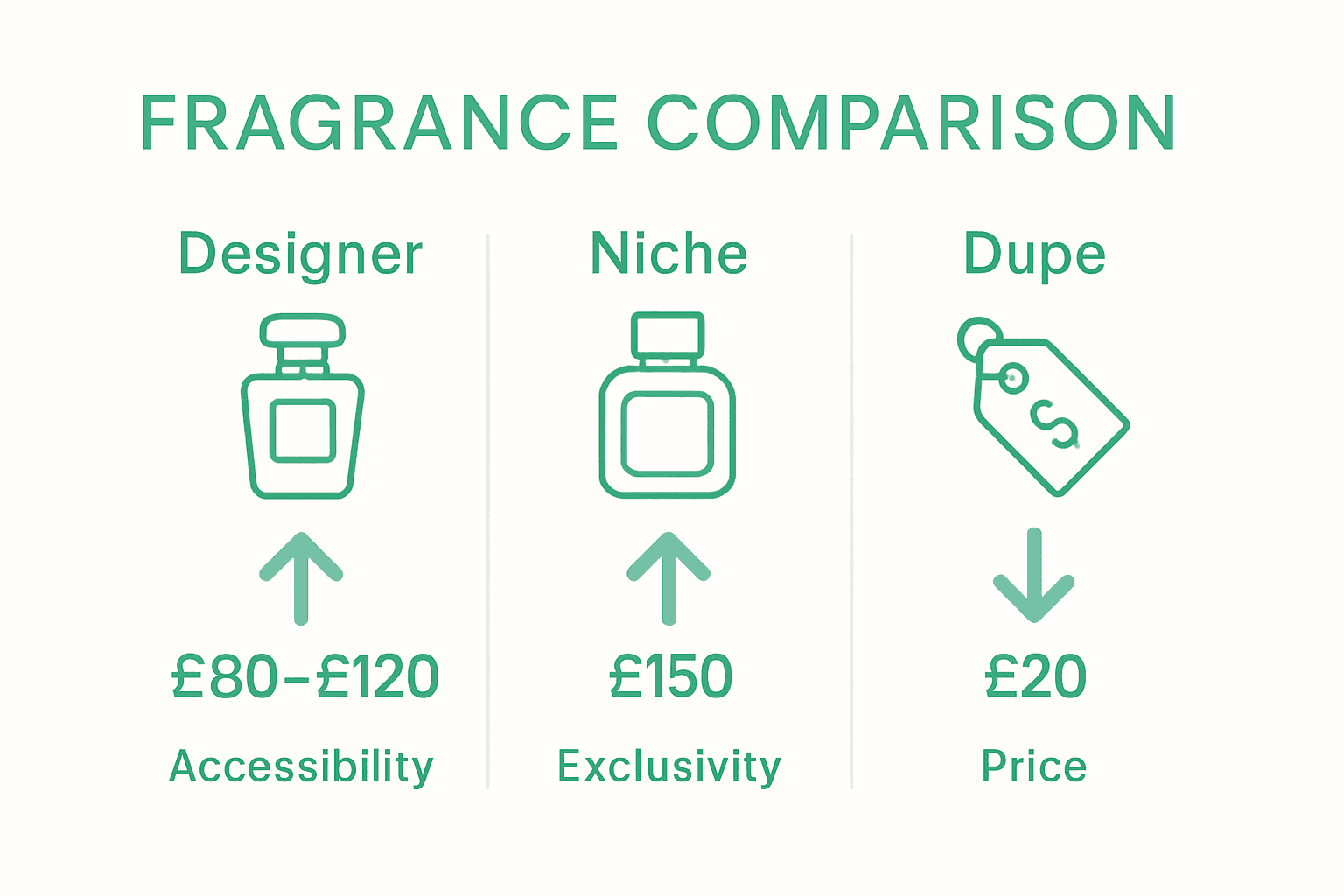
Fragrance markets represent a fascinating spectrum of pricing and quality, ranging from mass-produced designer scents to exclusive niche perfumes and budget-friendly dupes. Each category offers unique value propositions that cater to different consumer preferences and economic realities. The fragrance world is no longer just about luxury brands, but about accessibility and intelligent consumer choices.
Key characteristics of each fragrance category include:
- Designer Fragrances: Mass-produced, widely marketed, moderate pricing
- Niche Fragrances: Artisanal, rare ingredients, limited production, premium pricing
- Dupe Fragrances: Affordable replicas, similar scent profiles, budget-friendly options
Exploring the nuanced world of designer versus dupe fragrances reveals fascinating market dynamics. In the UK, retailers like Tesco have revolutionized fragrance accessibility by offering £7-£8 dupes that closely resemble designer perfumes typically retailing for hundreds of pounds. This demonstrates how sophisticated manufacturing and consumer demand can create high-quality, budget-friendly alternatives.
Ultimately, the fragrance market celebrates diversity. Whether you’re seeking the artistry of a niche perfume, the reliability of a designer brand, or the smart economics of a well-crafted dupe, there’s a scent journey for every budget and preference.
Tips For Finding Quality Perfumes On A Budget
Budget-conscious fragrance shopping requires strategic planning and insider knowledge. Savvy perfume enthusiasts can discover exceptional scents without breaking the bank by understanding market dynamics and leveraging smart purchasing techniques. The key is knowing where to look and when to make your move.
Top strategies for finding quality perfumes at lower prices include:
- Compare prices across multiple online and offline retailers
- Watch for seasonal sales events like Black Friday and January clearances
- Consider purchasing smaller bottle sizes or travel editions
- Explore reputable dupe fragrances that mimic designer scents
- Sign up for loyalty programmes and email newsletters for exclusive discounts
Hunting for the best perfume deals requires a strategic approach. Research shows UK shoppers can save between 30-50% by shopping with discount online retailers compared to high street stores. These savings can be substantial, especially when timing purchases during major sale periods or using price comparison tools.
Ultimately, finding an affordable fragrance isn’t about compromising quality, but about being an informed, patient consumer. With careful research and a willingness to explore alternative purchasing channels, you can build an impressive perfume collection without emptying your wallet.
Discover Exceptional Perfume Without the Designer Price
Frustrated by confusing perfume pricing or tired of paying high-end prices for a bottle driven by marketing rather than actual fragrance quality? As highlighted in this guide, many UK shoppers feel trapped by luxury brand markups and want real value without sacrificing scent or longevity. With the rise of dupe fragrances and intensified interest in quality over branding, there is now a smarter way to shop for scent.
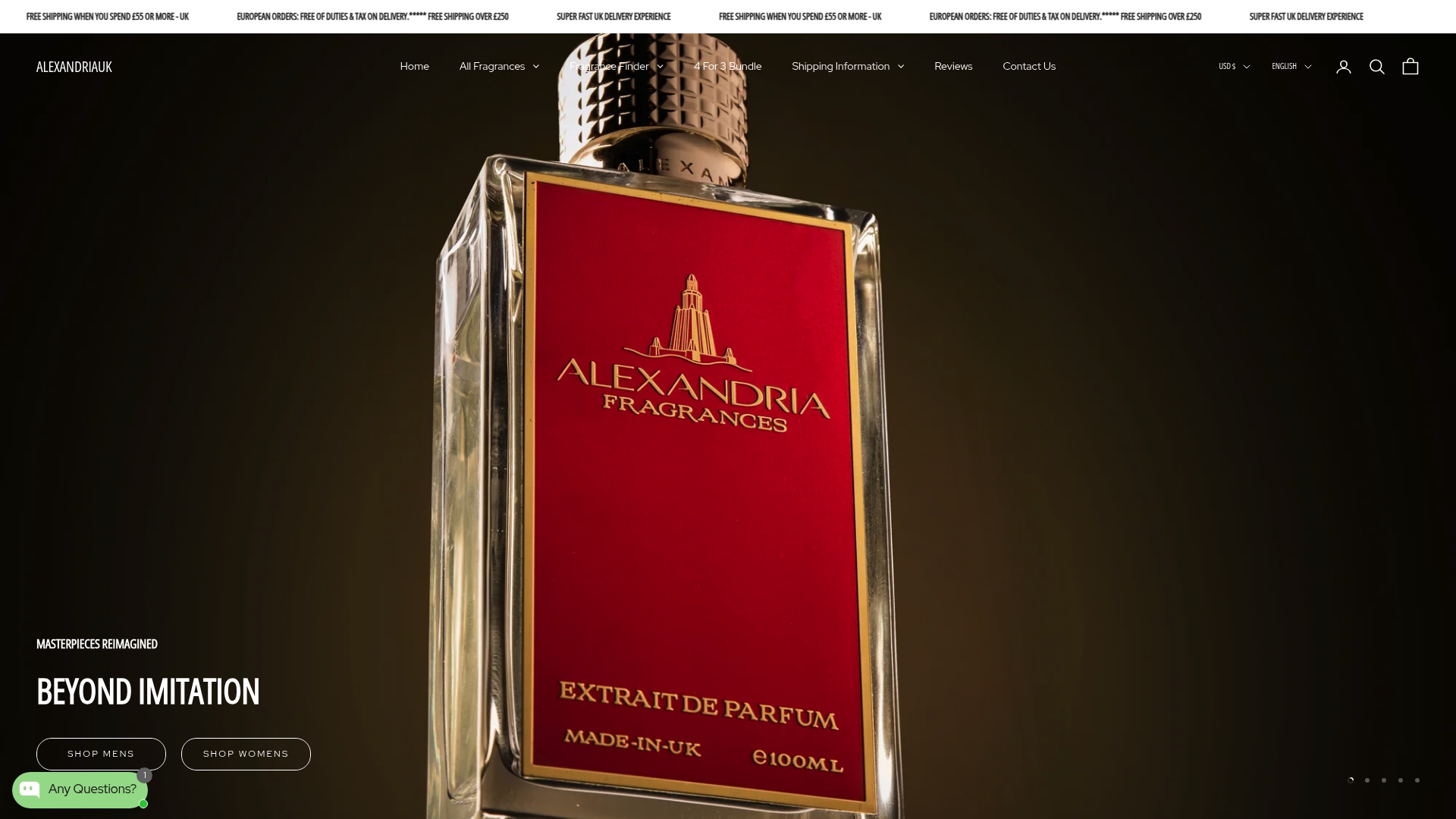
Ready to experience premium-inspired fragrances that fit your budget and deliver lasting quality? Explore the exclusive collection of inspired and dupe perfumes at Alexandria UK. Each scent is designed to rival luxury brands in both artistry and wear. For guidance on choosing a scent or insider advice on affordable finds, visit our blog on affordable perfumes. Do not wait, as prices and availability can change quickly. Treat yourself to genuine value and elevate your fragrance collection today.
Frequently Asked Questions
What factors influence perfume pricing?
Perfume pricing is influenced by factors such as marketing and advertising costs, brand prestige, packaging design, ingredient sourcing, and perceived exclusivity.
How do perfume concentrations affect pricing and longevity?
Perfume concentrations, ranging from Eau de Cologne to Extrait de Parfum, affect both pricing and longevity. Higher concentrations typically offer longer-lasting scents at a higher price point.
Are expensive perfumes worth the price?
While expensive perfumes often carry a higher perceived value due to branding and marketing, savvy shoppers should evaluate scent composition and longevity rather than relying solely on price.
Can I find quality perfumes on a budget?
Yes, quality perfumes can be found on a budget by comparing prices, seeking out dupe fragrances, and taking advantage of seasonal sales or smaller bottle sizes.


