
Unique Fragrance Types: Expanding Scent Horizons
More than 60 percent of British fragrance enthusiasts now look beyond the mainstream for unique scent experiences that stand out. In a market where original perfumes can demand luxury prices, the quest for high-quality alternatives with creative blends has never felt more exciting or important. Discover how modern perfume dupes bring unexpected diversity and originality to the British fragrance scene while letting you express your individuality without compromise.
Table of Contents
- Unique Fragrance Types Defined and Debunked
- Distinct Scent Families and Variations Explained
- How Perfume Dupes Capture Scent Diversity
- Key Quality Markers in Fragrance Selection
- Legal and Safety Standards for UK Perfumes
Key Takeaways
| Point | Details |
|---|---|
| Fragrance Families | Traditional scent families include Floral, Oriental, Woody, Fresh, Fougère, and Chypre, each with unique olfactory characteristics. Modern perfumers often create hybrid fragrances that blur these classical categories. |
| Quality Assessment | The quality of fine fragrances is evaluated through their notes (top, middle, base), which determine how a scent evolves on the skin. Advanced analytical methods ensure the purity and stability of ingredients in fragrance formulations. |
| Duplication Techniques | Modern perfume dupes leverages extensive knowledge of fragrance components to recreate high-end scents, considering how individual body chemistry alters their scent profiles. A careful approach ensures these alternatives evoke similar emotional responses. |
| Safety Standards | UK perfumes must adhere to strict international safety guidelines that encompass all aspects of production. Consumers should review ingredient lists for potential allergens to ensure product safety. |
Unique Fragrance Types Defined and Debunked
Fragrances represent far more than simple scented liquids; they are complex sensory experiences crafted through intricate combinations of natural and synthetic ingredients. Understanding the nuanced world of perfume types reveals the sophisticated art and science behind modern perfumery.
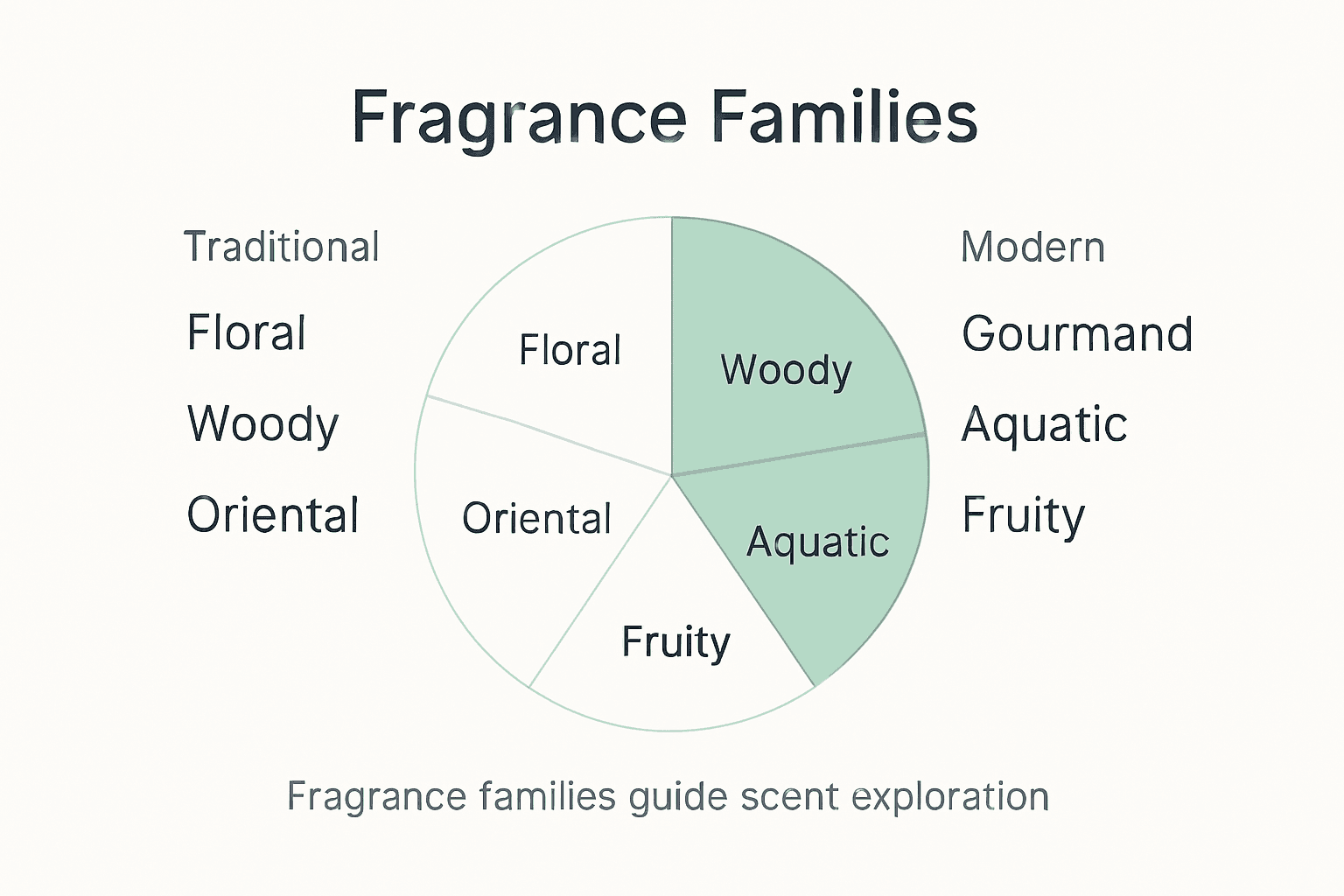
Traditionally, fragrances have been classified into several fundamental categories, each representing distinct olfactory characteristics. Fragrance families include classic groups like floral, oriental, woody, and fresh, but contemporary perfumery has expanded these boundaries dramatically. Modern perfumers now experiment with innovative combinations that challenge traditional classification systems, creating hybrid scent profiles that defy conventional categorisation.
The evolution of fragrance types reflects broader cultural and technological shifts. Where historical perfumery relied exclusively on natural botanical extracts, contemporary approaches integrate advanced synthetic molecules that can replicate and enhance olfactory experiences. This technological progression allows perfumers to create unique scent profiles with unprecedented complexity, transcending limitations of traditional ingredient sourcing.
Pro tip: When exploring unique fragrance types, always sample scents on your skin rather than solely relying on initial bottle impressions, as individual body chemistry dramatically transforms how a perfume develops and performs.
Distinct Scent Families and Variations Explained
Perfumery is a nuanced art form where fragrance families interconnect through complex olfactory relationships, creating a dynamic landscape of sensory experiences. The classic fragrance wheel demonstrates how different scent categories blend and diverge, offering enthusiasts a sophisticated map of aromatic possibilities.
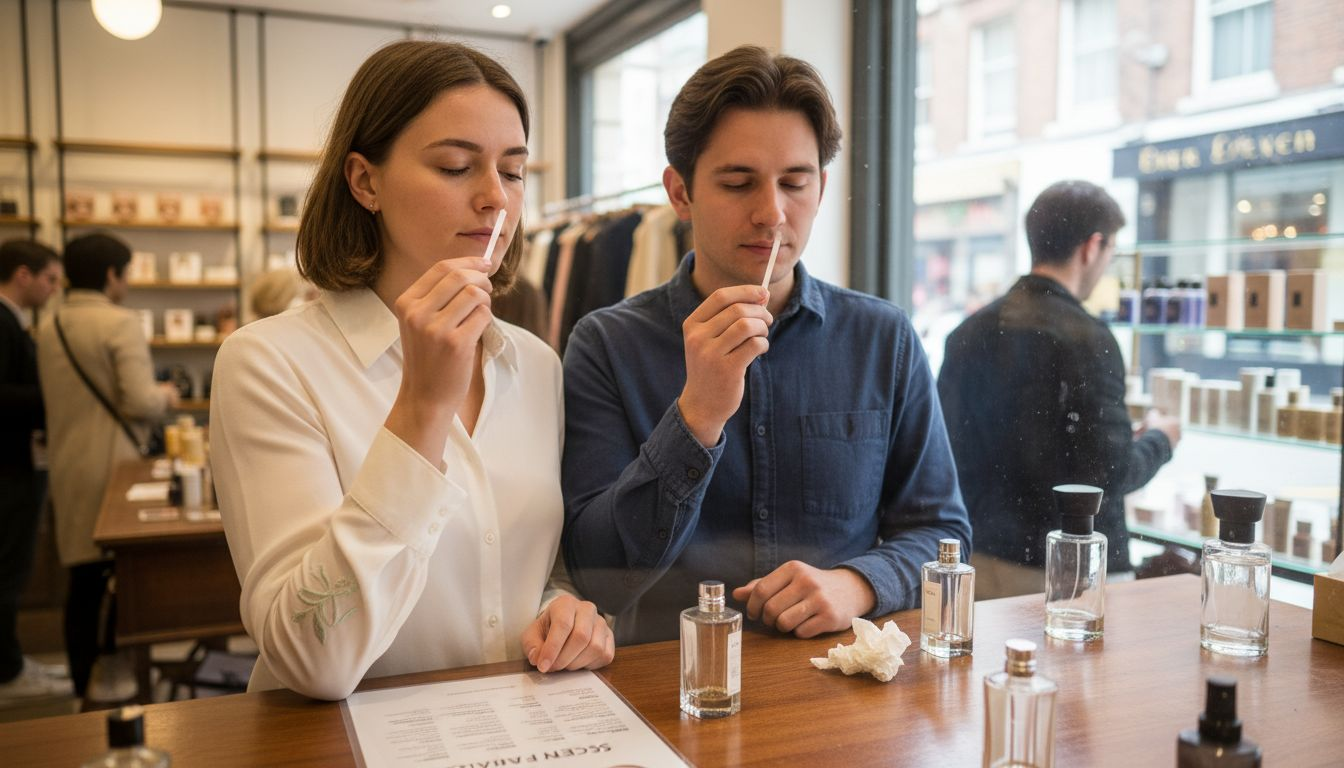
Traditional scent families include several fundamental classifications that serve as foundational building blocks for perfume creation. These primary categories comprise Floral (featuring rose, jasmine, and lily notes), Oriental (characterised by warm, spicy essences), Woody (centring on cedar, sandalwood, and pine), Fresh (capturing citrus and marine elements), and specialised variations like Fougère and Chypre. Each family represents a unique sensorial profile, with subtle variations that distinguish one fragrance from another.
Modern perfumery has dramatically expanded these traditional boundaries, creating hybrid and innovative scent profiles that challenge conventional categorisation. Contemporary perfumers now blend unexpected elements, generating complex fragrances that transcend classical family definitions. This approach allows for unprecedented creativity, where a single perfume might simultaneously evoke multiple sensory experiences, blurring the lines between established fragrance classifications.
The following table summarises the main scent families and their signature qualities for easy comparison:
| Scent Family | Typical Notes | Sensory Impact |
|---|---|---|
| Floral | Rose, jasmine, lily | Soft, romantic, classic |
| Oriental | Vanilla, spice, amber | Warm, exotic, rich |
| Woody | Cedar, sandalwood, pine | Earthy, robust, dry |
| Fresh | Citrus, marine, green | Bright, clean, invigorating |
| Fougère | Lavender, oakmoss, coumarin | Aromatic, herbal, balanced |
| Chypre | Bergamot, oakmoss, patchouli | Mossy, elegant, complex |
Pro tip: When exploring fragrance families, smell multiple variations within the same category to understand the nuanced differences and develop a more sophisticated sensory appreciation.
How Perfume Dupes Capture Scent Diversity
Perfume duplication represents a sophisticated art of olfactory recreation, where intricate chemical interactions transform scent profiles. Understanding how these alternative fragrances capture the essence of original perfumes requires deep insight into the complex world of molecular interactions and sensory perception.
The scientific approach to fragrance duplication leverages the fragrance wheel as a fundamental mapping tool. Perfume creators use systematic classification methods to analyse and reconstruct scent characteristics, allowing them to develop alternatives that closely mirror the olfactory experience of premium designer fragrances. This methodical process involves breaking down original perfumes into their fundamental aromatic components, then reconstructing similar molecular structures that evoke comparable sensory responses.
Modern dupe creation transcends mere imitation, representing a nuanced art of sensory interpretation. Perfumers must consider multiple factors beyond simple chemical composition, including how individual body chemistry interacts with fragrance molecules. This means successful dupes are not just about matching molecular structures, but understanding the subtle dance between scent, skin, and personal biochemistry. By carefully selecting and blending alternative ingredients, dupe creators can craft fragrances that capture the spirit and emotional resonance of high-end perfumes while offering more accessible alternatives.
Pro tip: When exploring perfume dupes, apply the fragrance to your skin and allow it to develop over several hours to truly appreciate its unique olfactory characteristics.
Key Quality Markers in Fragrance Selection
Fine fragrances are distinguished by complex scientific evaluation methods that assess multiple quality parameters. These sophisticated techniques go far beyond simple sensory assessment, involving rigorous analytical approaches that examine every aspect of a fragrance’s composition and performance.
One fundamental framework for understanding fragrance quality revolves around perfume notes, which provide a sophisticated method of analysing scent complexity. The hierarchical structure of top, middle, and base notes) creates a temporal narrative of how a fragrance evolves on the skin, revealing the perfumer’s artistry and ingredient quality. Each note represents a different molecular weight and volatility, contributing to the overall olfactory experience and indicating the sophistication of the fragrance’s formulation.
For a clearer understanding, here’s how the perfume note structure shapes your experience over time:
| Note Type | Duration on Skin | Main Purpose |
|---|---|---|
| Top Note | 15–30 minutes | First impression, freshness |
| Heart Note | 1–3 hours | Core character, harmony |
| Base Note | 4+ hours | Longevity, depth, warmth |
Quality markers encompass multiple critical dimensions beyond simple sensory perception. Professional perfumers and researchers evaluate fragrances using advanced techniques such as gas chromatography, assessing raw material purity, molecular stability, ingredient interactions, and consistency. These scientific approaches allow for precise understanding of a fragrance’s structural integrity, ensuring that what reaches consumers represents the pinnacle of olfactory craftsmanship. The most exceptional fragrances demonstrate remarkable balance between scientific precision and artistic expression, creating scents that are both technically flawless and emotionally compelling.
Pro tip: Test a fragrance’s quality by observing its performance across different hours, noting how the scent transforms and maintains its character over time.
Legal and Safety Standards for UK Perfumes
International fragrance safety guidelines represent a comprehensive framework that protects consumer health while ensuring product quality and transparency. These meticulously developed standards govern every aspect of perfume production, from ingredient selection to final formulation, creating a robust regulatory environment for the United Kingdom’s fragrance industry.
The regulatory landscape for UK perfumes involves multiple layers of oversight, with organisations like the UK Flavour Association playing a pivotal role in maintaining rigorous safety protocols. Technical and regulatory support mechanisms ensure that manufacturers comply with stringent UK and European legal requirements, addressing critical concerns such as allergen labelling, ingredient transparency, and potential health risks associated with fragrance components.
Complex scientific assessment underpins these safety standards, involving advanced testing methodologies that examine molecular interactions, potential allergenicity, and long-term health implications. Professional bodies continuously update their guidelines, reflecting emerging research and technological advancements. This dynamic approach means that safety standards are not static but evolve in response to new scientific understanding, ensuring that consumers receive products that meet the highest possible safety and quality benchmarks.
Pro tip: Always review the ingredient list and check for potential allergen declarations when selecting a new fragrance, as this provides crucial insights into the product’s safety and composition.
Discover Your Signature Scent with Quality Dupes and Unique Fragrances
The article highlights how exploring unique fragrance types can be both exciting and challenging as traditional scent families blend into innovative hybrids. If you find yourself struggling to find high-quality perfumes that capture these complex and nuanced scent profiles at a reasonable price, you are not alone. Many perfume lovers seek affordable alternatives without compromising on the luxurious notes and long-lasting quality described in the piece such as top, heart, and base notes that evolve beautifully on your skin.
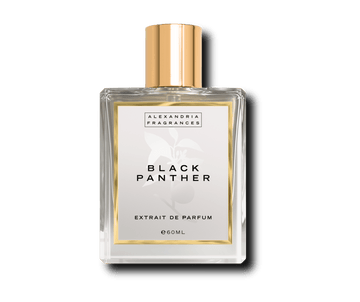
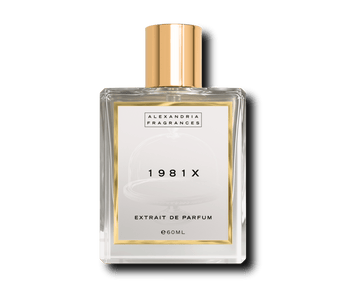
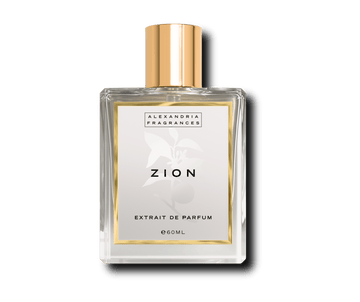
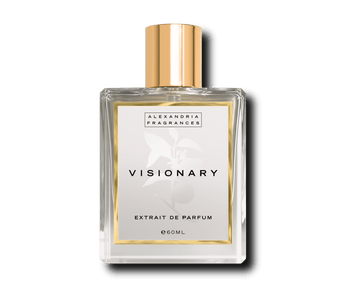
At Alexandria UK, we understand the importance of both quality and diversity in fragrance selection. Our carefully curated collection features premium-inspired fragrances and expertly crafted dupes that mirror the rich sensory experiences discussed in the article. Whether you are drawn to warm oriental tones or fresh citrus bursts you can explore a world of scent diversity with confidence.
Ready to expand your scent horizons and enjoy exquisite perfumes that perform over time?
Explore our collection now and find your perfect fragrance match.
Shop high-quality dupes and original blends that deliver elegance without compromising your budget.
Experience unique fragrance types explained through our expertly selected offerings designed to delight your senses.
Embrace the artistry of perfumery and act today to enhance your personal fragrance journey with Alexandria UK. Discover scents that truly resonate with your style and skin chemistry now.
Frequently Asked Questions
What are the main fragrance families?
The main fragrance families include Floral, Oriental, Woody, Fresh, Fougère, and Chypre. Each family has distinct olfactory characteristics, with Floral featuring notes like rose and jasmine, while Woody contains elements like cedar and sandalwood.
How do I choose a fragrance that works with my body chemistry?
To find a fragrance that complements your body chemistry, always test it on your skin instead of just smelling it from the bottle. Allow the perfume to develop over time, as individual skin chemistry can significantly alter the scent’s characteristics.
What differentiates a perfume dupe from the original fragrance?
A perfume dupe captures the essence of an original fragrance by reconstructing similar aromatic components. Dupe creators blend alternative ingredients to evoke feelings and experiences akin to premium perfumes while offering more accessible options.
How can I assess the quality of a fragrance?
To assess the quality of a fragrance, observe its performance over time, noting how the scent evolves across top, middle, and base notes. Additionally, consider the fragrance’s balance and complexity, as high-quality perfumes showcase meticulous artistry and ingredient integrity.