
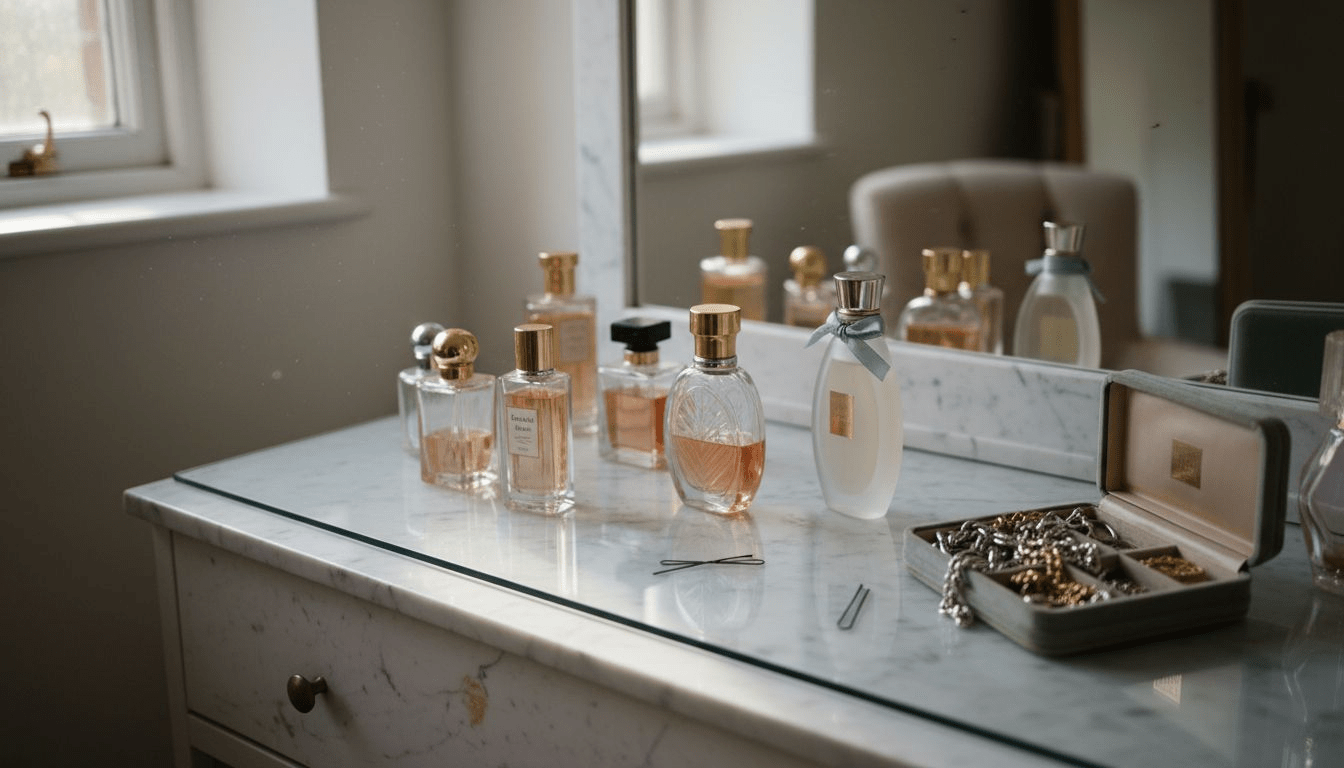
Types of Perfume Bottles: Enhancing Scent Collections
Every british perfume enthusiast knows how much bottle design can transform a simple scent into a work of art. With over 60 percent of fragrance lovers admitting they buy perfumes for the bottle as much as the aroma, finding affordable and quality perfume bottles matters more than ever. Whether you are curating a personal display or seeking practical storage, this guide highlights how the right bottle can elevate your collection without breaking the bank.
Table of Contents
- Understanding Perfume Bottles And Their Purpose
- Popular Bottle Types And Materials Explained
- Spray, Rollerball, And Splash Mechanisms Compared
- Display, Storage, And Refill Options For Collectors
- Common Mistakes In Selecting Perfume Bottles
Key Takeaways
| Point | Details |
|---|---|
| Functionality of Bottles | Perfume bottles protect fragrances and contribute to a brand’s aesthetic narrative, influencing consumer purchase decisions. |
| Material Importance | Glass remains the preferred material for longevity and aesthetics, while alternative materials like plastics and metals are gaining traction for their practical applications. |
| Application Mechanisms | Different application methods—spray, rollerball, and splash—offer varied experiences, catering to individual preferences and lifestyles. |
| Collector Considerations | Proper display, storage, and awareness of refill options are essential for preserving perfumes and showcasing collections effectively. |
Understanding Perfume Bottles and Their Purpose
Perfume bottles represent far more than mere storage containers; they are intricate artistic expressions that communicate brand identity, evoke emotions, and enhance the overall sensory experience of fragrance. Perfume packaging design serves a sophisticated dual purpose of protection and visual storytelling.
At their core, perfume bottles function as protective vessels that shield delicate fragrances from environmental degradation. Precision engineering ensures that these containers prevent light, oxygen, and temperature fluctuations from compromising the scent’s molecular structure. The materials selected - whether crystal, glass, or specialised polymers - are meticulously chosen to maintain fragrance integrity while presenting an aesthetically compelling narrative.
Beyond functionality, perfume bottles are potent marketing tools that communicate luxury, sophistication, and brand positioning. The bottle’s shape, weight, texture, and design language communicate volumes about the fragrance’s character before the first spray. A minimalist, geometric bottle might suggest modern urbanism, while an ornate, curved design could signal romantic complexity. Consumers often make purchasing decisions based on these visual and tactile cues, making the bottle an essential component of the fragrance’s overall appeal.
Pro tip: When selecting a perfume, examine the bottle design as a reflection of the fragrance’s intended emotional experience and brand philosophy.
Popular Bottle Types and Materials Explained
Perfume bottles are crafted from diverse materials, each offering unique characteristics that influence the fragrance’s preservation, aesthetics, and overall sensory experience. Glass bottle materials remain the gold standard in perfumery, prized for their chemical stability and elegant presentation.
Glass dominates the perfume bottle landscape, with several variants providing distinct advantages. Borosilicate glass offers exceptional heat resistance and durability, while soda-lime glass provides cost-effectiveness and versatility. These glass types can be moulded into various shapes, enabling designers to create intricate bottle silhouettes that reflect brand identity. Transparent glass allows consumers to appreciate the perfume’s colour, while coloured or frosted variants can add mystery and sophistication to the packaging.
Beyond glass, alternative materials are gaining prominence in perfume packaging. Plastics like PET, HDPE, and PVC offer lightweight and shatter-resistant options, particularly appealing for travel-sized fragrances. Metals such as aluminium and stainless steel are also emerging, providing robust protection and a contemporary aesthetic. These materials are increasingly selected with sustainability in mind, reflecting growing consumer preferences for environmentally conscious packaging solutions.
Consumers can find perfume bottles in an array of captivating designs: classic rectangular shapes, curved Art Deco-inspired forms, minimalist geometric containers, and even sculptural artistic interpretations. Each design communicates a unique narrative about the fragrance’s character, from understated elegance to bold, avant-garde expression.
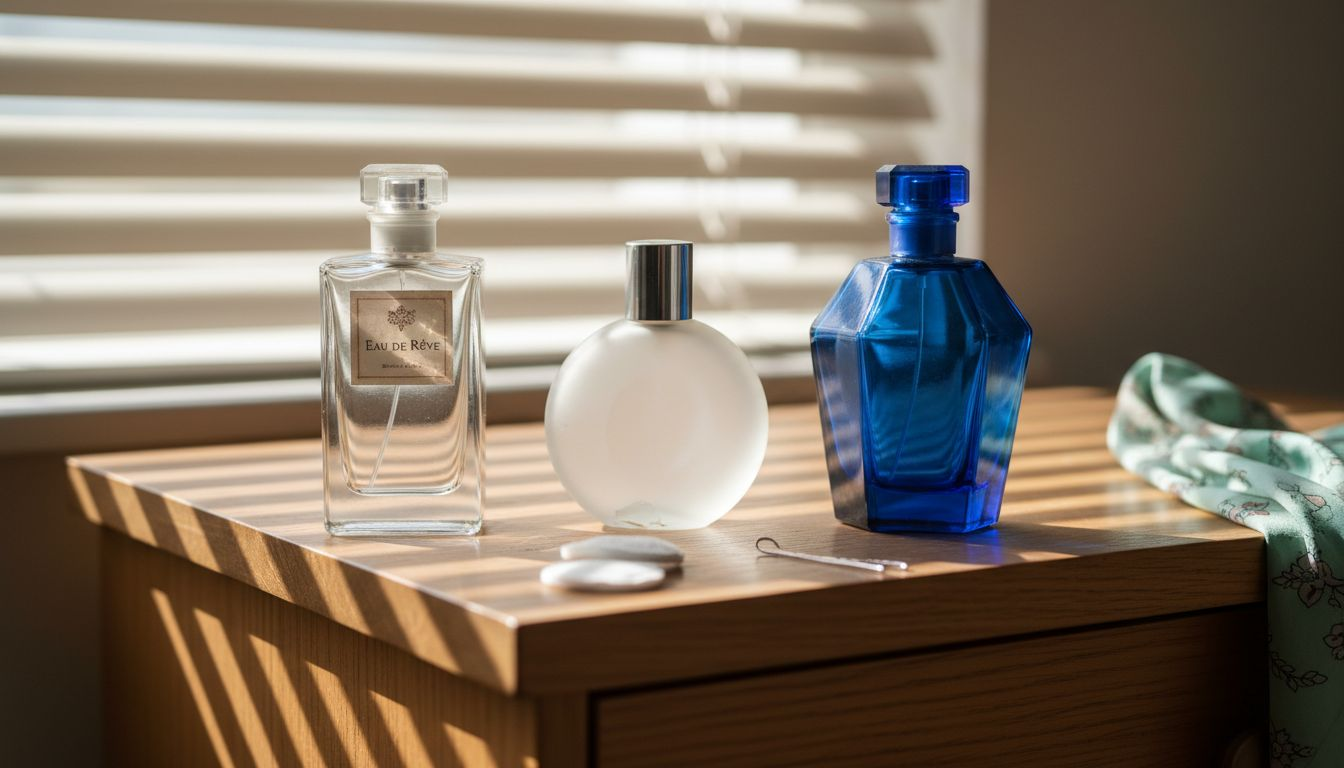
Pro tip: When selecting a perfume bottle, consider how the material and design reflect both the fragrance’s personality and your personal aesthetic preferences.
Here is a comparison of popular perfume bottle materials and their distinguishing characteristics:
| Material | Key Benefit | Common Use Case |
|---|---|---|
| Glass | Excellent scent preservation | Classic luxury fragrances |
| Crystal | Enhanced aesthetics | High-end collector’s bottles |
| PET Plastic | Lightweight, shatter-resistant | Travel-sized perfumes |
| Aluminium | Robust, modern look | Contemporary packaging |
| Frosted Glass | UV protection, stylish | Niche or limited editions |
Spray, Rollerball, and Splash Mechanisms Compared
Perfume application mechanisms are far more nuanced than most consumers realise, with each delivery method offering distinct advantages and sensory experiences. Perfume spray pumps represent the most common and versatile application technique, dispersing fragrance as a fine, evenly distributed mist across the skin.
Spray mechanisms excel in providing broad, immediate scent coverage. The atomiser technology breaks the liquid into microscopic droplets, ensuring an even and comprehensive application that allows the fragrance to develop naturally across the body. This method is particularly effective for eau de toilette and eau de parfum concentrations, where projection and sillage are critical. Professional perfumers often recommend spray application for fragrances with complex top, middle, and base notes that require subtle, layered diffusion.
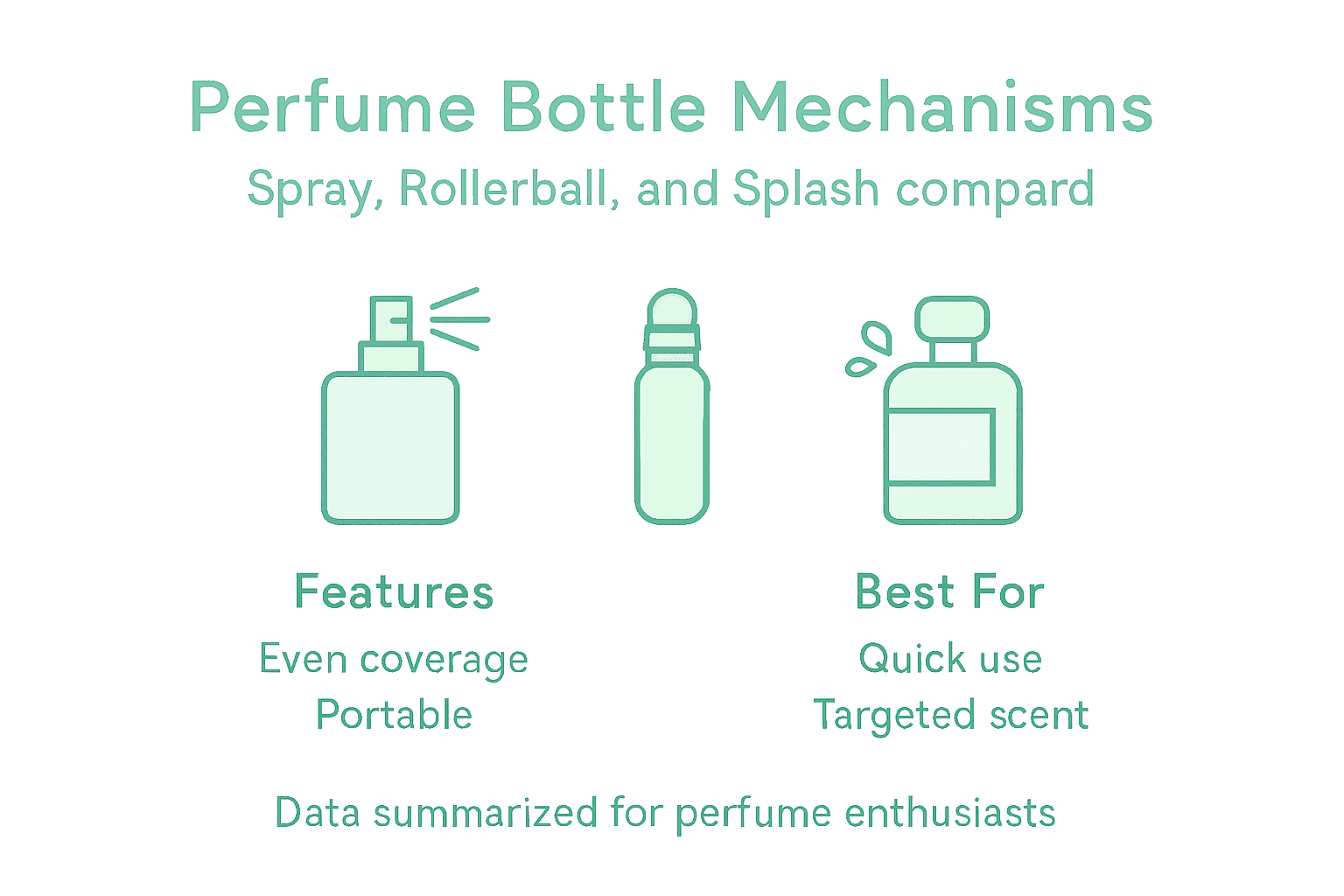
Roll-on perfume applicators offer a more precise and controlled alternative, particularly appealing for individuals seeking targeted fragrance placement. These mechanisms deposit fragrance oil directly onto the skin, reducing waste and allowing for more intimate, personal application. Rollerballs are especially convenient for travel, providing compact packaging and eliminating the risk of accidental spillage associated with traditional spray bottles. They work exceptionally well with oil-based fragrances and provide a more concentrated, intimate scent experience.
Splash mechanisms, though less common in contemporary perfumery, represent a classic application method. These traditional bottles require manual pouring or dabbing of fragrance, offering a more deliberate and ritualistic approach to scent application. While less efficient than spray or rollerball methods, splash bottles often appeal to fragrance collectors and enthusiasts who appreciate the nostalgic, ceremonial aspect of perfume application.
Pro tip: Select your perfume application mechanism based on your lifestyle, preferred scent intensity, and personal comfort with different dispensing techniques.
Below is a summary of perfume application mechanisms and the typical experience they offer:
| Mechanism | Application Style | Best For |
|---|---|---|
| Spray | Diffuse, even coverage | Daily wear, complex fragrances |
| Rollerball | Targeted, personal | Travel, oil-based perfumes |
| Splash | Ritual, manual | Collectors, ceremonial use |
Display, Storage, and Refill Options for Collectors
Perfume collectors understand that proper display and storage are as crucial to their passion as the fragrances themselves. Perfume display techniques transform simple storage into an artistic expression, turning collections into visual narratives that celebrate individual style and olfactory appreciation.
For serious enthusiasts, display strategies go far beyond mere organisation. Tiered trays, mirrored platforms, and custom acrylic organisers offer sophisticated presentation options that protect delicate bottles while showcasing their unique design aesthetics. Collectors might arrange bottles by colour gradient, creating a visually stunning spectrum that highlights the nuanced beauty of their collection. Rotating display stands and wall-mounted shelves provide dynamic alternatives, allowing collectors to curate their perfume collections like miniature art installations.
Storage considerations extend beyond visual appeal, encompassing critical preservation techniques. Temperature-controlled environments are paramount, with ideal storage conditions ranging between 16-22 degrees Celsius. Direct sunlight and humidity fluctuations can degrade fragrance molecules, diminishing a perfume’s complex aromatic profile. Glass cabinets with UV-protective glass offer an elegant solution, shielding precious bottles from environmental degradation while maintaining their pristine presentation. Collectors should also consider vertical storage to prevent potential leakage and preserve the integrity of intricate bottle designs.
Modern sustainability trends have introduced innovative refill mechanisms that appeal to environmentally conscious collectors. Some premium brands now offer refillable bottles designed with interchangeable cartridges, allowing enthusiasts to replenish their favourite scents without discarding the original packaging. These systems not only reduce waste but also provide an opportunity to maintain cherished bottle designs while exploring new fragrance variations.
Pro tip: Invest in display solutions that protect your perfumes from light and temperature fluctuations while reflecting your personal aesthetic sensibilities.
Common Mistakes in Selecting Perfume Bottles
Navigating the world of perfume bottle selection requires more nuance than most consumers realise. Fragrance bottle selection mistakes can significantly compromise both the aesthetic and functional qualities of a perfume collection, leading to disappointment and wasted investment.
One of the most critical errors consumers make is blindly following design trends without considering the fundamental compatibility between bottle design and fragrance composition. Some collectors become enamoured with visually striking bottles that ultimately compromise the perfume’s integrity. Material selection plays a pivotal role in preserving fragrance quality. Glass bottles with poor sealing mechanisms or inappropriate chemical interactions can degrade the scent molecules, reducing the perfume’s longevity and aromatic complexity.
Perfume bottle authenticity represents another crucial consideration often overlooked by novice collectors. Counterfeit or substandard bottles may appear aesthetically pleasing but can introduce significant risks. Poor manufacturing standards might result in leakage, contamination, or inconsistent spray mechanisms that diminish the overall fragrance experience. Discerning collectors should prioritise bottles from reputable manufacturers that demonstrate meticulous attention to design, functionality, and preservation techniques.
Practical considerations extend beyond mere visual appeal. Bottle size mismatches, inappropriate storage environments, and neglecting spray mechanism quality can all undermine a perfume’s performance. Collectors should evaluate bottles holistically, considering factors such as UV protection, seal integrity, portability, and compatibility with specific fragrance concentrations. A well-chosen bottle not only protects the precious liquid within but also becomes an integral part of the sensory narrative.
Pro tip: Always inspect a perfume bottle’s technical specifications and storage recommendations before making a purchase, treating it as an investment in olfactory excellence.
Elevate Your Perfume Collection with Quality Bottles and Scents
Choosing the right perfume bottle is not just about appearance but about preserving your favourite fragrances and expressing your unique style. The article emphasises how critical it is to select bottles that protect scent integrity while matching your aesthetic preferences and lifestyle needs. At AlexandriaUK, we understand these challenges and offer a carefully curated range of perfumes inspired by quality fragrances and dupes that complement your collection perfectly.
Discover how our premium selection supports your passion for scent by focusing on excellent fragrance preservation and elegant presentation. Visit our website to explore options tailored to those who value both beauty and functionality in perfume bottles. Take your scent experience to the next level today and avoid common mistakes by choosing from our trusted collection at AlexandriaUK. Start enhancing your perfume journey now and give your fragrance collection the protection and sophistication it deserves.
Frequently Asked Questions
What are the different materials used for perfume bottles?
Perfume bottles are commonly made from materials like glass, crystal, plastics (such as PET and HDPE), and metals (like aluminium). Each material offers unique benefits in terms of aesthetics and fragrance preservation.
How do different bottle designs affect the fragrance experience?
The design of a perfume bottle can influence the perceived character of the fragrance. For instance, minimalist designs may convey a modern essence, while ornate bottles might suggest romantic complexity, thus impacting the user’s emotional response before even trying the scent.
What are the advantages of spray, rollerball, and splash mechanisms?
Spray mechanisms provide even coverage and are ideal for complex scents, while rollerball applicators allow for targeted application, convenient for travel. Splash mechanisms add a traditional, ritualistic feel but require manual application, making them less efficient for everyday use.
How should I store and display my perfume collection?
To preserve your perfumes, store them in a cool, dark place, ideally at a stable temperature between 16-22 degrees Celsius. UV-protective cabinets and tiered display systems can enhance both the aesthetic and longevity of your fragrance collection.


