Types Of Colognes: Everything You Need To Know
Did you know that Eau de Cologne contains just 2 to 5 percent aromatic compounds? For centuries, people have used different fragrance types to reflect mood, style, and even seasons. Understanding what sets a cologne apart helps you pick a scent that truly fits your personality. From one light spritz to hours of lingering aroma, your choice in fragrance says more than you might expect.
Key Takeaways
| Point | Details |
|---|---|
| Cologne Characteristics | Colognes typically contain 2-5% aromatic compounds, featuring a light and refreshing scent profile with predominantly citrus-based compositions. |
| Fragrance Concentration Spectrum | Fragrances are categorized by concentration levels, ranging from Eau Fraîche (1-3%) to Parfum (20-40%), each offering unique longevity and sensory experiences. |
| Longevity Expectations | The longevity of fragrances varies by concentration; for instance, Eau de Cologne lasts about 2 hours, whereas Parfum can last up to 12 hours. |
| Contextual Selection | Choosing the right fragrance involves considering the occasion and season, with lighter scents for daytime and richer fragrances suitable for evenings and formal events. |
Table of Contents
- What Defines A Cologne Type
- Fragrance Concentration Categories
- Characteristics And Longevity Differences
- Choosing Based On Purpose
What Defines A Cologne Type
A cologne is far more than just a fragrant liquid. It’s a carefully crafted sensory experience defined by its concentration of aromatic compounds, composition, and historical origins. According to research from the International Fragrance Association, colognes are technically classified by their aromatic compound percentage.
Traditionally, Eau de Cologne emerged from Cologne, Germany, representing a specific fragrance profile with distinctive characteristics:
- Typically contains 2–5% aromatic compounds
- Predominantly citrus-based composition
- Light and refreshing scent profile
- Blends citrus oils like lemon, orange, and bergamot
- Incorporates complementary notes such as lavender and neroli
Interestingly, the term isn’t legally regulated but represents an industry standard. Our Crystal Peak fragrance guide explores how modern perfumers interpret these traditional classifications, creating nuanced scent experiences that respect historical foundations while innovating contemporary interpretations.
What truly distinguishes a cologne is its delicate balance.
 Unlike heavier perfumes, colognes offer a subtle, ephemeral essence—perfect for those seeking a light, sophisticated fragrance that whispers rather than shouts. The magic lies in their carefully composed, low-concentration formulations that provide a gentle aromatic suggestion.
Fragrance Concentration CategoriesFragrance concentration is the heartbeat of every perfume, determining its intensity, longevity, and overall olfactory experience. These categories range from the lightest to the most potent, each offering a unique aromatic profile that caters to different preferences and occasions.
The Concentration Spectrum
Fragrance concentrations are typically divided into several key categories:
- Eau de Cologne (EDC): 2-5% aromatic compounds
- Eau de Toilette (EDT): 5-15% aromatic compounds
- Eau de Parfum (EDP): 15-20% aromatic compounds
- Parfum/Extrait de Parfum: 20-40% aromatic compounds
Each category represents a progressively more intense sensory journey.
Highlands fragrance collection brilliantly demonstrates how these different concentrations can dramatically transform a scent’s character and wearing experience.
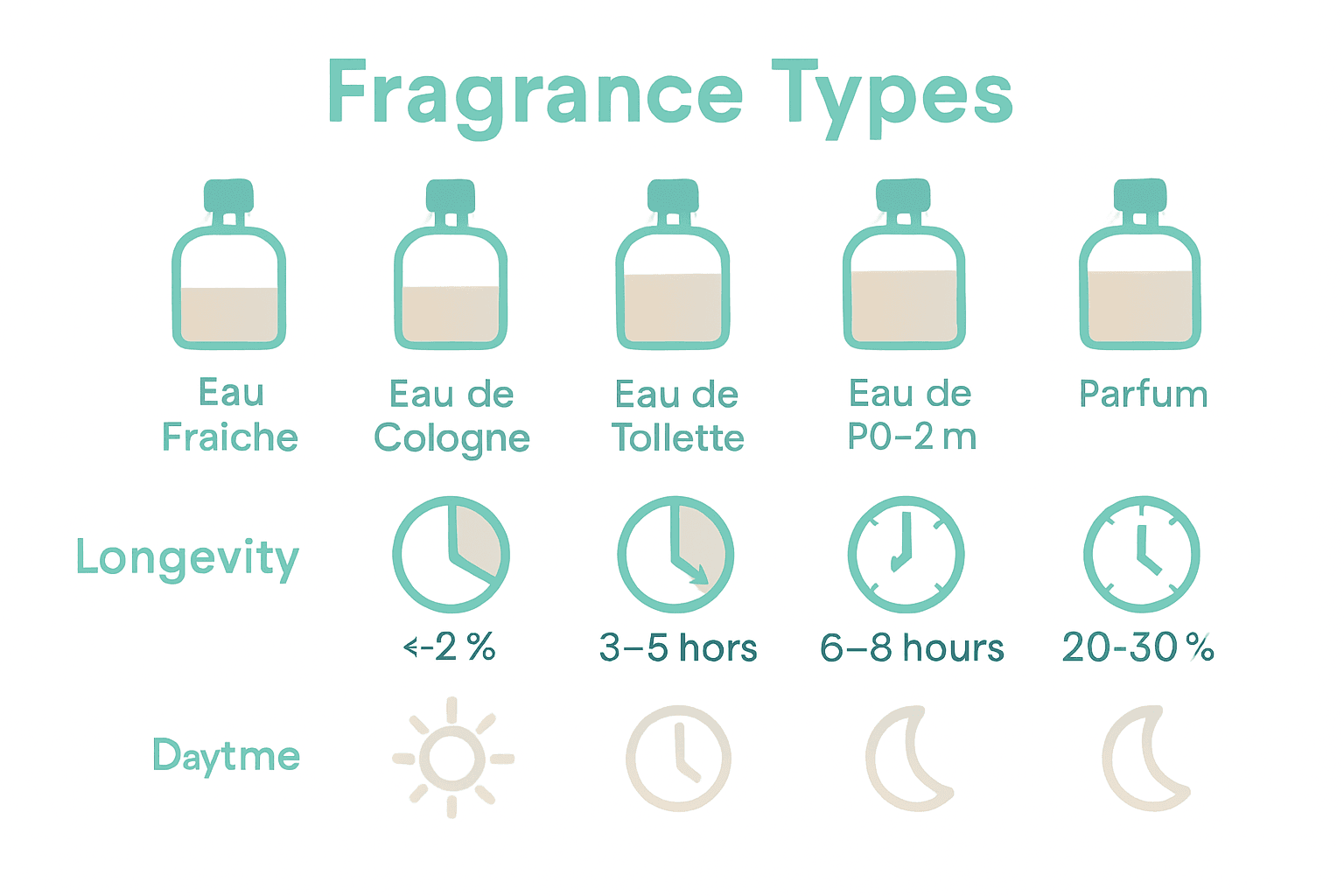
Here’s a summary of fragrance concentration categories and their typical characteristics:
| Concentration Type | Aromatic Compound % | Longevity | Typical Usage |
|---|---|---|---|
| Eau Fraîche | 1–3% | 1–2 hours | Quick refresh Hot days |
| Eau de Cologne (EDC) | 2–5% | Around 2 hours | Daytime Subtle presence |
| Eau de Toilette (EDT) | 5–15% | 3–5 hours | Everyday wear |
| Eau de Parfum (EDP) | 15–20% | 6–8 hours | Evening Special events |
| Parfum/Extrait | 20–40% | 6–12 hours | Formal Lasting impact |
The lower concentrations like Eau de Cologne are perfect for daytime wear, offering a light, refreshing touch that whispers rather than shouts. As you move up the concentration ladder, the fragrance becomes more complex, longer-lasting, and more intimate. Parfum, the most concentrated form, is typically reserved for evening wear or special occasions, delivering a rich, deep olfactory statement that lingers elegantly throughout the night.
Understanding these concentration categories empowers fragrance enthusiasts to select the perfect scent for any moment, mood, or personal style. Whether you prefer a subtle morning spritz or a bold evening statement, there’s a fragrance concentration waiting to express your unique essence.
Characteristics And Longevity Differences
Fragrance longevity is a complex dance between concentration, composition, and individual body chemistry. According to research from the Perfume Society, the concentration of aromatic compounds dramatically influences how long a fragrance will linger on your skin.
Longevity Breakdown
Here’s what you can expect from different fragrance concentrations:
- Eau Fraîche: 1-2 hours wear time
- Eau de Cologne: Approximately 2 hours
- Eau de Toilette: 3-5 hours
- Eau de Parfum: 6-8 hours
- Perfume Oil/Extrait: 6-12 hours
Research from Tyler Aromatherapy confirms these ranges, highlighting how each concentration offers a unique wearing experience. Peace of Mind fragrance exemplifies how careful formulation can maximize a scent’s longevity within its concentration category.
Beyond duration, each concentration tells a different olfactory story. Lower concentrations like Eau de Cologne provide a light, ephemeral whisper—perfect for hot summer days or casual settings. In contrast, Parfum becomes a rich, intimate statement that unfolds slowly, revealing complex layers throughout an evening.
Your personal body chemistry, skin type, and even humidity can influence how long a fragrance maintains its character.
 Experimenting with different concentrations allows you to discover the perfect scent that not only matches your style but also performs beautifully throughout your day.
Choosing Based On PurposeFragrance selection is an art form that goes far beyond personal preference. According to research from Fragrance Forte, the right scent can transform your presence across different contexts and occasions.
Contextual Fragrance Matching
Consider these strategic approaches to selecting your signature scent:
-
Workplace/Daytime: Light, fresh notes
- Citrus
- Green tea
- Subtle herbal undertones
-
Evening/Formal Events: Rich, complex fragrances
- Sandalwood
- Leather
- Deep amber notes
Research from Helpful Hints emphasizes the importance of understanding scent context. Our Fleur Blanche collection perfectly illustrates how versatile fragrances can transition between different settings.
Seasonality plays a crucial role in fragrance selection. Lighter, crisp scents shine during spring and summer, while warmer, more intense fragrances complement autumn and winter atmospheres. Your skin type and personal chemistry will also influence how a fragrance develops and performs.
Ultimately, choosing a fragrance is a personal journey of self-expression. Experiment, sample widely, and trust your instincts. The perfect scent isn’t just about smelling good—it’s about feeling confident and authentic in every moment.
Ready to Discover the Best Cologne for Your Unique Style?
Have you been overwhelmed by too many fragrance options, or confused by terminology like Eau de Cologne, Eau de Parfum, and concentration levels? Choosing a scent that truly fits can be stressful, especially when longevity, occasion, and seasonal suitability all play a role. Our article highlighted how the right concentration offers the perfect balance between elegance and staying power, but searching for quality and authenticity on the high street often falls short of expectations.
Discover our handpicked perfume inspirations inspired by the world’s most sought after fragrances and designed to suit every preference and purpose. Each scent is crafted with premium quality ingredients so you never have to compromise on performance or feel unsure about your choices. From light and refreshing Crystal Peak for daytime confidence, to the captivating depth of Highlands for memorable evenings, your ideal match is just a click away.
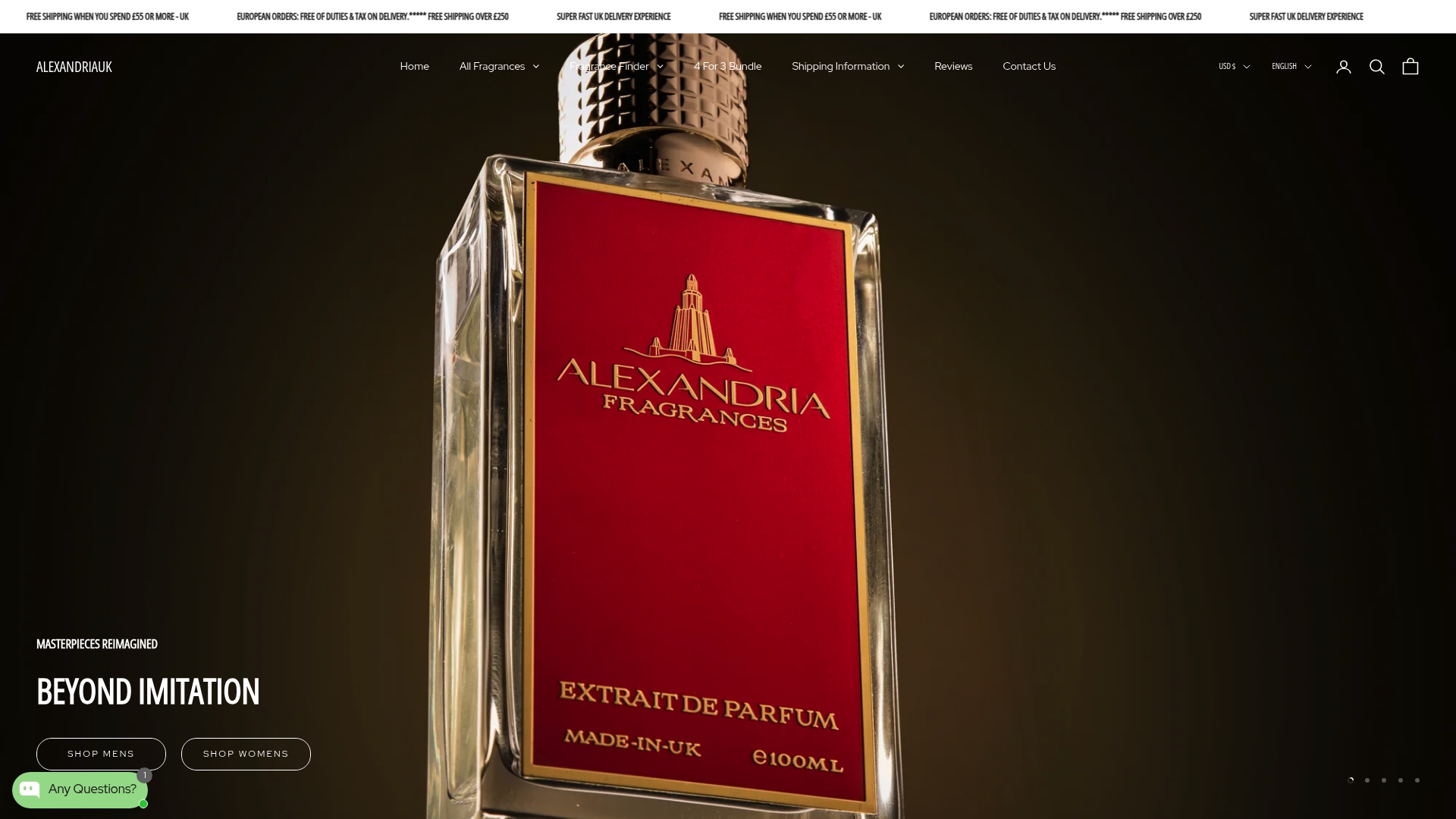
Do not wait to redefine your presence. Elevate your signature with the expertise and craftsmanship at Alexandria UK. Explore our collections now and find your perfect fragrance fit today.
Frequently Asked Questions
What is the difference between Eau de Cologne and Eau de Toilette?
Eau de Cologne typically contains 2-5% aromatic compounds and offers a light, refreshing scent ideal for daytime wear. In contrast, Eau de Toilette has a higher concentration of 5-15% aromatic compounds, making it more intense and suitable for everyday use.
How long do different types of colognes last on the skin?
Fragrance longevity varies by concentration: Eau de Cologne lasts approximately 2 hours, Eau de Toilette lasts 3-5 hours, Eau de Parfum lasts 6-8 hours, and Parfum can linger for 6-12 hours depending on conditions and skin chemistry.
What should I consider when choosing a cologne for a specific occasion?
Consider the context and season for your fragrance choice. Light, fresh notes like citrus are ideal for daytime or workplace settings, while richer scents with sandalwood or leather work well for evening or formal events.
How can the concentration of a cologne affect its scent profile?
The concentration of aromatic compounds in a cologne significantly impacts its character. Lower concentrations, such as Eau de Cologne, provide a light, subtle aroma, while higher concentrations, like Parfum, offer a more complex and long-lasting fragrance experience.