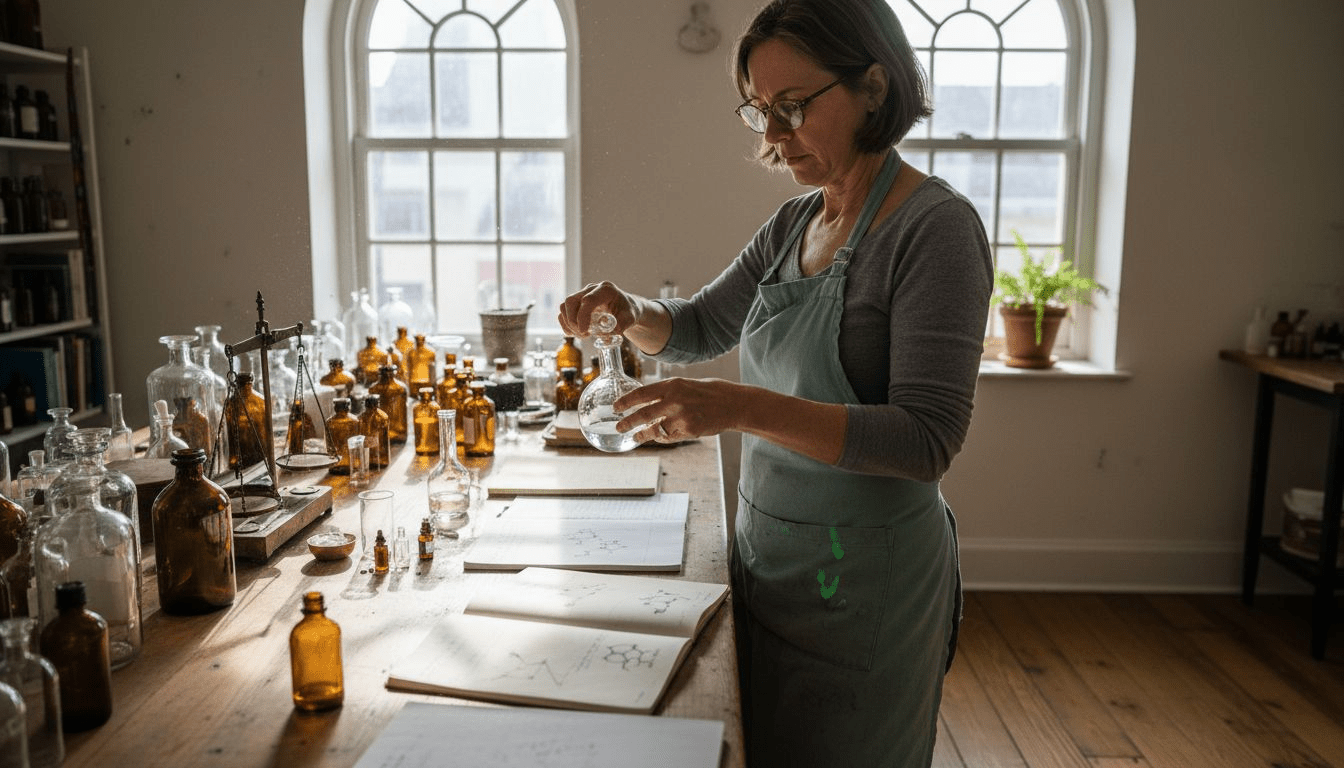
Perfumery Inspiration: Elevating Dupes With Artistry
Most people think perfumery is just about mixing attractive scents, but over 80 percent of british fragrance enthusiasts value artistic story and inspiration behind every bottle. Understanding these creative roots can transform how you choose and appreciate perfume dupes, turning your collection into a reflection of both taste and cultural narrative. This article explores how british perfume creation blends memory, culture, and artistry, revealing the fascinating processes that set high-quality dupes apart.
Table of Contents
- Defining Perfumery Inspiration And Misconceptions
- Types Of Inspiration In Perfume Creation
- How Artistic Processes Shape Fragrant Dupes
- Legal And Ethical Foundations In The UK
- Quality, Safety, And Mistakes To Avoid
Key Takeaways
| Point | Details |
|---|---|
| Perfumery is Complex | The creation of fragrances involves a blend of sensory perception, cultural context, and personal artistry, not just mixing pleasant scents. |
| Diverse Sources of Inspiration | Perfumers draw inspiration from emotional experiences, cultural narratives, technological advancements, and natural landscapes. |
| Artistry in Duplication | Crafting fragrance dupes requires an understanding of both scientific composition and creative interpretation, maintaining a balance between originality and homage. |
| Legal and Ethical Standards | Fragrance duplication in the UK must navigate intellectual property laws while ensuring transparency and integrity in marketing and ingredient safety. |
Defining Perfumery Inspiration and Misconceptions
Perfumery inspiration transcends simplistic notions of creativity, representing a complex interplay between sensory perception, cultural context, and individual artistic vision. Contrary to popular belief, fragrance creation is not merely about mixing pleasant scents, but involves profound cognitive processes underlying olfactory design.
Traditionally, perfumers have been viewed as either classically trained artisans or intuitive creators. However, contemporary research challenges these rigid categorisations, revealing inspiration emerges through multifaceted mechanisms. Some perfumers draw from ancestral knowledge, others from scientific understanding of molecular interactions, while some rely on emotional landscapes and personal memories that transform abstract experiences into tangible aromatic expressions.
The misconception that perfumery inspiration is uniform or predictable undermines the profound artistry inherent in fragrance development. Each scent represents a nuanced narrative, communicating complex emotional and sensorial experiences through carefully orchestrated molecular compositions. Professional perfumers do not simply blend ingredients; they craft immersive sensory journeys that evoke memories, trigger emotions, and create intimate connections between the wearer and the fragrance.
Expert Tip: Approach perfume appreciation as an art form, understanding that each fragrance carries a unique story waiting to be discovered through mindful sensory exploration.
Types of Inspiration in Perfume Creation
Perfume creation draws inspiration from a rich, multifaceted landscape of experiences and disciplines. Scientific and technological innovations significantly shape contemporary fragrance design, challenging traditional boundaries between artistic expression and technical precision. Perfumers now blend cutting-edge molecular research with creative intuition, transforming abstract concepts into tangible sensory experiences.
The sources of inspiration in perfumery are remarkably diverse, spanning emotional, cultural, and scientific domains. Some perfumers draw from personal memories, translating intimate experiences into complex aromatic compositions. Others find inspiration in natural landscapes, architectural forms, historical narratives, or even philosophical concepts. Psychological, biological, and cultural perspectives converge to create deeply nuanced fragrance narratives, revealing perfumery as a sophisticated art form that extends far beyond simple scent combination.
These inspirational sources can be categorised into several key types. Emotional inspiration involves translating feelings and experiences into olfactory languages. Cultural inspiration draws from traditions, rituals, and societal narratives. Technological inspiration leverages advanced chemical understanding and innovative extraction techniques. Natural inspiration explores botanical ecosystems and environmental interactions. Each type represents a unique lens through which perfumers interpret and transform sensory experiences into compelling fragrance stories.
Expert Tip: Develop a sensory journal to capture inspirational moments, recording the emotional and contextual details that could spark your next olfactory masterpiece.
Below is a summary table highlighting the main types of inspiration in perfume creation and their typical sources:
| Type of Inspiration | Typical Sources | Characteristic Influence |
|---|---|---|
| Emotional | Personal memories, life events | Adds depth and narrative to scent |
| Cultural | Traditions, rituals, societal trends | Connects fragrance with heritage |
| Technological | Molecular research, extraction methods | Enables scent innovation and precision |
| Natural | Botanical environments, landscapes | Grounds fragrance in authentic nature |
How Artistic Processes Shape Fragrant Dupes
Artistic processes in fragrance duplication transcend mere chemical replication, representing a sophisticated dance between scientific precision and creative interpretation. Crafting celebrity dupes requires an intricate understanding of olfactory composition, where perfumers meticulously deconstruct and reimagine original scent profiles.
The artistic journey of creating a dupe begins with sensory deconstruction, where perfumers analyse the original fragrance’s molecular structure, emotional resonance, and textural nuances. This process demands not just technical expertise, but a profound empathy with the scent’s underlying narrative. Perfumers become olfactory translators, capturing the essence of a fragrance while introducing subtle creative innovations that maintain the spirit of the original while offering a unique interpretation.
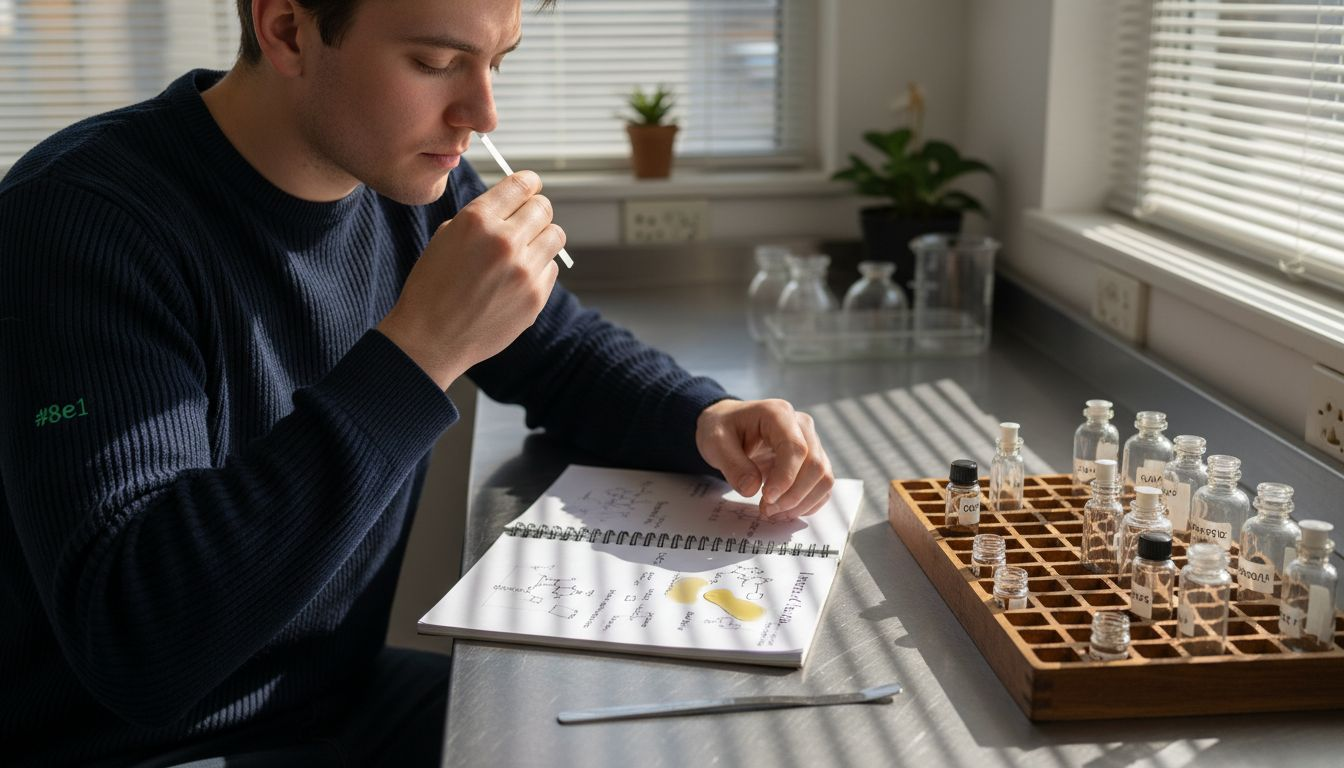
Each fragrant dupe represents a delicate balance between homage and originality. Perfumers employ sophisticated techniques like headspace technology, gas chromatography, and molecular reconstruction to understand a scent’s complex architecture. They then apply creative reinterpretation, selecting alternative ingredients that mirror the original’s emotional landscape while introducing unexpected aromatic dimensions. This approach transforms duplication from a mere technical exercise into a genuine artistic expression, where each fragrance tells a story beyond its chemical composition.
Expert Tip: Approach fragrance duplication as an art form, focusing on emotional resonance rather than exact molecular replication.
Legal and Ethical Foundations in the UK
The legal landscape surrounding fragrance duplication in the United Kingdom represents a complex intersection of intellectual property rights, trademark legislation, and creative expression. Perfumery occupies a unique legal territory where artistic innovation must carefully navigate the boundaries of commercial protection and original design inspiration.
Under British intellectual property law, fragrances themselves cannot be directly copyrighted, creating a nuanced environment for dupe manufacturers. The legal framework focuses on protecting specific formulations, packaging designs, and brand identities rather than the scent itself. This creates a sophisticated space where perfumers can explore creative alternatives that respect original designs while maintaining ethical standards of originality and consumer transparency.
Ethical considerations in fragrance duplication extend beyond legal compliance, encompassing principles of artistic integrity, consumer understanding, and industry respect. Responsible dupe creators must ensure their products do not mislead consumers, clearly communicate the inspiration behind their fragrances, and maintain high standards of ingredient quality and safety. This approach transforms duplication from a potentially contentious practice into a legitimate form of creative interpretation that celebrates olfactory artistry while respecting original creators.
Expert Tip: Always prioritise transparency and originality when developing fragrance dupes, ensuring your creative process celebrates inspiration rather than mere imitation.
Here is a comparison of legal and ethical considerations for fragrance duplication in the UK:
| Principle | Legal Status in UK | Ethical Consideration | Impact on Dupe Production |
|---|---|---|---|
| Copyright on Scent | Not directly applicable | Prioritise originality | Freedom to reinterpret fragrances |
| Trademark Law | Protects brand identity | Avoid consumer confusion | Must ensure clear branding |
| Ingredient Safety | Strictly regulated | Maintain high standards | Use tested, approved ingredients |
| Transparency | Encouraged, not mandated | Builds consumer trust | Disclose inspiration sources |
Quality, Safety, and Mistakes to Avoid
Ensuring exceptional quality in fragrance duplication demands meticulous attention to scientific precision and artistic integrity. Rigorous sensory training becomes paramount in avoiding critical errors in perfume creation, where even subtle misjudgements can compromise the entire olfactory experience.

Quality control in dupe manufacturing involves multiple sophisticated layers of assessment. Perfumers must conduct comprehensive ingredient analysis, examining molecular compatibility, potential allergenic compounds, and longevity profiles. Critical evaluation processes include advanced techniques like gas chromatography, spectral analysis, and extensive skin sensitivity testing. These methodical approaches distinguish professional dupe creators from amateur experimenters, ensuring that each fragrance meets stringent safety and performance standards.
Common mistakes in fragrance duplication often stem from oversimplification and technical shortcuts. Inexperienced perfumers might attempt direct molecular replication without understanding the nuanced interactions between ingredients, leading to fragrances that lack depth or emotional resonance. Successful dupe creation requires a holistic approach that respects the original scent’s architectural complexity while introducing innovative interpretative elements that honour the source material’s fundamental character.
Expert Tip: Invest in professional-grade testing equipment and develop a rigorous sensory evaluation protocol to consistently maintain exceptional fragrance quality.
Discover the Artistry Behind Quality Fragrance Dupes
The challenge of capturing the true essence of iconic scents goes beyond simple replication. This article highlights how creating a dupe is an intricate balance of scientific precision, emotional resonance, and artistic interpretation. If you value transparency, originality, and a commitment to quality in fragrance creation, you understand the importance of a nuanced approach that respects both the story and the scent.
At Alexandria UK, we specialise in perfume sales inspired by beloved fragrances and expertly crafted dupes. Our collection honours the art of perfumery by blending innovative techniques with careful ingredient selection to offer you scents that evoke deep emotional connections while maintaining the highest safety and quality standards.
Embrace the journey of fragrance appreciation by exploring our range. Whether you seek a signature scent or an inspired dupe, start your sensory experience today with Alexandria UK. For insights on creating your own signature layers with fragrance dupes, visit our guide on Creating Your Signature Scent and learn how artistry meets innovation.
Elevate your fragrance experience now
Explore our curated selection at Alexandria UK and transform your olfactory journey with quality and creativity combined.
Frequently Asked Questions
What inspires perfumers when creating fragrances?
Perfumers draw inspiration from various sources, including personal memories, cultural narratives, natural landscapes, and advancements in technology. Each scent tells a unique story shaped by these influences.
How do perfumers ensure quality and safety in fragrance duplication?
To ensure exceptional quality and safety, perfumers conduct rigorous ingredient analysis and implement advanced testing methods such as gas chromatography and skin sensitivity testing. This meticulous process helps maintain high standards in fragrance performance.
What are common mistakes to avoid in fragrance duplication?
Common mistakes include oversimplifying the replication process and failing to understand the intricate interactions between ingredients. Successful duplication requires a holistic understanding of the original scent’s complexity and emotional resonance.
How do legal and ethical considerations impact fragrance duplication?
Legal considerations focus on protecting formulations and trademark identities rather than scents themselves. Ethically, dupe creators must ensure transparency and originality to avoid misleading consumers and to respect the artistic integrity of original creators.