Master the art of perfume sales: Insights for savvy buyers
TL;DR:
- The global fragrance market is expanding rapidly, with increasing popularity of affordable scent dupes.
- Perfume dupes offer similar olfactory qualities at a fraction of luxury prices, challenging traditional notions of value.
- Modern buyers prioritize transparency, ethics, and experience, greatly influencing purchasing behavior and market trends.
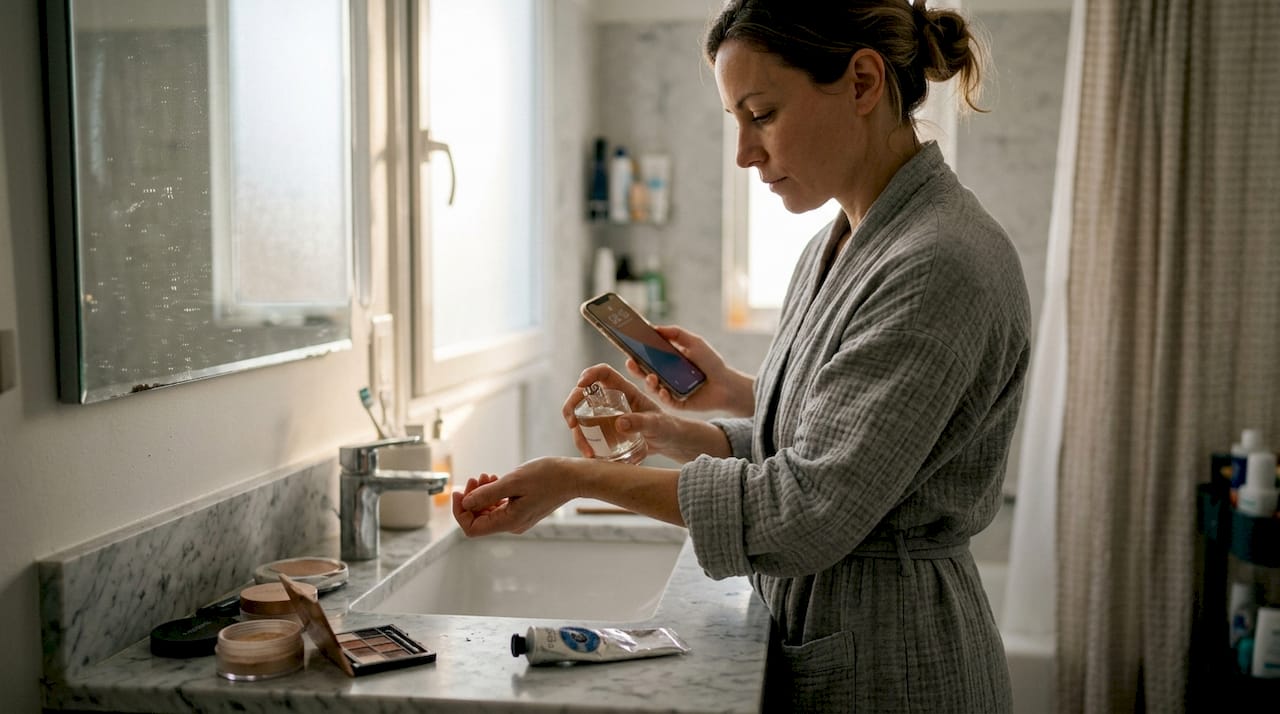
The global fragrance market is experiencing a remarkable transformation, and if you buy perfume, it affects every choice you make. With the global perfume market valued at around USD 50 to 60 billion in 2025 and projected to surpass USD 100 billion by 2034, the industry is no longer simply about luxury boutiques and iconic glass flacons. The rise of affordable scent alternatives, or “dupes,” is reshaping buyer expectations entirely. For fragrance lovers navigating this evolving landscape, understanding who sells what, why quality matters, and how to spot a genuinely fine alternative has never been more essential. This guide cuts through the noise and delivers the clarity you deserve.
Table of Contents
- The evolution of perfume sales: Trends and market dynamics
- The dupe revolution: Affordable alternatives and market impact
- Buyer behaviour: What drives a perfume purchase today?
- Making smart choices: Quality, authenticity and ethical considerations
- The perfume paradox: Why value and authenticity can go hand in hand
- Discover your next signature scent with confidence
- Frequently asked questions
Key Takeaways
| Point | Details |
|---|---|
| Perfume market growth | Perfume sales continue to grow worldwide, with new trends reshaping how and what people buy. |
| Dupes offer real value | Perfume dupes provide significant savings and enable buyers to try more scents legally and ethically. |
| Influencer power | Buying decisions are shaped by social media and influencers, especially among younger consumers. |
| Quality and ethics matter | Learning to spot quality and understanding the legal differences between dupes and counterfeits protects your investment. |
| Smart choices empower | Armed with insight, consumers can confidently explore new scents while staying true to their values. |
The evolution of perfume sales: Trends and market dynamics
The perfume industry is, by any measure, extraordinary in its scale and complexity. With projected growth to USD 101 billion by 2034, it represents one of the most resilient sectors in global retail. Understanding who is buying, where, and through which channels reveals just how dynamic this world has become.
| Region | Market share | Growth trend |
|---|---|---|
| Europe | 35 to 37% | Steady, heritage-led |
| Asia-Pacific | ~25% | Fastest growing globally |
| North America | ~22% | Strong e-commerce growth |
| Rest of world | ~16% | Emerging markets rising |
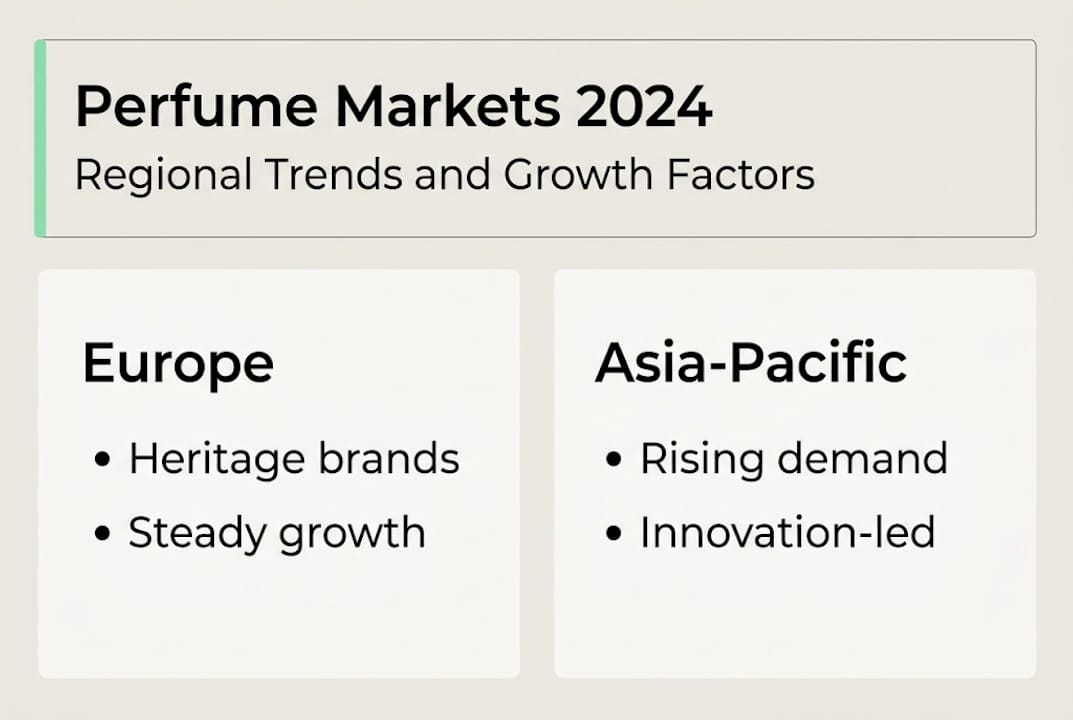
According to 2025 industry data, Europe commands the largest share at 35 to 37% of global sales, driven by established luxury houses and a deep cultural affinity for fine fragrance. Asia-Pacific is the fastest-growing region, fuelled by expanding middle classes and an intensifying appetite for prestige goods. Women account for approximately 64% of all fragrance purchases globally, though the men’s segment is growing steadily. Perhaps most strikingly, offline retail channels still represent around 75% of sales, meaning bricks-and-mortar stores remain the primary arena for discovering new scents.
However, digital is reshaping the game at pace. The social media impact on purchasing decisions has been profound, with platforms like TikTok and Instagram transforming niche fragrances into overnight sensations. A single viral review can deplete a brand’s stock in days.
Key shifts defining perfume sales right now:
- Mass versus luxury: The gap is narrowing, with affordable alternatives encroaching on prestige territory.
- Influencer culture: Fragrance content creators now hold enormous sway over purchasing choices.
- E-commerce growth: Subscription boxes and curated online boutiques are carving out meaningful niches.
- Personalisation: AI-driven recommendation tools are helping buyers find their ideal scent profile more efficiently.
The modern fragrance buyer is more informed, more experimental, and far less loyal to a single brand than previous generations. This shift has opened the door wide for the segment that is arguably causing the most disruption: the dupe market.
The dupe revolution: Affordable alternatives and market impact
Few developments in recent fragrance history have generated quite as much excitement and debate as the rise of the perfume dupe. To be clear on terminology: a dupe is a legally produced fragrance that captures the olfactory character of a well-known luxury scent, without copying trademarks, branding, or packaging. It is categorically different from a counterfeit, which is an illegal copy designed to deceive.
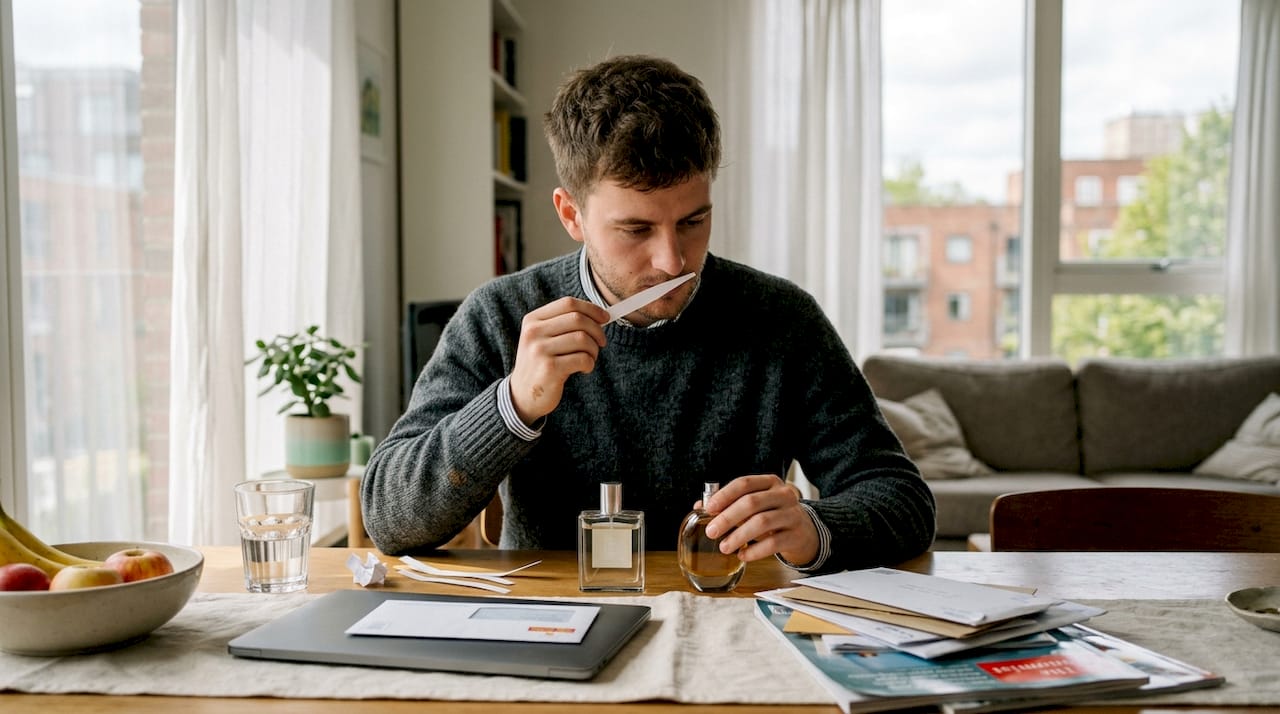
The numbers behind the rise of fragrance dupes are genuinely striking. The dupe market was worth USD 2.7 billion in 2024, with analysts forecasting growth at over 15% CAGR, potentially reaching USD 11 billion by 2034. The primary driver is simple: buyers can save 70 to 85% compared to purchasing the luxury original. On a practical level, this means a scent inspired by a £200 designer fragrance might be available for £20 to £30.
| Factor | Luxury original | Quality dupe |
|---|---|---|
| Price | £100 to £400+ | £15 to £50 |
| Longevity | 8 to 12 hours | 4 to 8 hours |
| Branding | Full prestige packaging | Simplified, honest labelling |
| Legal status | Original IP | Legal reformulation |
| Savings | Benchmark | 70 to 85% less |
Beyond cost, several forces are accelerating the fragrance dupes trend:
- Influencer endorsement: TikTok’s “dupe culture” has normalised seeking alternatives to unaffordable originals.
- Experimentation: Buyers are building varied fragrance wardrobes, rotating scents by season or mood.
- Sustainability: Some buyers perceive dupes as a less wasteful, more accessible option.
- Blind testing: Independent blind testing insights have, on occasion, found that participants preferred the dupe over the original, challenging the assumption that price equals quality.
For those exploring dupes vs originals insights, the evidence suggests this is not simply a race to the bottom. Many quality dupes are crafted with genuine skill, employing refined accords that echo the luminous heart notes of their inspiration.
Pro Tip: Always check a dupe’s concentration level (Eau de Parfum versus Eau de Toilette) and read independent reviews focused on longevity before purchasing, as projection and staying power vary considerably between products.
Buyer behaviour: What drives a perfume purchase today?
With the dupe market upending the landscape, what are the main forces shaping how and why people buy perfumes today? The answer reveals a fascinating blend of psychology, technology, and shifting cultural values.
Research from Mintel highlights a compelling truth: buying anticipation often generates more dopamine than actually wearing the scent. In other words, the thrill of discovery and purchase is itself a powerful motivator, independent of the fragrance experience that follows. This explains why fragrance unboxing content is consistently among the most engaging beauty content online.
“The act of buying a new fragrance is, for many, as pleasurable as wearing it. Scent anticipation is a genuine psychological phenomenon shaping the modern perfume market.” — Mintel Beauty Insights
The impact of influencers cannot be overstated. A glowing review from a trusted content creator can move product faster than a traditional advertising campaign. Gen Z and Millennials, in particular, are driving demand for transparency, preferring brands that are honest about ingredients, inspiration, and pricing.
Key factors shaping today’s purchase decisions:
- Social media discovery: Platforms surface niche fragrances to vast audiences rapidly.
- AI personalisation: Tools that match buyers to scents based on preferences are gaining traction.
- Ethical values: Cruelty-free, vegan, and sustainably sourced ingredients are increasingly influential.
- Community reviews: Trust in peer recommendations outpaces brand advertising for younger buyers.
- Experimentation: Affordable why dupes are popular options allow buyers to try multiple styles without financial risk.
The modern fragrance buyer is, in many ways, the most sophisticated in history. They research thoroughly, compare meticulously, and are unafraid to challenge the orthodoxy that luxury pricing equates to superior quality. This confidence is reshaping the entire market.
Making smart choices: Quality, authenticity and ethical considerations
For those wanting the best from their purchases, understanding quality, authenticity, and ethics is crucial. The fragrance market, rich as it is in opportunity, also contains pitfalls for the unwary buyer.
First and most importantly, distinguishing a legal dupe from a counterfeit is non-negotiable. Counterfeits differ fundamentally from legal dupes: they replicate packaging, trademarked logos, and branding to deceive buyers, and may use unregulated or harmful ingredients. A legal dupe, by contrast, is transparent about its inspiration, carries its own identity, and adheres to safety standards.
How to evaluate a dupe or inspired fragrance with confidence:
- Check the seller’s credentials: Established retailers with clear return policies and published ingredient lists are a strong sign of legitimacy.
- Look for honest labelling: Reputable dupe brands state their inspiration openly without copying logos or bottle design.
- Read independent reviews: Focus on comments addressing longevity, projection, and customer service responsiveness.
- Research ingredients: Quality dupes use well-sourced materials; spotting fake dupes requires vigilance around suspiciously low prices and generic packaging.
- Consider the ethical dimension: The ethics of fragrance dupes is a nuanced conversation, with thoughtful commentary from across the industry exploring both sides.
On the question of longevity, it is true that many dupes do not match the tenacity of their luxury counterparts on skin. However, as noted in independent consumer testing, larger bottle sizes and the practicality of reapplication often offset this difference effectively. A 100ml quality dupe at £25 reapplied twice daily still represents extraordinary value against a 50ml designer original at £200.
Pro Tip: Price is not a reliable proxy for quality. A well-crafted inspired fragrance from a reputable house can rival the olfactory experience of a luxury original, especially when you explore trusted guides to choosing high-quality dupes before committing.
Engaging with resources that address the dupe ethics debate openly will help you form your own informed perspective, rather than accepting either extreme of the argument.
The perfume paradox: Why value and authenticity can go hand in hand
The wider dupe debate reveals something far more interesting than a simple conversation about cost. It reflects a profound rethinking of what value, luxury, and personal expression actually mean in the modern world. For years, the prestige of a fragrance was inseparable from its price. To challenge that assumption felt almost transgressive.
Yet the evidence increasingly tells a different story. Buyers who explore ethical buyer choices are not settling for less. They are exercising greater autonomy, wider curiosity, and more considered judgement than the buyer who purchases solely on the basis of a designer name. Luxury houses, for their part, are responding, investing in storytelling, exclusivity, and experiences that go beyond the liquid in the bottle.
The truth is that authentic enjoyment of fragrance has always been a deeply personal matter. Whether a scent arrives in a crystal flacon or a clean-label bottle at a fraction of the price, what matters is the emotion it evokes, the memories it conjures, and the confidence it lends. Empowering buyers through knowledge transforms the market from a hierarchy into a genuine landscape of discovery.
Discover your next signature scent with confidence
If this exploration of perfume sales, dupes, and buyer behaviour has sparked your curiosity, the next step is beautifully straightforward. The world of inspired fragrances is rich, diverse, and more accessible than ever before.
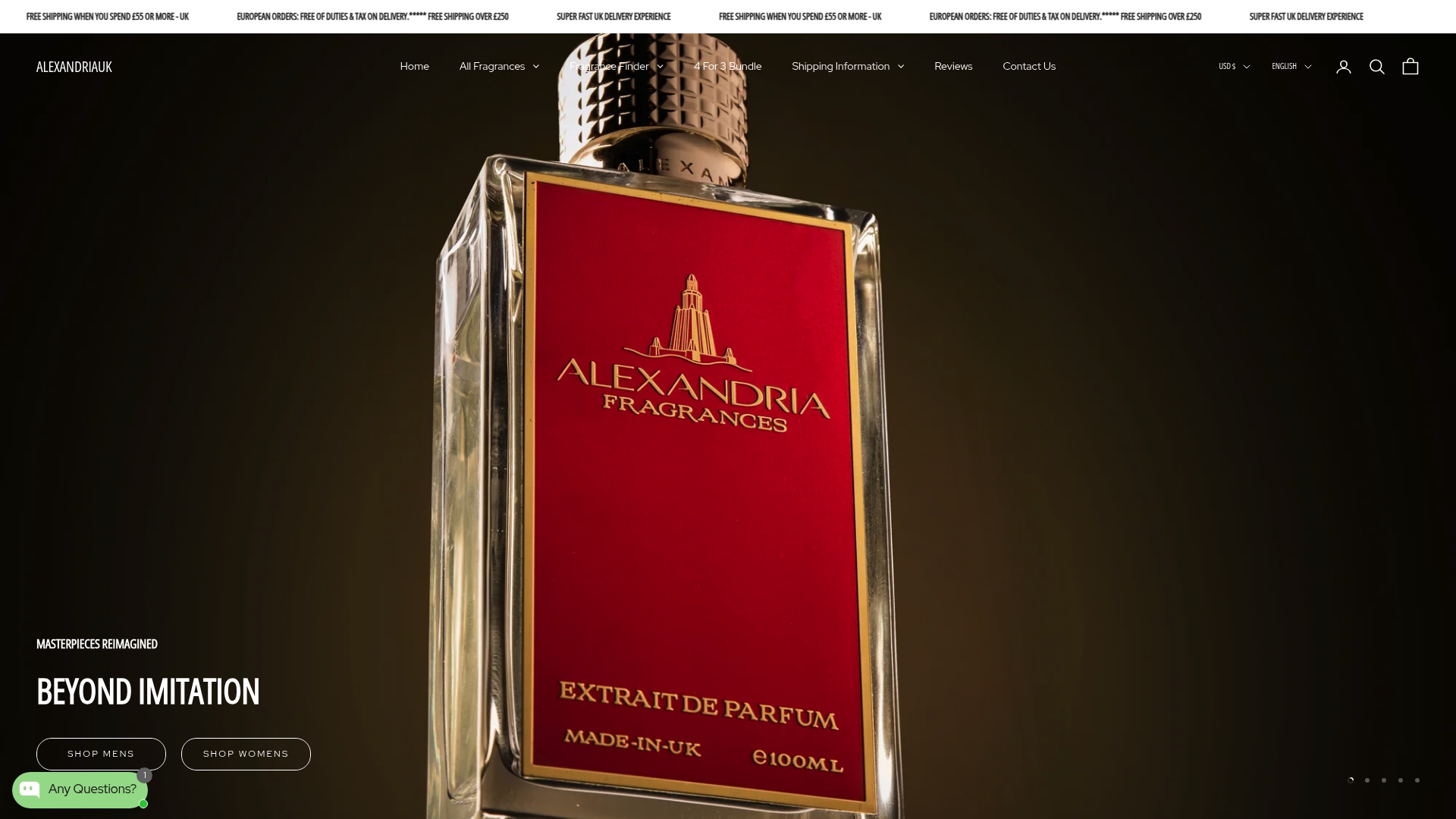
At Alexandria UK, you will find a thoughtfully curated collection of high-quality, ethically crafted fragrance alternatives, each inspired by iconic luxury scents and presented with complete transparency. Whether you are searching for your first dupe discovery or looking to refine an already sophisticated fragrance wardrobe, navigating the options is made simple with expert guidance and trusted product curation. Explore the range and let your next signature scent find you.
Frequently asked questions
What makes a perfume dupe different from a counterfeit?
A perfume dupe legally recreates a scent profile without replicating any trademarked branding or packaging, whereas a counterfeit is illegal and deliberately mimics original branding to deceive buyers.
Are perfume dupes as long-lasting as original fragrances?
Many dupes fade more quickly than their luxury counterparts, but as longevity studies suggest, larger bottle sizes and easy reapplication make this a very manageable trade-off.
Why are perfume dupes so popular now?
The dupe market’s rapid growth is driven by buyers seeking luxury scent experiences at 70 to 85% savings, amplified by social media communities that celebrate discovery and experimentation.
How can I avoid buying counterfeit fragrance products?
Always purchase from reputable sellers with transparent labelling and verifiable reviews, and consult trusted resources on spotting fake fragrance dupes before committing to an unfamiliar brand.