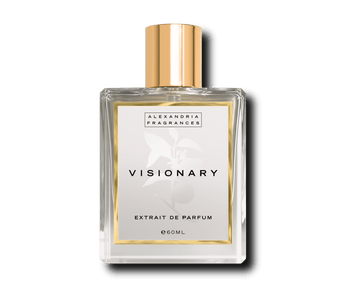

Best Perfume Choices: Quality Dupes for UK Enthusiasts
Finding a perfume that balances value and true artistry can feel like searching for a rare treasure. Fragrance enthusiasts across the United Kingdom know that complexity is the true mark of quality, with every multidimensional note blending for an unforgettable experience. This guide helps you decode what defines a high-quality scent and uncovers how clever dupes can deliver sophisticated performance, remarkable longevity, and all the intrigue of luxury – without the intimidating price tag.
Table of Contents
- Best Perfume Defined: Quality And Complexity
- Types Of Perfume And Perfume Dupes
- How High-Quality Perfume Dupes Are Crafted
- Testing Perfumes: Performance And Skin Chemistry
- Comparing Dupes To Designer Originals In The UK
- Risks, Myths, And Legal Aspects Of Perfume Dupes
Key Takeaways
| Point | Details |
|---|---|
| Perfume Quality | Exceptional perfumes feature complex compositions, evolving on the skin and engaging multiple senses. |
| Dupes vs. Originals | High-quality dupes offer affordable alternatives without compromising fragrance complexity or experience. |
| Testing Methodology | Always test perfumes on your skin under various conditions to understand their true performance. |
| Legal Considerations | Quality dupes are legitimate products that comply with safety regulations, distinguishing themselves from counterfeit items. |
Best Perfume Defined: Quality And Complexity
Perfume quality extends far beyond a singular fragrance note, representing a sophisticated symphony of olfactory experiences. At its essence, a truly exceptional perfume embodies complexity through meticulously layered aromatic compositions that evolve dynamically on the skin. Sophisticated perfumes create multidimensional experiences that engage multiple sensory perceptions simultaneously.
The hallmark of a superior fragrance lies in its structural integrity – a carefully constructed progression from vibrant top notes through nuanced middle accords to profound base notes. Professional perfumers approach scent creation like musical compositions, where each note plays a specific role in crafting an immersive sensory narrative. These complex fragrances are not merely pleasant aromas but intricate stories told through molecular interactions, blending synthetic and natural essences with remarkable precision.
Quality in perfumery is determined by several critical factors: ingredient authenticity, concentration of essential oils, molecular complexity, and longevity. Premium fragrances distinguish themselves through rare botanical extracts, innovative synthetic molecules, and masterful blending techniques that create seamless olfactory transitions. Concentration matters immensely – higher essential oil percentages typically indicate superior craftsmanship and more sophisticated sensory experiences.
Expert Tip: When evaluating a perfume’s quality, analyse its performance across different environments by testing it on skin at various temperatures and humidity levels to understand its true complexity and character.
Types Of Perfume And Perfume Dupes
The world of fragrances encompasses a rich tapestry of perfume types, each offering unique olfactory experiences and complexity levels. Fragrance dupes offer affordable alternatives that capture the essence of premium scents without the astronomical price tags. Traditional perfume classifications include Eau de Parfum (most concentrated), Eau de Toilette (lighter concentration), Eau de Cologne (even lighter), and Parfum Extrait (most intense and luxurious).
Perfume dupes represent a revolutionary approach in the fragrance market, providing budget-conscious consumers with high-quality scent replications. These alternatives meticulously reconstruct the molecular profile of expensive designer fragrances, employing sophisticated perfumery techniques to achieve remarkably similar olfactory experiences. Skilled perfume chemists analyse the original fragrance’s chemical composition, identifying key aromatic molecules and recreating them using premium synthetic and natural ingredients.
The primary categories of perfume dupes include direct molecular replicas, inspired interpretations, and creative adaptations. Direct replicas aim to match the original fragrance as closely as possible, while inspired interpretations capture the essential character and emotional resonance of the original scent. Creative adaptations take inspiration from a classic fragrance but introduce subtle innovative twists, offering consumers a unique yet familiar olfactory experience that respects the original composition’s spirit.
Expert Tip: When exploring perfume dupes, always sample the fragrance on your skin and observe its development over several hours to truly understand its complexity and performance.
Here’s a quick reference comparing types of perfume and their common usage:
| Perfume Type | Oil Concentration | Typical Usage | Longevity on Skin |
|---|---|---|---|
| Eau de Parfum | 15-20% | Everyday sophisticated | 6-8 hours |
| Eau de Toilette | 5-15% | Casual or office wear | 3-5 hours |
| Eau de Cologne | 2-4% | Refreshing, daytime use | Up to 2 hours |
| Parfum Extrait | 20-40% | Special occasions | 8-12 hours |
How High-Quality Perfume Dupes Are Crafted
The intricate art of crafting high-quality perfume dupes requires a sophisticated blend of scientific precision and creative artistry. Luxury perfume crafting techniques involve meticulous molecular analysis and strategic ingredient selection to recreate the nuanced essence of premium fragrances. Perfume chemists employ advanced chromatography and spectroscopy techniques to deconstruct the original fragrance’s complex molecular structure, identifying the precise aromatic compounds that define its unique character.
The dupe creation process begins with comprehensive sensory analysis, where expert perfumers systematically break down the original fragrance into its constituent notes. This involves isolating top, middle, and base notes, understanding their interactions, and reconstructing a similar olfactory profile using approved synthetic and natural ingredients. Sophisticated algorithmic modelling allows perfumers to map the original fragrance’s molecular blueprint, enabling them to create remarkably accurate replications that capture the emotional and sensory experience of the designer original.

Quality dupe production demands an extraordinary balance between chemical accuracy and creative interpretation. Perfumers must navigate complex regulatory landscapes, ensuring that their formulations comply with international safety standards while maintaining the emotional resonance of the original scent. This involves selecting high-grade aromatic molecules that closely mimic the original’s chemical signature, understanding subtle nuances in molecular weight, volatility, and interaction patterns that contribute to the fragrance’s overall perception and performance.
Expert Tip: Always examine a perfume dupe’s performance across different skin types and environmental conditions to truly assess its quality and authenticity.
Testing Perfumes: Performance And Skin Chemistry
Understanding perfume performance requires a nuanced appreciation of individual skin chemistry and environmental interactions. Perfume testing techniques reveal complex interactions between fragrance molecules and personal biochemistry, demonstrating why a scent can smell dramatically different from person to person. The intricate process involves observing how fragrance notes evolve, transform, and interact with an individual’s unique physiological landscape.
Skin chemistry plays a pivotal role in fragrance perception, influenced by factors such as body temperature, natural oils, pH levels, and hormonal variations. Each person’s skin acts like a unique canvas, modifying perfume molecules through subtle chemical reactions that alter scent projection, intensity, and longevity. Factors like diet, hydration levels, and even medication can subtly transform a fragrance’s molecular composition, creating a personalised olfactory experience that transcends standard laboratory testing.
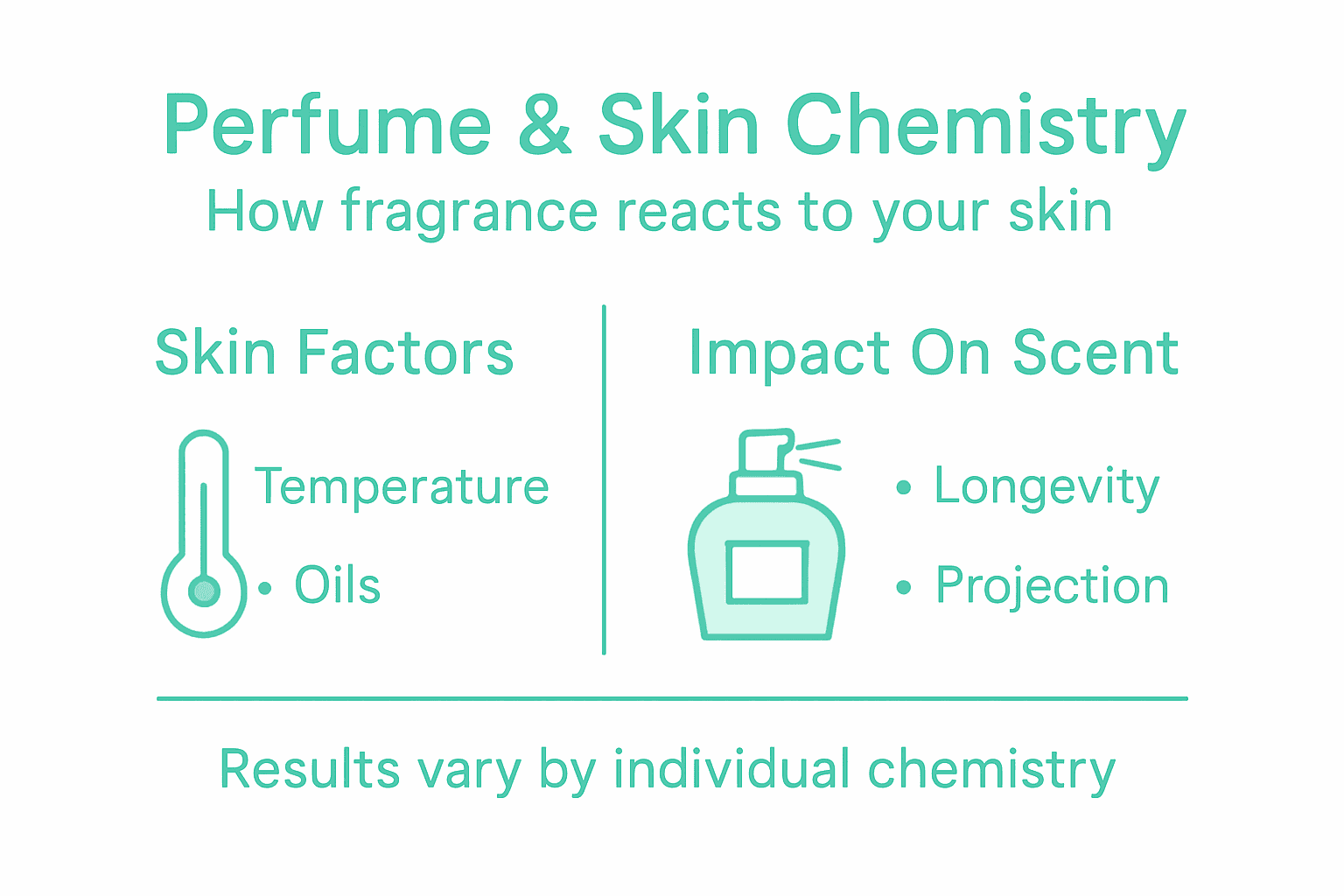
Professional perfume enthusiasts recommend a comprehensive testing methodology that goes beyond simple sampling. This involves applying fragrances to pulse points, observing development over several hours, and noting how different environmental conditions impact scent performance. Key testing parameters include sillage (scent trail), projection strength, note progression, and overall wearing comfort. Sophisticated testers will evaluate a fragrance across multiple wear scenarios – from cool morning environments to warmer afternoon conditions – to understand its true versatility and complexity.
Expert Tip: Always test a perfume on your own skin for at least six hours and across different times of day to truly understand its unique performance characteristics.
Comparing Dupes To Designer Originals In The UK
The landscape of fragrance selection in the United Kingdom has transformed dramatically, with designer perfume alternatives offering sophisticated consumers unprecedented choices. Perfume enthusiasts now recognise that high-quality dupes can deliver remarkable olfactory experiences without the astronomical price tags associated with luxury designer brands. This nuanced approach to fragrance selection represents a sophisticated understanding that quality is not exclusively determined by brand prestige.
Comparative analysis between designer originals and their dupe counterparts reveals fascinating insights into perfumery craftsmanship. Professional perfumers utilising advanced molecular reconstruction techniques can create remarkably accurate replicas that capture the essential character of premium fragrances. Key comparative parameters include molecular complexity, note progression, longevity, sillage, and overall sensory performance. Discerning consumers increasingly prioritise these technical attributes over brand marketing, recognising that exceptional fragrance experiences transcend traditional luxury branding.
The UK fragrance market has become particularly receptive to high-quality dupes, driven by a combination of economic pragmatism and a sophisticated appreciation for olfactory artistry. Consumers are no longer willing to pay exorbitant prices solely for brand recognition, instead seeking intelligent alternatives that provide comparable sensory experiences. This shift represents a profound democratisation of luxury perfumery, where technical skill and creative interpretation matter more than traditional brand hierarchies. Advanced dupe production methods now allow perfumers to deconstruct and recreate complex fragrance profiles with unprecedented precision.
Expert Tip: Conduct a blind smell test comparing designer originals and their dupes to objectively evaluate true sensory performance without brand bias.
For clarity, here’s how designer originals and perfume dupes differ on key attributes:
| Attribute | Designer Originals | High-Quality Dupes |
|---|---|---|
| Price Point | Premium, often costly | Affordable, budget-friendly |
| Ingredient Source | Premium natural, exclusive oils | Select synthetics and naturals |
| Scent Longevity | Typically long-lasting | Varies; often competitive |
| Brand Prestige | High – luxury focus | No prestige, focus on value |
| Innovation Level | Unique, often trendsetting | Inspired by originals, some tweaks |
Risks, Myths, And Legal Aspects Of Perfume Dupes
Navigating the complex world of perfume dupes requires a sophisticated understanding of legal and ethical considerations. Fragrance safety regulations protect consumers by ensuring that all perfume products, including dupes, adhere to stringent UK ingredient disclosure standards. These regulations prevent the circulation of potentially harmful fragrances and protect both consumers and original brand intellectual property rights.
Contrary to popular misconceptions, high-quality perfume dupes are not counterfeit products but legitimate alternatives crafted through innovative perfumery techniques. Legal dupes meticulously reconstruct fragrance profiles using approved ingredients, carefully avoiding direct trademark infringement. Professional dupe manufacturers invest significant resources in research and development, ensuring their products meet rigorous safety standards while capturing the essence of premium fragrances without replicating trademarked packaging or brand identities.
The primary legal risks associated with perfume dupes centre around potential trademark violations and intellectual property disputes. Reputable manufacturers navigate these challenges by focusing on the olfactory experience rather than mimicking brand-specific design elements. UK consumer protection laws provide clear guidelines distinguishing between illegal counterfeits and legitimate inspired fragrances. Sophisticated consumers increasingly recognise that a well-crafted dupe represents an intelligent alternative to expensive designer perfumes, offering comparable sensory experiences at a fraction of the original price point.
Expert Tip: Always verify a dupe perfume’s compliance with UK fragrance safety regulations by checking ingredient lists and purchasing from reputable manufacturers.
Discover Quality Perfume Dupes Tailored for UK Enthusiasts
Struggling to find a high-quality fragrance that balances luxury with affordability is a common challenge for perfume lovers in the UK. This article highlights the importance of complex olfactory experiences, ingredient authenticity, and long-lasting scent performance—criteria that consumers want without paying premium designer prices. If you seek sophisticated perfume dupes that capture the essence of iconic scents yet respect your budget, you are not alone.
Explore our carefully curated collection at Alexandria UK, where quality and craftsmanship meet affordability. We prioritise authentic blends, tested extensively on skin to ensure you enjoy the dynamic scent progression that real perfumes deliver. Don’t settle for ordinary when you can embrace exceptional scent artistry crafted for you. Visit our landing page to find your perfect dupe today and experience fragrance excellence redefined.
Frequently Asked Questions
What distinguishes high-quality perfumes from lower-quality options?
The distinction lies in factors such as ingredient authenticity, concentration of essential oils, molecular complexity, and longevity. Higher-quality perfumes typically utilise rare botanicals and innovative blending techniques for a more sophisticated sensory experience.
How are perfume dupes created, and are they safe to use?
Perfume dupes are crafted through meticulous molecular analysis to replicate the scent profile of designer fragrances. They use approved synthetic and natural ingredients, ensuring compliance with safety regulations, making them safe for use when purchased from reputable manufacturers.
What factors should I consider when testing a new perfume on my skin?
When testing a perfume, consider your skin chemistry, which can alter how a fragrance smells. Apply the perfume to pulse points and observe how it develops over several hours, factoring in environmental conditions, temperature, and humidity.
How do the longevity and projection of dupes compare to designer originals?
While high-quality dupes aim to replicate the longevity and projection of their designer counterparts, results may vary. Generally, dupes that are well-crafted can offer competitive performance, but the exact attributes will depend on the specific formulation.