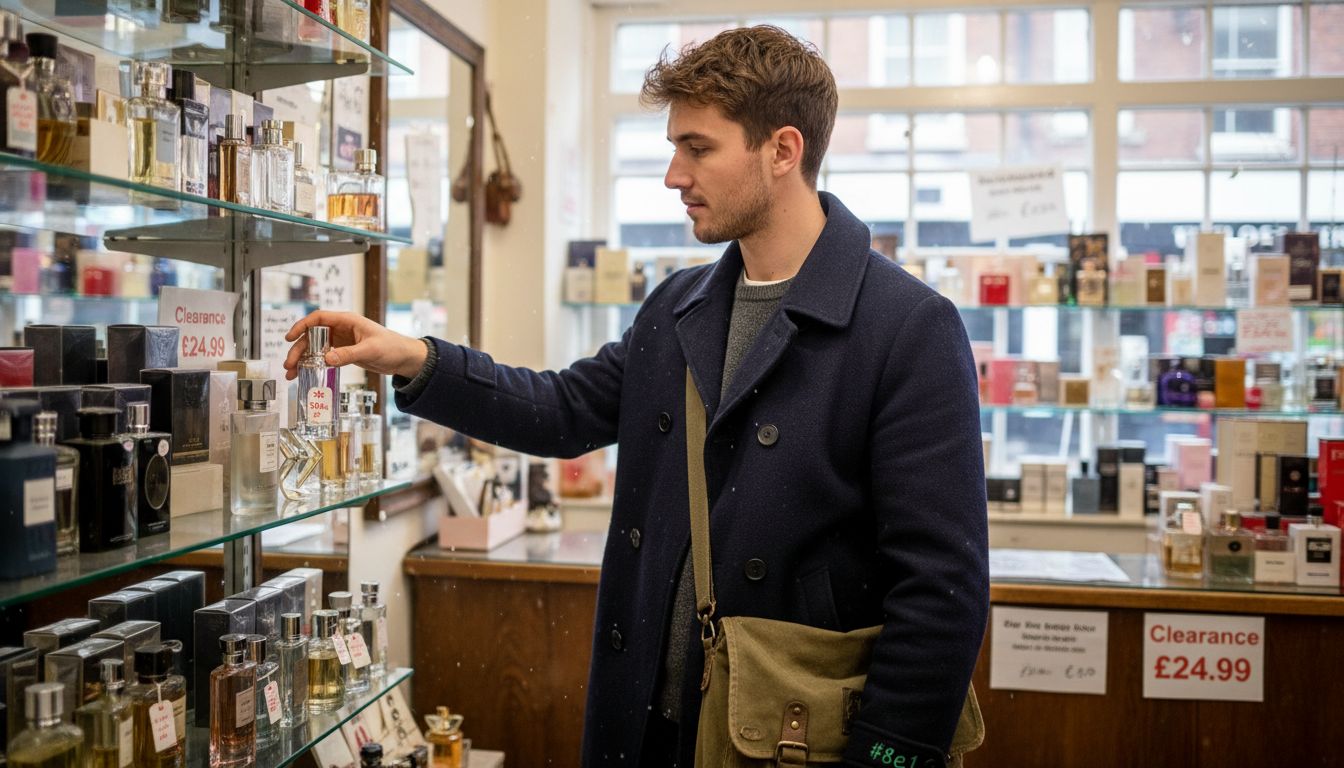
Best Smelling Cologne: Finding Quality and Value
Most advice about choosing the best cologne misses a crucial point: over 85 percent of scent impressions are shaped by subtle chemistry and individual skin response. The world of british fragrance has evolved into a sophisticated blend of tradition and innovation, making the search for the ideal scent more complex than ever. With so many options and misconceptions, understanding what truly sets a superior cologne apart can help you make a choice that feels both memorable and uniquely you.
Table of Contents
- What Makes A Cologne Smell ‘Best’
- Popular Fragrance Types And Families
- Fragrance Strengths: Eau De Parfum Versus Eau De Toilette
- Affordable Dupes And Quality Alternatives
- Avoiding Common Mistakes When Choosing
Key Takeaways
| Point | Details |
|---|---|
| Fragrance Complexity | Superior colognes balance base, heart, and top notes to create a memorable olfactory experience. |
| Fragrance Families | Understanding fragrance categories aids in navigating different scent profiles and enhances appreciation of perfumery. |
| Eau de Parfum vs Eau de Toilette | Choose Eau de Parfum for long-lasting complexity and Eau de Toilette for a lighter, refreshing scent suited to daytime. |
| Choosing Wisely | Always test fragrances on your skin to account for personal chemistry and consider the context of wear to avoid common selection mistakes. |
What Makes A Cologne Smell ‘Best’
Determining the ‘best’ smelling cologne is a nuanced art that transcends simple personal preference. Unlike generic fragrances, exceptional colognes possess sophisticated olfactory characteristics that elevate them from mundane to memorable. Understanding these complex sensory elements requires exploring fragrance composition, molecular structure, and how different notes interact.
The primary factor distinguishing superior colognes involves fragrance complexity - specifically how base, heart, and top notes harmonise. Top notes provide initial impressions, typically light and volatile molecules like citrus or herbal essences that evaporate quickly. Heart notes emerge after fifteen minutes, representing the cologne’s core character, often featuring floral or spicy elements. Base notes, which linger longest, establish the fragrance’s foundational personality through rich, deep compounds like woody or musky accords. Perfumers crafting exceptional colognes meticulously balance these layers to create symphonic olfactory experiences.
Scientifically, a cologne’s perceived quality depends on multiple sensory factors. Molecular complexity plays a crucial role - fragrances with more intricate molecular structures tend to smell more sophisticated and provide longer-lasting impressions. Professional perfumers often utilise different kinds of cologne to understand these intricate interactions. Factors like ingredient purity, concentration of essential oils, and precise blending techniques dramatically influence a cologne’s overall olfactory profile. High-quality colognes typically feature natural essential oils rather than synthetic approximations, resulting in more nuanced and authentic scent experiences that resonate deeper with the wearer’s individual body chemistry.
Ultimately, the ‘best’ smelling cologne transcends objective measurement - it represents a personal journey of sensory discovery. While scientific principles guide fragrance creation, individual perception, emotional resonance, and subtle molecular interactions transform a mere scent into a profound personal statement.
Popular Fragrance Types And Families
Fragrance families represent sophisticated taxonomies that categorise scents based on their predominant molecular characteristics and olfactory profiles. Understanding these classifications helps fragrance enthusiasts navigate the complex world of perfumery with greater precision and appreciation. Fragrance families offer a structured approach to understanding how different aromatic compounds interact and create unique sensory experiences.
Traditionally, perfumers recognise several primary fragrance families. The Fresh family encompasses light, crisp scents featuring citrus, aquatic, and green notes that evoke images of clean environments and natural landscapes. Floral fragrances dominate the perfume market, utilising complex botanical essences like rose, jasmine, and lily to create romantic and delicate olfactory experiences. Woody families incorporate earthy, robust notes from cedar, sandalwood, and pine, providing depth and masculinity to cologne compositions.
More nuanced fragrance families include the Chypre and Fougère categories, which represent sophisticated blends of mossy, herbal, and aromatic compounds. The Gourmand family has gained significant popularity, featuring scents that mimic edible ingredients like vanilla, caramel, and chocolate - creating olfactory experiences that trigger nostalgic and comforting sensations. Contemporary perfumers continue expanding these traditional classifications, developing increasingly complex and innovative fragrance profiles that challenge conventional categorisation.
Empirical research supports the complexity of fragrance classification. Scientific studies have identified multiple molecular odorant categories, ranging from balsamic and citrus to food-like and fruity essences. These intricate taxonomies demonstrate that fragrance families are not merely aesthetic groupings but sophisticated systems rooted in chemical understanding and sensory perception.
Fragrance Strengths: Eau De Parfum Versus Eau De Toilette
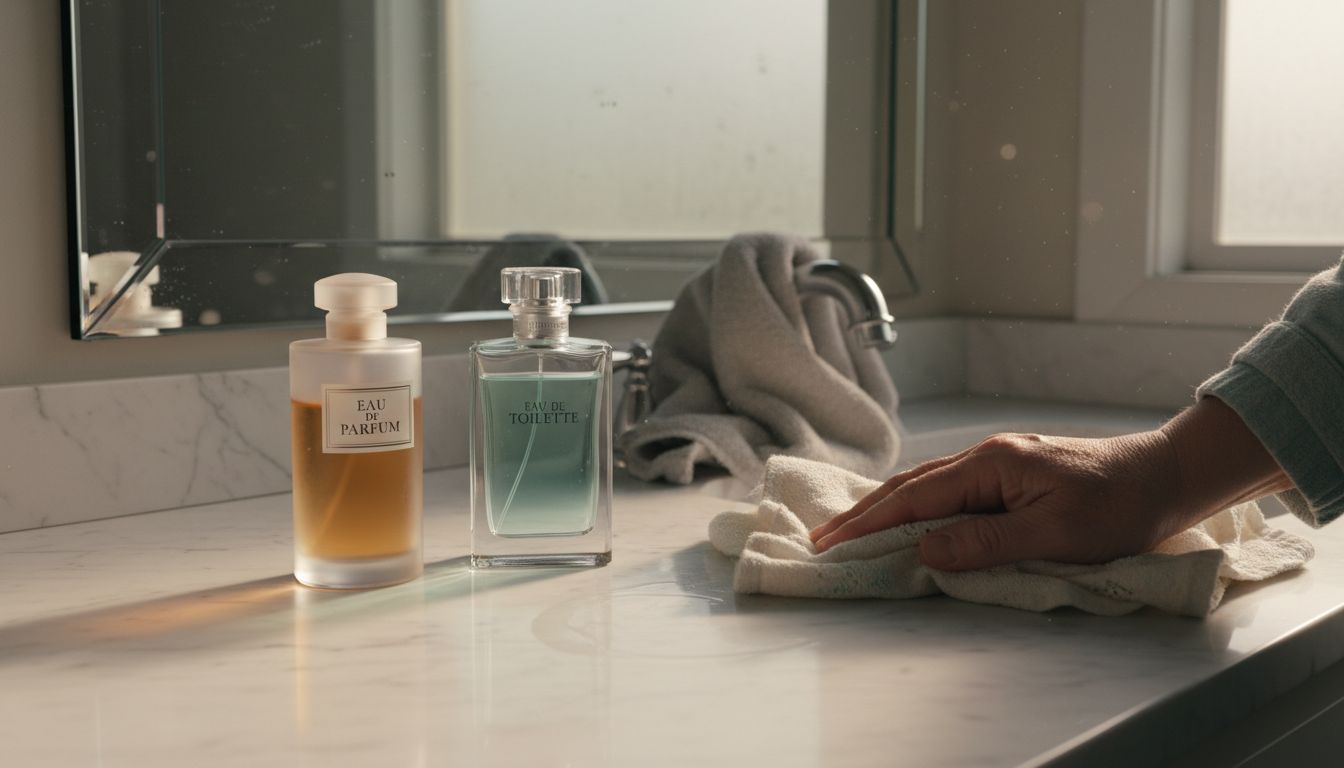
Understanding the nuanced differences between Eau de Parfum (EdP) and Eau de Toilette (EdT) is crucial for fragrance enthusiasts seeking the perfect olfactory experience. These two distinct concentration levels represent more than just varying intensities - they embody different approaches to personal scent expression. Eau de Parfum specifications reveal a complex landscape of aromatic potency and longevity.
The primary distinction lies in fragrance oil concentration. Eau de Parfum typically contains 15-20% fragrance oils, creating a more robust and long-lasting scent profile that lingers throughout the day. In contrast, Eau de Toilette offers a lighter interpretation, with fragrance oil concentrations ranging between 5-15%. This variance dramatically impacts projection, longevity, and overall wearing experience. EdP provides deeper, more complex scent layers that develop gradually, while EdT delivers a more immediate, refreshing burst of aroma that dissipates more quickly.
Practical considerations play a significant role in selecting between these fragrance strengths. EdP represents a premium option, ideal for evening events, formal occasions, and individuals seeking a more pronounced scent signature. EdT serves perfectly for daytime wear, professional environments, and warmer climates where lighter fragrances prevent olfactory overwhelm. The choice ultimately depends on personal preference, skin chemistry, and intended wearing context.
Empirical research supports these distinctions, highlighting the scientific precision behind fragrance formulation. Studies demonstrate that higher fragrance oil concentrations not only extend scent longevity but also enable more complex molecular interactions, creating richer, more nuanced olfactory experiences that evolve throughout the wearing period.
Affordable Dupes And Quality Alternatives
Navigating the world of fragrances need not be an expensive endeavour. Fragrance dupes have emerged as a sophisticated solution for discerning consumers seeking high-quality scents without astronomical price tags. Fragrance dupes represent intelligent alternatives that capture the essence of premium designer fragrances at a fraction of the cost.
The art of identifying quality dupes requires understanding molecular composition and olfactory profiles. Sophisticated dupes meticulously replicate the top, heart, and base notes of original fragrances, ensuring an authentic sensory experience. While designer brands often command premium prices due to brand recognition, skilled perfumers can craft remarkably similar scent profiles using carefully selected essential oils and aromatic compounds. Consumers can expect 70-90% similarity in scent composition, with significant cost savings ranging from 60-80% compared to original designer fragrances.
Strategic selection involves careful comparison of fragrance families, note structures, and longevity. Successful dupes maintain the original’s core aromatic character while offering remarkable value. Factors like projection, sillage, and molecular complexity play crucial roles in determining a dupe’s quality. Discerning fragrance enthusiasts should prioritise dupes that demonstrate similar molecular complexity and note progression, rather than simply mimicking surface-level scent characteristics.

Empirical research underscores the potential of fragrance alternatives. Studies highlight that understanding fragrance families and molecular structures enables consumers to discover quality alternatives that authentically capture the essence of premium scents. The key lies in appreciating the nuanced art of perfumery - recognising that true value transcends brand names and exists in the sophisticated craftsmanship of olfactory composition.
Avoiding Common Mistakes When Choosing
Selecting the perfect cologne requires more nuance than simply gravitating towards popular brands or trendy fragrances. Sensory awareness is crucial in navigating the complex world of fragrance selection, where individual preferences and subtle molecular interactions play pivotal roles. Fragrance selection strategies demand a sophisticated approach that transcends superficial marketing tactics.
One fundamental error fragrance enthusiasts frequently commit involves neglecting personal body chemistry. Skin pH, temperature, and individual biochemical composition dramatically influence how a scent develops and projects. What smells extraordinary on one individual might become underwhelming or entirely different on another. Consumers should always test fragrances directly on their skin, allowing at least thirty minutes for complete molecular interaction and true scent evolution. Professional recommendations suggest sampling fragrances during different times of day and across varying environmental conditions to understand their comprehensive olfactory profile.
Another critical mistake involves misunderstanding fragrance concentration and intended wearing context. Different strengths - Eau de Toilette, Eau de Parfum, and Cologne - serve distinct purposes. Daytime professional environments require lighter, more subtle fragrances, while evening events accommodate more complex, intense scent profiles. Novice fragrance buyers often overlook these nuanced distinctions, selecting inappropriate concentrations that compromise their desired sensory experience.
Empirical research highlights the importance of understanding fragrance families and molecular structures to avoid selection pitfalls. Strategic consumers recognise that true fragrance appreciation involves recognising how individual notes interact, how molecular complexity influences perception, and how personal biochemistry transforms a generic scent into a unique olfactory signature. The art of fragrance selection transcends simple consumer choice - it represents a profound, personal exploration of sensory identity.
Discover Quality and Value in Every Scent
Choosing the best smelling cologne can feel overwhelming when faced with complex fragrance families, diverse strengths like Eau de Parfum versus Eau de Toilette, and the challenge of finding affordable yet authentic dupes. You want a scent that not only suits your personal chemistry but also offers long-lasting enjoyment without compromising on quality or breaking the bank. This is where understanding fragrance complexity and molecular makeup truly matters.
Explore a curated selection of premium fragrances and smart dupes at Alexandria UK designed to capture the essence of your favourite scents with remarkable sophistication. Whether you seek the enticing warmth of woody bases or the refreshing brightness of fresh notes, our collection delivers compelling value and genuine quality. Don’t settle for less when your perfect fragrance experience is just a click away. Act now to transform your scent journey with expertly crafted colognes that resonate deeply and last beautifully. Visit Alexandria UK and learn more about different kinds of cologne and fragrance dupes to find your ideal match today.
Frequently Asked Questions
What factors contribute to a cologne’s scent quality?
The quality of a cologne’s scent largely depends on its fragrance complexity, which includes the harmonious interaction of top, heart, and base notes. High-quality colognes often feature natural essential oils and intricate molecular structures that enhance their depth and longevity.
How can I determine which fragrance family I prefer?
Understanding fragrance families can help you identify your preferences. The main families include Fresh, Floral, Woody, Chypre, Fougère, and Gourmand. Testing perfumes from each family on your skin and observing how they evolve over time can guide you towards your ideal scent.
What is the difference between Eau de Parfum and Eau de Toilette?
Eau de Parfum typically contains 15-20% fragrance oils, providing a more robust and long-lasting scent. In contrast, Eau de Toilette has a lower concentration of 5-15%, resulting in a lighter and often fresher aroma suitable for daily wear.
How do I choose the right cologne for different occasions?
When selecting a cologne for specific occasions, consider the fragrance strength. Eau de Parfum is ideal for formal events and evenings, while Eau de Toilette suits daytime and professional settings due to its lighter profile. Always test the fragrance on your skin to assess its suitability for the occasion.