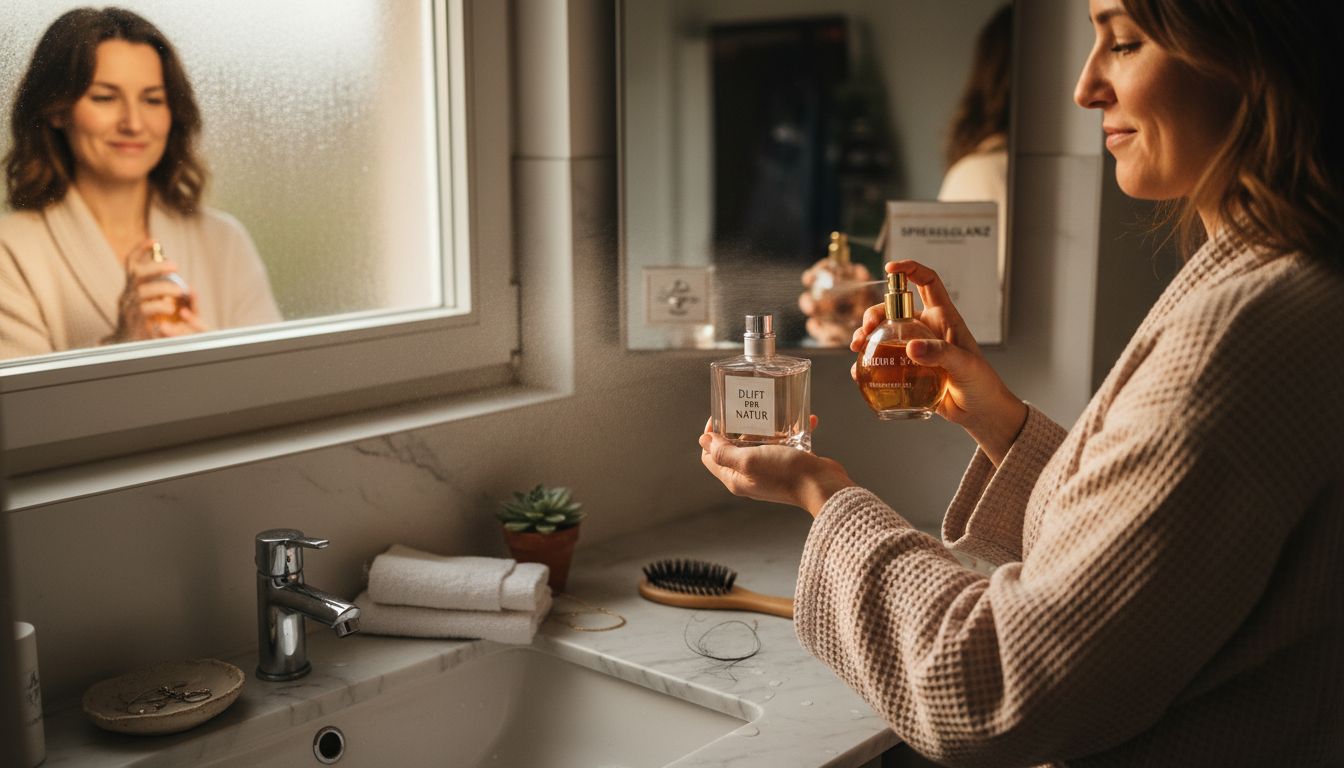
Fragrance World Basics: What Bargain Hunters Should Know
Most people are surprised to learn that the average British household owns at least five bottles of fragrance, highlighting just how deeply scent weaves into daily routines. Fragrance is more than a pleasant aroma, it is a personal statement, a memory trigger, and an essential part of self-expression. For anyone curious about the cultural, scientific, and economic sides of fragrance, this guide sheds light on what makes scents truly meaningful and how to choose wisely.
Table of Contents
- What Fragrance Really Means
- Major Fragrance Families Explained
- How Dupes Mimic Luxury Scents
- UK Safety And Product Law Essentials
- Avoiding Common Buying Mistakes
Key Takeaways
| Point | Details |
|---|---|
| Fragrance Composition | Fragrance is a blend of aromatic compounds that evoke emotions and create distinct sensory experiences in personal and home environments. |
| Understanding Families | Recognising fragrance families, such as Floral and Oriental, helps consumers make informed choices and appreciate scent profiles. |
| Value of Dupes | Fragrance dupes offer affordable alternatives to luxury scents, providing similar olfactory experiences without the high costs. |
| Safety and Authenticity | Awareness of safety regulations and authenticity ensures consumers make safe and knowledgeable purchases in the fragrance market. |
What Fragrance Really Means
Fragrance represents far more than just a pleasant smell. At its core, a fragrance is a carefully crafted mixture of aromatic compounds designed to evoke emotions, memories, and sensations. Perfume originates from the Latin term ‘per fumum,’ meaning ‘through smoke’, highlighting its historical roots in ancient aromatic traditions where scented substances were burned during religious and cultural ceremonies.
In contemporary understanding, fragrances are sophisticated organic compounds with characteristic pleasant odours that permeate numerous aspects of daily life. These substances possess strong-smelling organic elements that create distinct sensory experiences, ranging from personal care products to home environments. Fragrance composition involves an intricate art of blending essential oils, synthetic molecules, and natural extracts to create a harmonious olfactory profile.
The world of fragrance extends beyond simple pleasantries. It is a complex sensory language that communicates personality, evokes memories, and triggers emotional responses. Perfumers are essentially olfactory artists who carefully select and combine scent molecules, understanding how different notes interact to create a unique sensorial journey. Whether it’s a light citrus essence or a deep musky undertone, each fragrance tells a story, inviting the wearer and those around them to experience a moment of olfactory poetry.
For bargain hunters seeking to understand fragrance, recognising its nuanced composition is key. Understanding the types of fragrance notes can transform how you appreciate and select scents, turning a simple purchase into an informed sensory investment.
Major Fragrance Families Explained
For fragrance bargain hunters, understanding fragrance families is essential to navigating the complex world of scents. Fragrance families categorise perfumes based on their predominant scent profiles, offering a systematic approach to comprehending the intricate landscape of perfumery. These classifications help consumers identify and appreciate the nuanced characteristics that define different olfactory experiences.
Traditionally, perfume experts recognise several primary fragrance families: Floral, Oriental, Woody, Fresh, and Gourmand. Each family represents a distinct olfactory personality with unique note combinations and emotional resonances. Floral fragrances celebrate botanical essences, featuring rose, jasmine, and lily notes. Oriental scents explore deeper, more mysterious territories with warm spices, vanilla, and amber. Woody fragrances ground themselves in earthy tones like sandalwood, cedarwood, and patchouli, while Fresh families capture crisp, clean sensations through citrus and aquatic elements.

Exploring fragrance families reveals how perfumers craft complex sensory experiences. The Gourmand family represents a modern, innovative category that transforms food-like aromas into wearable art. Imagine fragrances that evoke memories of freshly baked cookies, rich chocolate, or caramelised sugar. These scents blur traditional boundaries, creating olfactory experiences that are simultaneously nostalgic and sophisticated.
For budget-conscious fragrance enthusiasts, understanding these families provides a strategic approach to purchasing. By recognising your preferred fragrance family, you can quickly narrow down selections, compare similar scents, and make more informed purchasing decisions. Whether you’re drawn to the romantic softness of Floral fragrances or the mysterious depth of Oriental notes, knowing your olfactory preferences transforms fragrance shopping from a bewildering experience into an exciting sensory journey.
How Dupes Mimic Luxury Scents
Fragrance dupes represent a fascinating intersection of chemistry, creativity, and cost-effectiveness in the perfume world. These affordable alternatives are meticulously engineered to capture the essence of high-end designer fragrances, offering budget-conscious consumers a remarkable opportunity to experience luxurious scent profiles without the astronomical price tags. The world of fragrance dupes reveals a complex art of olfactory replication, where skilled perfumers deconstruct and recreate expensive scent compositions.
The science behind duplicating luxury fragrances involves sophisticated molecular mimicry. Perfume chemists analyse the original fragrance’s chemical composition, identifying key aromatic compounds that create its distinctive character. By carefully selecting synthetic and natural ingredients with similar molecular structures, they craft alternatives that closely resemble the original scent’s top, middle, and base notes. This intricate process requires profound understanding of fragrance chemistry, allowing dupe manufacturers to create remarkably similar olfactory experiences at a fraction of the original’s cost.
Fragrance dupes represent a growing trend in the perfume industry, challenging traditional luxury market dynamics. While they cannot always perfectly replicate every nuanced aspect of a designer fragrance, high-quality dupes can provide 80-90% of the original scent’s experience. Bargain hunters benefit from this approach, gaining access to sophisticated fragrances without compromising their budget. The key lies in selecting well-crafted dupes from reputable manufacturers who invest in advanced fragrance technologies.
For savvy consumers, understanding dupe creation offers insights into perfume craftsmanship. These alternatives are not mere cheap imitations but sophisticated products requiring significant scientific expertise. By recognising the skill involved in creating these fragrances, bargain hunters can appreciate the value proposition of high-quality dupes. The goal is not to replace luxury brands entirely, but to provide accessible, enjoyable alternatives that democratise the world of fine fragrances.
UK Safety And Product Law Essentials
For fragrance bargain hunters, understanding product safety regulations is crucial when exploring affordable scent options. Manufacturers must ensure that products, including fragrances, comply with UK safety regulations, which involves conducting comprehensive risk assessments and providing transparent labelling to protect consumer interests. These legal requirements serve as a critical safeguard, ensuring that even budget-friendly fragrances meet stringent national safety standards.
The regulatory landscape for fragrance products is complex and multifaceted. The Classification, Labelling and Packaging (CLP) Regulation establishes rigorous guidelines for chemical safety, directly impacting how fragrances are developed, tested, and marketed. This framework requires manufacturers to meticulously classify and label substances, providing consumers with clear information about potential allergens, irritants, and chemical compositions. Compliance is not optional but a legal requirement that protects consumer health and ensures product transparency.
Key safety considerations for fragrance consumers include understanding ingredient declarations, recognising potential allergen warnings, and verifying product certifications. Reputable manufacturers will provide detailed ingredient lists, highlighting any substances that might trigger sensitivities. This information empowers bargain hunters to make informed decisions, balancing cost-effectiveness with personal health considerations. Consumers should look for clear labelling, batch codes, and manufacturer contact information as indicators of a legitimate, safety-conscious product.
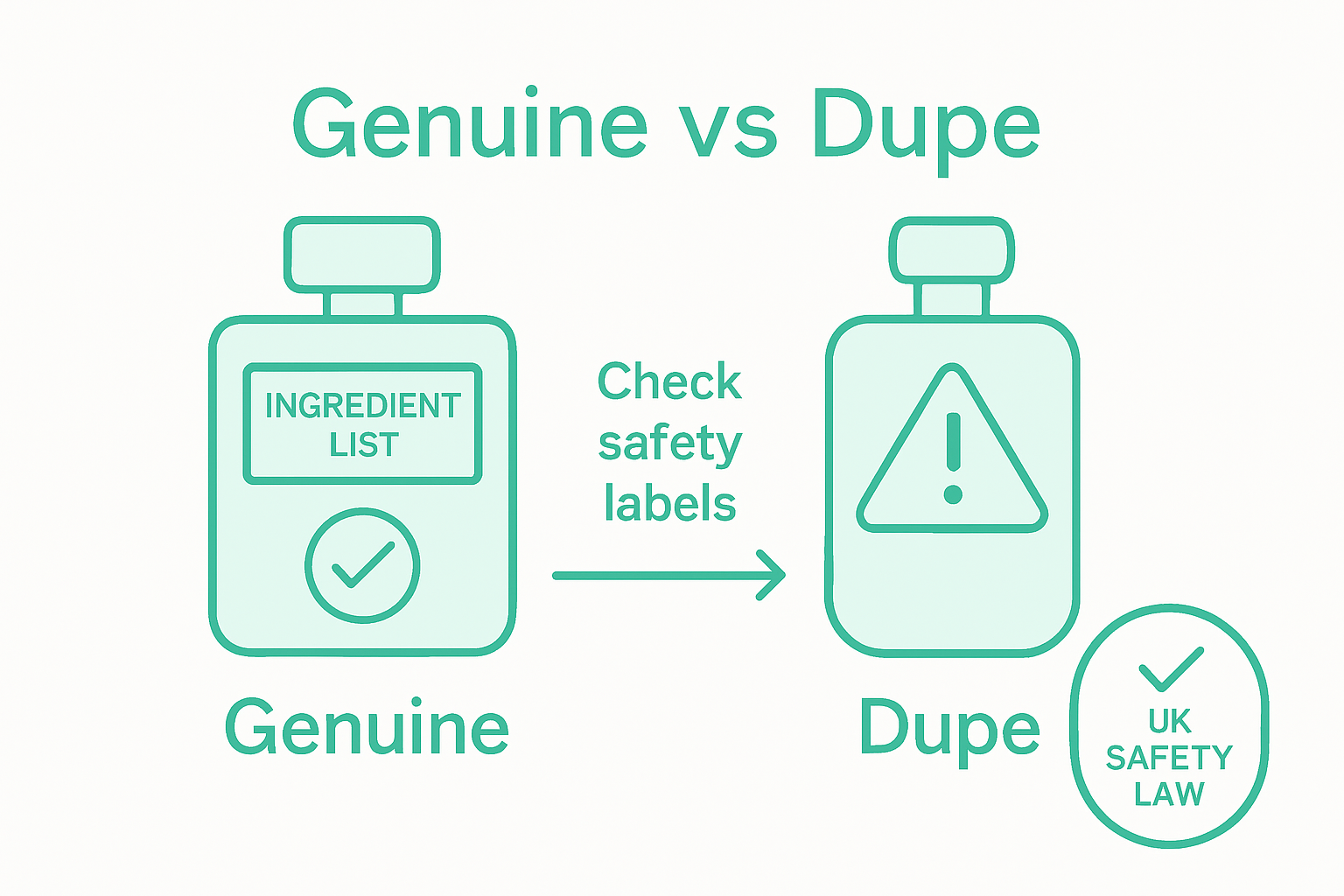
Ultimately, navigating the UK’s fragrance safety landscape requires a combination of consumer awareness and manufacturer accountability. While budget-friendly options can offer excellent value, they must never compromise on safety standards. Smart shoppers will research brands, understand regulatory requirements, and prioritise products that demonstrate a commitment to transparency and consumer protection. By being informed and vigilant, fragrance enthusiasts can confidently explore affordable alternatives without risking their well-being.
Avoiding Common Buying Mistakes
Fragrance bargain hunters must navigate a complex marketplace fraught with potential pitfalls. Consumers should be particularly wary of counterfeit perfumes, which may pose significant health risks and lack the quality of genuine products, making it crucial to develop a strategic approach to purchasing. Authenticity becomes the cornerstone of intelligent fragrance shopping, demanding careful consideration beyond mere price point.
Several critical mistakes can undermine a bargain hunter’s fragrance quest. Purchasing solely based on price often leads to disappointment, as the cheapest option rarely equates to the best value. Savvy shoppers should evaluate fragrances through multiple lenses: ingredient quality, longevity, projection, and compatibility with personal body chemistry. Understanding fragrance families helps prevent impulsive purchases that end up unused or unsatisfactory. Always sample a fragrance before committing to a full bottle, understanding that what smells appealing in the bottle might transform differently on your skin.
Technical knowledge proves invaluable when hunting fragrance bargains. Concentration levels dramatically impact a perfume’s performance and value. Eau de Parfum offers more intense and longer-lasting scents compared to Eau de Toilette, potentially providing better long-term value despite a higher initial price. Budget-conscious consumers should learn to decode fragrance descriptions, understanding nuances like note composition, sillage, and performance. Researching batch codes, checking manufacturing dates, and purchasing from reputable retailers can protect against inferior or expired products.
Ultimately, successful fragrance bargain hunting requires a blend of patience, research, and sensory exploration. Avoid common traps like blind online purchasing, falling for marketing hype, or assuming expensive always means superior. Developing a discerning approach means valuing quality over mere cost, understanding that a well-chosen affordable fragrance can outperform a costly but poorly matched alternative. Trust your senses, invest time in understanding fragrance composition, and approach each purchase as an informed, strategic decision.
Discover Quality Fragrances Without Compromise
Navigating the world of fragrances as a bargain hunter can be challenging. The article highlights crucial issues like understanding complex fragrance families, recognising authentic fragrance dupes, and staying safe under UK product regulations. If you want to avoid common buying mistakes and confidently choose scents that match your personality and preferences, informed choices are essential. With so many options, shoppers often struggle to find quality scents that offer value without sacrificing authenticity or safety.
At Alexandria UK, we focus on premium perfume sales inspired by iconic fragrances and expertly crafted dupes. We blend scientific expertise with affordable luxury, ensuring every fragrance offers a lasting, genuine experience. Explore our collection to find scents that reflect your unique style while being safe, well-labelled, and thoroughly tested. Browse our fragrance solutions to experience the art of perfume shopping done right.
Ready to elevate your fragrance game and make smart purchases that connect to your senses and budget?
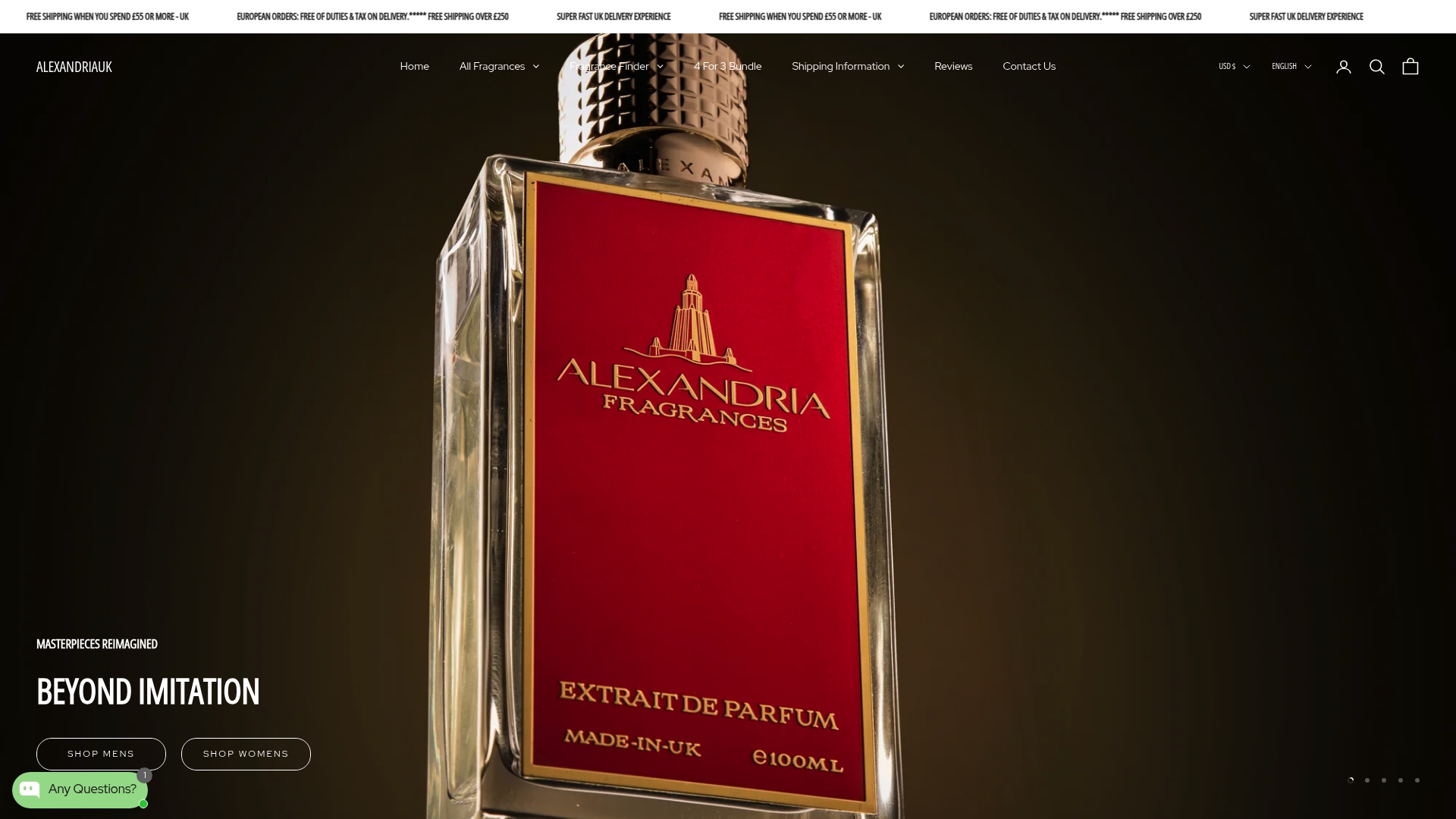
Visit Alexandria UK today to explore expertly curated perfumes and high-quality dupes that fit your lifestyle. Empower your senses and embrace affordable elegance now.
Frequently Asked Questions
What is the difference between fragrance families?
Fragrance families categorise perfumes based on predominant scent profiles, such as Floral, Oriental, Woody, Fresh, and Gourmand. Each family has its unique note combinations and emotional resonances, helping consumers understand their olfactory preferences.
How do fragrance dupes mimic luxury scents?
Fragrance dupes are created through molecular mimicry, where perfumers analyse the chemical composition of high-end fragrances and replicate key aromatic compounds. This allows them to create affordable alternatives that closely resemble the original scents, often capturing 80-90% of the fragrance experience.
What should I consider when buying a fragrance on a budget?
When purchasing budget fragrances, consider factors like ingredient quality, concentration levels (Eau de Parfum vs Eau de Toilette), and personal compatibility with your body chemistry. Always sample before committing to avoid disappointment.
What are the key safety considerations for fragrance consumers?
Key safety considerations include reviewing ingredient declarations for potential allergens, checking for clear labelling, and ensuring products comply with safety regulations. Choosing reputable brands and being informed about product safety helps protect your health.